What a Contract Restricts on an American Shorthair You Could Have Adopted
It's completely understandable to feel a bit overwhelmed when you're looking into bringing a new American Shorthair into your family, especially when you start comparing the ease of adopting from a local shelter to the often more involved process of working with a reputable breeder. Many folks get confused by the idea of a breeder contract, wondering why they need one and what exactly it restricts. This guide will walk you through the specifics of what a breeder contract often entails for an American Shorthair, shedding light on the "why" behind these stipulations and helping you understand the real value and implications compared to other avenues.
The Rationale Behind Breeder Contracts
When you consider acquiring a purebred American Shorthair from a reputable breeder, you’re not just buying a kitten; you're often entering into a long-term relationship based on shared commitment to the animal’s well-being and the integrity of the breed. Breeders pour immense time, effort, and resources into their lines, and their contracts reflect this deep investment. These aren't just arbitrary rules; they're designed to safeguard the kitten, the breed, and the breeder's reputation.
Protecting the Breed and Bloodlines
One of the primary drivers behind any responsible American Shorthair breeder's contract is the unwavering commitment to protecting and improving the breed itself. These dedicated individuals aren't just churning out kittens; they are meticulously selecting breeding pairs, studying pedigrees, and investing in health screenings to ensure each generation is as robust, healthy, and true to the American Shorthair standard as possible. This isn't a quick or cheap endeavor. There's a significant financial and emotional outlay in health testing, proper nutrition for queens and kittens, and ensuring a stimulating, safe environment.
The contract, therefore, acts as a safeguard against potential actions that could undermine all that hard work. It ensures that the unique characteristics, robust health, and excellent temperament that define the American Shorthair are preserved. Think of it as a quality control measure, helping to maintain the high standards that make the American Shorthair such a cherished and healthy companion. How Wide the American Shorthair's Gene Pool Really Is
Ensuring the Kitten's Welfare
Beyond the breed, a contract is fundamentally about the individual kitten's welfare. A responsible American Shorthair breeder feels a profound moral obligation to every kitten they bring into the world. They want to ensure that these little ones go to homes where they will be cherished, properly cared for, and live out their full, happy lives. This means more than just finding someone willing to pay the purchase price. It means finding a true forever home.
The contract often outlines specific expectations for care, including adequate nutrition (perhaps recommending specific brands or types of food), regular veterinary attention, and a safe, loving environment. Breeders often ask for updates, photos, or even occasional visits, not because they are nosy, but because they genuinely care about the cat’s future. It’s a testament to their dedication that they want to be confident their kittens are thriving and that if, for any reason, the new owners can no longer provide care, the cat won't end up in a difficult situation.
Common Restrictions You'll Find in an American Shorthair Contract
When you finally get that contract in hand, it might look a little intimidating with all its clauses and legal-sounding language. But once you break it down, most of the restrictions are quite sensible and, as we've discussed, rooted in the welfare of the cat and the preservation of the breed. Let’s explore some of the most common ones you'll encounter.
Spay/Neuter Clauses and Breeding Limitations
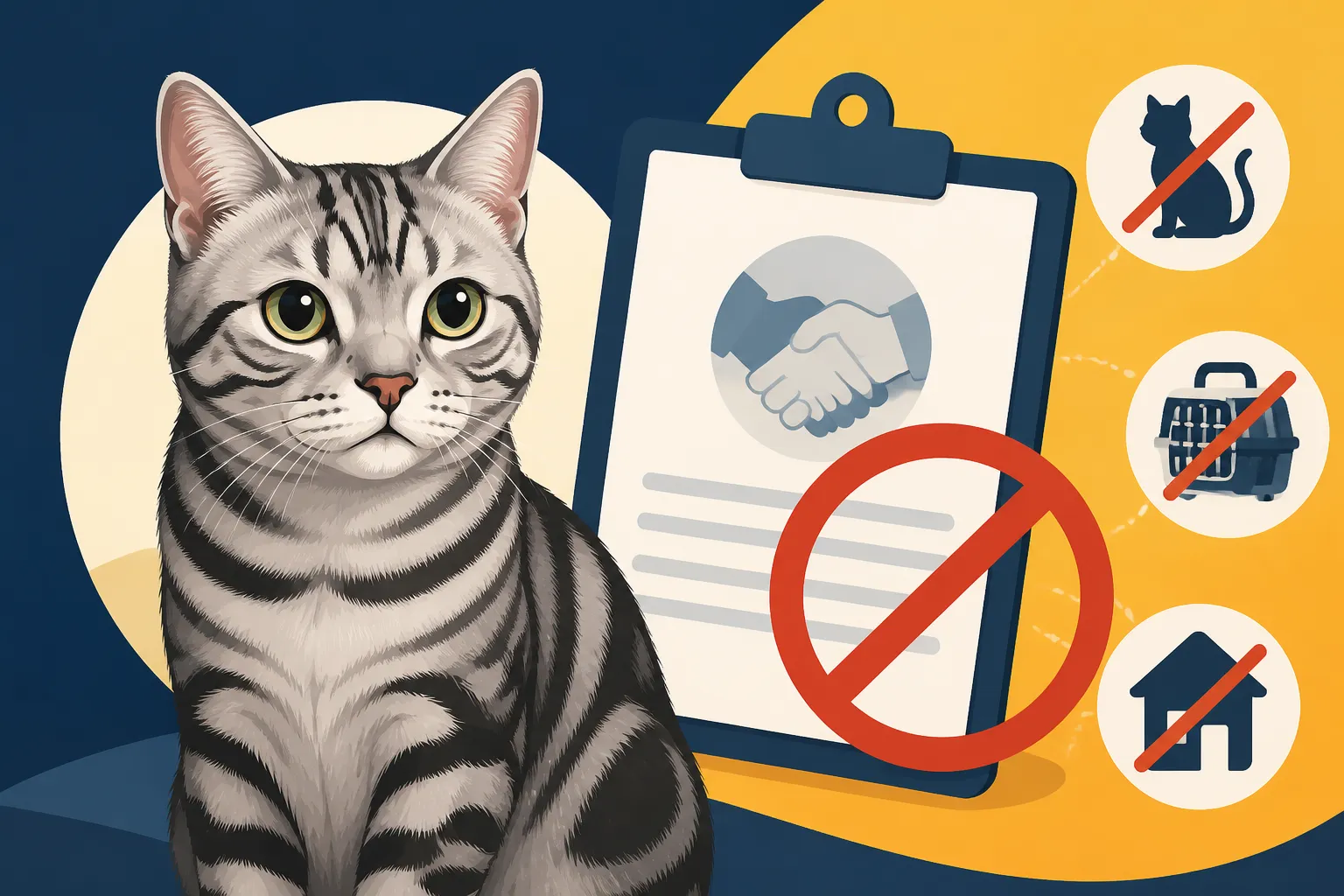
Hands down, this is the most common and often the most critical clause in a pet-quality American Shorthair contract. If you're buying a kitten that isn't intended for a breeding program, the contract will almost certainly stipulate that your American Shorthair must be spayed or neutered by a certain age, usually between 4-6 months, or sometimes even before they leave the breeder's home. Whether an American Shorthair Kitten Comes Neutered
The reasoning here is multifaceted. Firstly, it prevents unplanned litters, which can contribute to the pet overpopulation problem. Secondly, it protects the breed's integrity by ensuring that only carefully selected, health-tested individuals are used for breeding, preventing "backyard breeding" that might not prioritize health or temperament. Reputable breeders typically only sell cats with breeding rights to other established breeders who adhere to similar ethical standards. The contract will usually require proof of the surgery from your veterinarian. Failure to comply can lead to significant penalties, sometimes even requiring the return of the cat or a substantial financial fee, though this varies greatly by breeder.
Restrictions on Resale, Rehoming, or Transfer of Ownership
Imagine the heartbreak of a breeder if a cat they lovingly raised and placed in what they thought was a perfect home suddenly ends up being sold online to a stranger, or worse, surrendered to a shelter without their knowledge. This is exactly what rehoming clauses aim to prevent. Most American Shorthair contracts will state that if, for any reason, you can no longer keep your cat, you must first notify the breeder.
This clause typically gives the breeder the "right of first refusal," meaning they might offer to take the cat back or assist in finding a new, approved home. This ensures that the cat doesn't become a commodity, passed from hand to hand without proper vetting of the new owners. It's a safety net for the cat, providing an extra layer of protection throughout its entire life. It also speaks to the breeder's ongoing commitment; they see themselves as lifelong guardians of their cats, even after they've left their home.
Health Guarantees and Veterinary Care Requirements
A good American Shorthair breeder will stand by the health of their kittens. Their contract will typically include a health guarantee, often covering specific genetic conditions or general health for a certain period after purchase. This guarantee usually requires you, the buyer, to take the kitten to your own veterinarian for a check-up within a few days of bringing them home. This ensures the kitten is healthy upon arrival and allows for immediate action if any issues are found.
Beyond the initial check, the contract will usually outline your responsibility for ongoing veterinary care, including vaccinations, regular check-ups, and prompt treatment for any illness or injury. Some breeders might even recommend specific screenings later in life, such as yearly heart scans for HCM, a concern even in healthy breeds like the American Shorthair. Why an American Shorthair Still Needs a Yearly Heart Scan This isn't just a suggestion; it's often a contractual obligation to ensure the cat receives the best possible care throughout its long life. Considering pet insurance from providers like Healthy Paws can be a smart move to help manage these potential veterinary costs over the years.
Indoor-Only Clauses and Safety Provisions
While American Shorthairs historically earned their keep as mousers on farms and ships, modern breeders often stipulate that their cats live as indoor-only pets. This restriction might seem counterintuitive for a breed renowned for its robust, working nature, but it's born from a genuine concern for the cat's safety in today's world. An indoor-only clause is designed to protect your American Shorthair from the myriad dangers of the outdoors, such as traffic accidents, fights with other animals, exposure to diseases like feline leukemia (FeLV) or feline immunodeficiency virus (FIV), and encounters with poisons or harmful substances. The Risks an Outdoor American Shorthair Takes That an Indoor One Does Not
If you're worried about your American Shorthair not getting enough enrichment indoors, the contract might also discuss provisions for secure outdoor access, such as a "catio" or a supervised harness and leash walks. The core idea is to provide a stimulating, safe environment while minimizing risks. Ultimately, the breeder wants to ensure their kitten enjoys a full, healthy lifespan, free from preventable accidents or illnesses that outdoor life often brings.
The Pros and Cons: Breeder Contract vs. Shelter Adoption
Deciding between a pedigree American Shorthair from a breeder with a contract and adopting a cat (which might even look like an American Shorthair!) from a shelter involves weighing different sets of advantages and disadvantages. It's a personal decision, but understanding the nuances can make the path clearer.
The Certainty and Support of a Breeder Contract
Opting for an American Shorthair from a reputable breeder, complete with a detailed contract, offers a level of certainty and support that is hard to match. You gain access to a known lineage, which means you have a clearer picture of your cat's potential size, appearance, and likely temperament. You’re also getting a cat from parents who have been health screened for breed-specific concerns, minimizing the risk of inherited diseases down the line. What an American Shorthair Pedigree Predicts About Health
Furthermore, a good breeder acts as a lifelong resource. They are there to answer questions about nutrition, behavior, or any concerns you might have for the duration of your cat's life. This ongoing support can be invaluable, especially for first-time cat owners or those new to the American Shorthair breed. Should an unexpected issue arise, you have a direct point of contact who knows your cat's background intimately. How to Find an American Shorthair Breeder Worth Paying For
The Freedom and Cost-Effectiveness of Adoption
On the other side of the coin, adopting a cat from a shelter often presents a more immediate, less restrictive, and typically more cost-effective option. Shelter adoption fees are usually significantly lower than a breeder's purchase price and often include initial vaccinations, spay/neuter surgery, and microchipping. This can be a huge relief to the upfront budget. What Adopting an American Shorthair Costs at a Shelter
Once adopted, you generally have far fewer contractual restrictions on your cat's life. You might not have the same detailed health history, but you also won't have strict clauses about spay/neuter deadlines (as they are often already done), rehoming procedures, or mandated vet visits beyond general responsible pet ownership. For many, the profound satisfaction of giving a loving home to a cat in need, one that might otherwise be overlooked, is a compelling reason to choose adoption.
Navigating the Grey Areas and Unexpected Clauses
While most breeder contracts are standard, sometimes you might encounter clauses that feel a bit unusual or restrictive, making you scratch your head. For instance, some contracts might require specific dietary choices, perhaps recommending a particular brand of food or advocating for raw feeding. Others might have clauses about exhibition, requiring you to show your American Shorthair if it meets certain conformation standards, or restricting breeding rights even if the cat is a show quality animal.
It’s absolutely crucial to read every line of a breeder contract thoroughly and ask for clarification on anything you don’t understand or agree with. Don't be afraid to ask "what if" questions: "What if I move?", "What if I can't find that specific food?", "What if my vet recommends a different course of treatment?". A good breeder will be transparent, willing to explain their clauses, and may even be open to minor adjustments if they don't compromise the core intent. Remember, signing means agreeing, and disagreements down the line can be stressful and costly.
| Feature | Breeder Purchase (with Contract) | Shelter Adoption |
|---|---|---|
| Upfront Cost | Higher purchase price | Lower adoption fee |
| Health Guarantees | Often detailed for genetic conditions, initial health | Varies, usually covers immediate health at adoption |
| Known History/Pedigree | Detailed, known health, temperament of parents | Limited, often unknown |
| Rehoming Restrictions | Breeder must be notified, often has first refusal | Generally fewer restrictions, but good practice to notify shelter |
| Spay/Neuter Clauses | Mandatory by specific age, sometimes done by breeder | Usually already spayed/neutered |
| Veterinary Requirements | Contractual obligations for specific care, check-ups | General responsible pet ownership expected |
| Ongoing Support | Lifelong resource from breeder | Often limited to initial post-adoption support |
| Temperament Predictability | Higher predictability based on parent lines | Varies, often assessed by shelter staff |
Making an Informed Decision for Your American Shorthair
Ultimately, the choice of where your American Shorthair comes from is deeply personal. Whether you choose a breeder or a shelter, the goal is always a happy, healthy life for your new companion. Making an informed decision means doing your homework, understanding the commitment, and aligning your expectations with the realities of pet ownership.
Researching Reputable Breeders and Contracts
If you're leaning towards a purebred American Shorthair, your research into breeders should be exhaustive. Start by looking for breeders who are members of national cat associations like the CFA (Cat Fanciers' Association) or TICA (The International Cat Association) and adhere to their ethical guidelines. Don't just look for breeders with beautiful websites or social media pages; delve into their practices. Ask about their health screening protocols for parents (e.g., echocardiograms for HCM), their facilities, and their socialization practices for kittens.
Always request a sample contract before you commit to a kitten. Read it thoroughly, line by line. Don't be shy about asking questions about any clause you don't understand or feel uncomfortable with. A reputable breeder will be transparent and happy to discuss their contract with you. This is also a good opportunity to gauge their communication style and ensure you'll have a good working relationship for the years to come. Which Questions to Ask an American Shorthair Breeder Remember, a contract isn't just about what you can't do; it's also about what the breeder promises you, like health guarantees and ongoing support.
Considering the Long-Term Commitment
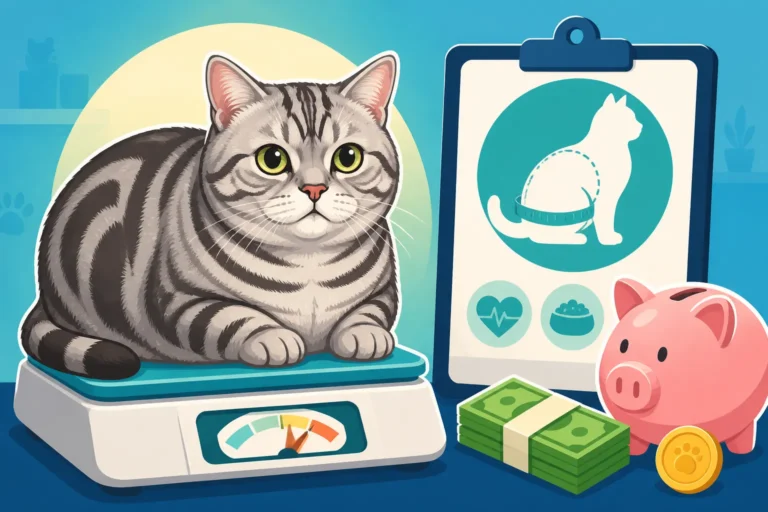
Bringing an American Shorthair into your life is a significant long-term commitment, often spanning 15 to 20 years or even longer. The Fifteen to Twenty Years the American Shorthair Was Given The initial purchase price or adoption fee is truly just the tip of the iceberg. Over two decades, you'll be responsible for food, litter, toys, grooming supplies, and, most significantly, veterinary care.
Think about potential future costs: routine check-ups, vaccinations, dental cleanings (which can become surprisingly frequent as cats age), and unexpected emergencies or chronic conditions. Investing in high-quality food can contribute to long-term health, but it's an ongoing expense. Similarly, having a plan for pet insurance or a dedicated savings fund for medical emergencies is wise. The contract, in essence, is a promise to maintain this long-term commitment to the animal's welfare, ensuring it's cared for every step of the way, regardless of the years that pass. Twenty Years of an American Shorthair, Priced Out
Understanding the "Value" Beyond the Price Tag
It's easy to get caught up in the sticker shock of a pedigree American Shorthair, especially when you compare it to the minimal cost of a shelter adoption. However, the "value" you receive from a responsible breeder extends far beyond the monetary price tag. What an American Shorthair pedigree truly buys you is predictability: a better understanding of your cat's genetic health, anticipated size and build, and a temperament that is generally calm, adaptable, and affectionate, honed over generations. What an American Shorthair Pedigree Buys That a Free Tabby Does Not
This predictability often leads to fewer surprises down the road, both in terms of health issues and behavioral challenges. You also gain the peace of mind that comes from knowing your cat was raised with the utmost care, proper nutrition, and early socialization, setting them up for a successful transition into your home. While a shelter cat brings its own unique joys and fulfilling experience, the investment in a well-bred American Shorthair is an investment in a known quantity, a companion whose specific qualities are understood and celebrated.
Disclaimer
This article is for general informational purposes only and does not constitute professional advice. Laws, prices and regulations vary by location and change over time. Consult a qualified professional for guidance on your specific situation.