What an American Shorthair Dental Costs With Extractions
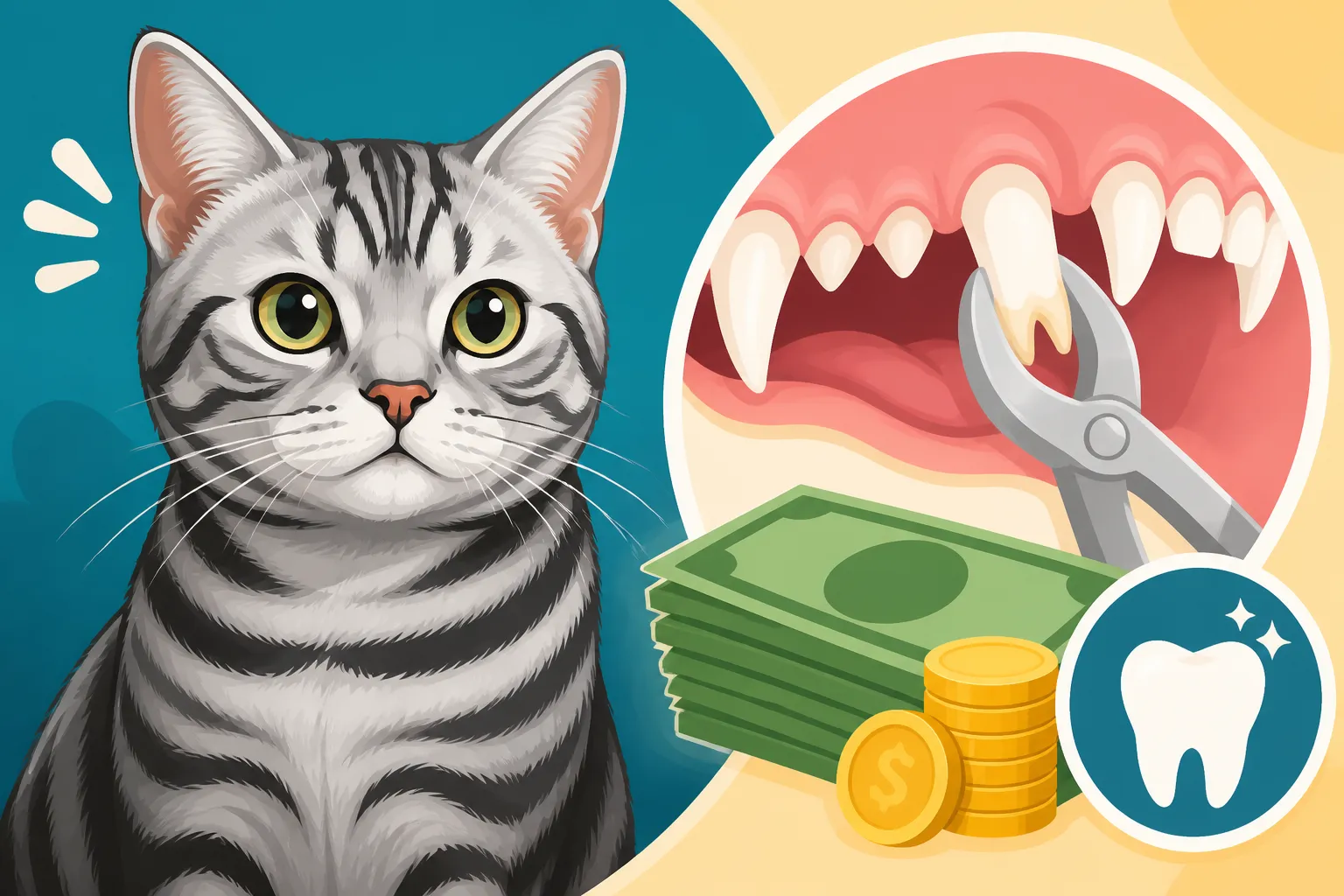
It’s a moment every cat parent dreads: the vet tells you your beloved American Shorthair needs dental work, and not just a cleaning, but extractions. The sinking feeling in your stomach isn't just about your cat's health, but often the looming question of the bill. It's completely normal to feel overwhelmed when faced with the prospect of significant vet costs, especially when it comes to something as intricate and vital as dental surgery. This comprehensive guide is here to walk you through the various factors that influence the cost of an American Shorthair’s dental procedure, particularly when extractions are involved, helping you understand what to expect and how to prepare.
Understanding Why American Shorthairs Need Dental Care (And Why It Costs So Much)
You might think that your American Shorthair, with their robust, no-fuss nature, would be immune to some of the more delicate health issues. Unfortunately, dental disease is a great equalizer among felines, affecting nearly all cats to some degree by the time they reach middle age. It's not a reflection on your care, but rather a silent, progressive condition that often goes unnoticed until it's quite advanced, leading to more complex and costly interventions like extractions.
The Silent Threat of Periodontal Disease in American Shorthairs
Periodontal disease begins innocently enough with plaque, a sticky film of bacteria, forming on your cat's teeth. If not removed, this plaque hardens into tartar, which is impossible to brush away at home. Tartar buildup above the gumline is visible, but the real trouble starts when it extends below the gumline, triggering inflammation of the gums (gingivitis). Over time, this inflammation progresses to periodontitis, destroying the supporting structures of the tooth—the gums, bone, and ligaments.
What makes this particularly insidious for our American Shorthairs is their inherently stoic nature. They are descended from working cats, independent and resilient, and they've perfected the art of hiding discomfort. Why a Stoic American Shorthair Hides Pain the Longest You might not see obvious signs like crying out or refusing food until the pain is severe. Instead, subtle changes like preferring wet food, drooling slightly, or simply being a little less playful might be the only clues. By the time you notice, the disease might have advanced to a point where simple cleaning isn't enough to save the affected teeth.
Beyond Routine Cleaning: When Extractions Become Necessary
A routine dental cleaning, often called a dental prophylaxis, involves scaling away plaque and tartar, both above and below the gumline, followed by polishing the teeth to smooth the surface and deter future buildup. It's crucial preventative care. However, when periodontal disease is advanced, or if other issues like tooth resorption or fractures are present, extractions become the necessary next step to alleviate pain and prevent infection from spreading.
Tooth resorption, for instance, is a common and incredibly painful condition where the tooth structure breaks down from the inside out. It's often invisible without X-rays, making it a particularly sneaky culprit behind feline oral pain. Fractured teeth, often caused by trauma or chewing on hard objects, can also expose the sensitive pulp, leading to infection and requiring extraction. Why Gum Disease Is the American Shorthair's Quiestest Problem When your vet recommends extractions, it's not a decision made lightly; it's usually because the affected teeth are a source of significant pain and pose a risk to your cat's overall health if left in place. This reactive care, while essential, naturally incurs greater costs than proactive maintenance.
Deconstructing the Cost: What Goes Into an American Shorthair Dental Procedure
When you receive an estimate for your American Shorthair's dental work, it's usually broken down into several categories. Understanding these components can help demystify the seemingly high price tag. It’s not just about pulling a tooth; it’s a comprehensive medical procedure requiring specialized equipment, skilled personnel, and diligent monitoring to ensure your cat's safety and comfort.
The Anesthesia Factor and Monitoring
The most significant portion of any dental bill, especially one involving extractions, is almost always related to anesthesia. Unlike humans, cats don't just open wide and sit still for a dental procedure. They need to be completely still and pain-free, which means general anesthesia is absolutely essential for a thorough, safe, and stress-free experience. This isn't just a quick jab; it's a carefully managed process.
Before anesthesia, your vet will likely recommend pre-anesthetic bloodwork to ensure your American Shorthair's organs, particularly the liver and kidneys, are functioning properly and can safely metabolize the anesthetic drugs. What an American Shorthair's Bloodwork Costs While American Shorthairs are generally known for being robust and have a relatively low anesthetic risk compared to some other breeds, every cat is an individual, and thorough pre-screening is non-negotiable for safety. Why an American Shorthair Is a Low Anesthetic Risk During the procedure, your cat will be intubated to protect their airway, and a dedicated veterinary technician will monitor vital signs—heart rate, respiration, blood pressure, oxygen saturation, and temperature—constantly. This continuous monitoring, coupled with the specialized anesthetic agents and equipment, ensures the safest possible experience for your furry friend, but it's a significant investment in terms of resources and expertise.
Dental X-Rays, Cleaning, and Extractions
Once your American Shorthair is safely under anesthesia, the real work begins. The first critical step is typically a full-mouth series of dental X-rays. Think of it like a dentist doing X-rays on your mouth; it reveals the hidden problems below the gumline that aren't visible to the naked eye. Tooth resorption, bone loss, root abnormalities, and un-erupted teeth can only be diagnosed with X-rays. Without them, a significant portion of dental disease could be missed, leading to ongoing pain and future complications.
After X-rays, the teeth are meticulously scaled using ultrasonic and hand instruments, removing all plaque and tartar from above and below the gumline. This is followed by polishing to smooth the tooth surface, making it harder for plaque to adhere. If extractions are deemed necessary based on X-ray findings and visual examination, the complexity varies. Simple extractions might involve a single-rooted tooth that's already loose, while more complex extractions involve multi-rooted teeth, teeth with severe bone loss, or those requiring surgical intervention to remove bone or section the tooth before extraction. Each extraction is a delicate surgical procedure requiring specific tools, time, and precision to ensure all root fragments are removed and the socket heals properly. Finally, pain medication and sometimes antibiotics are administered to manage post-operative discomfort and prevent infection.
Geographical Differences and Clinic Variables
The cost of your American Shorthair's dental procedure can fluctuate quite a bit depending on where you live and the type of veterinary clinic you choose. Just like human medical care, vet costs can be higher in metropolitan areas compared to more rural settings, due to differences in overhead, labor costs, and living expenses. A clinic in a bustling city like New York or Los Angeles will likely have higher prices than one in a small town in, say, Kansas.
Beyond location, the type of clinic plays a role. A large, state-of-the-art veterinary hospital with specialists and advanced diagnostic equipment might charge more than a smaller, independent general practice. However, larger facilities often have more advanced dental equipment, such as digital dental X-ray machines and specialized surgical tools, which can lead to more thorough and efficient care. Emergency veterinary clinics, if needed for sudden dental issues, typically have premium pricing due to the immediate availability of staff and resources. It's always a good idea to get a detailed estimate and ask for clarification on anything you don't understand, as costs can vary widely even within the same geographic area.
The Price Tag Breakdown: What to Expect for Your American Shorthair
Let's talk numbers, or at least the shape of those numbers, because as we've discussed, exact figures vary wildly. When you get that estimate, it’s going to reflect the range of services required. The difference between a simple cleaning and one involving multiple extractions is substantial, not just in terms of veterinary skill and time, but also in the amount of medication, supplies, and aftercare needed.
Basic Dental Cleaning vs. Cleaning with Minor Extractions
A basic dental cleaning, for an American Shorthair with good overall oral health and minimal tartar, might be the least expensive option. This typically includes the pre-anesthetic bloodwork, general anesthesia, monitoring, ultrasonic scaling, polishing, and a quick oral examination. It’s the kind of proactive care that helps keep teeth healthy and prevents major problems down the line. If your American Shorthair has been getting regular check-ups, and you've been doing some home care, this might be all they need.
However, the moment extractions enter the picture, even just one or two minor ones, the cost significantly escalates. These "minor" extractions might involve a single-rooted tooth that's already quite loose due to advanced periodontal disease. While simpler, they still add surgical time, pain medication, and potentially longer anesthesia. This jump in price reflects the shift from a routine maintenance procedure to a surgical intervention designed to remove painful, diseased teeth. It's a necessary step to restore comfort and health but certainly impacts your wallet.
Extensive Dental Work: Multiple Extractions and Advanced Procedures
When your American Shorthair requires extensive dental work, such as multiple extractions, surgical extractions of multi-rooted teeth, or addressing complex issues like severely fractured teeth or widespread tooth resorption, the costs can climb considerably higher. Each extraction adds to the surgical time, the complexity of the anesthesia, and the amount of post-operative pain management needed. Think about it: a deeply rooted canine tooth requiring surgical flaps and bone removal is a far more involved procedure than pulling a wobbly incisor.
In these advanced cases, your vet might use more specialized equipment, more potent pain control protocols, and potentially even refer you to a veterinary dental specialist. These specialists have advanced training and equipment, which can lead to higher fees, but also ensures the best possible outcome for complex cases. The focus here is not just removing the bad teeth, but doing so in a way that minimizes trauma, promotes healing, and ensures your American Shorthair’s long-term comfort. This level of care is often critical for a cat’s quality of life, especially for a long-lived breed like the American Shorthair, which might live for The Fifteen to Twenty Years the American Shorthair Was Given.
Post-Procedure Care and Follow-Up Costs
The cost doesn't always end when your American Shorthair comes home from the vet. Post-procedure care is crucial for a smooth recovery and needs to be factored into your budget. Your vet will almost certainly prescribe pain medication, often an anti-inflammatory, to keep your cat comfortable for several days after surgery. They may also prescribe antibiotics if there was a significant infection present, or if the extractions were particularly extensive. These medications are an additional cost, but absolutely vital for your cat's well-being.
You might also need to adjust your cat’s diet temporarily. Soft food or moistened kibble is often recommended to prevent irritation to the extraction sites while they heal. You can find excellent options for sensitive stomachs and soft food textures on platforms like Chewy, ensuring your American Shorthair eats comfortably during recovery. Follow-up visits are another potential cost; your vet might want to recheck the extraction sites, ensure healing is progressing well, and perhaps remove any sutures if non-dissolvable ones were used. These follow-ups are usually less expensive than the initial procedure but are important for monitoring recovery.
| Component | Description | Cost Impact (Relative) |
|---|---|---|
| Pre-Anesthetic Bloodwork | Essential to assess organ function and ensure safe anesthesia. | Moderate |
| Anesthesia & Monitoring | Anesthetic drugs, gas, IV fluids, continuous monitoring by a technician (heart rate, respiration, blood pressure, oxygen, temperature). This is the foundation of a safe procedure. | High |
| Dental X-Rays | Full mouth series to identify disease below the gumline (resorption, bone loss, un-erupted teeth). Crucial for accurate diagnosis and treatment. | Moderate |
| Scaling & Polishing | Removal of plaque and tartar with ultrasonic scalers, hand instruments, followed by polishing the tooth surface. The core of any dental cleaning. | Moderate |
| Extractions (Simple) | Removal of a single, loose, or easily extracted tooth. Adds surgical time and supplies. | Moderate (per tooth) |
| Extractions (Surgical/Complex) | Removal of multi-rooted teeth, fractured teeth, or teeth requiring bone removal/sectioning. Requires greater skill, time, and specialized equipment. | High (per tooth) |
| Pain Management | Injectable pain medications during the procedure and oral medications (anti-inflammatories, opioids) to go home with. Absolutely essential for comfort. | Low to Moderate |
| Antibiotics | Prescribed if infection is present or anticipated, to prevent complications. | Low |
| Post-Op Follow-Up | Recheck appointment to ensure healing, suture removal. | Low |
Strategies for Managing American Shorthair Dental Expenses
Facing a potentially hefty vet bill for dental work can be daunting, but there are ways to manage these costs. A multi-pronged approach, combining proactive care, financial planning, and exploring assistance options, can make a significant difference. The goal is to ensure your American Shorthair gets the care they need without breaking your bank.
Proactive Home Care: The Best Defense
The single most impactful strategy for managing dental expenses is prevention. Daily home dental care can dramatically reduce the frequency and severity of professional dental cleanings and, crucially, minimize the need for extractions. The gold standard is brushing your American Shorthair's teeth daily. Yes, it sounds challenging, but starting early with a kitten can make it a routine. Even if you have an adult cat, gradual introduction with positive reinforcement can yield results. How to Start Toothbrushing an American Shorthair Kitten
Beyond brushing, dental treats and water additives can help. Look for products with the Veterinary Oral Health Council (VOHC) seal, which indicates they meet standards for plaque and/or tartar reduction. High-quality cat food with fresh, nutritious ingredients can contribute to overall health, which indirectly supports oral health. Regular veterinary check-ups are also key. Your vet can spot early signs of dental disease and recommend interventions before they become severe. How Regularly a Healthy American Shorthair Still Needs Checking A dental exam is a routine part of a yearly wellness visit, and your vet can often identify problems before they become painful emergencies. How Often an American Shorthair Should See a Dentist Vet
Pet Insurance: A Financial Safety Net
Pet insurance can be an absolute lifesaver when unexpected vet bills arise, and dental work with extractions certainly falls into that category. Most comprehensive pet insurance policies cover dental diseases, including extractions, as long as the condition isn't pre-existing before you enroll. Some policies even offer wellness riders that cover a portion of routine dental cleanings. Companies like Healthy Paws are popular for their comprehensive coverage, but it's vital to research different providers and understand what each policy covers regarding dental care.
When choosing a policy, pay close attention to the deductible, reimbursement percentage, and annual limits. It's also critical to understand any specific exclusions or waiting periods for dental procedures. While insurance might not cover 100% of the cost, it can significantly reduce your out-of-pocket expenses for a major procedure like multiple extractions, turning a financially crippling event into a manageable one. Think of it as investing in peace of mind for your American Shorthair's future health. Whether Insurance Pays for an American Shorthair's Echo
Payment Plans and Financial Assistance
If you find yourself facing a significant dental bill without insurance or a sufficient emergency fund, don't despair. Many veterinary clinics understand the financial burden of advanced care and offer solutions. One common option is a payment plan directly through the clinic, allowing you to pay the bill in installments. Be sure to discuss this with your vet's office manager early in the process.
Another popular option is a healthcare credit card like CareCredit. These cards are specifically designed for health expenses, often offering interest-free promotional periods if the balance is paid within a certain timeframe. Beyond these, some local humane societies or animal welfare organizations might offer financial assistance programs for low-income pet owners or provide grants for specific medical procedures. Don't be afraid to ask your vet for recommendations on financial aid options. Ultimately, building up an emergency fund specifically for vet care is one of the best ways to ensure you're always prepared for the unexpected. Whether an American Shorthair Owner Should Keep a Vet Fund
Long-Term Dental Health for Your American Shorthair
Caring for your American Shorthair’s teeth isn’t just about dealing with problems as they arise; it’s a long-term commitment. A thorough dental procedure, especially one involving extractions, is a fresh start for your cat’s oral health, but it requires continued vigilance and proactive measures to maintain. Given that American Shorthairs can live a good, long life, often into their late teens or even twenty years, consistent dental care throughout their lifespan is paramount.
The Lifelong Commitment to Oral Hygiene
Think of your American Shorthair's dental health as an ongoing journey, not a destination. After a dental procedure with extractions, the remaining teeth are clean and healthy, but without continued care, plaque and tartar will inevitably begin to accumulate again. This means committing to a routine of home dental care, as discussed earlier, and scheduling regular professional dental check-ups and cleanings.
For a cat living How Many Dentals an American Shorthair Needs in Twenty Years, you can expect several professional cleanings over their lifetime, even with diligent home care. Good oral hygiene extends beyond just the mouth; chronic dental disease can impact other organ systems in your cat’s body, including the heart and kidneys, as bacteria from the mouth can enter the bloodstream. By prioritizing your American Shorthair's oral health, you're investing in their overall well-being and potentially extending their active, comfortable years.
Recognizing Signs of Dental Pain and Trouble
Even with the best care, new dental issues can crop up, or existing ones can progress. It's crucial for American Shorthair owners to be acutely aware of the subtle signs of dental pain and discomfort. Because these cats are so good at hiding pain, you're looking for slight deviations from their normal behavior, rather than dramatic cries for help.
Keep an eye out for bad breath, which is a key indicator of oral bacteria. Observe their eating habits: are they chewing on one side of their mouth, dropping food, showing less enthusiasm for meals, or suddenly preferring wet food over kibble? You might notice drooling, pawing at the mouth, or a reluctance to groom themselves as thoroughly as before. Sometimes, just a change in their demeanor, like being a little more withdrawn or less interactive, can be a sign of discomfort, especially for a stoic American Shorthair. When an Already Quiet American Shorthair Has Gone Too Quiet If you notice any of these signs, don't hesitate to schedule a vet visit. Early detection and intervention can prevent minor issues from escalating into major, painful, and costly problems requiring extensive extractions.
Disclaimer
This article is for general informational purposes only and does not constitute professional advice. Laws, prices and regulations vary by location and change over time. Consult a qualified professional for guidance on your specific situation.