Whether a Rescue American Shorthair’s Missing History Matters Here
It’s a common and completely understandable worry: you’ve opened your heart and home to a wonderful rescue American Shorthair, but a nagging question persists. What about their past? You don’t have their full history, their lineage, or perhaps even their exact age, and it can feel like you’re flying blind when it comes to their long-term health. This guide will help ease those anxieties, explaining why a rescue American Shorthair's missing history often matters less than you might think, and how you can still provide them with an incredibly healthy and fulfilling life.
The Myth of the "Perfect" Pedigree History vs. Reality
When we consider adopting a purebred cat, there's often an expectation of a meticulously documented past, a complete family tree, and health clearances for generations. With a rescue, especially one found as a stray or surrendered without much information, that ideal picture simply isn't there. This lack of information can feel like a huge disadvantage, but it's important to put it into perspective.
Why Missing Pedigree Papers Aren't a Deal Breaker
For many potential owners, the absence of pedigree papers can make them question if their rescue cat is "really" an American Shorthair. It’s true that official registration with organizations like the CFA provides a documented lineage, but the core essence of an American Shorthair – their robust health, calm temperament, and distinctive physical traits – often shines through regardless of paperwork. The American Shorthair, after all, developed as a working cat, hardy and self-sufficient, long before formal registries existed. Their health was built on survival, not selective breeding for extreme traits.
Consider that many "American Shorthairs" in shelters might be purebred cats who ended up there due to life changes, or they might be very high-percentage mixes that exhibit all the hallmark traits without the official stamp. The practical impact on their daily life and your bond is usually negligible. Focus on the cat in front of you – their personality, their immediate health, and the potential they hold as a loving companion. You might be surprised to learn that Whether a DNA Test Confirms an American Shorthair can sometimes provide clarity, but even that isn't essential for a happy life together.
The True Value of Known Health History
Of course, having a known health history from a reputable breeder does offer certain advantages. You’d know if their parents were screened for conditions like hypertrophic cardiomyopathy (HCM) or hip dysplasia, which, while rare in American Shorthairs, can still occur. This gives you a roadmap for potential future health concerns. However, the American Shorthair is famously recognized for its general health and longevity. It's often said that The American Shorthair Is the Control Group of Cat Breeding precisely because they possess so few inherited issues compared to many other breeds.
Even with a comprehensive history, there's no 100% guarantee against illness. Life happens. What a missing history does mean is that you'll approach their initial veterinary care with a proactive mindset, aiming to establish a baseline for your cat. This isn't a disadvantage, it's simply a different starting point, and one that countless loving owners navigate successfully every day.
Understanding the American Shorthair's Robust Health Baseline
The American Shorthair’s origins as a working cat – a ship's cat, a barn cat, a trusted hunter – instilled a natural hardiness and resilience that continues to define the breed. This inherent robustness is a huge advantage for any owner, especially for those who adopt a rescue with an unknown past.
Why the Breed's Hardiness Works in Your Favor
Unlike some highly specialized breeds developed for extreme aesthetics, the American Shorthair’s breeding emphasized function and survival. They have a strong, muscular build, a short, dense coat that provides protection from the elements, and a generally placid, adaptable temperament. These traits translate directly into fewer predispositions for complex health issues. You're bringing home a cat whose very genetic makeup leans towards good health, which significantly reduces the impact of not knowing a specific ancestral health record.
Think of it this way: if you adopt a cat from a breed known for multiple serious genetic conditions, a missing history is a much bigger gamble. With an American Shorthair, you start from a position of strength. Their breed standard emphasizes a well-balanced body and an overall picture of health, making them less prone to the kind of structural or organ system problems seen in breeds with more exaggerated features. They are truly built to last.
Common Conditions to Be Aware Of, Regardless of History
While American Shorthairs are generally healthy, no cat is entirely immune to common feline ailments. Regardless of whether your cat has a detailed pedigree history or is a wonderful mystery rescue, there are a few conditions that are more common across all cat populations, and which you should always be aware of:
- Dental Disease: This is perhaps the quietest problem in cats, often progressing unnoticed. American Shorthairs are no exception. Regular dental check-ups are crucial. You can learn more about How Many Dentals an American Shorthair Needs in Twenty Years to understand the long-term commitment.
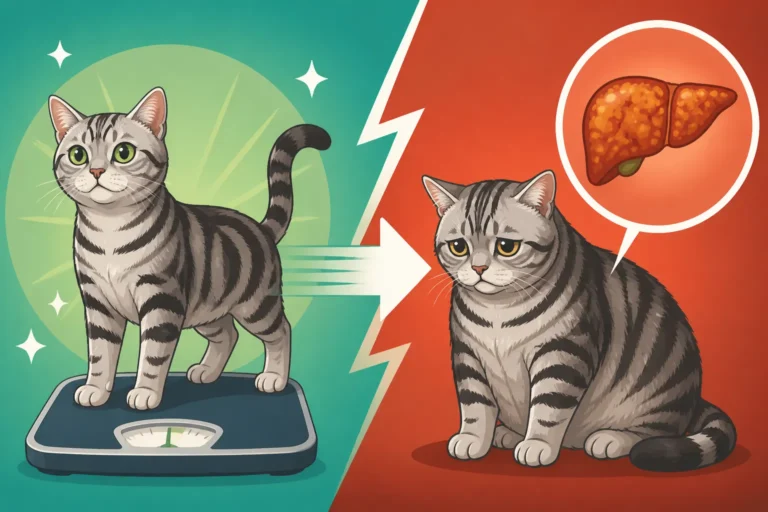
- Obesity: Because American Shorthairs historically earned their meals by hunting, they can have a strong appetite. Coupled with an indoor lifestyle, this makes them prone to weight gain. This isn't a genetic disease, but it's a significant health risk that can lead to diabetes, arthritis, and heart strain. Check out Why Indoor Life Made the American Shorthair Fat for more insights.
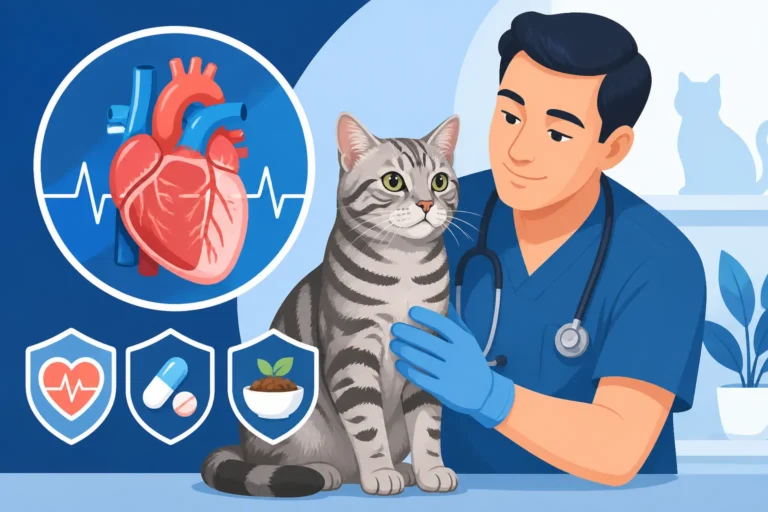
- Hypertrophic Cardiomyopathy (HCM): While significantly less common in American Shorthairs than in some other popular breeds like Maine Coons or Ragdolls, HCM is still the most prevalent heart disease in cats overall. It involves a thickening of the heart muscle. It's why Why an American Shorthair Still Needs a Yearly Heart Scan can be a sensible proactive measure, especially for breeding cats or those with any suspicious symptoms.
- Kidney Disease: As cats age, kidney function can decline. This is a general aging process, not breed-specific, but something all long-lived cats like the American Shorthair will eventually face. How Kidney Disease Creeps Up on an Old American Shorthair provides valuable information on recognizing early signs.
- Urinary Tract Issues: Especially in male cats, urinary blockages can be a serious, life-threatening emergency. Staying hydrated and a proper diet can help prevent these. Why a Male American Shorthair's Urethra Blocks First explains the anatomical reasons behind this risk.
Knowing these general risks means you're already covering most bases, regardless of whether you have a certified pedigree or a beloved rescue with a mysterious past.
Practical Steps for Assessing and Managing a Rescue's Health
When you welcome a rescue American Shorthair into your home, your primary focus shifts from their unknown past to their immediate present and future well-being. The good news is that with a proactive approach and a good veterinary partnership, you can establish a comprehensive health profile and address any emerging concerns.
Your Initial Vet Visit: Establishing a Baseline
The very first and most crucial step after bringing your rescue home is a thorough veterinary check-up. This isn't just a basic wellness exam; it's about establishing a health baseline when you don't have previous records. Your vet will perform a complete physical examination, checking their eyes, ears, teeth, coat condition, and muscle mass. They'll listen to their heart and lungs, palpate their abdomen, and check for any lumps, bumps, or signs of discomfort.
Be prepared to discuss any observations you've made since bringing your cat home – their appetite, litter box habits, energy levels, and any quirks. The vet might recommend a series of tests, such as:
- Fecal Exam: To check for intestinal parasites, which are common in rescue animals.
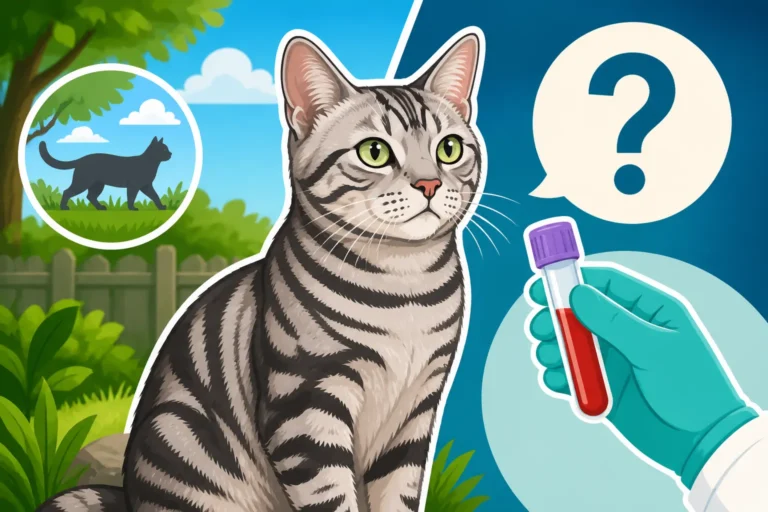
- Bloodwork (CBC and Chemistry Panel): This gives a snapshot of organ function, red and white blood cell counts, and can indicate underlying infections or other systemic issues. It's often the first step in understanding Which Blood Values Matter Most in an American Shorthair.
- Urinalysis: To assess kidney function and check for urinary tract infections or crystals.
- FIV/FeLV Test: Feline Immunodeficiency Virus and Feline Leukemia Virus are infectious diseases that can significantly impact a cat's health and lifespan. Knowing their status is vital for their care and for the safety of any other cats in your household.
- Microchip Scan: To ensure they aren't already registered to a previous owner, which is a key part of responsible rescue.
This initial battery of tests, while an investment, gives you invaluable information and peace of mind. Many pet insurance providers, like Healthy Paws, recognize the value of these early diagnostics and can help alleviate the financial stress if significant issues are discovered, or for any unexpected accidents or illnesses that arise down the line.
Addressing Specific Concerns Without a History
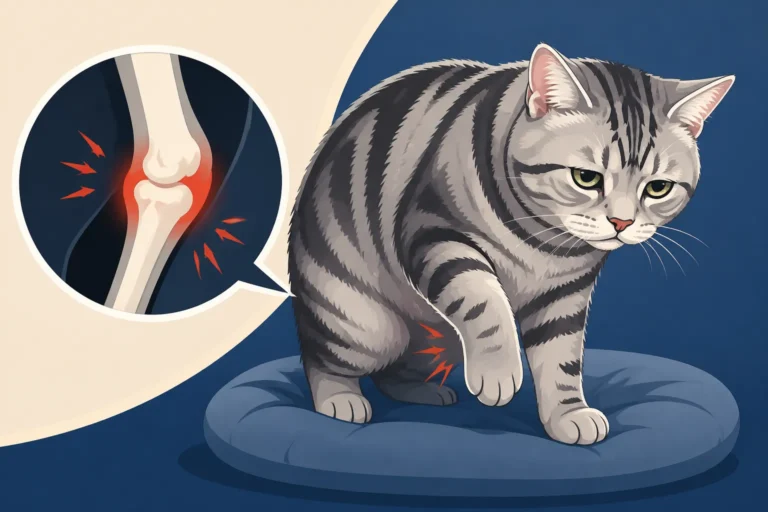
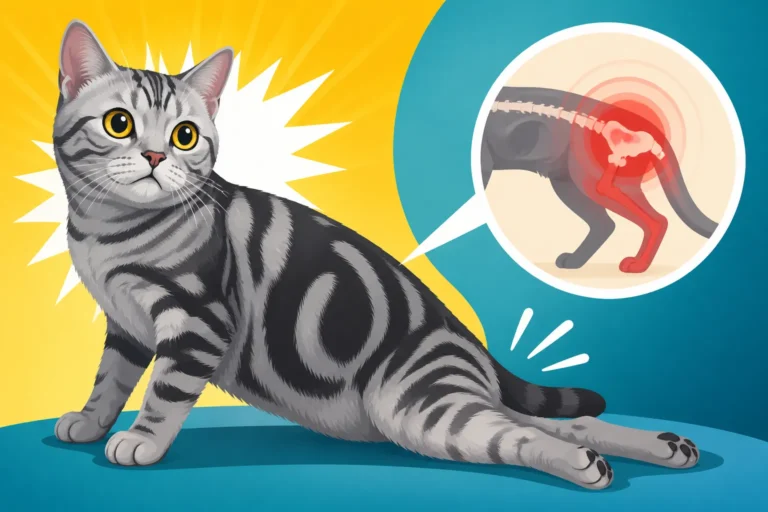
What if the vet finds something concerning? This is where your vet's expertise becomes paramount. Without a detailed history, they will rely heavily on diagnostic tools and their clinical experience. For instance, if a heart murmur is detected, they might recommend an echocardiogram (an ultrasound of the heart) to determine if it's benign or indicative of an underlying condition like HCM. If your rescue cat shows signs of stiffness or limping, X-rays might be needed to assess their joints, especially their hips, as American Shorthairs are robust, but can still experience joint issues. Knowing How a Vet Assesses an American Shorthair's Hips can help you understand the process.
The key is not to panic about the missing history but to focus on current symptoms and diagnostic results. Your vet will guide you through the process, prioritizing the most likely or urgent issues first. Remember, even with a comprehensive history, some conditions only manifest later in life or can be acquired unexpectedly. The absence of a history simply means you start with a thorough investigation rather than building on previous data.
Here’s a useful table summarizing initial vet checks and their importance for a rescue American Shorthair:
| Vet Check | Purpose | Why it matters for a rescue American Shorthair |
|---|---|---|
| Full Physical Exam | Overall health assessment (eyes, ears, teeth, coat, heart, lungs, abdomen, palpation for lumps). | Establishes current health status; identifies immediate concerns like dental disease, ear mites, or heart murmurs, especially without prior records. |
| Fecal Exam | Checks for intestinal parasites (worms, giardia, coccidia). | Rescue cats, particularly those from unknown outdoor environments, are more prone to parasites. Crucial for treatment and preventing spread. |
| Bloodwork (CBC & Chem) | Evaluates organ function (kidneys, liver), blood sugar, and screens for infection, inflammation, or anemia. | Provides a vital baseline of internal health, helping to detect early signs of conditions like kidney disease or diabetes that might be present without external symptoms. |
| Urinalysis | Assesses kidney function, checks for urinary tract infections, crystals, or bladder stones. | Important for overall kidney and bladder health, especially in male cats prone to blockages, or older cats where kidney function might be declining. |
| FIV/FeLV Test | Screens for Feline Immunodeficiency Virus and Feline Leukemia Virus, which are serious viral infections. | Essential for understanding their long-term prognosis and for managing potential risks to other cats in the home. Many rescues have unknown exposure history. |
| Microchip Scan | Checks for existing microchip registration. | Confirms ownership status and helps ensure the cat isn't lost or stolen from another family. |
| Dental Check | Assesses gum and tooth health, looking for plaque, tartar, gingivitis, or tooth resorption. | Dental disease is extremely common and painful in cats. Early assessment allows for preventative care or intervention. |
Building a Healthy Future for Your Rescue American Shorthair
Once you've had that initial vet check and addressed any immediate concerns, the focus shifts to ongoing care. The good news is that caring for a rescue American Shorthair is largely the same as caring for one with a documented pedigree. It's about consistent, attentive daily care tailored to their individual needs.
Consistent Care and Regular Vet Visits
The best way to compensate for a missing history is to be diligent with their present and future care. This means regular wellness check-ups – typically once a year for adult cats and more frequently for seniors. These visits allow your vet to monitor any changes, catch potential issues early, and ensure vaccinations and parasite prevention are up to date. Remember, even a robust breed like the American Shorthair benefits immensely from consistent veterinary oversight. These regular checks are part of How Regularly a Healthy American Shorthair Still Needs Checking.
Pay close attention to your cat's behavior. Because American Shorthairs can be quite stoic and independent, they might hide signs of illness or discomfort for longer than other breeds. Any subtle change in appetite, litter box habits, activity level, or grooming routine warrants a call to your vet. This watchful eye from you is arguably more important than any historical document.
Nutrition, Environment, and Enrichment
A healthy American Shorthair thrives on a balanced diet appropriate for their age and activity level. Obesity is a real concern for this breed, so carefully portioned meals are crucial. You might find that Portioning for an American Shorthair That Once Worked for Meals becomes a vital skill. Provide plenty of fresh water, and consider a water fountain if your cat isn't a big drinker.
Their environment also plays a huge role. Even if they were previously an outdoor cat, many American Shorthair owners opt for an indoor-only lifestyle to protect them from external dangers like traffic, fights, and parasites. If you choose this route, ensuring adequate enrichment – scratching posts, climbing opportunities, and interactive toys – is key to keeping their mousing instincts satisfied. You can read more about What an Indoor American Shorthair Does With a Mouser's Instinct for ideas. A secure catio can offer the best of both worlds, allowing them safe outdoor access.
Consider investing in pet insurance, like Healthy Paws, early on. While your American Shorthair may be generally healthy, having coverage for accidents and unexpected illnesses can provide significant peace of mind, especially with an unknown history. It ensures you won't have to make difficult decisions based on cost should a health issue arise.
Focusing on Their Future, Not Their Past
Ultimately, the most important thing for your rescue American Shorthair is the loving home you provide and the commitment you make to their well-being from this day forward. Their missing history is just that – history. It doesn't define their potential for a happy, healthy life with you. Many American Shorthairs, both pedigree and rescue, live long, fulfilling lives, often reaching The Fifteen to Twenty Years the American Shorthair Was Given.
By being observant, providing excellent veterinary care, feeding a healthy diet, and offering a stimulating environment, you are giving them everything they need to thrive. The bond you build will be based on trust, care, and unconditional love, which far outweighs any gap in their paperwork. Your rescue American Shorthair is a testament to resilience, and you have the wonderful opportunity to write their healthy, happy future together.
Disclaimer
This article is for general informational purposes only and does not constitute professional advice. Laws, prices and regulations vary by location and change over time. Consult a qualified professional for guidance on your specific situation.