Whether the American Shorthair Carries PKD From Old Outcrosses
It's completely natural to feel a knot of worry in your stomach when you hear about inherited diseases in any beloved pet, and when it comes to the American Shorthair, a breed known for its robust health, questions about potential genetic vulnerabilities can be particularly unsettling. You might wonder if their long and storied past, including any historical outcrossings, could have introduced unforeseen health challenges like Polycystic Kidney Disease (PKD). This guide will thoroughly explore the American Shorthair's genetic landscape, addressing whether PKD is a genuine concern stemming from their ancestry and what that means for you as an owner or prospective owner.
Understanding Polycystic Kidney Disease
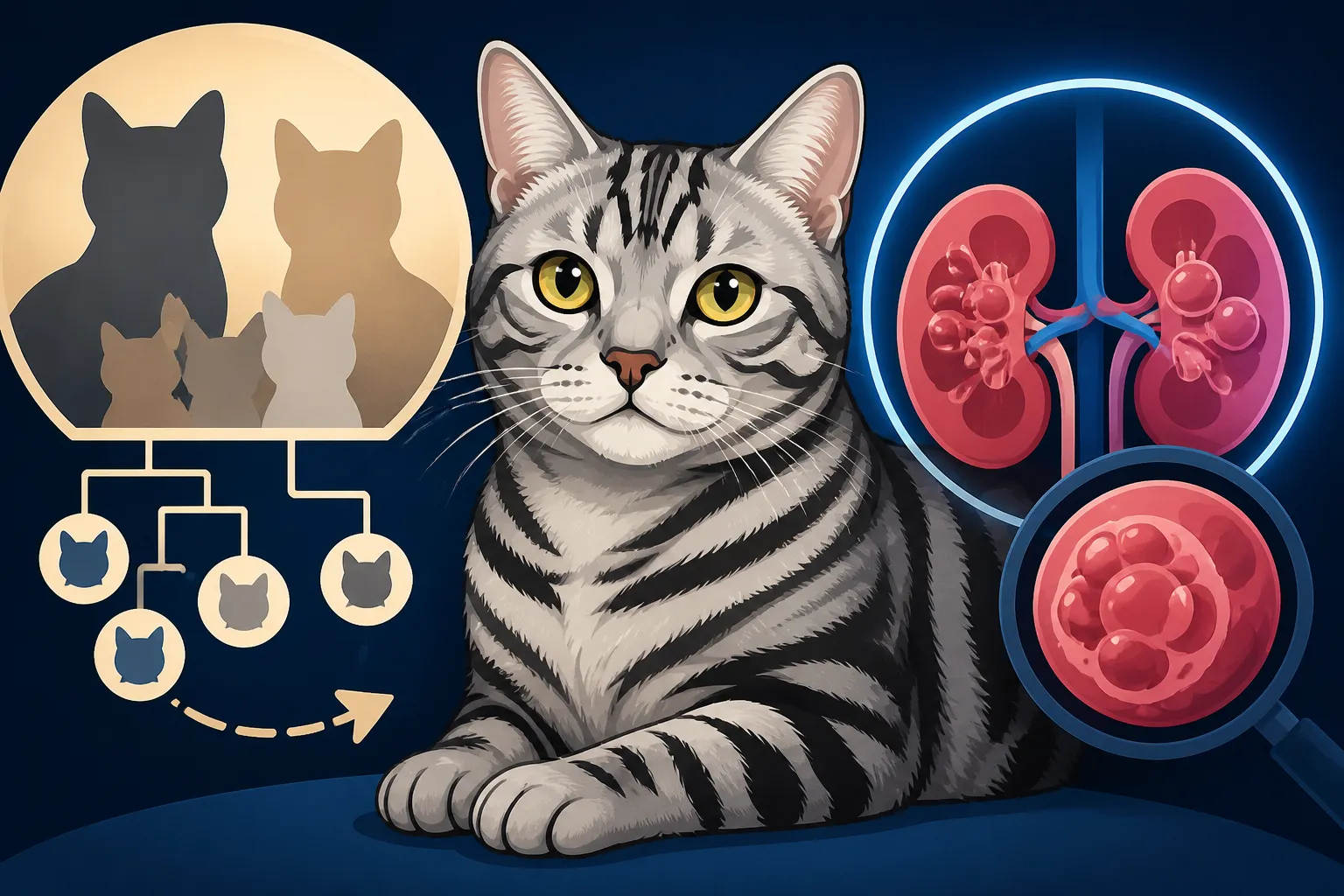
Polycystic Kidney Disease, often simply called PKD, is one of those scary phrases that no pet owner ever wants to hear. It's an inherited condition where fluid-filled cysts develop in the kidneys, and sometimes in other organs like the liver or pancreas. Initially, these cysts are tiny and don't cause problems, but over time, they grow in size and number, eventually crowding out healthy kidney tissue and leading to kidney failure. It’s a progressive disease, meaning it gets worse with age, and sadly, there's no cure. Management focuses on slowing its progression and alleviating symptoms.
The reality of PKD is that it can creep up slowly, with cats often showing no signs until the disease is quite advanced. This makes it especially insidious. Symptoms can be vague at first, mirroring other kidney issues: increased thirst, frequent urination, weight loss, lethargy, and sometimes vomiting. For breeds known to carry PKD, vigilant screening is paramount, as early diagnosis can sometimes allow for interventions that improve quality of life, even if they can't stop the disease entirely.
What PKD Is and Why It Matters
PKD is caused by a dominant gene, which means a cat only needs to inherit one copy of the faulty gene from either parent to develop the condition. If a cat has two copies, it's generally considered lethal in utero. This mode of inheritance is critical because it means that if even one parent has the gene, there's a 50% chance each kitten will inherit it. This highlights why responsible breeding practices, including genetic testing, are so crucial. The cysts themselves start forming even before birth, but their growth rate varies. Some cats may live a relatively normal lifespan before kidney function is severely impacted, while others might show signs of kidney failure much earlier, sometimes even in their youth. The unpredictability of its progression adds another layer of anxiety for owners.
Beyond the direct impact on the kidneys, severe PKD can also increase the risk of secondary infections and other complications. Imagine your cat feeling constantly unwell, hiding pain because of their stoic nature, or slowly losing their vibrant energy. It's a heartbreaking prospect, and understanding the disease empowers owners to be proactive about their pet's health. For instance, knowing what to look for and discussing potential risks with your veterinarian can lead to earlier detection of How Kidney Disease Creeps Up on an Old American Shorthair, giving you more time to manage the condition.
Breeds Most Affected by PKD
When we talk about PKD in cats, one breed immediately springs to mind: the Persian. Persians and breeds derived from them, like the Exotic Shorthair and Himalayan, have historically had a significant prevalence of PKD. This is largely due to the widespread presence of the PKD gene within their foundational lines. Thankfully, thanks to widespread genetic testing and responsible breeding efforts over the past few decades, the incidence of PKD in pedigreed Persians has drastically reduced. Many reputable breeders now routinely screen their breeding cats for the PKD1 gene mutation, effectively eliminating affected cats from their programs.
However, it’s not just Persians. Any breed that has historically been outcrossed to Persians, or has a close genetic relationship, could potentially carry the gene. This is why the question of whether an American Shorthair might carry PKD due to old outcrosses is a valid one. Owners of breeds with a known predisposition often seek out pet insurance plans from providers like Healthy Paws, which can offer significant relief from the financial burden of managing chronic conditions like kidney disease, should the unexpected occur. The good news is that the vast majority of other cat breeds, including the American Shorthair, typically have a very low or negligible incidence of PKD, suggesting it was not a pervasive issue in their lineage or has been successfully bred out.
The American Shorthair's Unique Genetic History and Outcrosses
The American Shorthair is a truly remarkable breed, rooted deeply in American history. Unlike many "designer" breeds, the American Shorthair's origins are much more humble and practical. They are descendants of working cats brought to North America by early European settlers, valued for their prowess as mousers. These were cats bred by necessity and natural selection, hardy and adaptable, surviving and thriving in a new world. This foundation as a "landrace" breed — meaning a local variety that has developed naturally within a specific region — is a key factor in Why the American Shorthair Is Used as a Health Benchmark.
For centuries, these cats were simply known as "domestic shorthairs" or "house cats." It wasn't until the late 19th and early 20th centuries that fanciers began to appreciate their unique qualities and sought to standardize them as a distinct breed. This push for formal recognition and selective breeding marks a turning point in their genetic history, moving them from random-bred working cats to a pedigreed breed with a standard.
Tracing the American Shorthair's Early Development
The formal development of the American Shorthair as a recognized breed began around the turn of the 20th century. Breeders wanted to preserve the robust, healthy, and functional qualities of these native North American cats. They aimed to create a specific type, emphasizing their strong build, classic tabby patterns (though many colors and patterns are accepted), and amiable temperament. Initially, the gene pool was relatively open, drawing from the best examples of the common domestic shorthaired cats found across the continent. This broad genetic base contributed significantly to the breed's overall health and genetic diversity, contrasting sharply with some breeds developed from a very small number of foundational cats.
This extensive gene pool meant that the American Shorthair inherently started with fewer genetic bottlenecks and a lower risk of inheriting recessive genetic conditions that can become prevalent in more narrowly bred lines. They were literally bred for survival and utility for generations before selective breeding for appearance began. This historical context is vital when considering any specific genetic disease, as it often dictates the baseline health of a breed. You can learn more about What an American Shorthair Pedigree Predicts About Health and how this historical robustness is reflected in their modern health.
Historical Outcrosses and the Introduction of New Genes
While the American Shorthair is celebrated for its natural health and broad genetic diversity, like many developing breeds, there were periods of strategic outcrossing to refine characteristics or introduce new traits. Historically, some breeders did use other pedigreed breeds, primarily for a short period in the mid-20th century, to try and achieve specific looks or improve certain aspects of the breed's conformation as defined by the emerging show standards. For example, some might have considered using British Shorthairs to enhance the roundness of the head or body, or even Persians to improve coat density or eye shape, although the extent of Persian outcrossing specifically for the American Shorthair remains a debated point and was certainly not widespread or long-lasting.
It is these historical outcrosses that raise the question about the introduction of genes for conditions like PKD. If, hypothetically, an American Shorthair line was outcrossed to a Persian or a related breed before PKD testing became common, there was a theoretical possibility of introducing the PKD gene into that specific lineage. However, it's crucial to understand that such outcrosses, if they occurred, were generally limited, and the offspring would have then been selectively bred back to American Shorthair type, with breeders favoring healthy, vigorous animals. Any lines that showed signs of ill health would naturally have been culled from the breeding pool over time.
Assessing the Risk from Specific Outcrosses
The risk of an American Shorthair carrying PKD from old outcrosses is, in reality, extremely low to negligible. While it's theoretically possible that a very isolated line might have been exposed to the PKD gene through an outcross to an untested Persian ancestor many decades ago, such instances are not reflected in the breed's general health profile today. The major cat registries, like the CFA (Cat Fanciers' Association), maintain strict breeding standards and health guidelines for American Shorthairs, and PKD is not listed as a prevalent concern for the breed.
This low risk is a testament to the dedicated American Shorthair breeders who have prioritized health and vigor. They've consciously selected for robust, long-lived cats, implicitly breeding away from any inherited weaknesses that might have sporadically appeared. If PKD were a significant concern from these historical outcrosses, it would certainly be much more widely documented within breed health statistics and recommendations from breed clubs. This robust health is why The American Shorthair Is the Control Group of Cat Breeding in many veterinary and genetic studies.
The Current Consensus on PKD in American Shorthairs
When you look at the health landscape of the American Shorthair today, Polycystic Kidney Disease just doesn't feature prominently. This is excellent news for anyone who adores these dependable and affectionate cats. Veterinary specialists, breed clubs, and geneticists generally agree that the American Shorthair, as a breed, does not have a widespread predisposition to PKD. It's truly a rarity to encounter a registered American Shorthair diagnosed with this specific condition.
This isn't to say that kidney issues can never affect an American Shorthair – kidney disease is a common ailment in aging cats of all breeds. However, the hereditary form of PKD, caused by the dominant gene, is not considered a hallmark of the breed's health profile. This stands in stark contrast to breeds where PKD was once, or still is, a significant concern. The focus for American Shorthair health screenings is, quite rightly, directed elsewhere.
Low Incidence and Breed Health Programs
The low incidence of PKD in American Shorthairs is a direct reflection of several factors. Firstly, their broad genetic foundation naturally dilutes the impact of any single undesirable gene. Secondly, any historical outcrosses that could have introduced the PKD gene were likely either not to a breed carrying the gene, or the gene was effectively bred out through careful selection. Reputable American Shorthair breeders today prioritize health testing, not just for specific genetic conditions, but also through regular veterinary check-ups for their breeding stock. They are committed to maintaining the breed's reputation for resilience and longevity.
Breed clubs and associations encourage comprehensive health programs for their members. These programs often include recommendations for testing for conditions that are known to affect the breed, even rarely, and sharing health data to track trends. Because PKD is so uncommon in the breed, it typically isn't part of the routine genetic screening panels specifically recommended for American Shorthairs, unlike for Persians. This highlights that breed health concerns are dynamic and specific. For a deeper dive into what responsible breeders do, you can explore What an American Shorthair Breeder Should Have Screened.
How a Gene Test Cannot Clear an American Shorthair's Heart
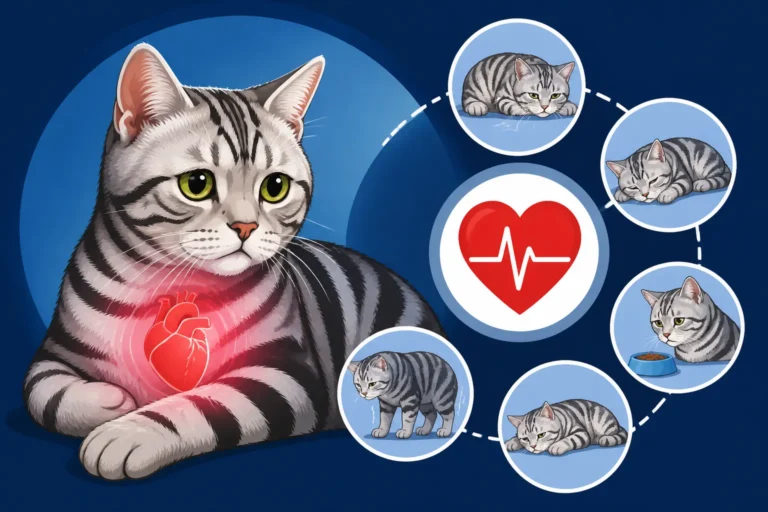
It's interesting to consider that while a gene test can effectively clear a cat of the PKD1 mutation, the same genetic clarity isn't always available or sufficient for other serious conditions. For instance, in the American Shorthair, the primary inherited health concern that responsible breeders focus on isn't PKD, but rather hypertrophic cardiomyopathy (HCM). HCM is a heart condition where the muscular walls of a cat's heart thicken, making it harder for the heart to pump blood effectively.
Unlike PKD, which has a specific gene test (PKD1) that can identify affected cats and carriers, HCM is a complex disease that often doesn't have a single, definitive gene test for all breeds or all forms of the disease. Even in breeds where an HCM gene mutation has been identified, it may not account for all cases of HCM. This means that for American Shorthairs, relying solely on a gene test for heart health isn't possible or advisable. This is a critical distinction that breeders and owners need to understand.
Why an American Shorthair Still Needs a Yearly Heart Scan
Given the complexities of HCM and the lack of a universal genetic test, responsible American Shorthair breeders and owners prioritize regular cardiac screenings through echocardiograms (heart ultrasounds). This is the gold standard for diagnosing HCM in living cats. An echocardiogram allows a board-certified veterinary cardiologist to directly visualize the heart's structure and function, identifying any thickening of the heart muscle. Even though How Rare HCM Is in an American Shorthair, it's still the most significant inherited health concern for the breed, making consistent screening essential.
These yearly heart scans are not just for breeding cats; they are also highly recommended for pet American Shorthairs, especially as they age. Early detection of HCM, even if a cat isn't showing symptoms, allows for monitoring and, in some cases, the initiation of medications that can help manage the condition and potentially improve their quality of life. This proactive approach underscores a commitment to the long-term well-being of these wonderful felines. For more information on this vital health measure, you can read Why an American Shorthair Still Needs a Yearly Heart Scan.
| Hereditary Disease | Affected Organ | Primary Mode of Diagnosis | Prevalence in American Shorthair | Prevalence in Persian (for comparison) |
|---|---|---|---|---|
| PKD (Polycystic Kidney Disease) | Kidneys | DNA genetic test, Ultrasound | Very Low / Negligible | Historically high, now decreasing due to testing |
| HCM (Hypertrophic Cardiomyopathy) | Heart | Echocardiogram (Heart Ultrasound) | Low, but main inherited concern | Moderate to high in some lines |
What Owners Should Know and Do
Bringing an American Shorthair into your home is a joyous occasion, and knowing that they are generally a very healthy breed can bring immense peace of mind. However, being a responsible cat parent means being proactive about their health, regardless of breed predisposition. Even with their reputation for being robust, every cat benefits from a thoughtful approach to care, proper nutrition, and regular veterinary attention.
Your role as an owner is to partner with your veterinarian and, if you're getting a kitten, choose a breeder who shares your commitment to health. This holistic approach ensures that your American Shorthair can truly live up to its potential for a long and healthy life, offering you years of companionship and joy.
Choosing a Reputable American Shorthair Breeder
The first and most impactful step you can take is to choose a reputable American Shorthair breeder. A good breeder is transparent about their cats' health, provides genetic testing results for conditions relevant to the breed (like HCM screenings), and prioritizes the health and temperament of their animals above all else. They will not only be able to assure you about the absence of PKD in their lines but will also be proactive about screening for other relevant conditions, like HCM. They should provide documentation of heart scans for their breeding cats, showing that they are clear of HCM.
Don't be afraid to ask questions, lots of them! Inquire about the health history of the kitten's parents and even grandparents. A responsible breeder will welcome your questions and be eager to educate you. They should offer a health guarantee and be available for support throughout your cat's life. This upfront diligence is vital, as it sets the stage for a lifetime of good health for your feline companion. You can find excellent advice on How to Find an American Shorthair Breeder Worth Paying For to ensure you're making the best choice.
Regular Veterinary Check-ups and Early Detection
Even for a breed as naturally healthy as the American Shorthair, regular veterinary check-ups are non-negotiable. These routine visits are crucial for maintaining their overall well-being and for the early detection of any health issues, inherited or otherwise. While PKD is not a primary concern, your vet will always monitor kidney function as part of a general health panel, especially as your cat ages. This might include routine blood work and urinalysis, which can detect subtle changes in kidney health long before clinical signs become apparent.
These check-ups are also where your vet can assess your cat's heart health, listen for murmurs, and discuss the importance of follow-up care like echocardiograms if any concerns arise. They can also provide guidance on nutrition, weight management, and dental care, all of which contribute significantly to your American Shorthair's longevity. Remember, a stoic American Shorthair might not show obvious signs of discomfort until a condition is advanced, so regular professional eyes on them are vital.
Insurance Considerations for Breed-Specific Conditions
Even with the best breeding and diligent veterinary care, unexpected health issues can arise with any pet. This is where pet insurance can be an absolute lifesaver. While the American Shorthair is known for its robust health, meaning How Much Less an American Shorthair Owner Spends at the Vet compared to some other breeds, accidents and illnesses can still strike. A good pet insurance policy, such as those offered by Healthy Paws, can provide financial peace of mind, allowing you to make medical decisions based on what’s best for your cat, rather than what you can afford out-of-pocket.
When considering insurance, look for plans that cover accidents, illnesses, and ideally, chronic conditions. While PKD might not be a major concern, having coverage for potential issues like HCM, arthritis as they age, or unexpected injuries can be invaluable. Many policies allow you to customize your coverage to fit your budget and your cat's specific needs. For a long-lived breed like the American Shorthair, a comprehensive policy from a provider like Healthy Paws means you're prepared for whatever medical needs arise over their impressive lifespan, ensuring they receive the best care without financial strain.
Disclaimer
Please remember that the information provided in this guide is intended for general informational purposes only and does not constitute veterinary advice. While we strive to offer accurate and up-to-date content, it should not be used as a substitute for professional diagnosis, treatment, or advice from a qualified veterinarian. Always consult with your vet regarding any health concerns or before making any decisions about your pet's medical care.