What a Straining American Shorthair Needs Within Hours
There's almost nothing more terrifying for a cat owner than seeing their beloved American Shorthair repeatedly visit the litter box, straining with all their might, only for little to no urine to come out. It’s an immediate gut punch of worry, a silent scream for help from your stoic companion, and it demands immediate attention. This isn't a problem that can wait until morning; it’s a dire emergency that needs swift, decisive action to save your cat's life.
Recognizing the Red Flags of Urinary Trouble in Your American Shorthair
When your American Shorthair starts showing signs of urinary difficulty, it's not just a minor inconvenience; it's a blaring alarm bell for potentially life-threatening conditions. These aren't just quirks of behavior; they are desperate signals that something is seriously wrong within their urinary system. Ignoring them, even for a few hours, can have devastating consequences.
The Alarming Signs Beyond Just "Straining"
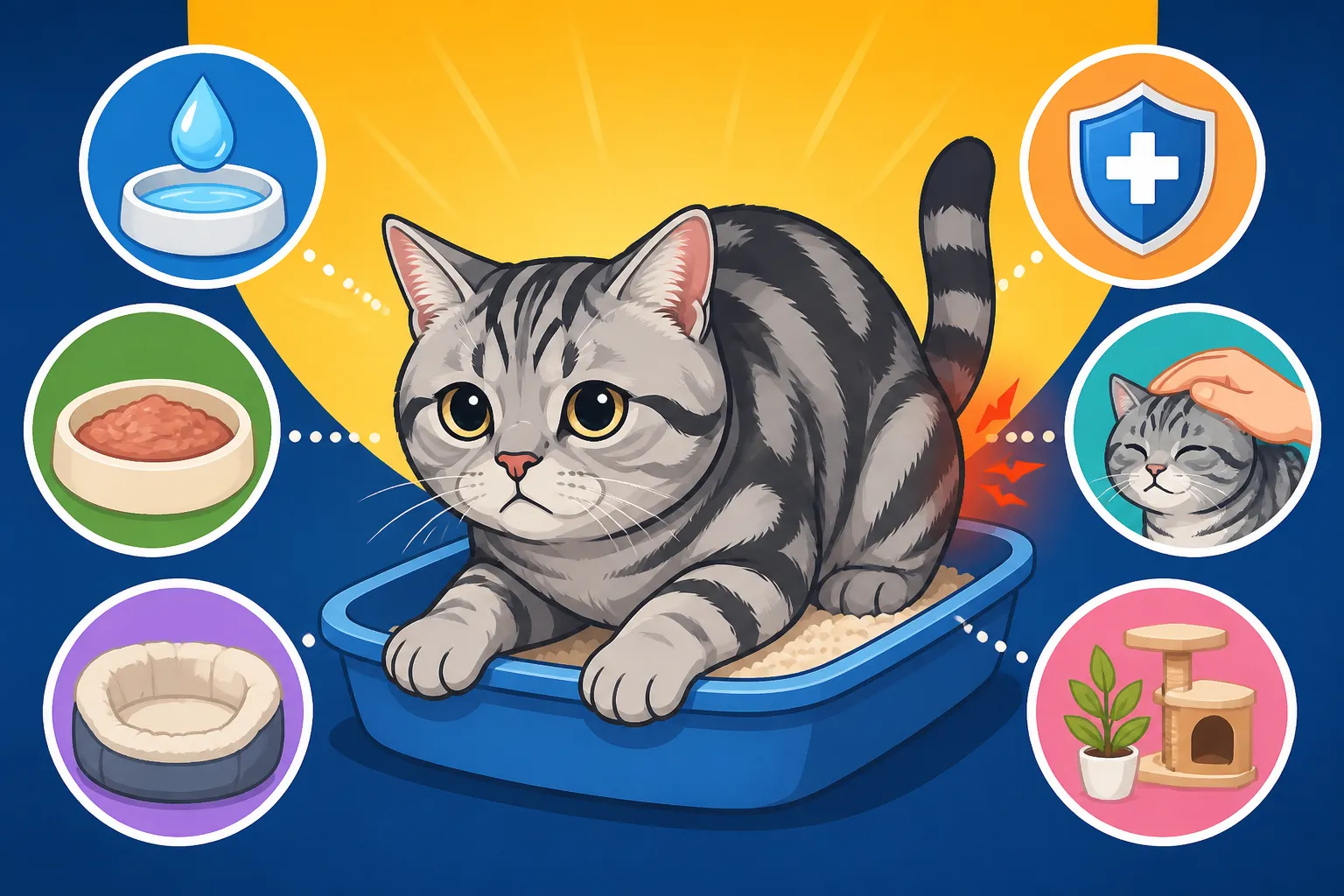
The most obvious sign, of course, is the straining itself, medically known as tenesmus. You might notice your American Shorthair making frequent trips to the litter box, assuming the classic squatting position, but producing only a few drops of urine, or sometimes nothing at all. They might remain in the box for an unusually long time, digging frantically, repositioning themselves, and even crying out in obvious pain or discomfort. It's heartbreaking to witness, and your immediate instinct to worry is absolutely valid. This isn't typical cat behavior; it’s a sign of significant distress.
Beyond just the straining, keep an eye out for other, more subtle indicators that your cat is in trouble. Is your normally active American Shorthair suddenly lethargic, withdrawn, or hiding in unusual spots? Have they lost their appetite, refusing their favorite treats or meals? You might even see vomiting, which can be a sign of toxin buildup if their kidneys are struggling due to a blockage. Excessive licking of their genital area is another strong clue, indicating irritation or discomfort. Sometimes, you might even notice blood in the urine, if any urine is passed at all. Any combination of these symptoms, especially paired with straining, necessitates an emergency vet visit.
Why Male American Shorthairs Are Especially at Risk
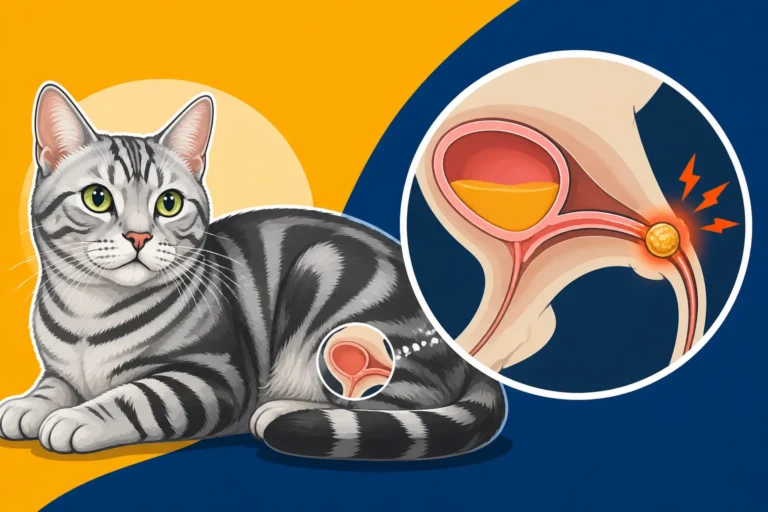
While any cat can experience urinary issues, male American Shorthairs face a particularly high risk of developing a life-threatening condition called urethral obstruction, often referred to as a "blocked cat." This anatomical predisposition is rooted in their biology: the male urethra, the tube that carries urine from the bladder out of the body, is significantly narrower and longer than a female's. This makes it far more susceptible to becoming completely blocked by tiny crystals, urinary stones, cellular debris, or even a thick mucous plug.
When this blockage occurs, urine cannot exit the bladder. Imagine a balloon filling up, with no way to release its contents. The bladder becomes increasingly distended and painful, leading to acute kidney injury and a rapid buildup of toxins in the bloodstream, such as potassium and urea. If not relieved promptly, this can lead to severe metabolic imbalances, cardiac arrest, and ultimately, death within 24 to 48 hours. This is why the urgency cannot be overstated for male cats exhibiting these symptoms. For more details on this specific vulnerability, you might find our article on Why a Male American Shorthair's Urethra Blocks First helpful. It's a cruel twist of feline anatomy that makes this a critical emergency.
The Critical First Steps When Your American Shorthair is Straining
When you notice your American Shorthair straining to urinate, the clock immediately starts ticking. This isn't a situation where you can afford to wait and see if things improve on their own. Every minute counts, and your swift action is what can make the difference between a full recovery and a tragic outcome.
Immediate Veterinary Intervention is Non-Negotiable
Let me be absolutely clear: if your American Shorthair is straining to urinate, especially if they are a male, you need to contact your veterinarian immediately. If it's after hours, head straight to your nearest emergency veterinary clinic. Do not pass go, do not collect $200. This is not something that can wait for a general appointment tomorrow. I cannot emphasize this enough: a blocked cat is a true emergency that requires intervention within hours, not days.
When you call, explain the situation clearly and calmly. Tell them your cat's breed (American Shorthair), age, sex, and precisely what symptoms you're observing: straining in the litter box, frequency of attempts, any vocalization of pain, whether any urine (or just drops) is being produced, and how long this has been going on. The more information you can provide, the better equipped the emergency team will be to prepare for your arrival. Resist the urge to try home remedies; while well-intentioned, these can delay crucial treatment and worsen your cat's condition.
What to Observe and Report to Your Vet
As you prepare to rush your American Shorthair to the vet, take a moment to observe specific details that will be incredibly helpful to the veterinary team. If your cat does manage to pass any urine, try to note its color – is it clear, cloudy, reddish (indicating blood)? How much is being passed each time? Is there a strong or unusual odor? Pay attention to how frequently they are attempting to urinate and if they are crying or making any other unusual sounds during these attempts.
Beyond the urinary signs, observe your cat's general demeanor. Are they still eating or drinking? Are they hiding more than usual? Have they been lethargic or vomiting? Any changes in their usual habits, diet, or litter preference could provide clues. Also, consider any recent stressors in the household – a new pet, a move, construction, or even a change in your routine – as stress can sometimes trigger urinary issues like Feline Idiopathic Cystitis. Being prepared to provide these detailed observations will allow the veterinary team to quickly form a picture of what's happening and expedite the diagnostic process.
Understanding the Veterinary Diagnosis and Emergency Treatment
Once you arrive at the clinic, the veterinary team will jump into action. Their priority is to quickly assess your American Shorthair's condition, diagnose the underlying cause of the straining, and initiate life-saving treatment if a blockage is present. This can be a very stressful time, but understanding what to expect can help you feel a bit more prepared.
How Vets Pinpoint the Problem Quickly
The first step will typically be a thorough physical examination. The vet will gently palpate your American Shorthair's abdomen, specifically checking the bladder. If it's firm, distended, and painful, it's a strong indicator of a blockage. They'll also assess vital signs like heart rate, respiratory rate, and temperature, as a severely blocked cat can quickly become systemically ill.
Next, a series of diagnostic tests will be performed to get a clearer picture. A urinalysis is crucial; if any urine can be obtained, it will be analyzed for the presence of crystals, bacteria, red blood cells, white blood cells, and to determine its pH. This helps identify the type of crystals (e.g., struvite or calcium oxalate) or if an infection is present. Blood work is also essential, especially for male cats suspected of being blocked. This can reveal elevated kidney values (BUN, creatinine), which indicate kidney distress, and critically, electrolyte imbalances like hyperkalemia (high potassium), which can lead to life-threatening heart arrhythmias.
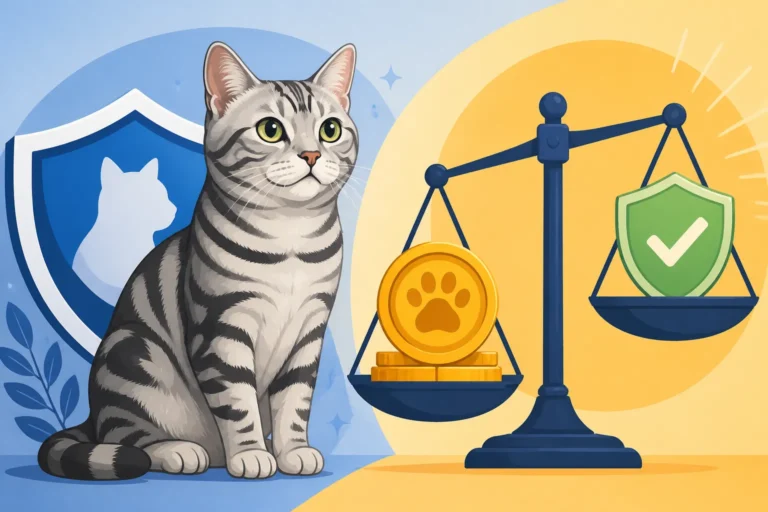
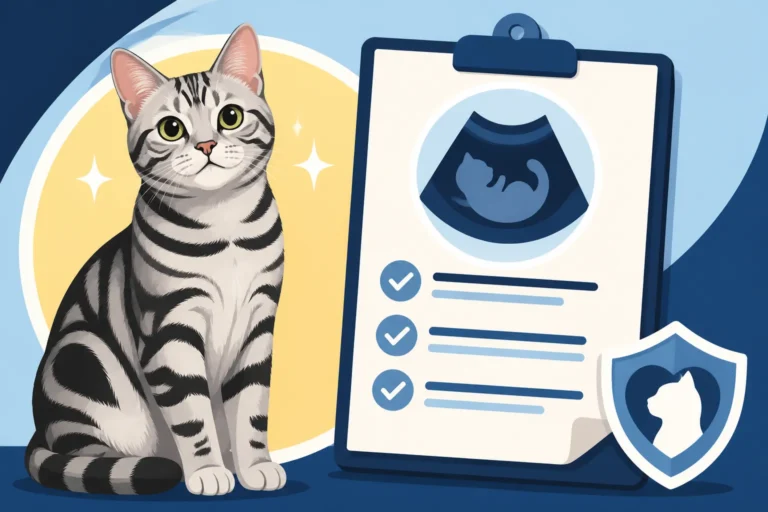
To visualize the urinary tract, X-rays or an ultrasound may be used. X-rays can detect certain types of bladder stones, while an ultrasound can show bladder wall thickening (often seen with inflammation or cystitis), sediment in the bladder, and sometimes even the exact location of a blockage. These tests are vital for tailoring the correct treatment plan. It’s important to remember that these emergency diagnostics and treatments can be quite costly, often running into hundreds or even thousands of dollars depending on the severity and duration of the blockage. This is precisely why many American Shorthair owners consider pet insurance from providers like Healthy Paws, as it can significantly ease the financial burden during such critical times.
Unblocking and Stabilizing Your American Shorthair
If your American Shorthair is confirmed to have a urethral obstruction, the immediate goal is to relieve the blockage. This is typically done through a procedure called catheterization. Your cat will be sedated or anesthetized to ensure they are comfortable and still. A urinary catheter is then carefully inserted into the urethra to flush out the obstruction and allow urine to flow freely from the bladder. This process often involves flushing saline solution to dislodge the plug. Once the catheter is in place, it's usually sutured to the cat and left in for a few days to allow the urethra to recover and prevent immediate re-blockage.
During this time, your American Shorthair will likely be hospitalized. Intravenous fluids will be administered to help flush the kidneys, correct dehydration, and address any electrolyte imbalances. Pain medication and anti-inflammatories will be given to manage discomfort and reduce inflammation in the urinary tract. Antibiotics might be prescribed if a bacterial infection is suspected or confirmed. While a blocked cat is a severe condition, the good news is that American Shorthairs generally handle anesthesia quite well, which is a small comfort during such a stressful event. Our article on Why an American Shorthair Is a Low Anesthetic Risk delves into this further.
In some severe or recurrent cases, especially if a cat experiences multiple blockages, a surgical procedure called a perineal urethrostomy (PU surgery) might be recommended. This surgery involves removing the narrowest part of the urethra, creating a wider opening that makes future blockages much less likely. This is usually considered a last resort but can be life-changing for cats with chronic issues.
Long-Term Management and Preventing Recurrence
Dealing with a urinary emergency is harrowing, but the journey doesn't end once your American Shorthair is unblocked and back home. The goal now shifts to preventing recurrence, which often involves significant changes in diet, environment, and ongoing monitoring. This proactive approach is key to ensuring your American Shorthair lives a long, healthy life free from future urinary distress.
Dietary Changes and Hydration for Urinary Health
One of the cornerstones of preventing future urinary issues, especially for cats prone to crystal or stone formation, is a prescription urinary diet. Your vet will likely recommend a specialized food designed to alter urine pH, dissolve existing crystals (like struvite), or prevent the formation of new ones (like calcium oxalate). Brands like Royal Canin Urinary SO or Hill's c/d are commonly prescribed. It's crucial to feed only this diet, avoiding any treats or other foods unless specifically approved by your vet, as even small amounts of unauthorized food can counteract the diet's effectiveness. For specific types of bladder stones your cat might form, you can learn more in Which Bladder Stones an American Shorthair Forms.
Another critical component is increasing your American Shorthair's water intake. For centuries, cats evolved to get most of their hydration from their prey, leading to a naturally low thirst drive. Dry kibble often doesn't provide enough moisture, so switching to a wet food diet, or at least incorporating more wet food, is highly recommended. You can also encourage drinking by providing multiple water bowls around the house, ensuring they are always clean and fresh, and even investing in a pet water fountain, as many cats prefer running water. Adding a tablespoon of water to their wet food can also boost hydration. Our guide on How Much Water Keeps an American Shorthair's Bladder Clear offers more tips on keeping your cat well-hydrated.
Environmental Enrichment and Stress Reduction
Beyond diet, managing stress and providing an enriching environment are vital, particularly if your American Shorthair's urinary issues are linked to Feline Idiopathic Cystitis (FIC), a condition often exacerbated by stress. Even a placid American Shorthair can be affected by stress cystitis, as discussed in Whether Stress Cystitis Affects a Placid American Shorthair. Cats thrive on routine and predictability. Minimize sudden changes to their environment or schedule as much as possible.
Ensure your American Shorthair has a clean, quiet, and accessible litter box. For a square-built cat like an American Shorthair, a standard box might feel cramped; a larger, uncovered box is often preferred. You can read more about selecting the right size in Which Litter Box Suits a Square Built American Shorthair. In multi-cat households, the general rule is one litter box per cat, plus one extra, to prevent competition and stress, as outlined in How Many Litter Boxes an American Shorthair Needs.
Provide plenty of opportunities for play, scratching, and climbing. Interactive toys that simulate hunting can reduce boredom and stress. Vertical space, such as cat trees or shelves, allows your American Shorthair to survey their territory from a safe vantage point, which is important for their mental well-being; our article How Much Vertical Space an American Shorthair Needs covers this in detail. Pheromone diffusers, like Feliway, can also help create a calming atmosphere. These measures collectively contribute to a happier, less stressed cat, which can directly impact their urinary health. Managing these ongoing aspects of care, including specialized diets and environmental aids, can become part of your regular budget. Pet insurance, like that offered by Healthy Paws, can often help cover the costs of prescription diets and follow-up care, making long-term management more manageable financially.
Regular Vet Check-ups and Monitoring
Even after your American Shorthair has recovered, ongoing veterinary care is critical. Your vet will recommend a schedule for follow-up appointments, often including repeat urinalysis to monitor urine pH and check for the reappearance of crystals. These check-ups are essential for detecting any problems early, before they escalate into another emergency. If a urinary diet becomes a permanent fixture in your cat's life, as discussed in Whether a Urinary Diet Becomes Permanent, your vet will monitor its effectiveness.
As American Shorthairs are known for their stoic nature, they can often hide signs of pain or discomfort for a long time, making it harder for owners to detect issues until they are advanced. This is why a limp in a stoic American Shorthair is never minor, and subtle changes in behavior could be serious. You can learn more about this tendency in Why a Stoic American Shorthair Hides Pain the Longest. Regular check-ups allow the vet to catch these subtle signs that you might miss. Maintaining open communication with your veterinary team and being vigilant for any changes in litter box habits, appetite, or demeanor are your best defenses against recurrence. The peace of mind that comes from knowing you have a comprehensive plan, supported by regular vet visits and potentially a reliable pet insurance plan from Healthy Paws, allows you to enjoy your resilient American Shorthair to the fullest.
| Symptom / Condition | Blocked Cat (Male) | UTI / Cystitis (Male/Female) | Bladder Stones (Male/Female) |
|---|---|---|---|
| Urgency | EXTREME EMERGENCY (Hours) | Urgent (Within 24-48 hours) | Urgent (Can lead to blockages) |
| Straining | Severe, frequent, little to no urine passed, painful | Frequent, small amounts, sometimes painful, can pass urine | Frequent, painful, blood in urine, can pass urine |
| Vocalization | Often crying, howling, distressed | Sometimes meowing, discomfort | Sometimes crying, discomfort |
| Lethargy/Appetite Loss | Common, severe if blocked for long | Possible, mild to moderate | Possible, mild to moderate |
| Vomiting | Common with prolonged blockage | Rare | Rare, unless secondary blockage occurs |
| Bladder Palpation | Firm, large, very painful | Small, soft, sometimes painful | Can be painful, sometimes feels gritty if stones are present |
| Treatment Focus | Unblocking, IV fluids, pain relief, monitoring | Antibiotics (if bacterial), anti-inflammatories, diet | Surgical removal (cystotomy), prescription diet, pain relief |
| Recurrence Risk | High if underlying cause not addressed | Moderate, especially if chronic or stress-related | Moderate to High if diet/lifestyle not managed |
Disclaimer
The information provided in this article is for general informational purposes only and is not a substitute for professional veterinary advice, diagnosis, or treatment. Always seek the immediate advice of your veterinarian or another qualified animal health provider with any questions you may have regarding a medical condition or emergency concerning your American Shorthair. Never disregard professional veterinary advice or delay in seeking it because of something you have read here.