How Often a Shorthaired American Shorthair Brings Up Fur
Finding a fur ball on your clean rug or, even worse, hearing that tell-tale gagging sound from your beloved feline can be incredibly unsettling and, let's be honest, a little gross. It's a common worry for many cat owners, especially with a cat as thoroughly self-sufficient and diligently grooming as an American Shorthair. This guide is here to shed some light on why even these short-coated beauties bring up fur, what's considered normal, and how you can help minimize the mess and discomfort for your furry family member.
Understanding the American Shorthair's Coat and Grooming Habits
It's easy to assume that because American Shorthairs don't have those luxurious, flowing locks of a Maine Coon or a Persian, they'd be immune to hairball woes. But that couldn't be further from the truth. These amazing cats are built for practicality, and their coats, though short, are incredibly dense and serve a purpose, which inevitably leads to shedding and, yes, fur ingestion.
The Double Coat and Seasonal Shedding
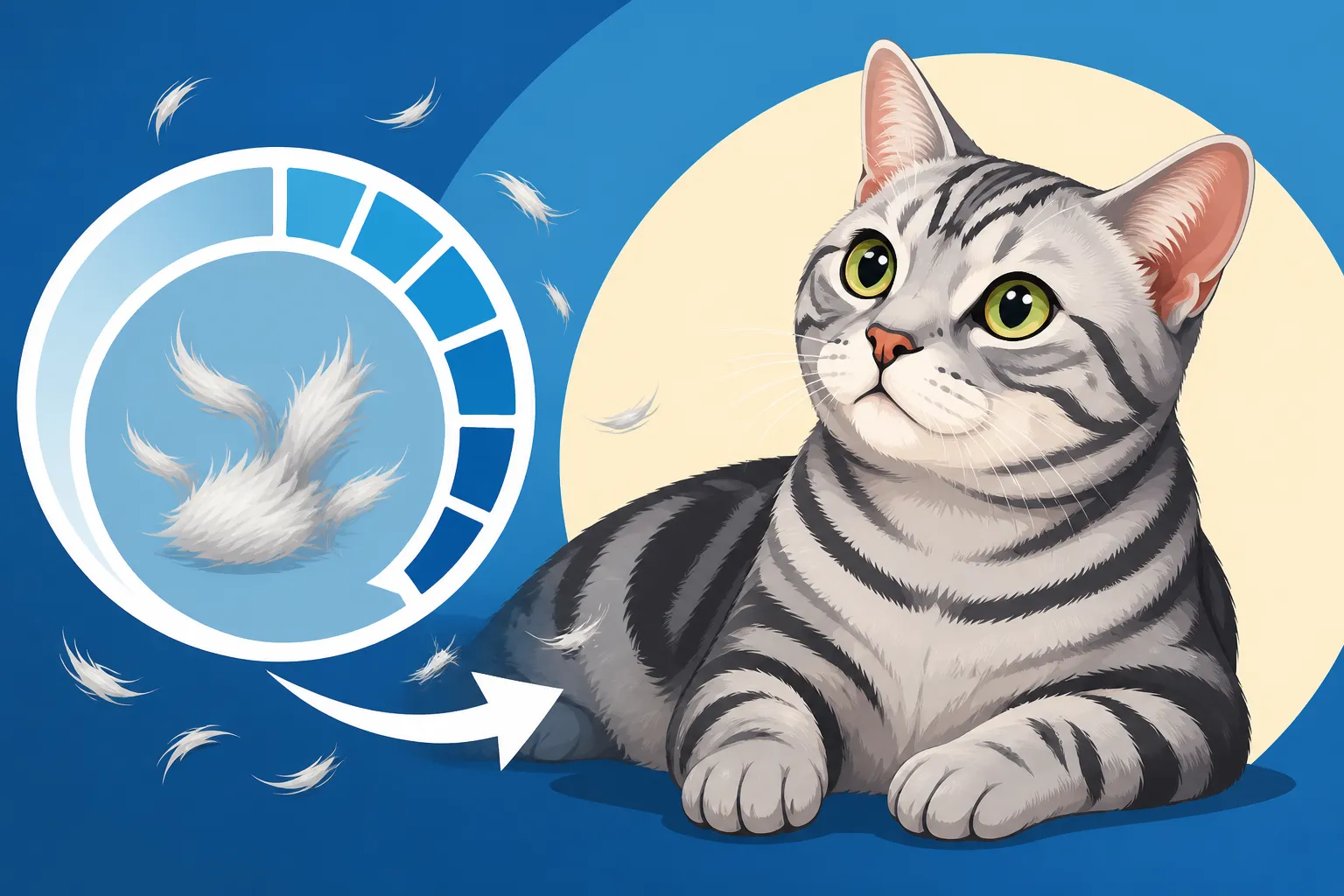
The American Shorthair possesses a short, thick, and somewhat hard coat that's surprisingly effective at repelling moisture and providing insulation, much like the working cats of old who needed protection from the elements. This isn't a fluffy, delicate coat; it's a hardy, functional one. Underneath those coarse guard hairs lies a dense undercoat that thickens considerably during colder months and thins out as the weather warms. This seasonal shedding, typically in spring and fall, means there's a significant amount of loose fur to be dealt with, even on a short-haired cat.
During these peak shedding periods, your American Shorthair is going to be pulling more loose hair from their coat during their regular grooming sessions. This isn't a flaw in their grooming; it's just the natural process of their coat adapting to the seasons, as detailed in our guide on How an American Shorthair's Coat Thickens Toward Winter. The sheer volume of hair they can shed can be surprising, and a good portion of that ends up in their digestive system.
The Natural Grooming Process
Cats are meticulous groomers, spending a significant portion of their waking hours keeping themselves spotless. It's a natural, instinctive behavior that keeps their fur clean, helps regulate body temperature, and distributes natural oils. The American Shorthair, with its strong, sturdy build, is no exception; they are champions of self-maintenance. Their tongues are covered in tiny, backward-facing barbs, much like miniature combs. These papillae are incredibly efficient at snagging loose fur, dirt, and debris from their coats.
While this grooming keeps them looking pristine, it also means that all that loose fur they pick up has nowhere else to go but down their throat. It's an unavoidable consequence of being a cat! Even if you comb them daily, they're still going to ingest some fur. It's part of their biological design, rooted in their long history as self-sufficient hunters and survivors. They literally groomed themselves better than any human ever could.
Factors Influencing Grooming Frequency
While grooming is instinctive, certain factors can influence just how much your American Shorthair grooms and, consequently, how much fur they ingest. For instance, cats who are feeling anxious or stressed might over-groom as a self-soothing mechanism. A new pet, a move to a different home, or even changes in the household routine can trigger this.
Similarly, underlying skin conditions like allergies, flea infestations, or fungal infections can cause excessive itching and licking, leading to more fur being swallowed. Environmental factors, such as very dry air or persistent dust, might also prompt more frequent grooming. Believe it or not, sometimes boredom can also play a role; a cat with insufficient mental or physical stimulation might groom more out of habit or lack of other things to do, highlighting the importance of What an Indoor American Shorthair Does With a Mouser's Instinct.
How Often is "Normal" for an American Shorthair to Bring Up Fur?
This is the million-dollar question for many cat parents. It's tough because "normal" isn't a one-size-fits-all answer. Every cat is an individual, even within the American Shorthair breed, and what's normal for one might be a concern for another. However, we can establish some general guidelines.
Defining a Normal Hairball Frequency
For a healthy American Shorthair, particularly one whose coat is regularly maintained through brushing, bringing up a hairball occasionally is considered normal. This might mean once every few weeks, or perhaps once a month, especially during peak shedding seasons like spring and fall. Some cats might go months without producing one, while others might have a more consistent schedule.
The key is that these occasional hairballs should be isolated incidents, not daily occurrences. Your cat should generally seem well, with a good appetite, normal energy levels, and no signs of distress before or after passing a hairball. If your American Shorthair is regularly shedding during Which Two Months an American Shorthair Sheds Hardest, you might see a slight increase in hairballs, which is often par for the course. It’s part of the life cycle of their robust, functional coat.
The Difference Between Hairballs and Vomit
It’s crucial to distinguish between a genuine hairball and other types of vomiting. A true hairball typically looks like a compact, cylindrical mass of fur, often moist from digestive fluids. It might be long and thin, resembling a small cigar, because it's been molded by passing through the esophagus. You'll clearly see strands of fur. This is the body's way of expelling indigestible material that has accumulated in the stomach.
On the other hand, if your cat is bringing up undigested food, bile, or foamy liquid without much or any fur, that's generally considered vomiting, and it warrants closer attention. While an occasional vomit might happen from eating too fast or a mild stomach upset, persistent vomiting that isn't primarily fur could indicate anything from dietary intolerance to more serious gastrointestinal issues.
When to Be Concerned: Red Flags to Watch For
While occasional hairballs are normal, there are definite red flags that should prompt a call to your veterinarian. If your American Shorthair is producing hairballs very frequently—say, multiple times a week or even daily—that's a sign something isn't quite right. It could indicate excessive grooming, a digestive issue, or that the hair isn't passing through their system efficiently.
Other warning signs include:
- Persistent Retching or Gagging without producing a hairball: This suggests a blockage or persistent irritation.
- Loss of Appetite or Weight Loss: If your cat isn't eating or is losing weight, it's a serious concern.
- Lethargy or Hiding: A sudden change in behavior, especially withdrawal or lack of energy, can signal illness.
- Constipation or Diarrhea: Any changes in bowel movements can be linked to digestive issues, potentially related to fur accumulation. This might be a sign of Why a Well Muscled American Shorthair Gets Constipated.
- Abdominal Pain or Bloating: If your cat's belly is tender or distended, seek immediate veterinary attention.
- Blood in Vomit or Stool: This is always an emergency.
If you observe any of these symptoms, don't wait. A prompt veterinary visit is essential. Cat health insurance providers like Healthy Paws can often help cover unexpected vet costs if a serious issue is diagnosed, providing peace of mind for sudden emergencies.
Strategies to Reduce Fur Balls in American Shorthairs
The good news is there are several proactive steps you can take to help your American Shorthair manage their fur ingestion and reduce the frequency and severity of hairballs. It's all about supporting their natural processes and minimizing the amount of loose fur they swallow.
Regular Brushing and Grooming Routines
This is hands-down the most effective way to manage hairballs. By regularly brushing your American Shorthair, you're doing the work for them, removing loose fur before they can ingest it. Aim for a few times a week, and certainly daily during those heavy shedding seasons.
For an American Shorthair's dense coat, a sturdy metal comb with both fine and coarse teeth can work wonders, getting down to the undercoat. Many owners also swear by deshedding tools like a Furminator or a simple rubber curry brush. Start with short, gentle sessions, especially if your cat isn't used to it. Positive reinforcement with treats and praise can make it a bonding experience. Remember, even a cat as self-sufficient as the American Shorthair can benefit from a little help with their coat, especially as they get older, which ties into understanding When an Old American Shorthair Needs Combing Help.
Dietary Adjustments and Supplements
What goes in often affects what comes out. Certain diets are specifically formulated to help cats pass ingested fur more easily. These "hairball control" foods often contain higher levels of fiber, which helps bind the fur and move it through the digestive tract. Brands like Royal Canin Hairball Care or Purina One Hairball Formula are readily available and can be very effective. Always transition your cat slowly to a new food to avoid upsetting their stomach.
Additionally, there are various supplements available. Many contain a mild laxative like petroleum jelly, which lubricates the digestive tract and helps fur slide through. Others might include psyllium husk or other fiber sources. You can find these in gel, paste, or treat form. Always consult your vet before introducing new supplements to ensure they are appropriate for your cat and don't interact with any existing medications or conditions.
Environmental Enrichment and Hydration
Believe it or not, a well-stimulated cat is often a healthier cat overall. Regular play sessions and environmental enrichment can indirectly help with hairball issues. Increased activity stimulates digestion and keeps their whole system moving efficiently. Provide opportunities for climbing, chasing, and "hunting" with wand toys that replicate their natural prey drive. Our guide on Play That Finishes the Hunting Sequence for an American Shorthair offers some fantastic ideas.
Hydration is also a critical, yet often overlooked, component of digestive health. Water helps keep things moving through the gut. Many cats don't drink enough water, especially if they are primarily on a dry kibble diet. Consider introducing wet food into their diet, which provides significant moisture. Water fountains can also encourage cats to drink more, as many prefer fresh, running water over a stagnant bowl. Ensure they always have access to multiple clean, fresh water sources.
Long-Term Health Considerations and Prevention
Understanding hairballs in your American Shorthair isn't just about cleaning up messes; it's about safeguarding their long-term health. While a common annoyance, frequent or severe hairballs can point to, or even cause, more significant health issues if left unaddressed.
The Link Between Hairballs and Gastrointestinal Health
When an American Shorthair ingests too much fur, it can accumulate in their stomach and, in severe cases, form an obstruction. These obstructions, known as trichobezoars, can be incredibly dangerous, leading to severe discomfort, loss of appetite, persistent vomiting, and even requiring surgical intervention. More commonly, excessive fur can just slow down digestion, leading to constipation or general gastrointestinal upset.
A healthy digestive system is crucial for your cat's overall well-being. Regular hairball management is not just a cosmetic concern; it's a vital part of maintaining their digestive health and preventing potentially serious complications. Keeping an eye on their stools and general demeanor can tell you a lot about what's happening internally.
The Role of Regular Vet Checks
Even if your American Shorthair seems perfectly healthy, regular veterinary check-ups are paramount. Your vet can not only provide personalized advice on hairball management but also detect any underlying health issues that might be contributing to excessive grooming or poor fur passage. Conditions like inflammatory bowel disease, certain food allergies, or even dental problems can sometimes manifest with increased hairball frequency. Understanding How Regularly a Healthy American Shorthair Still Needs Checking is key to preventive care.
During these visits, your vet can assess your cat's overall health, recommend specific diets or supplements, and rule out anything more serious. Investing in pet insurance, like a plan from Healthy Paws, can be incredibly beneficial for these routine check-ups and especially for unexpected health concerns. Knowing you have support for veterinary costs can empower you to seek care sooner, leading to better outcomes for your cherished American Shorthair.
Managing an Aging American Shorthair's Grooming Needs
As American Shorthairs age, their ability to meticulously groom themselves can decline. Arthritis, dental issues, or simply a decrease in flexibility might make it harder for them to reach all areas of their coat. This often means more loose fur remains on their body, increasing the amount they might ingest. Our guide on Caring for an American Shorthair Past Twelve delves deeper into these age-related changes.
For senior American Shorthairs, your active participation in their grooming routine becomes even more critical. Gentle daily brushing, careful monitoring of their coat condition, and providing soft, easily digestible food can all help. If they seem to be struggling with pain, consult your vet; pain management can significantly improve their quality of life and ability to self-groom effectively.
| Hairball Frequency | Interpretation | Action Required |
|---|---|---|
| Once every few weeks to once a month | Normal, especially during shedding season. | Continue regular brushing and monitoring. |
| Multiple times a week | Potentially concerning. | Increase brushing, review diet, consider supplements. Monitor closely. |
| Daily, with retching/gagging | Concerning, may indicate digestive issue or blockage. | Immediate vet visit. |
| Vomiting without fur | Not a hairball issue, but may indicate other illness. | Observe other symptoms; vet visit if persistent or accompanied by other signs of illness. |
| Any frequency with lethargy, loss of appetite, constipation, pain, or blood | Serious concern. | Immediate vet visit. |
Disclaimer
This article is intended for informational purposes only and does not constitute veterinary advice. Always consult with a qualified veterinarian for any health concerns or before making any decisions about your pet's care or treatment.