How to Tell an American Shorthair’s Stiffness From Middle Age
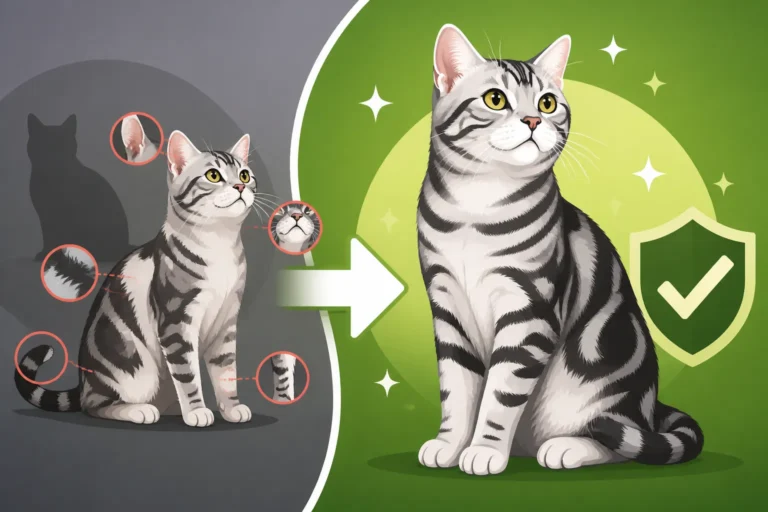
It can be incredibly disheartening, and frankly, just plain confusing, to watch your beloved American Shorthair start to slow down. One day they're scaling the cat tree like a miniature mountain lion, the next they're hesitating before jumping onto the sofa. Is it just the natural march of time, or is there something more significant, like underlying pain or discomfort, contributing to their stiffness? This guide aims to help you differentiate between the subtle signs of typical middle-age slowdown and the indicators that suggest your furry family member might need a little extra support.
Understanding Normal Aging in the American Shorthair
As our cherished American Shorthairs mature, it's perfectly normal to observe a gradual shift in their energy levels and physical capabilities. They don't stay spry kittens forever, much to our wistful sighs. For a breed that historically served as working cats, keeping barns and ships free of rodents, their metabolism and activity levels were once inherently high. While most modern American Shorthairs enjoy a comfortable indoor life, this genetic predisposition for activity means that changes related to aging can sometimes be more noticeable.
The Natural Slowdown
One of the first things many owners notice is a general reduction in zest. Your cat might sleep a bit more, and those explosive bursts of energy that characterized their youth become less frequent. This isn't necessarily a sign of pain; it's often just a natural decrease in their metabolic rate and overall stamina. Think of it like us humans getting a little more tired after a long day than we did in our twenties. Their muscle mass might slightly decrease, even if they maintain a healthy weight, which can make powerful jumps or quick sprints a bit less effortless.
This slowdown can also manifest as less intense play sessions. Instead of 20 minutes of vigorous chasing, they might be satisfied with 5-10 minutes of gentle bat-and-pounce. It’s not that they can't play; it's that their capacity for sustained, high-intensity activity naturally wanes. For many American Shorthairs, their "senior" years might even begin earlier than you expect, especially for those that were once very active. Understanding When a Working Bred American Shorthair Counts as Senior can help you set realistic expectations for your pet's activity levels as they mature.
Subtle Behavioral Shifts
Beyond just physical slowing, you might observe subtle shifts in your American Shorthair's daily routine and interactions. They might still jump to their favorite perch on the windowsill, but they might take a moment longer to gather themselves, or perhaps use an intermediate step they previously ignored. Instead of leaping straight onto your lap, they might opt for a spot right next to you, still close for affection but without the energetic climb. This isn't necessarily indicating pain, but rather a preference for comfort and ease.
You might also notice them spending more time in quieter, easily accessible spots, or engaging in fewer elaborate acrobatic feats. They might still enjoy watching the birds outside, but the frantic swishing of their tail might be replaced by a more contemplative gaze. These are often simply age-related changes. Cats are creatures of habit, and as they age, they tend to optimize their energy, choosing the path of least resistance. You might find them spending more time simply observing their territory, rather than actively patrolling it. For a more detailed look into their resting habits, consider reading about How Much an American Shorthair Sleeps.
Recognizing Stiffness and Pain Signals
While some slowdown is normal, it's crucial to be able to distinguish between an age-related decrease in energy and actual discomfort or pain. American Shorthairs, like many cats, are incredibly stoic creatures. They are masters at hiding pain, an instinctual holdover from their wild ancestors who wouldn't want to appear vulnerable to predators. This means we, as their guardians, need to be extra vigilant and perceptive to catch the subtle cues they do offer.
Physical Indicators of Discomfort
When pain is involved, the signs usually go beyond just a general slowdown. Look for hesitation before performing actions they once did effortlessly. This could be a pause before jumping up or down, or a reluctance to stretch out fully. You might notice a change in their gait, perhaps a subtle limp or an uneven way of walking. Sometimes, they might seem "stiff" when getting up after a nap, taking a few awkward steps before settling into a smoother walk. This is a tell-tale sign that their joints are probably aching.
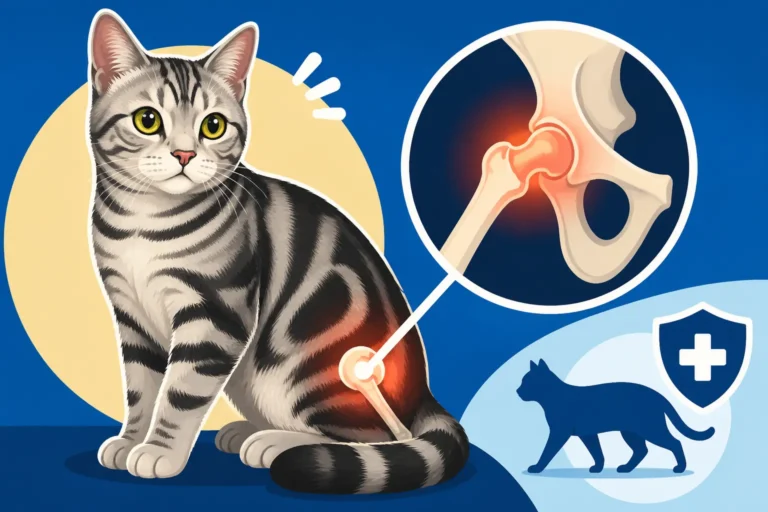
Grooming can also be affected. If your American Shorthair is struggling to reach certain spots, especially on their back or tail base, it could indicate spinal or hip pain. You might see a duller coat in those unreachable areas, or even mats forming. For a cat that prides itself on being meticulously clean, this is a significant red flag. They might also vocalize more than usual when touched in a particular area, or even flinch or pull away. Given that American Shorthairs are typically quiet, reserved cats, any new or increased vocalization related to movement or touch should be taken seriously. As discussed in Why a Limp in a Stoic American Shorthair Is Never Minor, even a slight limp can indicate substantial underlying pain for these resilient felines. More broadly, understanding How an Old American Shorthair Shows Its Joints Hurt can provide further insight.
Differentiating From Age-Related Slowness
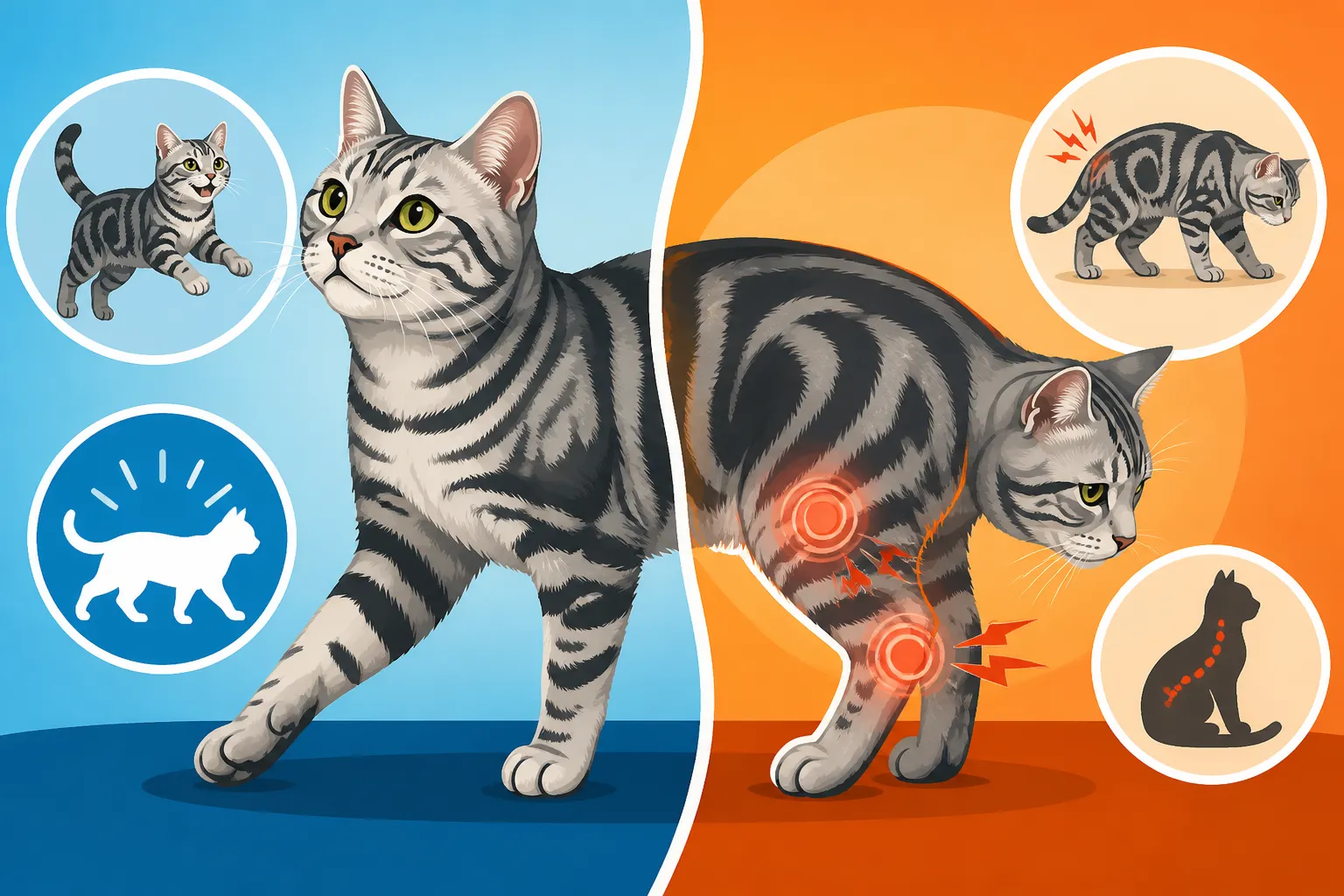
The key to distinguishing age from actual pain often lies in the quality of the movement and the presence of hesitation or avoidance. An older American Shorthair might jump onto the counter slowly, but their movement will still be fluid and confident. A cat with pain, however, might hesitate, adjust their footing multiple times, or even groan softly as they land. They might avoid jumping altogether if the pain is significant, choosing to stay on lower surfaces.
Consider their overall demeanor too. A cat merely slowing down with age will still generally be happy, alert, and engaged with their surroundings, even if their play is less vigorous. A cat in pain, however, might show subtle signs of irritability, become less tolerant of being handled, or even withdraw socially. They might seem generally "off." For example, if your previously meticulous American Shorthair struggles to groom its back, which is common in older, stiff cats, this is a sign. You might even find it helpful to learn Why an Overweight American Shorthair Cannot Reach Its Back as weight can exacerbate joint pain and grooming difficulties.
Here's a quick comparison to help you differentiate:
| Characteristic | Normal Aging / Middle Age Slowdown | Signs of Stiffness / Pain |
|---|---|---|
| Activity Level | Less energetic play, longer naps, general decrease in intensity. | Reluctance to move, avoids certain activities (jumping, climbing). |
| Movement Quality | Slower but generally fluid and confident. Uses intermediate steps. | Hesitation, stiffness, visible limping, awkward movements, trembling. |
| Jumping/Climbing | May take longer, use lower steps, but still capable. | Avoids jumping, cries out, struggles, or repeatedly fails to jump. |
| Grooming | Still fastidious, but may take longer. | Difficulty reaching certain areas (especially back), matted fur, greasy coat. |
| Behavior | Calm, content, still engaged with family and environment. | Irritability, withdrawal, hiding, avoids touch, increased vocalization (growling/hissing). |
| Appetite/Thirst | Usually normal, might eat slightly less due to reduced activity. | May decrease due to discomfort, changes in litter box habits. |
| Vocalization | Remains quiet, normal purring. | New or increased meowing/crying, especially when moving or touched. |
| Posture | Relaxed, comfortable. | Hunched, guarded, favors certain positions, struggles to get comfortable. |
When to Seek Veterinary Advice and What to Expect
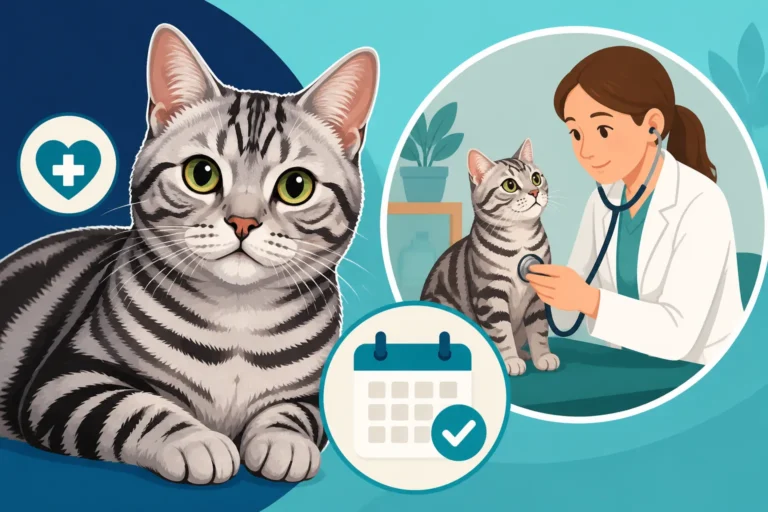
If you're noticing any of the signs of stiffness or pain, or even if you're just unsure, it's always best to consult your veterinarian. Early intervention can make a significant difference in your American Shorthair's quality of life. Don't wait until the pain is severe; remember their stoic nature.
Signs That Warrant an Immediate Vet Visit
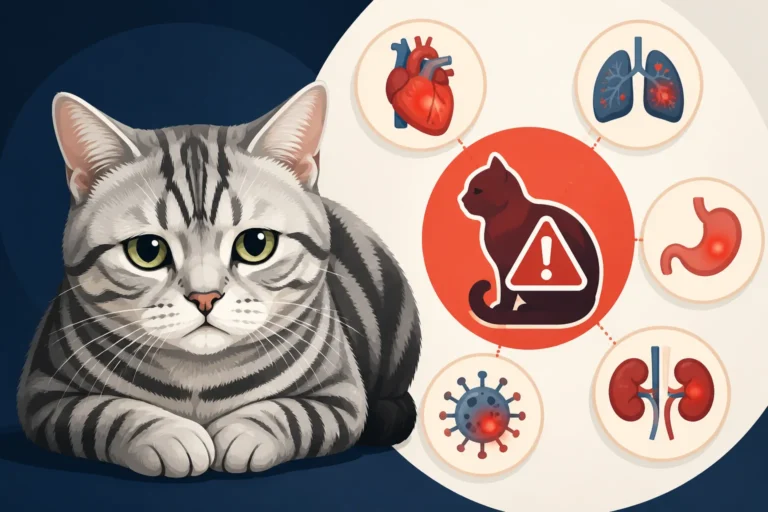
While all signs of pain should prompt a vet visit, some situations require more immediate attention. If your American Shorthair suddenly can't use their back legs, experiences sudden lameness, or starts crying out when attempting to move, these are emergencies. Similarly, if they become withdrawn, stop eating or drinking, or experience any sudden change in litter box habits alongside stiffness, seek prompt veterinary care. These could indicate more serious underlying conditions, not just simple aging. For comprehensive guidance on managing your cat's later years, Caring for an American Shorthair Past Twelve is an excellent resource, and it’s important to know What an American Shorthair Shows Before Its Heart Fails as cardiac issues can also manifest as reduced activity and weakness.
Even if the signs are subtle, it's better to be proactive. A simple check-up can either reassure you or identify a problem before it progresses. Many pet insurance providers, like Healthy Paws, emphasize preventive care, making it easier to afford these crucial early visits without financial stress.
Diagnostic Approaches and Management Options
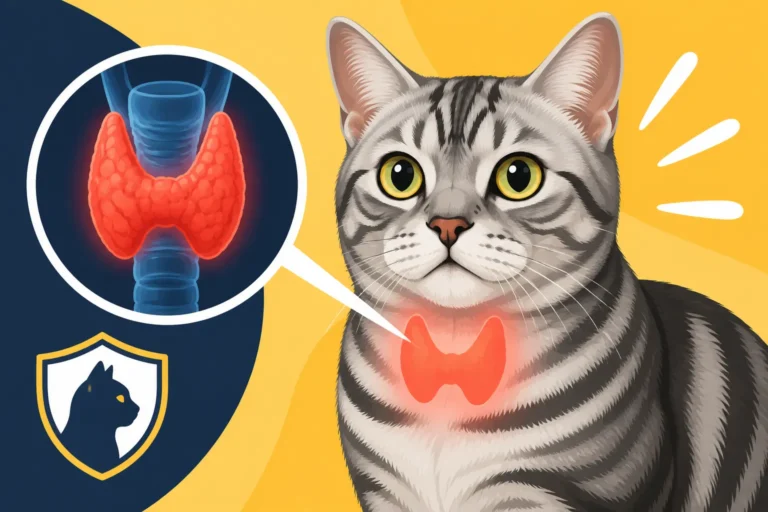
When you bring your American Shorthair to the vet with concerns about stiffness, the first step will be a thorough physical examination. Your vet will assess their gait, range of motion in their joints, and look for any signs of pain or tenderness. They might manipulate limbs gently to check for discomfort. Depending on what they find, they might recommend further diagnostics such as X-rays to look for signs of arthritis, disc disease, or other orthopedic issues. Bloodwork, like What an American Shorthair's Senior Panel Costs, is also commonly run to rule out other systemic diseases that could cause lethargy or weakness, such as kidney disease or hyperthyroidism, which are common in older cats. Your vet might even suggest specific imaging to fully understand How a Vet Assesses an American Shorthair's Hips if hip pain is suspected.
If pain or stiffness is diagnosed, there are many management options available. These can include:
- Pain Relief Medications: Non-steroidal anti-inflammatory drugs (NSAIDs) are commonly prescribed to reduce inflammation and pain. There are also newer medications specifically designed for feline osteoarthritis. It's truly a game-changer for many older cats, and exploring Whether Pain Relief Extends an American Shorthair's Active Years can highlight their benefits.
- Joint Supplements: Glucosamine, chondroitin, and omega-3 fatty acids can help support joint health and reduce inflammation.
- Weight Management: If your American Shorthair is overweight, even a few extra pounds can put significant strain on their joints. Your vet can help you devise a safe and effective weight loss plan. It's often astonishing how much an overweight cat's mobility improves once they reach a healthier weight. What an American Shorthair Should Weigh at Its Frame provides a good reference for healthy weight.
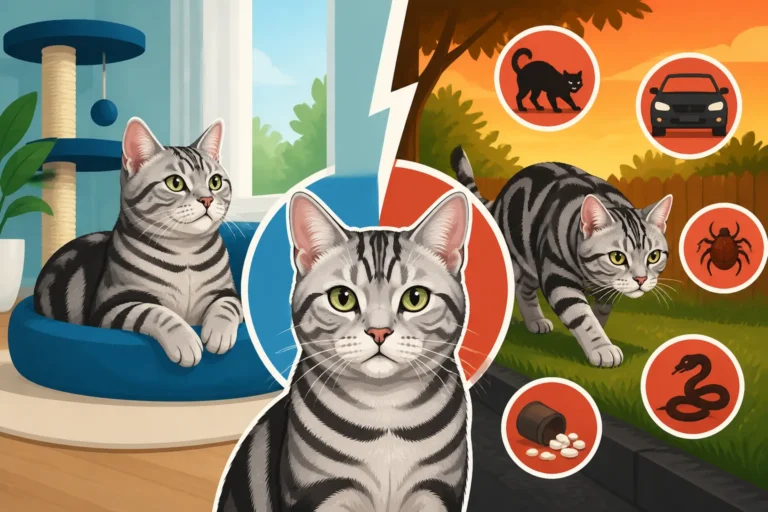
- Environmental Modifications: Making your home more senior-cat-friendly can greatly improve their comfort. This includes providing ramps or steps to favorite perches, comfortable orthopedic beds, and easily accessible litter boxes with lower sides.
- Physical Therapy: In some cases, your vet might recommend specific exercises or therapeutic modalities like laser therapy.
- Acupuncture: For some cats, acupuncture can be a beneficial complementary therapy for pain management.
Dealing with an aging cat can bring unexpected veterinary expenses. This is where a robust pet insurance plan, like those offered by Healthy Paws, can really make a difference, covering a significant portion of the costs for ongoing treatments and medications, allowing you to focus on your cat's comfort rather than the bill. While How Much Less an American Shorthair Owner Spends at the Vet might be true for healthy young cats, dealing with age-related conditions can change that rapidly. Understanding What an American Shorthair's Last Year Costs can help you prepare for the financial aspects of senior cat care. Similarly, recognizing Why an Old American Shorthair Loses Muscle First can help you understand the importance of early intervention and support to maintain their strength and mobility.
Disclaimer
The information provided in this guide is for general informational purposes only and does not constitute veterinary advice. Always consult with a qualified veterinarian for any health concerns or before making any decisions related to your pet's care.