Why a Dysplastic American Shorthair Should Not Be Bred From
It's heartbreaking to learn that your beloved American Shorthair, a breed often celebrated for its robust health and easygoing nature, might be facing a challenge like hip dysplasia. The discovery can be alarming, especially if you had hopes of breeding your cat, or if you're a responsible breeder striving to maintain the breed's integrity. This guide will walk you through why breeding a dysplastic American Shorthair is a serious concern, not just for the individual cat, but for the future health of the entire breed.
Understanding Hip Dysplasia in American Shorthairs
When we talk about hip dysplasia, most people immediately think of dogs, particularly larger breeds. However, this condition is unfortunately not exclusive to our canine friends and can affect cats, including the sturdy and well-muscled American Shorthair. It's a debilitating condition that can significantly impact a cat's quality of life.
What Exactly is Feline Hip Dysplasia?
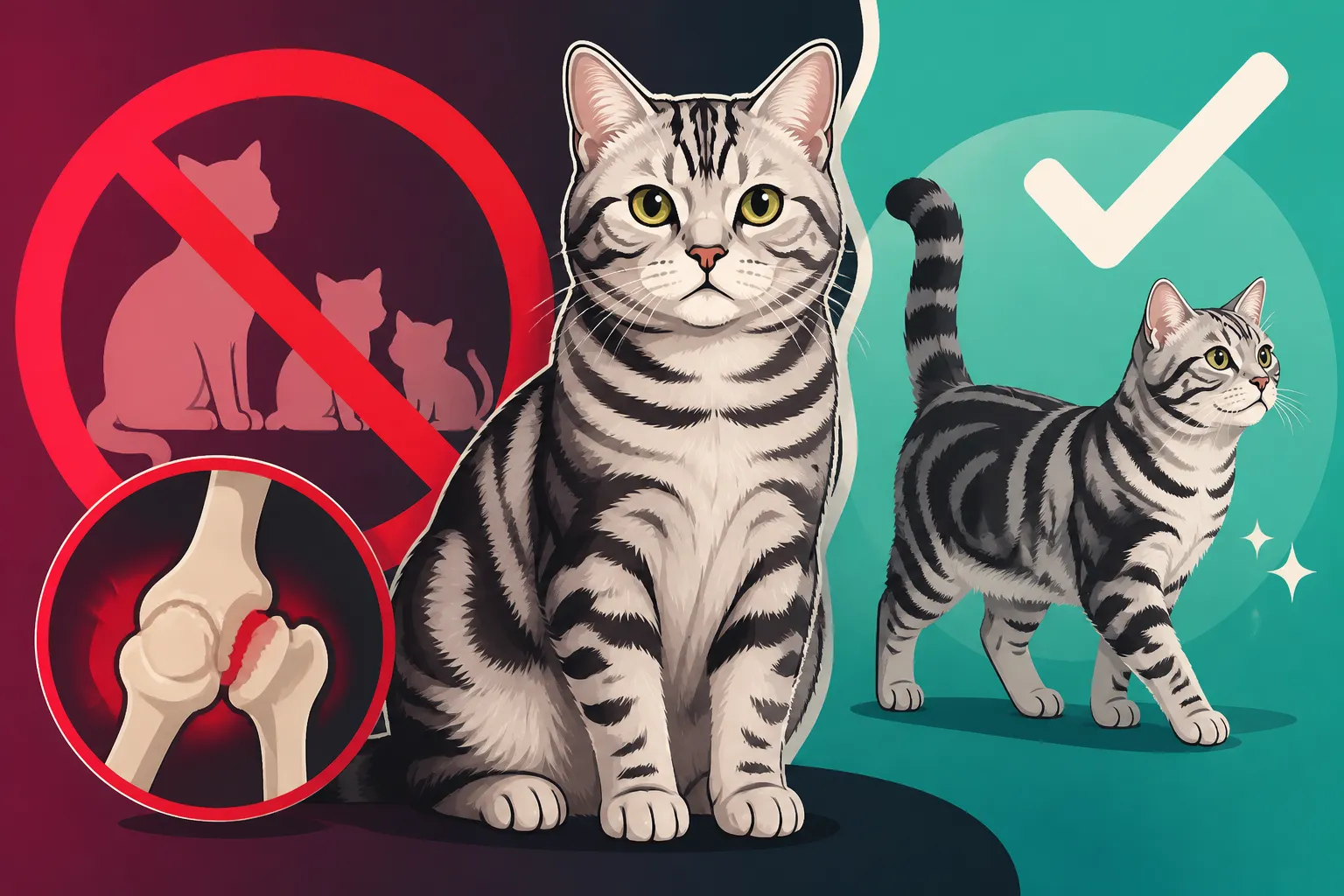
Feline hip dysplasia (FHD) is a genetic, developmental orthopedic condition where the hip joint doesn't form correctly. Think of the hip as a ball-and-socket joint: the "ball" is the head of the femur (thigh bone), and the "socket" is part of the pelvis called the acetabulum. In a healthy hip, these two components fit together snugly, allowing for smooth, pain-free movement. With hip dysplasia, the ball and socket don't align properly. This improper fit leads to looseness or laxity in the joint, causing friction and instability over time.
This constant friction and abnormal movement cause the cartilage to wear down and lead to the development of degenerative joint disease, or osteoarthritis. The body tries to compensate by producing new bone, which further exacerbates the problem, leading to chronic pain, stiffness, and reduced mobility. Unlike dogs, cats are incredibly stoic animals, masters at hiding pain. This means that symptoms might be subtle and can go unnoticed for a long time, often until the arthritis is quite advanced. You might simply observe that your normally agile American Shorthair seems a little less keen to jump onto their favorite window perch, or perhaps their gait just seems a bit 'off'.
Why the American Shorthair is Susceptible
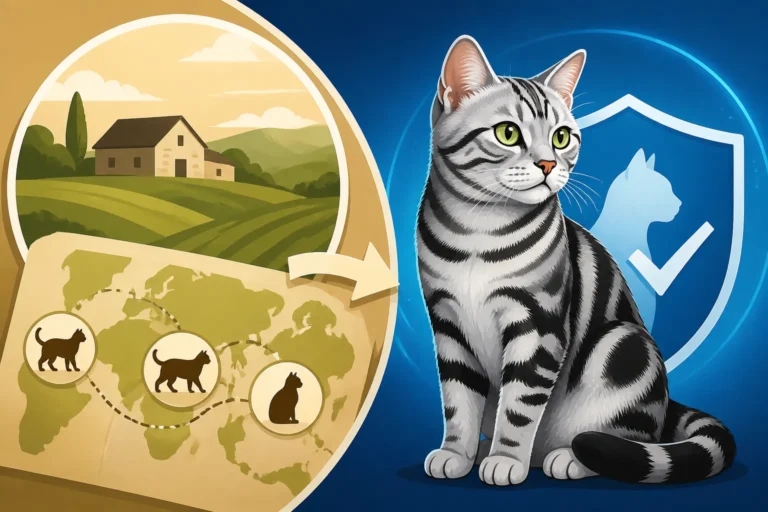
While the American Shorthair is generally considered a healthy breed with a good genetic history, their physical characteristics can make them somewhat susceptible to conditions like hip dysplasia. They are known for their muscular, square-built frame and medium-to-large size. This strong, substantial build, originally honed for a life of hunting and physical activity, means they carry a good deal of weight and put significant stress on their joints, particularly their hips.
The breed’s history as working cats meant that only the fittest survived and bred, naturally selecting for sound structure. However, once bred for conformation and kept primarily indoors, certain genetic predispositions can become more apparent. Although not as prevalent as in some dog breeds, hip dysplasia in American Shorthairs is a recognized concern, and responsible breeders are increasingly aware of the need for screening. Understanding Why a Broad Chested American Shorthair Puts Weight Through Its Hips can shed more light on how their physical structure contributes to potential joint issues. The issue becomes even more critical when you consider that a dysplastic cat might eventually show signs like a reluctance to jump, stiffness after resting, or even a noticeable limp, especially as they get older. This also ties into Why an Old American Shorthair Slows Before It Limps, where the subtle signs can be mistaken for normal aging.
The Genetic Imperative: Why Dysplastic Cats Should Not Breed
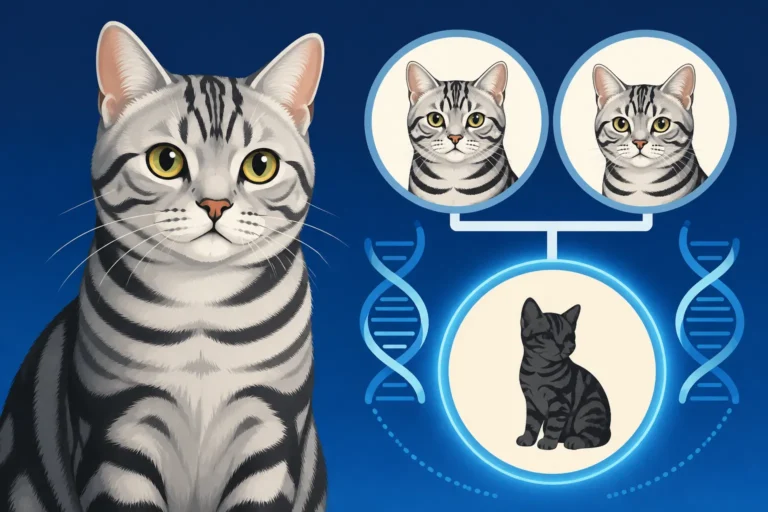
The primary reason to prevent a dysplastic American Shorthair from breeding is its hereditary nature. Allowing an affected cat to reproduce knowingly introduces or perpetuates undesirable genes within the breed's gene pool, leading to avoidable pain and suffering in future generations.
The Hereditary Nature of Hip Dysplasia
Hip dysplasia in cats, just like in dogs, has a significant genetic component. It's considered a polygenic trait, meaning that multiple genes contribute to its development, and environmental factors can also play a role in how severely it manifests. This complex inheritance pattern means it's not as simple as a single "bad gene" you can test for and eliminate. However, we know definitively that cats with hip dysplasia are more likely to produce offspring who also develop the condition. Even cats with mild dysplasia or those who are genetic carriers but show no clinical signs can pass on the problematic genes.
Ignoring this genetic link is a disservice to the breed and to individual cats. The American Shorthair has a reputation for being a naturally robust and healthy breed, often used as a benchmark for what a sound cat should be, as explored in Why the American Shorthair Is Used as a Health Benchmark. This reputation is hard-earned and maintained through careful, ethical breeding practices. Introducing or continuing lines with a predisposition to hip dysplasia undermines these efforts, increasing the risk for countless kittens down the line. Responsible breeders understand that their decisions have a lasting impact on the breed's health for generations.
Consequences for Offspring and the Breed Standard
When a dysplastic American Shorthair is bred, the consequences ripple out to its offspring and the entire breed standard. Statistically, a significant percentage of the kittens from such a pairing will inherit the genes for hip dysplasia, even if they don't all show severe symptoms immediately. These kittens may grow up to experience chronic pain, restricted movement, and reduced quality of life. Imagine a kitten, full of playful energy, suddenly struggling to climb its cat tree or feeling pain just from walking around. That's the reality for many cats born with this predisposition.
Furthermore, allowing dysplastic cats to breed goes against the ethical principles of responsible cat breeding. The goal of breeding should always be to produce healthy, well-adjusted animals that conform to the breed standard, which implicitly includes structural soundness. By removing affected cats from the breeding pool, breeders are actively working to eliminate the problematic genes, thereby improving the overall health and welfare of the American Shorthair breed. This aligns with what What an American Shorthair Breeder Should Have Screened aims to achieve – a proactive approach to genetic health. Reputable organizations like the Cat Fanciers' Association (CFA), which recognize the American Shorthair, advocate for breeding practices that prioritize health and soundness. A responsible breeder will ensure that they are not only meeting the aesthetic standards but, more importantly, the health and temperament standards.
Identifying and Managing Hip Dysplasia
Detecting hip dysplasia early in American Shorthairs can be challenging due to their stoic nature. However, proper veterinary assessment and ongoing management are crucial for both preventing its spread through breeding and ensuring the comfort of affected cats.
How Vets Diagnose Hip Dysplasia
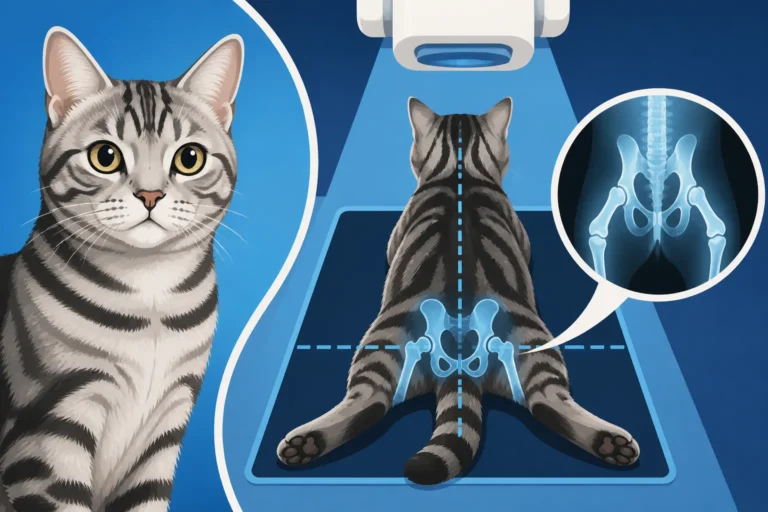
Diagnosing hip dysplasia in cats primarily relies on a combination of physical examination and X-rays. During a physical exam, your veterinarian will manipulate your cat’s hips to check for pain, range of motion, and any signs of joint laxity or crepitus (a grinding sound). However, definitive diagnosis almost always requires radiographs (X-rays) of the hips. For these X-rays, the cat typically needs to be sedated or anesthetized to ensure proper positioning and comfort, as specific projections are needed to visualize the hip joints accurately. You can learn more about this process in How an American Shorthair's Hips Are Positioned for X Ray.
The radiographs will show the veterinarian the structure of the hip joint, assessing how well the femoral head fits into the acetabulum, and looking for any signs of osteoarthritis, such as bone spurs or joint space narrowing. In many cases, vets use grading systems, similar to those developed for dogs (like OFA or PennHIP), to categorize the severity of dysplasia. These grades might range from "excellent" to "severe dysplasia," giving a clear picture of the joint's condition. A breeding cat should ideally have hips graded as "good" or "excellent." Any cat receiving a diagnosis of hip dysplasia, even mild, should be immediately removed from any breeding program. Knowing Which Hip Grade an American Shorthair Should Have is vital for any prospective owner or breeder.
Living Comfortably with a Dysplastic American Shorthair
If your American Shorthair is diagnosed with hip dysplasia, even if it's mild, the focus shifts entirely to managing the condition and ensuring your cat lives a comfortable, pain-free life. Treatment is often multifaceted, aiming to reduce pain, improve mobility, and slow the progression of arthritis.
One of the most crucial aspects of management is weight control. An overweight cat puts significantly more stress on its joints, exacerbating pain and accelerating joint degeneration. Your vet might recommend a specific diet or a weight loss plan. This is a common issue for indoor cats, as detailed in How Many Years Extra Weight Takes Off the American Shorthair's Lifespan. Medications, such as non-steroidal anti-inflammatory drugs (NSAIDs) or other pain relievers, are often prescribed to manage discomfort. Joint supplements containing ingredients like glucosamine, chondroitin, and omega-3 fatty acids can also be beneficial in supporting joint health and reducing inflammation. Your veterinarian can advise on appropriate dosages and brands. Physical therapy, including gentle exercises and massage, can help maintain muscle mass and joint flexibility. For more severe cases, your vet might discuss more advanced options, though surgery is less common in cats than in dogs due to their unique anatomy and smaller size.
Creating a "cat-friendly" environment is also essential. This means providing ramps or steps to help your cat access their favorite high spots without painful jumping, ensuring easily accessible litter boxes with lower sides, and comfortable, supportive bedding. Regular, gentle play can help keep muscles strong, but avoid activities that put excessive stress on their hips. With careful management and a supportive environment, many American Shorthairs with hip dysplasia can still lead happy, fulfilling lives. Insurance providers like Healthy Paws offer plans that can help cover the ongoing costs of managing chronic conditions like hip dysplasia, making consistent care more accessible.
| Hip Dysplasia Grade | Description | Breeding Recommendation |
|---|---|---|
| Normal / Excellent | Well-formed hip joint with tight fitting components. | Recommended |
| Normal / Good | Slightly less perfect than excellent, but still within healthy range. | Recommended |
| Normal / Fair | Minor irregularities, but still considered functionally normal. | Caution/Re-evaluation |
| Borderline | Some conformational changes, uncertain status. | Not Recommended |
| Mild Dysplasia | Noticeable laxity, early degenerative changes. | Not Recommended |
| Moderate Dysplasia | Significant laxity, clear degenerative changes, potential pain. | Not Recommended |
| Severe Dysplasia | Poorly formed joint, extensive degenerative changes, definite pain/lameness. | Not Recommended |
Note: This table provides a general overview; specific veterinary assessment and grading systems may vary slightly.
Ethical Breeding Practices and the Future of the American Shorthair
The decision to breed a cat carries significant responsibility. For a breed like the American Shorthair, known for its foundational health, maintaining genetic soundness is paramount. Ethical breeding practices are the cornerstone of protecting the breed's future.
The Breeder's Responsibility in Preventing Dysplasia
A truly responsible American Shorthair breeder prioritizes the health and well-being of their cats above all else. This means being proactive in screening their breeding stock for genetic conditions that could be passed on to kittens. For hip dysplasia, this translates into X-ray screening of all breeding cats before they are used in a program. They should be able to provide clear documentation of these health checks, including hip scores or grades from a qualified veterinarian. This transparency allows prospective owners to make informed decisions and ensures that genetic predispositions to painful conditions are not inadvertently perpetuated. You should always ask What an American Shorthair Breeder's Echo Paperwork Should Say and other health clearances.
Beyond simply screening, a responsible breeder understands the implications of genetic conditions like hip dysplasia. If a cat is diagnosed with hip dysplasia, even in a mild form, it should be immediately removed from the breeding program, regardless of how desirable its other traits might be. This is a tough decision, but it's an ethical imperative to protect the health of the breed. Furthermore, responsible breeders avoid breeding cats with close relatives, as inbreeding can increase the likelihood of expressing recessive genes responsible for certain health problems. They carefully research pedigrees and strive for genetic diversity within their lines to produce healthy, robust American Shorthair kittens, ensuring What an American Shorthair With No Designer Defect Gets Instead.
Supporting the Healthy Future of the Breed
As cat owners and enthusiasts, we all have a role to play in supporting the healthy future of the American Shorthair. For prospective kitten buyers, this means doing your homework. Seek out reputable breeders who are open about their health testing protocols and willing to share documentation of hip screenings for both parent cats. Don't be shy about asking questions and requesting vet records. Visiting the breeder's facility, if possible, can also give you insight into the living conditions and overall health of their cats, as discussed in Whether an American Shorthair Breeder Should Be Visited. A good breeder will be transparent, knowledgeable, and genuinely passionate about the health of their lines.
By choosing a kitten from a breeder who adheres to these high standards, you are not only increasing the likelihood of bringing home a healthy companion but also supporting ethical breeding practices that benefit the entire breed. Pet insurance, like that offered by Healthy Paws, is also a vital tool for responsible pet ownership, helping owners manage unexpected veterinary costs throughout their cat's life, whether for preventative care or managing potential health issues. Ultimately, every decision made, from selecting a breeding pair to choosing a kitten, impacts the trajectory of the American Shorthair's health and longevity. It is our collective responsibility to ensure that this wonderful breed continues to thrive as a paragon of feline health.
Disclaimer
This article is for general informational purposes only and does not constitute professional advice. Laws, prices and regulations vary by location and change over time. Consult a qualified professional for guidance on your specific situation.