How Rare HCM Is in an American Shorthair
It’s truly disheartening when you start researching a cat breed you love, like the American Shorthair, and you stumble upon terrifying terms like Hypertrophic Cardiomyopathy, or HCM. Immediately, your mind jumps to the worst-case scenario, imagining your beloved feline friend facing a serious, often hidden heart condition. The worry is completely understandable, especially since heart disease can be so silent and devastating in cats. This guide aims to bring some clarity and reassurance regarding just how rare HCM truly is in the American Shorthair breed, exploring why this wonderful cat tends to fare better than some others, and what you can still do to protect their heart health.
Understanding Feline Hypertrophic Cardiomyopathy
Let’s be honest, veterinary jargon can be intimidating, and "Hypertrophic Cardiomyopathy" sounds like a mouthful, doesn't it? But understanding the basics of what it is, and why it's a concern in some cats, is the first step to easing those worries. It’s a serious condition, yes, but knowledge empowers you.
What Exactly is HCM and How Does it Affect Cats?
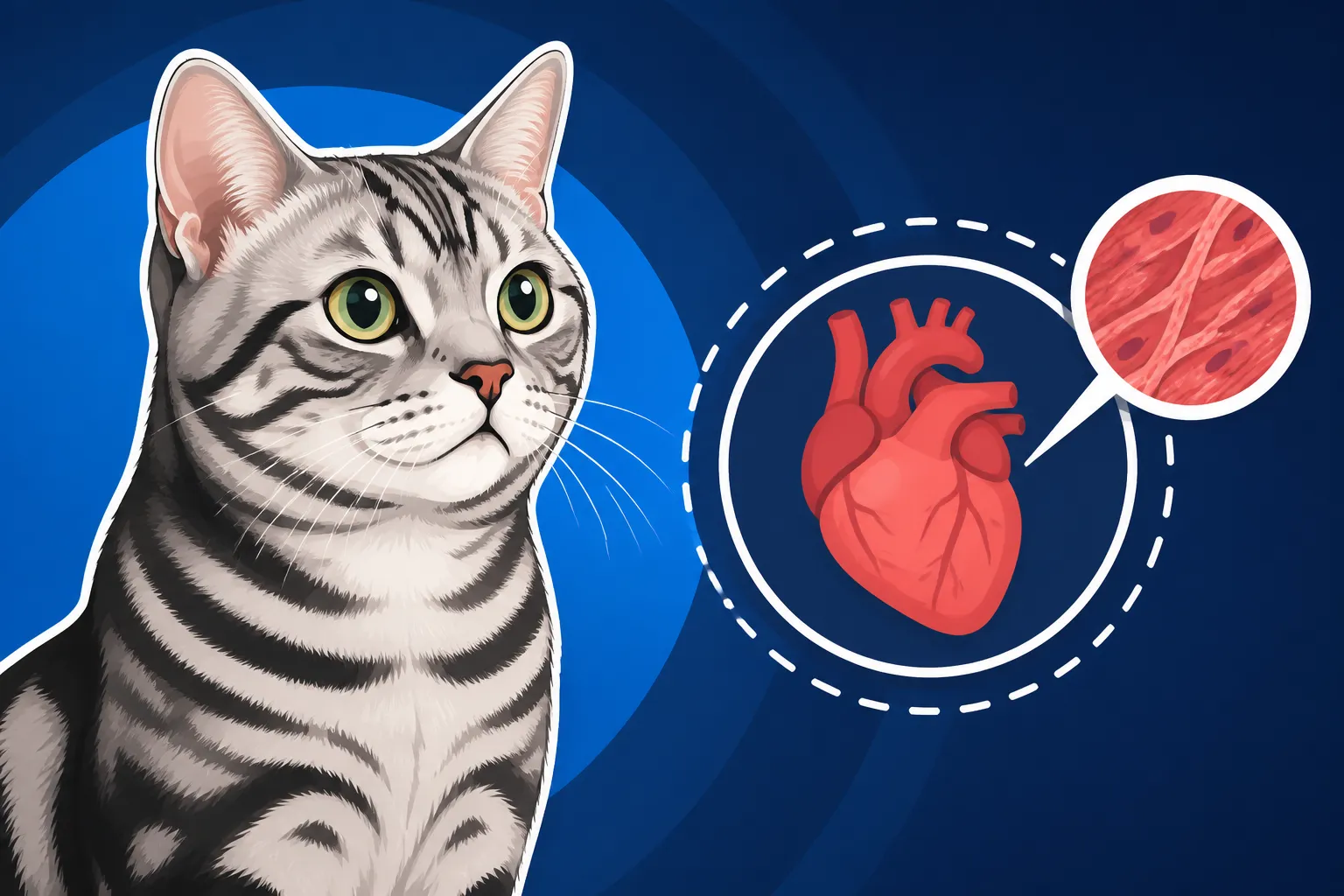
At its core, Hypertrophic Cardiomyopathy is a disease of the heart muscle. The "hypertrophic" part simply means the muscle is abnormally thickened. Imagine the walls of your cat's heart, particularly the main pumping chamber (the left ventricle), becoming so thick that they can't relax properly to fill with blood between beats. This thickening makes the heart less efficient at pumping blood out to the body and receiving blood back in. It's a progressive disease, meaning it tends to get worse over time, though the rate of progression varies wildly from cat to cat.
The impact on your cat can range from subtle to severe. In its early stages, HCM is often a silent killer. Cats might show absolutely no symptoms, which is incredibly frustrating for owners who want to be proactive. As it progresses, symptoms can start to appear, such as lethargy, reduced appetite, and difficulty breathing. You might notice your cat breathing faster or with more effort, or even coughing, though coughing in cats is actually more commonly associated with asthma or other respiratory issues than heart disease. In more advanced cases, the inefficient blood flow can lead to fluid building up in the lungs (pulmonary edema) or around the lungs (pleural effusion), making breathing extremely difficult and leading to sudden, acute crises. Sadly, a tragic consequence of HCM can also be the formation of blood clots that travel and block blood flow to the limbs, most commonly the back legs, leading to sudden paralysis, a condition known as saddle thrombus. This is an absolute emergency and incredibly painful for the cat.
Why HCM is a Concern in Pedigree Cats
Now, why does HCM seem to pop up so much in discussions about purebred cats? The unfortunate truth is that HCM often has a genetic component. In some breeds, specific genetic mutations have been identified that are strongly linked to the development of HCM. The Maine Coon and Ragdoll breeds, for example, have well-documented genetic markers (MYBPC3 mutation) that breeders can test for. If a cat carries one of these genes, they have a higher risk of developing the disease and passing it on to their offspring.
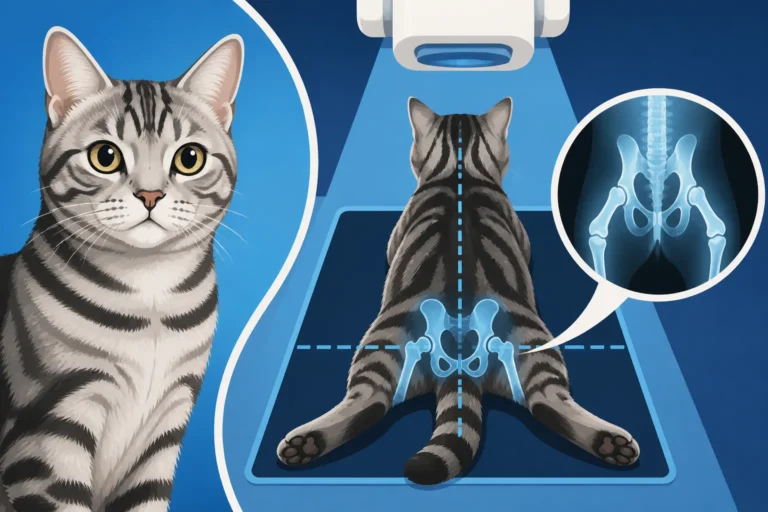
This genetic predisposition means that breeders of affected lines face a significant challenge. Responsible breeders in these breeds work tirelessly to screen their breeding cats through regular echocardiograms (heart ultrasounds) and, where available, genetic testing, to try and reduce the incidence of the disease in future generations. It's a costly and time-consuming process, but it's crucial for the health of these breeds. The problem arises when breeders aren't diligent, or when the genetic markers for HCM are unknown or complex, as is the case for many breeds where it still appears. This is why for some breeds, like the American Shorthair, even if a gene test cannot clear an American Shorthair's heart, regular scans remain vital.
The American Shorthair's Unique Position Regarding HCM
So, given all this talk about HCM in pedigree cats, where does our beloved American Shorthair stand? This is where the good news truly begins for ASH owners and admirers. The American Shorthair actually has a remarkably good track record when it comes to inherited health conditions, including HCM, especially when compared to many other popular breeds.
Historical Health and Genetic Diversity of the Breed
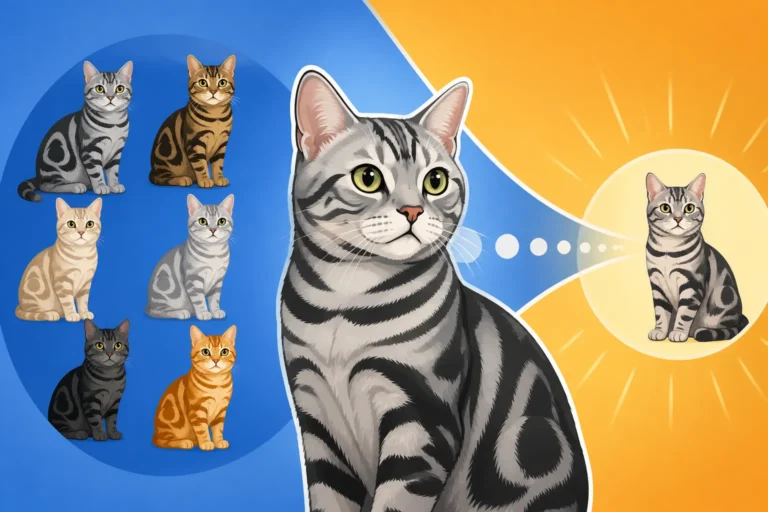
The American Shorthair's robust health isn't just luck; it's deeply rooted in its history. Unlike many breeds developed through intense selective breeding for exaggerated traits or very small founder populations, the American Shorthair's ancestors were, essentially, working cats. They were the hardy, adaptable mousers brought over on ships by early settlers, valued for their utility rather than their fancy looks. This means The Mayflower Cats Behind the American Shorthair were incredibly genetically diverse. They weren't confined to a narrow gene pool, nor were they subjected to breeding programs that prioritized aesthetics over health and function.
This history has bestowed upon the American Shorthair a remarkable level of genetic diversity and a naturally healthy constitution. They are often considered The American Shorthair Is the Control Group of Cat Breeding because they represent what a well-balanced, functional cat should be, free from many of the "designer defects" seen in other breeds. This inherent genetic strength means that they have historically carried very few inherited diseases, and HCM is no exception. This solid genetic foundation contributes significantly to The Fifteen to Twenty Years the American Shorthair Was Given, highlighting their longevity and general well-being.
Documented Incidence and Genetic Screening Efforts
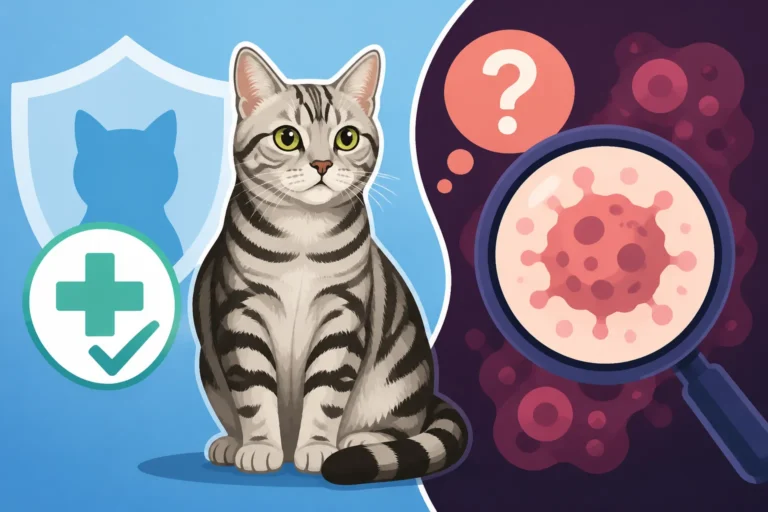
When we talk about how rare HCM is in an American Shorthair, we're talking about a genuinely low incidence. While HCM can theoretically affect any cat, regardless of breed, the prevalence of genetically-linked, early-onset HCM in the American Shorthair is significantly lower than in breeds like the Maine Coon or Ragdoll. It's truly a breath of fresh air for those considering this breed.
Research and veterinary observations support this. While there isn't a specific "HCM gene" universally identified for the American Shorthair, making universal genetic testing a non-starter, the overall rates of clinically significant HCM are very low. This isn't to say it never happens; a careful look at breed health over time suggests that HCM Is the One Inherited Disease the American Shorthair Kept, meaning it’s the most notable genetic concern, even if rare. Reputable breeders still understand the importance of screening, even if their breed isn't as high-risk as others. They often participate in cardiac screening programs, typically involving regular echocardiograms performed by a board-certified veterinary cardiologist. These screenings help ensure that breeding cats are free of heart disease before passing on any potential predispositions. A breeder should be able to provide you with What an American Shorthair Breeder's Echo Paperwork Should Say, giving you peace of mind about the kitten's lineage.
Practical Implications for American Shorthair Owners
Even with a low incidence rate, being a responsible American Shorthair owner means staying vigilant and knowing what to look for. While we can celebrate their generally good health, no cat is entirely immune from health issues, especially as they age.
Recognizing Potential Signs and When to See Your Vet
Because American Shorthairs are typically so stoic and independent—traits inherited from their working ancestors—they can be incredibly good at hiding illness. This means that by the time overt symptoms of heart disease appear, the condition might be quite advanced. It's a frustrating reality for any cat owner.
Here are some signs, however subtle, that might warrant a trip to the vet for a cardiac check-up:
- Changes in breathing: This is paramount. Look for increased respiratory rate (breathing faster than usual at rest), open-mouthed breathing (a definite emergency!), or noticeable effort when breathing. A healthy cat should breathe gently with very little chest movement.
- Lethargy or reduced activity: If your normally active American Shorthair starts sleeping more, avoiding play, or seems generally "off," don't dismiss it. This can be a sign that their body isn't getting enough oxygen or they're just not feeling well.
- Decreased appetite or weight loss: Any unexplained changes in eating habits or noticeable weight loss should always trigger a vet visit.
- Weakness or paralysis of hind legs: This is an acute emergency, as mentioned earlier. If you ever notice this, seek immediate veterinary attention.
- Fainting or collapsing: While rare, this is a clear sign of significant cardiac distress.
It's tempting to think your cat is just getting older or "slowing down," but Why a Limp in a Stoic American Shorthair Is Never Minor – and the same goes for other subtle changes in behavior or energy levels. Never hesitate to consult your vet if you notice any persistent changes in your American Shorthair's health or behavior.
Proactive Care and Veterinary Partnerships
The best defense against silent diseases like HCM, even if rare, is a strong partnership with your veterinarian and a commitment to proactive care. Regular veterinary check-ups are non-negotiable, especially as your American Shorthair matures.
Here’s what proactive care looks like:
- Annual Vet Visits: Even if your cat seems perfectly healthy, annual wellness exams are crucial. Your vet can listen to their heart for murmurs, assess their overall health, and catch subtle changes. Why an American Shorthair Still Needs a Yearly Heart Scan might not apply to every ASH, but regular check-ups with a vet who listens for murmurs are essential.
- Discuss Any Concerns: Don't be shy about mentioning even minor changes in behavior or habits. You know your cat best.
- Baseline Bloodwork (especially for seniors): As your American Shorthair moves into their senior years, around 7-10 years old, regular blood and urine tests can help catch other age-related conditions like kidney disease or hyperthyroidism, which can also impact heart health. Caring for an American Shorthair Past Twelve requires an even closer eye on their overall health.
- Healthy Lifestyle: A balanced diet appropriate for their age and activity level, along with plenty of enrichment and playtime to keep them active and engaged, contributes to overall cardiovascular health. Keeping them at a healthy weight is especially important as obesity puts extra strain on the heart.
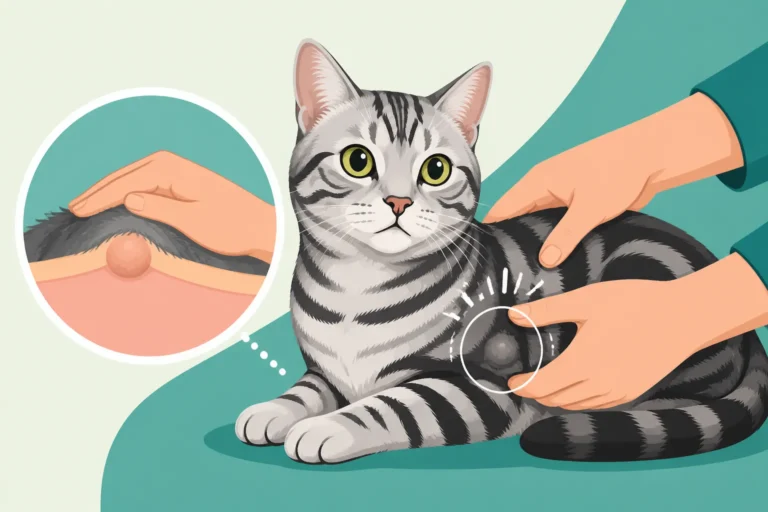
Remember, a heart murmur doesn't automatically mean HCM, but it's a prompt for further investigation, usually an echocardiogram. Early detection, even if treatment can't cure HCM, can sometimes slow its progression and improve quality of life.
Making Informed Decisions for Your American Shorthair's Heart Health
When you bring an American Shorthair into your home, you're investing in a companion, and part of that investment is making informed decisions about their health and future. This includes choosing a breeder wisely and preparing for potential veterinary costs, rare though they may be.
The Role of Responsible Breeding and Pedigree Information
Choosing a responsible breeder is perhaps the most critical step you can take to mitigate the risk of HCM and other health issues. A good breeder prioritizes health above all else. They are not just selling kittens; they are stewarding the future of the breed.
When you're looking for an American Shorthair kitten, here’s what to ask about regarding heart health:
- Cardiac Screening: Inquire if the breeding parents have had echocardiograms performed by a board-certified veterinary cardiologist. While a genetic test might not exist for HCM in American Shorthairs, echo screening is the gold standard. Ask to see the official reports.
- Frequency of Screening: Reputable breeders often screen their cats annually or bi-annually, especially if they are actively breeding. Ask How Many Years a Clear Scan Covers a Breeding American Shorthair in their program.
- Health Guarantees: A responsible breeder will offer a health guarantee, often covering genetic conditions for a certain period.
- Openness and Transparency: A good breeder will be happy to discuss the health history of their lines, answer all your questions, and allow you to visit their cattery (if feasible and safe). They should also be transparent about any instances of HCM in their lines, however rare. What an American Shorthair Breeder Should Have Screened goes beyond just HCM and includes a general healthy lineage.
- Pedigree: Understand the cat's lineage. While American Shorthairs have a broad gene pool, knowing the ancestry can provide additional insight.
Remember that What an American Shorthair With No Designer Defect Gets Instead is often a long, healthy life, and much of that comes from careful, responsible breeding practices that safeguard the breed's natural robustness.
Planning for Unexpected Costs
Even with a breed known for its excellent health, like the American Shorthair, unforeseen health issues can arise, or they might simply live long enough to develop age-related conditions. Veterinary care, especially for diagnostics like echocardiograms or emergency treatments, can be incredibly expensive. This is where financial planning comes in.
Consider these options:
- Pet Insurance: Companies like Healthy Paws offer various plans that can help cover a significant portion of unexpected veterinary bills, including those for diagnostics, treatments, and even emergency care. While Whether Insurers Price the American Shorthair Low is generally true because of their good health record, having a policy in place provides a safety net. It can make the difference between being able to afford life-saving treatment and having to make agonizing choices. Many owners find peace of mind with a comprehensive pet insurance policy from providers like Healthy Paws.
- Emergency Savings Fund: Another excellent strategy is to set aside a dedicated "pet emergency fund." This money can accumulate over time and be readily available if your cat ever needs urgent or specialized care.
- CareCredit or Similar Financing: For unexpected large bills, veterinary clinics often work with financing options like CareCredit, which offers deferred interest payment plans.
The goal is to ensure that if, by some rare chance, your American Shorthair does face a health challenge, you are prepared to provide them with the best possible care without undue financial stress. Even if HCM is rare, What an Untested American Shorthair Usually Dies Of are more common ailments like kidney disease or cancer, and these can also be very costly. Being prepared financially is simply part of being a loving, responsible pet parent. This forethought, whether through insurance from Healthy Paws or a personal savings fund, truly exemplifies dedication to your cat's well-being.
Conclusion
The concern over Hypertrophic Cardiomyopathy in cats is legitimate, and it’s natural to feel anxious when researching potential health problems for any breed. However, when it comes to the American Shorthair, you can breathe a collective sigh of relief. Thanks to their rich history of genetic diversity and a strong emphasis on health in breeding, HCM is genuinely rare in this wonderful breed. They are, in many ways, a testament to what happens when a breed's development prioritizes function and natural robustness.
This rarity doesn't mean complacency, of course. Vigilance, responsible ownership through regular vet visits, and a proactive approach to their overall well-being remain crucial. But rest assured, the odds are heavily in your favor that your American Shorthair will enjoy a long, healthy life with a strong, happy heart.
Disclaimer
Please remember that this article provides general information and insights into American Shorthair health. It is not a substitute for professional veterinary advice. Always consult with a qualified veterinarian for any health concerns or before making decisions about your pet's care. Individual cats can have unique health profiles, and only a veterinarian can properly diagnose and recommend treatment.