How Many Years a Clear Scan Covers a Breeding American Shorthair
The anxiety around ensuring our beloved American Shorthairs are as healthy as possible, especially when considering breeding, is a very real and understandable concern. It’s hard enough to navigate the complexities of feline health, but when you add the responsibility of future generations, it can feel overwhelming. This guide aims to demystify the recommendations for heart health screenings, specifically focusing on how long a clear echocardiogram (echo) scan truly covers a breeding American Shorthair.
Understanding Hypertrophic Cardiomyopathy in American Shorthairs
It’s a common misconception that because American Shorthairs are often touted for their robust health and natural vigor, they are entirely immune to inherited conditions. While it's true that they represent "the control group of cat breeding" in many ways, being generally free from the extreme features that often lead to health issues in other pedigrees, there’s one significant exception: Hypertrophic Cardiomyopathy (HCM). This condition, where the heart muscle thickens abnormally, unfortunately, "HCM Is the One Inherited Disease the American Shorthair Kept," and it's something every responsible breeder and owner needs to be aware of.
Why HCM Remains a Concern
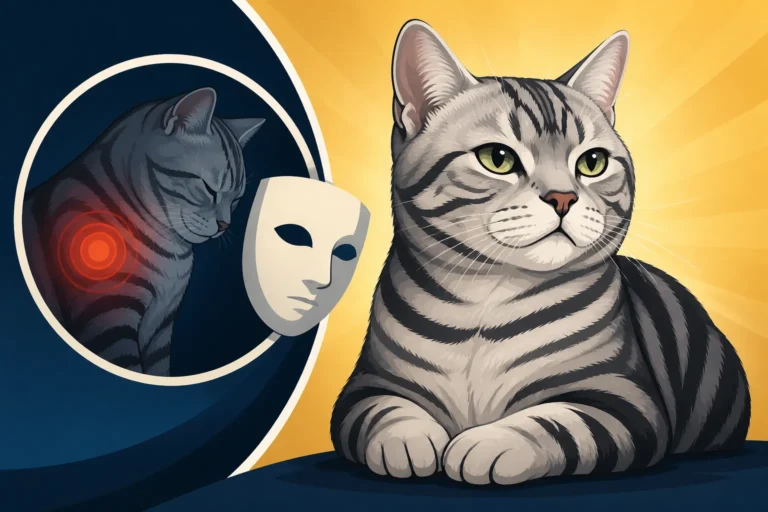
HCM isn't just a minor issue; it's a progressive disease that can lead to heart failure, blood clots, and even sudden death. For a breed praised for its hardiness and longevity, HCM can be a truly heartbreaking diagnosis. Even though the incidence might be "How Rare HCM Is in an American Shorthair" compared to some other breeds, its presence means vigilance is crucial. The stoic nature of the American Shorthair means they often hide symptoms until the disease is quite advanced, making early detection through screening even more vital. Imagine your usually active, patrolling cat suddenly becoming withdrawn or struggling with simple movements – it could be a sign, but by then, precious time might have been lost.
The Limitations of Genetic Testing
Many new breeders, understandably, look to genetic testing as a definitive answer for inherited diseases. It makes sense, right? A simple swab, and you know if your cat carries the gene. However, with HCM in American Shorthairs, it's not that straightforward. While some breeds have identified specific genetic markers for HCM, for the American Shorthair, there isn't a single, reliable gene test that can definitively clear a cat. This is why "Why a Gene Test Cannot Clear an American Shorthair's Heart" is a critical point of understanding. The disease is complex and likely involves multiple genes or environmental factors, making a simple DNA test insufficient for breeding decisions. Relying solely on a genetic test could give a false sense of security, potentially leading to the propagation of the disease within a line.
How Long a Clear Heart Scan Covers a Breeding American Shorthair
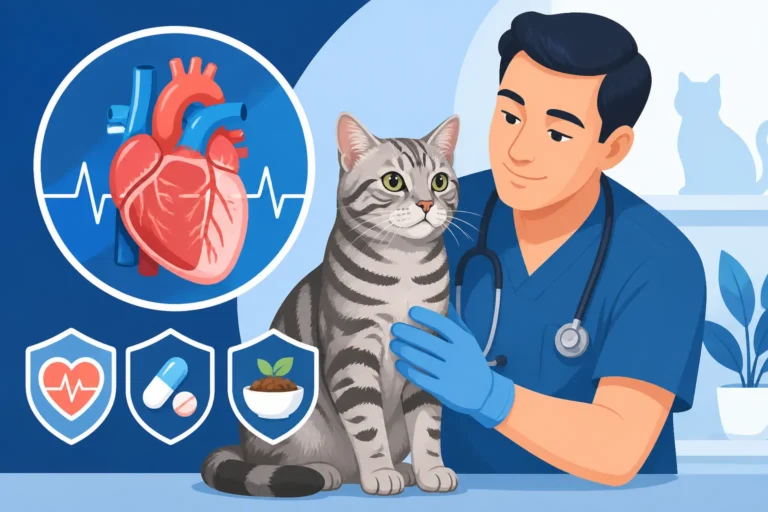
Given the limitations of genetic testing, the echocardiogram (echo) remains the gold standard for screening HCM in American Shorthairs. This specialized ultrasound provides a detailed look at the heart's structure and function, allowing a veterinary cardiologist to measure wall thickness and assess blood flow. The question then becomes: how often do you need to perform these scans, particularly for a cat actively involved in a breeding program?
General Recommendations for Breeding Cats
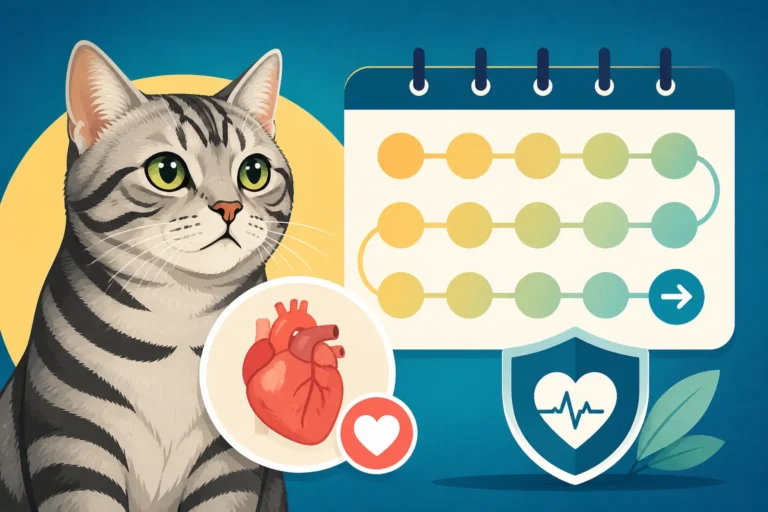
The consensus among veterinary cardiologists and breed clubs, such as the CFA (Cat Fanciers' Association), is that breeding American Shorthairs should undergo regular echocardiogram screenings. While a single clear scan is fantastic news, it doesn't offer a lifetime guarantee because HCM can develop at any age. Recommendations typically suggest an annual or at least biennial (every two years) scan for actively breeding cats. This helps ensure that any changes in heart structure are detected early, before they become severe. Think of it like a regular physical for yourself; just because you were healthy last year doesn't mean you skip your check-up this year, especially if you have a family history or specific responsibilities. This is essentially "Why an American Shorthair Still Needs a Yearly Heart Scan."
Consider a hypothetical scenario: Sarah has a beautiful American Shorthair queen, "Luna," who had a perfectly clear heart scan at two years old, right before her first litter. Sarah, being a diligent breeder, follows the recommendations and has Luna rescanned at three years old, then again at four. Each time, Luna's heart remains healthy. This consistent monitoring is crucial because "The Age an American Shorthair's Heart Starts to Thicken" can vary, and it's not always evident in young cats. A cat might be clear at two but show early signs by four or five.
Factors Influencing Scan Frequency
While annual or biennial is a good general guideline, several factors might influence whether you lean towards more frequent or slightly less frequent scans:
- Age of the Cat: Younger cats, particularly those under five, are often screened annually. As cats mature and maintain clear scans, some cardiologists might extend the interval slightly for non-breeding pets, but for breeding cats, the annual check-up is generally preferred.
- Family History: If a cat has relatives (parents, siblings, offspring) who have been diagnosed with HCM, even if the cat itself has clear scans, more frequent monitoring might be recommended. This is a crucial aspect of responsible breeding, as "What an American Shorthair Breeder Should Have Screened" includes a thorough understanding of their lines.
- Previous Borderline Results: Occasionally, a cat might have a scan result that isn't definitively HCM positive but shows some subtle changes that warrant closer observation. In these cases, the cardiologist will almost certainly recommend follow-up scans much sooner, perhaps every 6-12 months.
- Breeding Status: Actively breeding cats typically require more frequent screening than retired cats or pets. The stress of pregnancy and lactation, while usually well-tolerated by healthy cats, can theoretically put additional strain on the cardiovascular system.
For instance, if you have a queen like "Willow" who comes from a line with a history of late-onset HCM, even if her own scans are pristine, you'd want to be extra diligent with annual scans, perhaps even considering them for a few years post-retirement from breeding, just to be sure. This proactive approach is vital to preventing the spread of this complex disease.
Comparing Screening Protocols
To give you a clearer picture, here's a table outlining general guidelines for HCM screening in breeding American Shorthairs:
| Cat's Age / Status | Recommended Screening Frequency | Notes |
|---|---|---|
| Pre-breeding (1-2 years) | Annually | Crucial for establishing a baseline and ensuring the cat is clear before entering a breeding program. |
| Actively Breeding (2-7 years) | Annually or Biennially (every 1-2 years) | Most common recommendation. Annual is preferred by many breeders and cardiologists to ensure early detection. Some might extend to biennially if lines are exceptionally clear and cat shows no symptoms. |
| Retired Breeding Cat (7+ years) | Biennially or as vet advises | While no longer breeding, continued monitoring is wise, especially if HCM is known to manifest later in life in their lines. A clear scan at a younger age does not mean HCM cannot develop later, although the risk of transmitting it to offspring is obviously gone. This is also covered in "Why an Untested Adult American Shorthair Should Still Be Scanned." |
| High-Risk Line / Borderline Scan | Every 6-12 months (or as advised) | Increased frequency is essential for vigilance if there's any indication of increased risk or subtle changes. |
It's important to understand that these are general guidelines. Always consult with a board-certified veterinary cardiologist for tailored advice for your specific cat and breeding program. They will be the best resource for "How a Cardiologist Reads an American Shorthair's Scan" and can provide expert interpretation.
Implementing a Responsible Breeding Program
The pursuit of producing healthy, well-adjusted American Shorthair kittens is a labor of love, but it requires diligent adherence to best practices. Incorporating robust health screening protocols, especially for HCM, is not just a recommendation; it's a cornerstone of ethical breeding.
The Role of Regular Screening in Ethical Breeding
For a breeding program to be truly responsible, regular and consistent health screening is paramount. A single clear scan is a start, but it's the ongoing commitment to screening that safeguards the health of the breed. By routinely scanning your breeding cats, you’re doing your part to identify and, more importantly, remove affected individuals from the gene pool. This proactive approach helps to reduce the prevalence of HCM across the breed, fulfilling your ethical obligation as a breeder. Imagine the peace of mind knowing you've done everything in your power to ensure your kittens have the best possible start in life, free from preventable inherited conditions. This commitment helps uphold the breed's reputation for robustness, echoing themes found in "Whether Registering Random Bred Cats Kept the American Shorthair Sound."
Let's say a breeder, Michael, has his breeding male, "Rusty," scanned annually. Rusty has sired several litters over the years, all with healthy, clear kittens. One year, at age six, Rusty’s annual echo reveals very early signs of HCM. While heartbreaking, Michael immediately removes Rusty from his breeding program. This decision, though difficult, is essential because "Why an Affected Cat Leaves the American Shorthair Gene Pool" is about protecting the breed's future. Michael also informs the owners of Rusty's offspring, advising them to monitor their cats closely and consider early screening.
Record-Keeping and Transparency
One of the cornerstones of responsible breeding is meticulous record-keeping and transparency. Every breeding cat should have a comprehensive health file, including all echocardiogram results, dated and signed by a board-certified veterinary cardiologist. This is the official "What an American Shorthair Breeder's Echo Paperwork Should Say." When potential buyers inquire about a kitten, being able to present these clear, up-to-date health records instills confidence and demonstrates your commitment to health.
Moreover, if an issue does arise, having detailed records allows you to trace lineage and understand patterns. For instance, if one of your retired queens develops HCM at an older age, you can revisit her scans from earlier years to see if there were any subtle changes that, in retrospect, could have been early indicators. This also helps other breeders who might be working with related lines. Transparent breeders share this information freely with other responsible breeders and prospective owners.
Financial Considerations for Screening
The cost of regular echocardiograms can certainly add up, and it's a legitimate concern for many breeders. A specialized cardiology scan isn't a cheap procedure, and these costs are a necessary part of responsible breeding. This is where pet insurance can play a role for individuals owning American Shorthairs, not just breeders. Companies like Healthy Paws offer comprehensive coverage that can help mitigate unexpected veterinary expenses, including diagnostic procedures like echocardiograms, especially if a health issue is detected. While insurance generally doesn't cover routine preventative screening unless specifically added, it can be invaluable if a clear scan later turns suspicious, leading to further diagnostics and treatment.
For breeders, these costs are typically factored into the purchase price of a kitten. It’s an investment in the health of the entire line. Considering "What an American Shorthair HCM Screening Costs" and budgeting for these expenses annually is a crucial part of financial planning for a breeding program. Even for those not breeding, having a robust pet insurance plan like one from Healthy Paws can provide immense peace of mind.
Beyond the Scan: Comprehensive Heart Health
While regular echocardiograms are crucial for breeding American Shorthairs, it’s also important to remember that heart health is part of overall well-being. A holistic approach to care supports not just a strong heart, but a long, vibrant life for these wonderful cats.
Recognizing Signs of Potential Heart Issues
Even with regular screening, knowing what to look for can provide an additional layer of protection. American Shorthairs are generally stoic, meaning they often mask signs of illness until a disease is quite advanced. However, subtle changes can occur. Keep an eye out for:
- Changes in Energy Levels: A sudden decrease in activity, lethargy, or reluctance to play or jump, which might be particularly noticeable in a typically active cat. You might notice they're less keen to patrol their territory, as mentioned in "How an American Shorthair Splits Its Day Between Patrol and Sleep."
- Respiratory Difficulties: Increased breathing rate, open-mouthed breathing, or coughing (though coughing is less common in cats with heart disease than dogs).
- Appetite Changes: A decrease in appetite or weight loss can sometimes be associated with underlying health problems, including heart issues.
- Hind Limb Weakness or Paralysis: In severe cases of HCM, a blood clot (aortic thromboembolism) can form in the heart and travel to the hind legs, causing sudden and painful paralysis. This is a medical emergency. Understanding "How Many Months Follow an American Shorthair's HCM Diagnosis" can also prepare you for the progression if it occurs.
If you observe any of these signs, especially if they are new or worsening, contact your veterinarian immediately. Early intervention can make a significant difference in managing any detected condition.
The Importance of Overall Veterinary Care
A clear heart scan is fantastic, but it's just one piece of the puzzle. Regular wellness exams with your general veterinarian are just as vital. These visits allow your vet to assess overall health, catch other potential issues early, and provide guidance on nutrition, parasite control, and vaccinations. A healthy diet, appropriate weight management (especially since "Obesity Is What Ending the American Shorthair's Job Cost It"), and a stress-free environment all contribute to a strong heart and a long life.
Consider the role of dental health, for example. Untreated dental disease can lead to bacteria entering the bloodstream, potentially affecting the heart and other organs. So, while you're focused on heart scans for your breeding cats, don't forget the importance of their dental check-ups and cleanings. Comprehensive care ensures that your American Shorthair isn't just surviving, but truly thriving, capable of enjoying "The Fifteen to Twenty Years the American Shorthair Was Given."
Disclaimer
This article is intended for informational purposes only and does not constitute professional veterinary advice. Always consult with a qualified veterinarian or board-certified veterinary cardiologist for any health concerns or before making any decisions about your pet's health or breeding program.