How Big an American Shorthair Gets
It's a common misconception that all cats are roughly the same size once they're fully grown, or that a "shorthair" simply means a smaller feline. If you've been wondering just how substantial an American Shorthair really gets, you're not alone. These wonderful cats often surprise new owners with their robust build and impressive stature, a testament to their working heritage. This guide will walk you through everything you need to know about the American Shorthair's size, from their historical build to what you can expect in your own home.
Understanding the American Shorthair's Sturdy Build
When we talk about the size of an American Shorthair, we're not just talking about height or length; we're referring to their overall robust and muscular physique. These cats weren't bred for delicate features or extreme aesthetics; they were bred for function, for keeping barns and ships free of vermin. This history deeply influences their size and build, making them a distinctly sturdy and powerful animal.
The Legacy of a Working Cat
Imagine a cat needing to jump, climb, and pounce with agility, often in challenging environments. That's the blueprint for the American Shorthair. Their ancestors were the ultimate working cats, valued for their strength, endurance, and hunting prowess. This wasn't a breed developed in a cattery for show ribbons, but rather through generations of natural selection in demanding conditions. Because of this, they developed a broad chest, strong legs, and a well-muscled body. They needed to be able to outmaneuver prey, withstand varied weather, and hold their own in a sometimes harsh world. This strong, compact, yet powerful build is still evident today, even in a pampered housecat. It's why they feel so solid when you pick them up, a far cry from the more slender, graceful builds of some other breeds.
What the Standard Says About Size
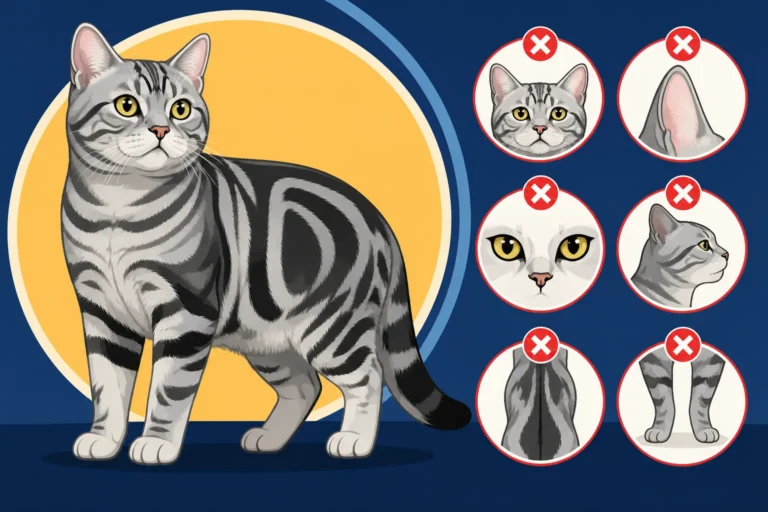
The breed standard for the American Shorthair reflects this working heritage, emphasizing a cat that is medium to large in size, powerful, and well-balanced. It's less about achieving an arbitrary number on a scale and more about proportionality and condition. They should feel substantial, not dainty or overweight. The standard calls for a body that is well-muscled with a broad chest and shoulders, and a medium-long tail that tapers slightly to a blunt tip. You won't find any language encouraging extremes in size or exaggerated features. Instead, the focus is on a natural, athletic appearance that harks back to their utilitarian roots. This balanced approach to their physical characteristics is one of the reasons the breed is often considered a benchmark for feline health and robustness. The American Shorthair Is the Control Group of Cat Breeding is an excellent read if you want to delve deeper into this concept.
Average Size and Weight Ranges
So, what does this "sturdy build" translate to in terms of actual numbers? While there's always individual variation, American Shorthairs generally fall into a predictable range that makes them a medium to large breed. They aren't giants like Maine Coons, but they're certainly not delicate little creatures either.
Typical Weight for Males and Females
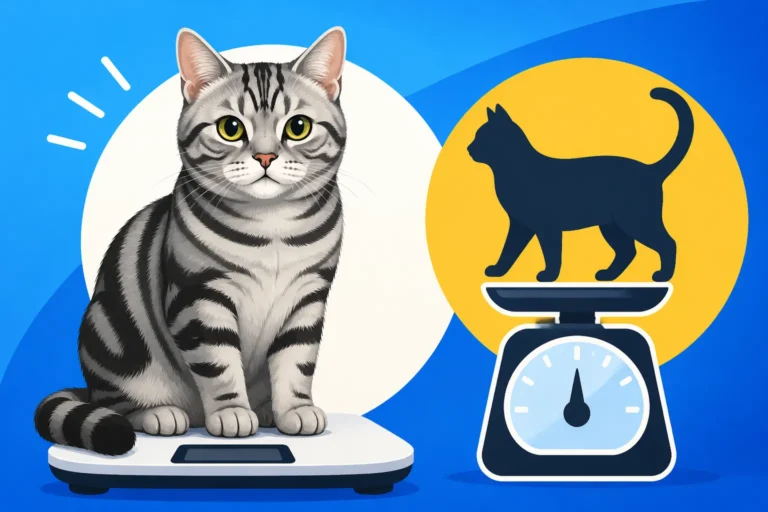
When it comes to weight, you'll generally find that male American Shorthairs are a bit larger than females, which is common across many cat breeds. A healthy adult male American Shorthair typically weighs between 11 to 15 pounds, sometimes even reaching 18 pounds if he's particularly large-framed and well-muscled, without being overweight. These boys are built like little tanks! Females, while still robust, tend to be slightly smaller and daintier, usually weighing in at 8 to 12 pounds. Again, these are averages, and a healthy cat could be slightly outside these ranges depending on their individual genetics and frame.
For a clearer picture, consider this:
| Characteristic | Male American Shorthair (Adult) | Female American Shorthair (Adult) |
|---|---|---|
| Weight Range | 11-15 lbs (up to 18 lbs) | 8-12 lbs |
| Height | 12-14 inches (at shoulder) | 10-12 inches (at shoulder) |
| Body Build | More muscular, broader | Slightly less bulky, refined |
| Time to Maturity | Up to 3-5 years | Up to 2-3 years |
It's important to differentiate a naturally large, muscular cat from one that is carrying extra weight. How to Spot Weight Gain on a Square Built American Shorthair goes into detail about how to assess your cat's condition accurately.
Height and Length Measurements
Beyond weight, their height and length also contribute to their overall impressive presence. An adult American Shorthair typically stands about 10 to 14 inches tall at the shoulder. They have a medium-long body, not overly stretched or "cobby" (compact and stocky), giving them a balanced, athletic silhouette. From the tip of their nose to the end of their tail, they can easily measure 25 to 30 inches or more. That's a substantial cat! Think of them as a well-proportioned athlete – not necessarily tall and lanky, but broad and powerful. They have a definite presence in a room, often moving with a confident, unhurried gait that reflects their sturdy build. How Much a Male American Shorthair Weighs and How Much a Female American Shorthair Weighs offer even more specific insights into these measurements.
Factors Influencing an American Shorthair's Size
While we have average ranges, it's not a one-size-fits-all situation. Several factors play a significant role in determining how big your individual American Shorthair will ultimately get. It's a fascinating mix of nature and nurture, and understanding these elements can help you appreciate your cat's unique growth journey.
Genetics and Lineage
Just like in humans, genetics are paramount in determining a cat's potential size. The size of an American Shorthair's parents and even grandparents will give you a good indication of what to expect. If both parents are on the larger side of the breed standard, you're likely to have a kitten that grows into a substantial adult. Conversely, if the lineage tends towards smaller individuals, your cat might fall on the lower end of the average weight and height spectrum. A reputable breeder will be able to share information about the size and build of their breeding cats, and often their pedigrees will offer clues about the size potential. What an American Shorthair Pedigree Predicts About Size can provide more context on how lineage plays into a cat's final size.
Sometimes, even within the same litter, there can be size variations. This is natural, but looking at the overall trend in the breeding line gives you the best forecast. A quality breeder focuses on breeding to the standard, which includes a robust, well-muscled, and balanced size, rather than chasing extremes.
Nutrition and Diet
What your American Shorthair eats, and how much, is incredibly important for their development and maintaining a healthy adult size. During their growth phase, kittens need a high-quality diet rich in protein and essential nutrients to support bone development and muscle growth. Skimping on nutrition early on can impact their full growth potential.
Once they're adults, proper portion control becomes crucial. Given their history as working cats, American Shorthairs can have a hearty appetite, even if their current "job" is just warming your lap. It's very easy for them to put on excess weight if their food intake isn't carefully managed, especially since their activity levels indoors are often far lower than their ancestors' would have been. Obesity isn't just about looking bigger; it leads to serious health issues like diabetes and joint problems. How Much a Working Framed American Shorthair Should Eat and How Many Calories a Working Framed American Shorthair Needs a Day are vital resources for understanding their dietary needs. Always choose a high-quality cat food, and don't hesitate to consult your vet or even browse a trusted pet supply retailer like Chewy for suitable options that align with their activity level and age.
Activity Levels and Exercise
A muscular cat needs to use those muscles! An American Shorthair that gets regular exercise will maintain a leaner, more athletic build, aligning with their natural robust size. A sedentary cat, even if fed correctly, may lose muscle mass and be more prone to becoming overweight. Providing opportunities for play that mimic hunting – wand toys, chase games, even puzzle feeders – is essential. These activities not only burn calories but also build and maintain muscle tone.
Consider a cat tree for climbing, interactive toys, and dedicated play sessions with you. What an Indoor American Shorthair Does With a Mouser's Instinct highlights how important it is to provide outlets for their natural behaviors. Even a naturally large cat can become disproportionately heavy if they're not active. Think of it like a human athlete: two people might have the same genetic height and bone structure, but the one who exercises regularly will have a much different body composition and overall "size" due to muscle definition and lower body fat.
Growth and Development Timeline
Cats, like all creatures, go through distinct growth phases. While American Shorthair kittens are undeniably adorable, they don't reach their full majestic size overnight. Understanding their growth timeline can help set realistic expectations and ensure they're getting the right care at each stage.
Kitten to Adult Progression
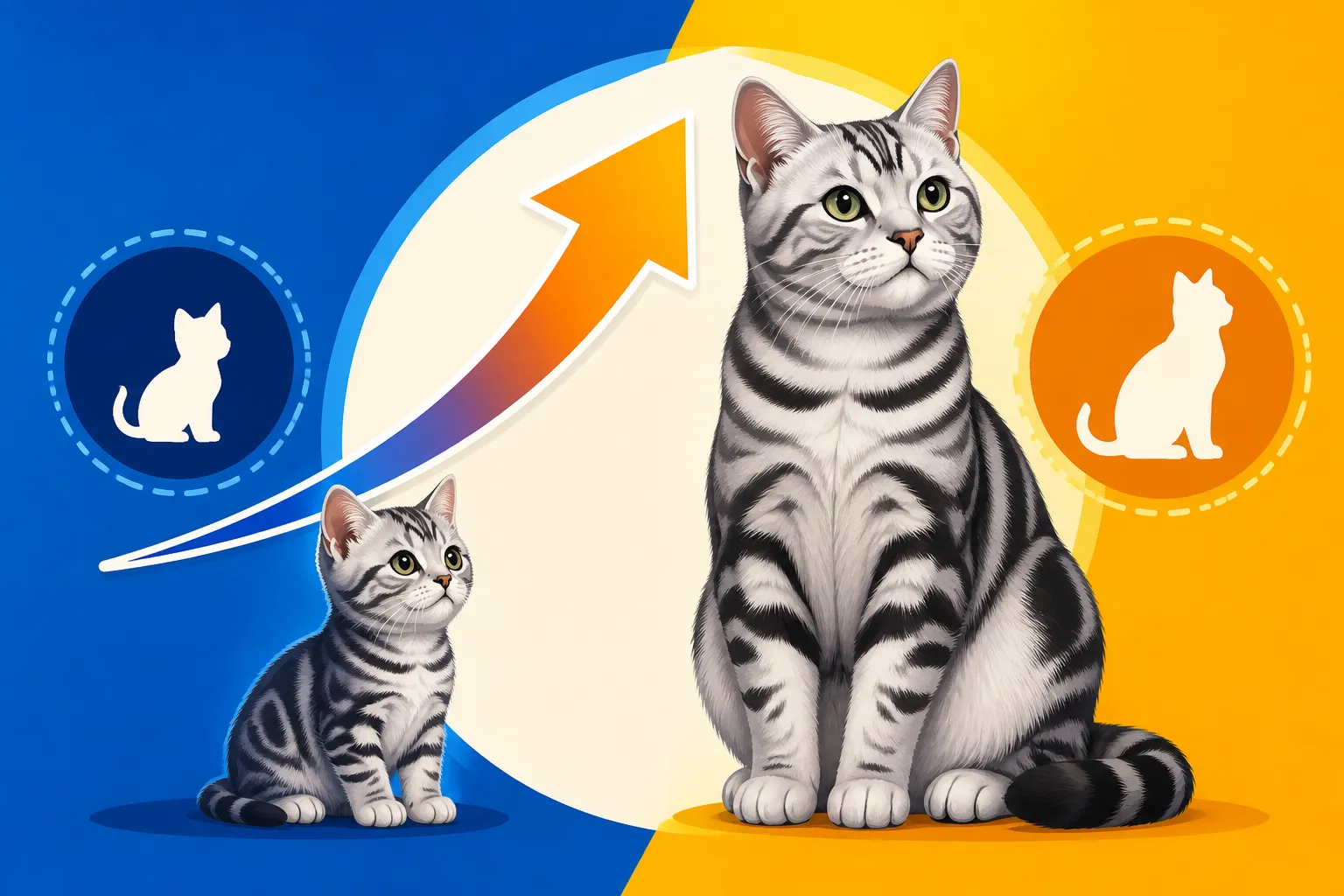
An American Shorthair kitten grows remarkably fast in their first year, much like most cat breeds. By around 6-8 months, they'll have achieved a significant portion of their adult height and length. They'll start to look less like a playful little fluffball and more like a scaled-down version of an adult cat. This is when their muscles begin to really develop, and you'll notice their characteristic sturdy build taking shape. During this intense growth period, it's crucial they receive a high-quality kitten food to support their developing bones and muscles. Many reputable brands found on sites like Chewy offer specialized kitten formulas.
However, here's where the American Shorthair often surprises people: they don't fully mature or fill out until much later than many other breeds. While their skeletal growth mostly finishes by one year, their muscle development and broadening of their chest can continue for quite some time. What an American Shorthair Weighs at One and How Much Is Left can illustrate this point well – they're not "done" at their first birthday.
When They Reach Full Size
For many American Shorthairs, reaching their ultimate size and full robust build is a marathon, not a sprint. While many cat breeds are considered fully grown around 12-18 months, an American Shorthair can continue to fill out and mature until they are three to five years old. Yes, you read that right – up to five years! This means that for several years beyond their first birthday, you might notice your cat slowly getting more substantial, their chest broadening, and their musculature becoming more defined.
This prolonged development period is another nod to their working heritage. It takes time to build the kind of powerful, dense musculature that made them such effective hunters. So, if your one-year-old American Shorthair still seems a bit lanky or not as "broad" as you expected, don't worry. They've likely still got some growing and filling out to do. This gradual maturity is part of what makes them such a hardy breed, allowing their bodies ample time to develop fully without being rushed. When an American Shorthair Reaches Full Size and Why an American Shorthair Takes Three Years to Fill Out delve deeper into this interesting aspect of their growth.
Distinguishing Size from Other Breeds and Domestic Shorthairs
One of the most common questions people have is how to differentiate a genuine American Shorthair, especially by size, from a regular domestic shorthair (DSH) or even other pedigreed breeds. It's a valid query, given that many shelter cats share similar coat patterns and colors.
American Shorthair Versus Domestic Shorthair
At first glance, an American Shorthair can look a lot like a "fancy" version of a domestic shorthair (DSH) or a common tabby cat. After all, the breed itself was once known as the Domestic Shorthair! However, there are key differences, and size is one of them. While a DSH can vary wildly in size – from tiny to surprisingly large – the American Shorthair generally adheres to a more consistent and robust standard.
An American Shorthair, particularly a male, will almost always be more substantial, heavier boned, and more muscular than the average DSH. They have a distinctly broad chest and a powerful, square-ish jaw. A DSH might be long or tall, but often lacks the sheer density and sturdy proportions of a pedigreed American Shorthair. If you were to pick up a truly well-bred American Shorthair and then an average DSH of similar length, you'd likely feel a noticeable difference in weight and solidity. It's like comparing a well-trained athlete to someone who is generally fit but doesn't have the same specific build. How to Tell an American Shorthair From a Domestic Shorthair provides a thorough comparison that helps in identification.
Comparisons with Other Pedigreed Breeds
When placed next to other pedigreed cats, the American Shorthair's size often helps it stand out. They are typically larger and more heavily built than breeds like the Siamese or Abyssinian, which are known for their slender, elegant frames. Their head shape is also distinctly rounder and broader than these breeds.
On the other hand, they are generally not as massive as truly giant breeds like the Maine Coon, which can easily tip the scales at 20 pounds or more and possess significantly longer fur. Nor do they have the extreme "cobby" (very rounded, compact) build of a British Shorthair, which, while also substantial, has a distinctly plush coat and often a more pronounced rounded face. The American Shorthair's size and shape are uniquely balanced, reflecting their historical purpose. They are a medium-large cat with a powerful, athletic build, designed for function and longevity rather than extreme features. For example, while the British Shorthair is also a large cat, its growth trajectory and final size can differ.
Managing Your American Shorthair's Weight
Maintaining a healthy weight is paramount for your American Shorthair's longevity and quality of life. Given their propensity for a hearty appetite and their sturdy frame, it can be a real challenge for owners, but it's one of the most important aspects of their care.
The Dangers of Obesity
An overweight American Shorthair isn't just a bit chunky; they're at significant risk for a host of health problems. The extra pounds put immense strain on their joints, particularly their hips, which can lead to or worsen conditions like arthritis. Their powerful working frame was built for agility, not for carrying excess fat. Beyond joint issues, obesity significantly increases the risk of serious metabolic diseases such as diabetes, which can be life-altering for both cat and owner. It also contributes to heart disease and can make grooming difficult, leading to matted fur and skin issues.
It can be difficult to spot weight gain on a broad-chested, muscular cat, but it's crucial. Their stoic nature means they might hide discomfort or lethargy until problems are advanced. So, don't just assume a big cat is a healthy cat. A cat that's truly "too big" due to fat is suffering. What Extra Weight Does to an American Shorthair's Working Frame details the severe consequences of obesity for this breed.
Healthy Weight Management Strategies
Keeping your American Shorthair at their ideal, muscular weight requires a thoughtful approach to both diet and exercise.
- Portion Control is King: This cannot be stressed enough. Free-feeding, where food is left out all day, is a recipe for weight gain in most American Shorthairs. Measure out their food precisely according to the recommendations on the food bag for their ideal weight, not their current weight, and divide it into two or three meals a day. Remember, their ancestors worked for their meals; modern American Shorthairs don't, so we have to compensate.
- High-Quality, Appropriate Diet: Choose a high-protein, moderate-fat cat food. Many veterinarians recommend wet food for cats, as its higher moisture content can help with satiety and urinary health, and it often has fewer calories per serving than dry kibble. Brands available on Chewy offer a wide selection of weight-management or indoor-cat formulas that can be beneficial.
- Encourage Activity: Provide plenty of opportunities for exercise. Engage them in interactive play sessions with wand toys for 10-15 minutes, two or three times a day. Set up cat trees or shelves for climbing and exploring vertical spaces. Puzzle feeders can also be fantastic, making them "hunt" for their food, burning calories and engaging their minds.
- Regular Vet Checks: Your veterinarian is your best partner in weight management. They can accurately assess your cat's body condition score, recommend specific dietary changes, and rule out any underlying health issues contributing to weight gain. Don't wait until your cat is struggling to move; address weight creep early.
Remember, a healthy American Shorthair is a substantial, muscular cat, not an obese one. Their impressive size should be a testament to their strength and robust health, not a sign of overindulgence.
Disclaimer
This article is for general informational purposes only and does not constitute professional advice. Laws, prices and regulations vary by location and change over time. Consult a qualified professional for guidance on your specific situation.