Why an Old American Shorthair’s Muscle Goes Before Its Fat
It's a disheartening reality many American Shorthair owners face as their beloved cats age: they might seem to be maintaining their weight, or even putting on a little around the middle, but beneath that familiar coat, muscle mass is quietly disappearing. This isn't just a cosmetic change; it's a significant health concern that impacts mobility, energy levels, and overall quality of life. Understanding why an old American Shorthair's muscle goes before its fat is crucial for providing the best care and helping them enjoy their golden years to the fullest.
The Unseen Shift in an Aging American Shorthair's Body
When we think of aging in pets, we often picture a slowdown, perhaps some stiffness, or a little graying around the muzzle. What many don't realize is the profound, often invisible, changes happening internally, particularly with muscle tissue. It's a complex process, but understanding the basics can empower you to make informed decisions for your senior American Shorthair.
Sarcopenia: The Silent Muscle Thief
The primary culprit behind this muscle loss in aging cats is a condition called sarcopenia. This isn't just about weight loss; it's a specific, progressive loss of skeletal muscle mass, strength, and function that occurs with aging. It's a natural part of getting older, much like in humans, but its impact can be profound. Imagine your American Shorthair, once a powerful hunter leaping onto counters or chasing toys with gusto, now struggling to make those same jumps. This isn't just a sign of being "less active"; it's often a direct result of sarcopenia.
Biologically, several factors contribute to this silent muscle theft. As cats age, their metabolism changes. There's a decrease in the rate at which their bodies synthesize new proteins, which are the building blocks of muscle. At the same time, there might be an increase in protein breakdown. Think of it like trying to maintain a building where the repair crew is getting smaller and less efficient, while the demolition crew is working overtime. Hormonal shifts also play a role; levels of anabolic hormones, which promote muscle growth and maintenance, tend to decline with age. Furthermore, chronic, low-grade inflammation, often associated with aging, can also contribute to muscle wasting. It's a perfect storm where the body's ability to maintain and repair muscle tissue significantly diminishes, even if the cat appears otherwise healthy. This is why you might not immediately connect a slight difficulty in jumping with a serious physiological change.
Why Fat Lingers While Muscle Depletes
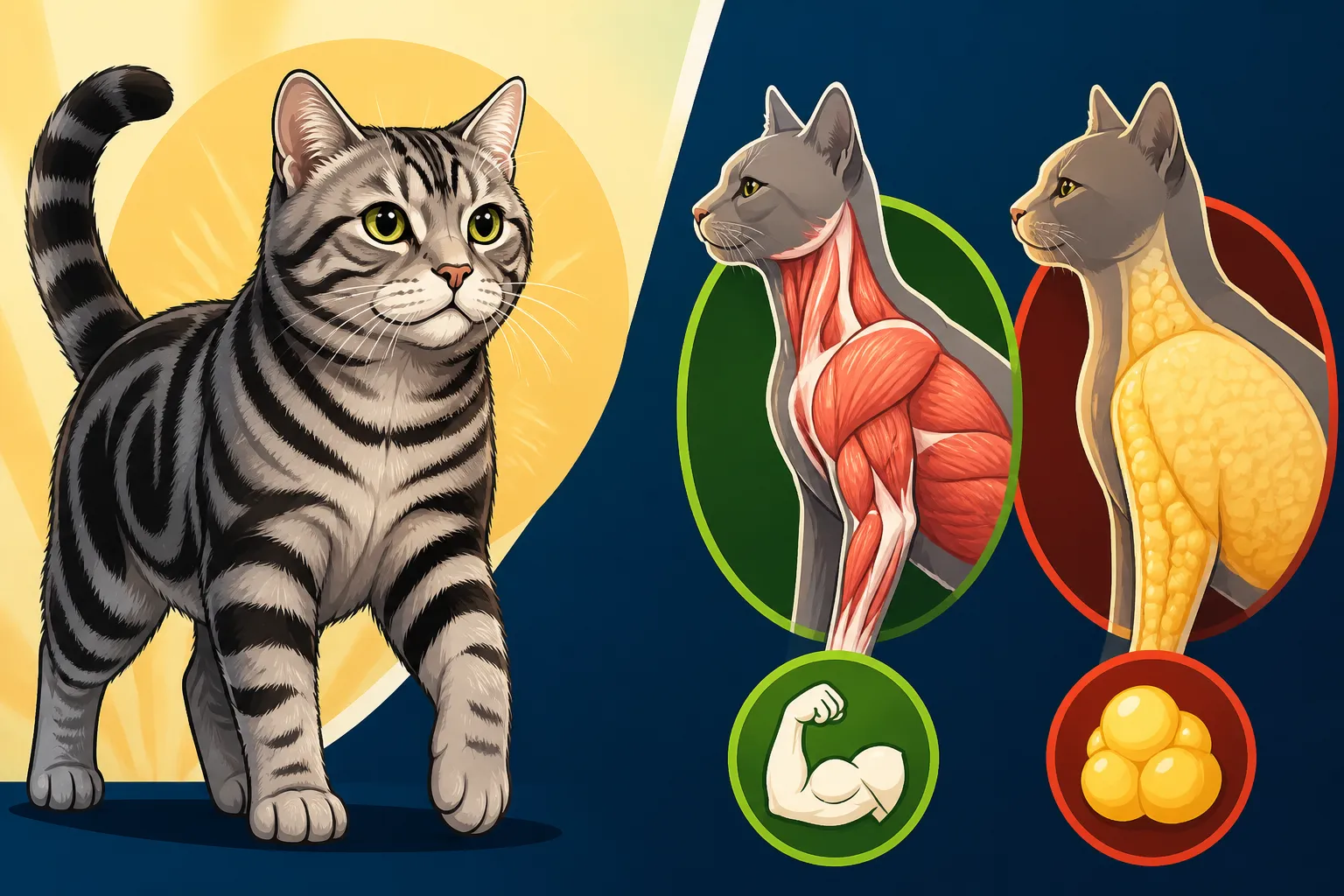
It seems counterintuitive, doesn't it? If a cat is losing muscle, shouldn't they be getting thinner all over? Not necessarily. This is where the "fat before muscle" observation comes in. Even as muscle mass decreases, fat can remain stubbornly present, or even increase. This gives the misleading impression that the cat is still a healthy weight, when in fact, their body composition is shifting in an unhealthy direction. A classic American Shorthair is known for its sturdy, well-muscled frame, but even they are susceptible to this internal change. What an American Shorthair Should Weigh at Its Frame
One major reason for fat retention is a reduction in activity levels. An older American Shorthair naturally slows down; they might sleep more, play less intensely, and move around the house with less vigor. This decrease in physical activity means they burn fewer calories. However, many owners, out of habit or love, continue to feed the same amount of food they always have, or sometimes even increase it, mistakenly thinking their cat needs "more energy" or a special treat. This calorie intake, coupled with reduced energy expenditure, creates an imbalance. The body, being incredibly efficient, will store excess calories as fat. Moreover, fat tissue is less metabolically active than muscle tissue, so a body with more fat and less muscle has a lower overall metabolic rate, making it harder to burn off calories. This creates a vicious cycle: less muscle means less activity, which means more fat, and more fat makes activity even harder. You might notice your cat looking a little "softer" or having a slight paunch, even if their ribs are still somewhat palpable.
The Far-Reaching Impact of Muscle Loss
The consequences of sarcopenia extend far beyond just looking a bit less toned. Muscle is fundamental to a cat's movement, strength, and overall physiological function. When this critical tissue diminishes, it sets off a cascade of effects that can severely compromise an American Shorthair's quality of life and make them more susceptible to other health issues.
Compromised Mobility and Daily Activities
Imagine trying to navigate your home if your legs were constantly weak and your joints stiff. That's a bit like what an American Shorthair with significant muscle loss experiences. Activities they once performed effortlessly, like jumping onto the sofa, climbing cat trees, or even using a high-sided litter box, become challenging, painful, or even impossible. You might notice them hesitating before a jump, opting for stairs instead of a direct leap, or even struggling to get comfortable when lying down. A subtle limp or an unwillingness to engage in favorite games could be early indicators. How an Old American Shorthair Shows Its Joints Hurt
Beyond just getting around, muscle loss affects their ability to perform basic self-care. Grooming, a vital feline activity, becomes difficult if they can't twist their body or reach their back adequately. This can lead to matted fur, skin issues, and even discomfort. Eating and drinking can also be impacted; if bending down is painful, or if muscle weakness affects their head and neck, they might eat less or struggle to maintain proper posture at their food bowls. This decline in daily activities directly impacts their independence and can lead to frustration or withdrawal. It's often mistaken for just "getting old" when, in fact, targeted interventions could make a big difference in maintaining their functional mobility.
Increased Frailty and Health Vulnerabilities
Muscle isn't just for movement; it's a vital reserve for the body. When an American Shorthair loses significant muscle mass, they become physically frailer and less resilient. This means they are more vulnerable to injury, illness, and have a harder time recovering from medical procedures or stress. A simple fall that a younger, muscular cat would shrug off could lead to a serious injury in a sarcopenic senior.
Consider a cat undergoing surgery or fighting off an infection. Muscle tissue provides critical amino acids and energy reserves that the body can draw upon during periods of stress, illness, or poor appetite. Without these reserves, recovery is slower, and the cat is at a higher risk of complications. Their immune system might not function as effectively, making them more prone to infections. Even simple things like maintaining body temperature can become harder. It's a stark reminder that what seems like a simple loss of strength is actually a reduction in the body's overall protective capabilities. This frailty can significantly shorten their healthy lifespan and increase the burden of care. Caring for an American Shorthair Past Twelve Your stoic American Shorthair might not openly complain, so it's up to us to recognize these subtle signs of increasing vulnerability. Why a Stoic American Shorthair Hides Pain the Longest
| Feature | Healthy Aging Cat | Cat with Sarcopenia |
|---|---|---|
| Activity Level | Gradual slowdown, still enjoys play, uses cat tree | Significant decline, hesitant to jump, struggles with stairs |
| Body Shape | Well-proportioned, visible muscle definition | Appears "soft" or "flabby" despite average weight, prominent hips/shoulders |
| Muscle Feel | Firm to the touch | Soft, less dense, sometimes "stringy" |
| Mobility | May be slower, but still agile and balanced | Stiff, wobbly gait, reduced jump height, difficulty balancing |
| Appetite | Consistent, healthy | May fluctuate, sometimes less interested in food |
| Grooming | Regular, thorough | Less effective, matted fur, dirty patches |
| Strength | Still able to exert force | Noticeable weakness, struggles to push off |
Proactive Strategies to Preserve Muscle Mass
While sarcopenia is a natural part of aging, it doesn't mean we are powerless to mitigate its effects. Proactive care, particularly in the areas of nutrition and gentle activity, can significantly help preserve muscle mass and keep your American Shorthair feeling spry and strong for longer. It's about recognizing the shift and adjusting your care routine accordingly.
Tailoring Nutrition for Senior Muscle Health
The diet of an aging American Shorthair needs careful consideration, especially if you're battling muscle loss. The common misconception that older cats need less protein is often incorrect. In fact, senior cats, particularly those experiencing sarcopenia, often require more high-quality protein to counteract the natural decline in protein synthesis. Their bodies aren't as efficient at utilizing protein as they once were, so a higher intake helps ensure they have enough building blocks for muscle repair and maintenance.
Look for cat foods specifically formulated for senior cats, which often have an optimized protein-to-calorie ratio. The protein source matters too; highly digestible animal-based proteins are best. You might also consider incorporating wet food if you're not already, as the higher moisture content can be beneficial for overall health, including kidney function, which is a common concern in older cats. Fresh, human-grade food options can provide high-quality protein and palatable meals, which is essential if your senior cat's appetite is waning. Always discuss any significant dietary changes with your veterinarian, who can recommend specific prescription diets if needed, some of which are readily available through online retailers like Chewy. Why an Old American Shorthair Needs Food It Can Manage Moreover, ensuring adequate calorie intake without overfeeding is a delicate balance; you want to provide enough energy to support muscle, but not so much that it leads to unwanted fat gain. How Many Calories a Working Framed American Shorthair Needs a Day
Encouraging Gentle Movement and Mental Enrichment
Just because your American Shorthair is older doesn't mean they should become a sedentary couch potato. Gentle, consistent activity is vital for stimulating muscle maintenance and preventing further loss. The key is gentle and appropriate. Intense, high-impact play sessions are likely out, but shorter, more frequent bouts of mild activity can make a huge difference.
Think about ways to encourage natural movements. Interactive wand toys, for instance, can mimic prey without requiring your cat to leap great heights. Placing food bowls on different levels (if they can still comfortably reach them) or using puzzle feeders can encourage a bit of walking and mental engagement. Products available on Amazon, such as puzzle feeders or lower-level climbing steps, can make their environment more enriching and accessible. Ensure their favorite napping spots and resources like litter boxes and water bowls are easily accessible. If they loved climbing, invest in sturdy, lower cat trees or ramps that allow them to reach elevated spots without undue strain. Mental stimulation is just as important; keep their minds active with new toys, rotating their environment slightly, or simply more interaction from you. Remember, even a senior American Shorthair still has that underlying hunter instinct, and a little mental and physical engagement can keep their muscles working and their spirits high. When a Working Bred American Shorthair Counts as Senior
Partnering with Your Vet for Optimal Senior Care
You are your American Shorthair's primary advocate, but your veterinarian is your indispensable partner in navigating the complexities of senior pet care. Regular check-ups and open communication are critical for early detection, intervention, and creating a tailored care plan that addresses muscle loss and overall well-being.
Regular Assessments and Body Condition Tracking
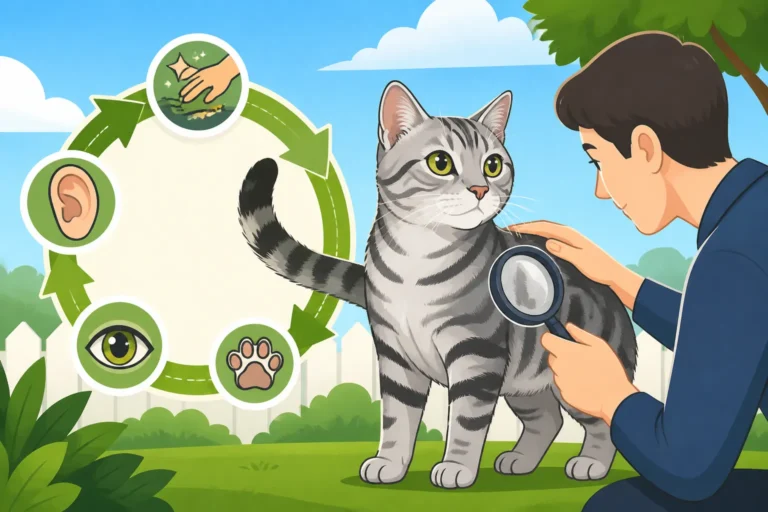
It's easy to miss subtle changes in an aging cat, especially with their stoic nature. This is why regular veterinary check-ups become even more important as your American Shorthair enters their senior years. Your vet won't just perform a general physical; they will specifically assess your cat's muscle condition score (MCS) and body condition score (BCS). These scores help quantify muscle loss and fat levels, providing an objective measure of your cat's physical state. You can learn to do a basic assessment at home too, feeling along their spine and hips to note changes in muscle padding. How to Score a Square Built American Shorthair's Body Condition
Don't wait until you see obvious signs of struggle; by then, significant muscle loss may have already occurred. These routine visits allow your vet to track changes over time, identify trends, and intervene early. They can also provide guidance on appropriate diet and exercise modifications specific to your cat's needs and current health status. Remember, even a small, consistent effort in monitoring can prevent larger problems down the line and help your vet catch issues before they become severe. Why an Old American Shorthair's Weight Should Be Watched
Addressing Underlying Medical Conditions
Sarcopenia rarely occurs in isolation. It's often intertwined with other age-related health issues that can either contribute to muscle loss or be exacerbated by it. Conditions such as dental disease, kidney disease, hyperthyroidism, and even arthritis can directly impact a cat's appetite, nutrient absorption, and activity levels, all of which play a role in muscle maintenance. For example, painful teeth can make eating difficult, leading to reduced calorie and protein intake. How Kidney Disease Creeps Up on an Old American Shorthair Hyperthyroidism, while often causing weight loss, can specifically lead to muscle wasting as the body's metabolism runs in overdrive. Why Hyperthyroidism Catches a Long Lived American Shorthair
Your vet will perform diagnostic tests, such as blood work and urinalysis, to screen for these common senior ailments. If an underlying condition is identified, managing it effectively is a critical step in preserving muscle mass. For instance, treating hyperthyroidism can stabilize metabolism and help prevent further muscle breakdown. Similarly, managing chronic pain from arthritis can make your cat more willing to move and engage, indirectly supporting muscle health. A comprehensive approach, addressing both sarcopenia and any co-existing conditions, offers the best chance for your American Shorthair to maintain strength and vitality throughout their senior years.
Disclaimer
This article is for general informational purposes only and does not constitute professional advice. Laws, prices and regulations vary by location and change over time. Consult a qualified professional for guidance on your specific situation.