Why Injection Site Sarcoma Worries an American Shorthair Owner
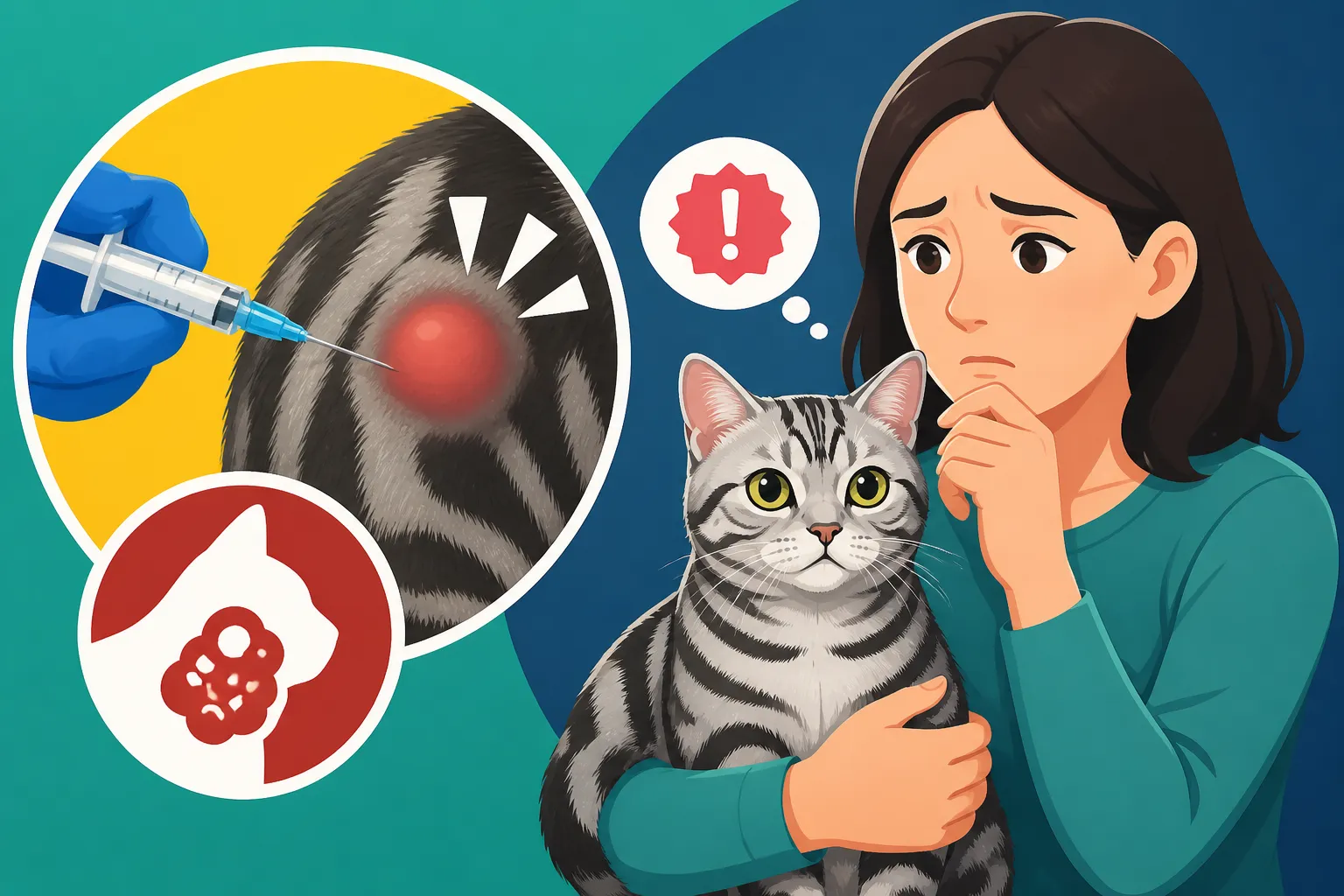
The worry that a simple, routine injection could lead to something as serious as cancer is a truly frightening thought for any cat parent, especially when you’re doing your best to keep your beloved American Shorthair healthy and safe. This fear of injection site sarcoma (ISS), sometimes also called feline injection site sarcoma (FISS), is a very real and understandable concern that has left many of us questioning the very procedures designed to protect our feline companions. This comprehensive guide will help you understand what injection site sarcoma is, why it's a concern for American Shorthair owners, how it's diagnosed and treated, and most importantly, what steps you can take to minimize the risk for your cat.
Understanding Injection Site Sarcoma in American Shorthairs
It's natural to feel a knot in your stomach when you hear about a rare but aggressive cancer linked to something as common as vaccinations. For American Shorthair owners, who often appreciate their breed for its generally robust health and longevity, this particular concern can feel like a cruel twist. Let's break down exactly what we're talking about and why it became such a topic of discussion in veterinary medicine.
What Exactly Is Injection Site Sarcoma?
At its heart, an injection site sarcoma is a type of aggressive, malignant tumor that develops at the site of a previous injection. These aren't your typical benign lumps or temporary swelling. Instead, they are typically firm, fixed masses that grow rapidly and can infiltrate surrounding tissues, making them incredibly difficult to remove completely. While rare, they are particularly nasty because of their aggressive local nature and a tendency to recur even after extensive surgery. They can spread through the lymphatic system, though this is less common than local recurrence.
For years, the medical community observed these unusual tumors in cats, often in areas where vaccines or other injectable medications (like long-acting antibiotics or microchips) were commonly given, particularly between the shoulder blades. This observation led to intense research and the eventual recognition of ISS as a distinct clinical entity. It’s not just a lump; it’s a specific type of aggressive connective tissue cancer.
The Historical Link to Vaccines
The discussion around injection site sarcomas really gained traction in the late 1980s and early 1990s. Vets and researchers started noticing an alarming increase in these aggressive tumors, predominantly in cats. What was particularly striking was their location: often in the interscapular region (between the shoulder blades), which was a common site for feline vaccinations, especially rabies and feline leukemia virus (FeLV) vaccines.
Initially, the finger was pointed at adjuvants, which are substances added to some vaccines to boost the immune response. Aluminum adjuvants, in particular, became a primary suspect. The theory was that chronic inflammation caused by these adjuvants might trigger a cancerous transformation in susceptible cats. While research has moved beyond singling out adjuvants entirely, and now considers chronic inflammation from any injectable substance a potential trigger, the strong correlation with certain vaccines, particularly those for FeLV and rabies, cannot be ignored. This historical context is crucial because it directly led to significant changes in veterinary practices, vaccine formulations, and even vaccination protocols for cats. If you're wondering, "Why an American Shorthair still needs a yearly heart scan," or even how regularly a healthy American Shorthair still needs checking, understanding the broader context of preventive care and potential risks like ISS is part of the picture.
The Real Risk for Your American Shorthair
It's easy to get overwhelmed by information and statistics when it comes to rare diseases. The important thing is to understand the actual risk for your individual American Shorthair and how to approach it.
Pinpointing the Vaccinations of Concern
While any injection can theoretically cause an ISS, certain vaccines have historically been more strongly implicated. The core culprit in many early cases was the FeLV vaccine and certain rabies vaccines, particularly those containing aluminum adjuvants. These were often given annually, and the persistent inflammatory response at the injection site was thought to be a contributing factor.
However, veterinary medicine has evolved. Many manufacturers now offer non-adjuvanted versions of these vaccines, which are generally considered to have a lower, though not zero, risk of causing ISS. Your veterinarian will weigh the specific risks and benefits for your American Shorthair. For example, if your cat is an indoor-only cat, the discussion around "Whether an outdoor American Shorthair needs FeLV cover" becomes particularly relevant. An indoor American Shorthair might not need the FeLV vaccine, thus removing that particular risk factor. The conversation about which vaccines an indoor American Shorthair actually needs is vital and should be tailored to their lifestyle.
Other injections that have been implicated include long-acting corticosteroids, certain antibiotics, and even microchips. It's not just vaccines, but any injection that creates a prolonged inflammatory response.
Genetic Predisposition and Breed Risk
You might be wondering if American Shorthairs, with their solid working-class genetics, are more or less prone to injection site sarcomas. The good news is that there's currently no strong evidence to suggest that American Shorthairs, specifically as a breed, are inherently at a higher risk for developing injection site sarcomas compared to other breeds. The general consensus among veterinary oncologists is that this is a risk for any cat, regardless of breed.
The primary risk factors remain the type of injectable substance, particularly the presence of adjuvants, and the frequency/location of injections. However, individual cats can have varying immune responses, and genetics might play a subtle role in a cat's overall inflammatory response, but it’s not breed-specific in the way some genetic diseases are. This is part of the reason why breeds like the American Shorthair are often considered a benchmark for feline health, a topic explored in "What an American Shorthair with no designer defect gets instead." Their generally robust health profile means any deviation warrants careful attention.
The "1-2-3 Rule" for Owners
This is a really helpful, practical guideline developed by veterinary oncologists to help owners and vets determine when an injection site lump should be investigated more thoroughly for potential sarcoma. It's simple and easy to remember:
- 1: If a lump persists for 1 month or longer after an injection.
- 2: If a lump is larger than 2 cm (about the size of a marble or a small grape) in diameter.
- 3: If a lump is still growing 3 months after the injection.
If any of these criteria are met, it's absolutely crucial to get that lump checked out by your veterinarian. Don't wait. Early detection and aggressive intervention are key when dealing with potentially aggressive tumors like sarcomas. When considering the overall health costs, remember that services like Healthy Paws pet insurance can provide a safety net for unexpected diagnostic and treatment expenses for conditions like this, helping you focus on your cat's well-being.
Recognizing the Signs and Getting a Diagnosis
Finding a lump on your cat, especially where they’ve had an injection, can send shivers down your spine. Knowing what to look for and what steps your vet will take can help ease some of that anxiety and ensure prompt action.
What to Look For at the Injection Site
After any injection, it's normal to feel a small, soft swelling at the site. This is usually just local inflammation or the vaccine fluid itself, and it should disappear within a few days to a couple of weeks. However, with an injection site sarcoma, things feel different.
Here’s what to pay close attention to:
- Persistence: As mentioned in the 1-2-3 rule, if the lump doesn’t go away within a month, it's a red flag.
- Size: A lump larger than 2 cm is concerning. These tumors can sometimes grow quite large, even several centimeters in diameter.
- Texture: ISS masses are typically firm, hard, and fixed to the underlying tissue. They don't usually move freely under the skin like a benign fatty lump (lipoma) might.
- Growth: If you notice the lump getting bigger over time, especially after the initial post-injection swelling should have subsided, it needs immediate attention.
- Location: While traditionally seen between the shoulder blades, modern protocols aim for new injection sites. Be vigilant no matter where the injection was given, including the limbs or tail.
Make it a habit to gently palpate your American Shorthair every week or two, especially after vet visits or if they’ve had any injections. Regular "petting checks" can help you spot any changes early, which is essential for Caring for an American Shorthair Past Twelve as well as during their younger years.
The Diagnostic Journey
If you find a suspicious lump, your vet will begin a thorough diagnostic process. This isn't just a quick peek; it’s a detailed investigation because of the serious nature of these tumors.
- Physical Examination: Your vet will carefully feel the lump, assessing its size, texture, mobility, and attachment to surrounding tissues. They'll also check nearby lymph nodes, as these tumors can sometimes spread.
- Fine Needle Aspirate (FNA): This is often the first step. A small needle is inserted into the lump to collect cells, which are then examined under a microscope by a pathologist. While an FNA can sometimes provide a strong suspicion of sarcoma, it’s not always definitive because sarcomas can be heterogeneous, and the sample might miss the cancerous cells. It can, however, rule out other types of lumps like abscesses or benign cysts.
- Biopsy: If the FNA is inconclusive or highly suspicious, a surgical biopsy is the next critical step. This involves removing a small piece of tissue from the lump for histopathological examination. This is often the only way to get a definitive diagnosis and determine the type and grade of the tumor.
- Imaging: Before surgery, your vet might recommend imaging, such as X-rays, ultrasound, or even advanced imaging like CT scans or MRI. These are crucial for understanding the extent of the tumor locally (how deep it goes, what structures it’s invading) and for checking for any signs of metastasis (spread to other parts of the body, though this is less common with ISS than local recurrence). This comprehensive approach helps the veterinary team plan the most effective treatment. When considering procedures that might require anesthesia, it’s good to know that Why an American Shorthair is a low anesthetic risk generally applies to this hardy breed, but pre-anesthetic bloodwork (which would be part of a What a full American Shorthair panel actually screens for check) is always important.
Treatment Options and Prognosis
Discovering your American Shorthair has an injection site sarcoma is devastating, but understanding the treatment options available can help you make informed decisions. The approach to ISS is typically aggressive, reflecting the nature of the tumor.
Aggressive Surgical Excision
The cornerstone of treatment for injection site sarcoma is aggressive surgical removal. This is not a simple lumpectomy. Due to the way these tumors infiltrate surrounding tissues, a wide and deep margin of healthy tissue must be removed around the visible tumor. This can sometimes mean removing a significant amount of muscle or even bone.
For tumors located on a limb, amputation is often recommended if the tumor is large or has invaded deeply, as this offers the best chance for complete removal and long-term control. While it sounds drastic, cats adapt remarkably well to three legs and can live full, happy lives. The goal is always to achieve "clean margins," meaning no cancerous cells are detected at the edges of the removed tissue under microscopic examination. Achieving clean margins significantly reduces the risk of local recurrence, which is a major challenge with ISS. A pet insurance plan like those from Healthy Paws can be incredibly beneficial here, as such extensive surgeries and subsequent care can be quite costly.
Adjuvant Therapies
Even with aggressive surgery, the recurrence rate for injection site sarcomas can be high. This is why adjuvant therapies, meaning therapies given in addition to surgery, are often recommended to improve the prognosis.
- Radiation Therapy: This is frequently used post-surgically, especially if clean margins could not be definitively achieved or if the tumor was particularly aggressive. Radiation aims to kill any remaining microscopic cancer cells in the surgical bed. It involves multiple sessions and can require anesthesia for each treatment.
- Chemotherapy: The role of chemotherapy in ISS is less clear-cut than in some other cancers. It's generally considered for cases with a high risk of metastasis or for tumors that are highly aggressive, but its effectiveness in preventing local recurrence is debated. It's often used in conjunction with surgery and/or radiation.
- Immunotherapy: Research into novel immunotherapies, which aim to boost the cat's own immune system to fight the cancer, is ongoing. These treatments are less common but represent a promising area of future development.
The combination of therapies will depend on the specific characteristics of the tumor, its location, and your cat’s overall health. Your veterinary oncologist will help you navigate these complex choices, always with your American Shorthair's best interests at heart.
Long-Term Outlook
The prognosis for injection site sarcoma can be guarded, primarily because of the high rate of local recurrence. Even with aggressive surgery and adjuvant therapies, recurrence can happen.
- Recurrence: If a tumor recurs, it often does so within a year of the initial surgery. Subsequent surgeries become more challenging due to scar tissue and the potential for wider infiltration.
- Metastasis: While local recurrence is the main concern, ISS can metastasize (spread) to distant sites, most commonly the lungs, though this is less frequent.
- Quality of Life: Throughout treatment, maintaining a good quality of life for your American Shorthair is paramount. This means managing pain, ensuring good nutrition, and providing comfort. Many cats undergo these treatments and go on to live for months or even years, often with a good quality of life.
The long-term outlook is improved with early detection, aggressive initial treatment, and a dedicated follow-up plan. Regular vet check-ups, even for a generally healthy breed like the American Shorthair, are crucial for catching any issues early. Think about how a vet manages an American Shorthair with HCM, for instance—consistent monitoring is key to managing any significant health challenge.
Proactive Prevention and Management for American Shorthair Owners
While we can't eliminate the risk of injection site sarcoma entirely, there are many proactive steps American Shorthair owners and their veterinarians can take to significantly reduce the risk and ensure the best possible outcome if a lump does appear.
Strategic Vaccination Sites
This is one of the biggest changes in veterinary practice driven by the concern over ISS. The days of routinely vaccinating cats between the shoulder blades are largely over. Now, the recommendation is to inject vaccines in specific, easily identifiable locations, ideally in the distal (lower) part of a limb or even the tail.
Here's why:
- Limb or Tail Injections: If a sarcoma were to develop at one of these sites, it would be much easier to perform a wide surgical excision, potentially even an amputation, to remove the tumor completely, offering a better prognosis. For instance, a FeLV vaccine might be given in the left hind limb, and a rabies vaccine in the right hind limb.
- Microchips: Similarly, microchips are now often placed in the left shoulder area or on a limb, away from critical trunk areas. What an American Shorthair's microchip costs is a small price for the safety it provides, but where it's placed is just as important.
Your vet should be documenting precisely where each injection is given in your cat's medical record. Don't hesitate to ask your vet about their injection site protocols and ensure they are following current best practices.
Choosing the Right Vaccines
The conversation around vaccine choice is nuanced and should always be had with your veterinarian, who knows your American Shorthair's lifestyle and risk factors best.
- Non-Adjuvanted Vaccines: Wherever possible, especially for FeLV and rabies vaccines, veterinarians often prefer to use non-adjuvanted vaccine formulations. These are believed to reduce the inflammatory response at the injection site and thus lower the risk of ISS.
- Individualized Risk Assessment: Not every vaccine is necessary for every cat. For example, if your American Shorthair lives strictly indoors, Whether an outdoor American Shorthair needs FeLV cover is likely a 'no,' meaning that particular vaccine may not be required, eliminating that potential risk. Your vet will discuss your cat's exposure risk to various diseases and tailor a vaccination schedule accordingly.
- Core vs. Non-Core Vaccines: Ensure your cat receives essential "core" vaccines (like FVRCP, which protects against Feline Viral Rhinotracheitis, Calicivirus, and Panleukopenia) but carefully consider "non-core" vaccines based on individual risk.
- Frequency: While many vaccines used to be given annually, some now have a 3-year duration of immunity, meaning fewer injections over your cat’s lifetime. This reduces cumulative exposure.
Consistent Monitoring at Home
You are your American Shorthair's first line of defense! Regular, gentle palpation of your cat, especially at recent injection sites, is crucial.
- Daily or Weekly Checks: Make it a habit to feel around any injection sites after vet visits. Continue to monitor these areas weekly for at least a few months.
- Know Your Cat: Understand what normal feels like for your American Shorthair. Their weight and general body condition are important benchmarks, but also learn the feel of their skin and muscles. This makes it easier to spot anything unusual.
- Don't Panic, But Act: If you find a lump, don't immediately assume the worst, but do contact your vet promptly. Remember the 1-2-3 rule. Early detection makes a significant difference in treatment success.
By being proactive, asking questions, and working closely with your veterinarian, you can provide the best possible care for your American Shorthair and minimize the worries associated with injection site sarcoma. It's all part of What an American Shorthair breeder should have screened and continued vigilance throughout their life.
Here's a quick reference table outlining common injection sites and current recommendations:
| Type of Injection | Traditional/Historical Site | Current Recommended Sites | Rationale for Change |
|---|---|---|---|
| Rabies Vaccine | Between shoulder blades | Right hind leg, distal | Allows for limb amputation if sarcoma develops, avoids trunk. |
| FeLV Vaccine | Between shoulder blades | Left hind leg, distal | Same as rabies vaccine, keeps sites separate. |
| FVRCP Vaccine | Between shoulder blades | Right front leg, distal | Lower risk, but still uses distal limb for easy removal. |
| Microchip | Between shoulder blades | Left shoulder or limb | Ease of detection, less critical area for surgery. |
| Other Injections | Varying, often scruff | Distal limb, lateral body wall | Maximizes potential for complete surgical removal. |
Disclaimer
The information provided in this article is for educational purposes only and is not a substitute for professional veterinary advice. Always consult with your veterinarian regarding your American Shorthair's specific health concerns, diagnosis, and treatment options. Medical information is constantly evolving, and only your vet can provide personalized care based on your cat's individual needs.