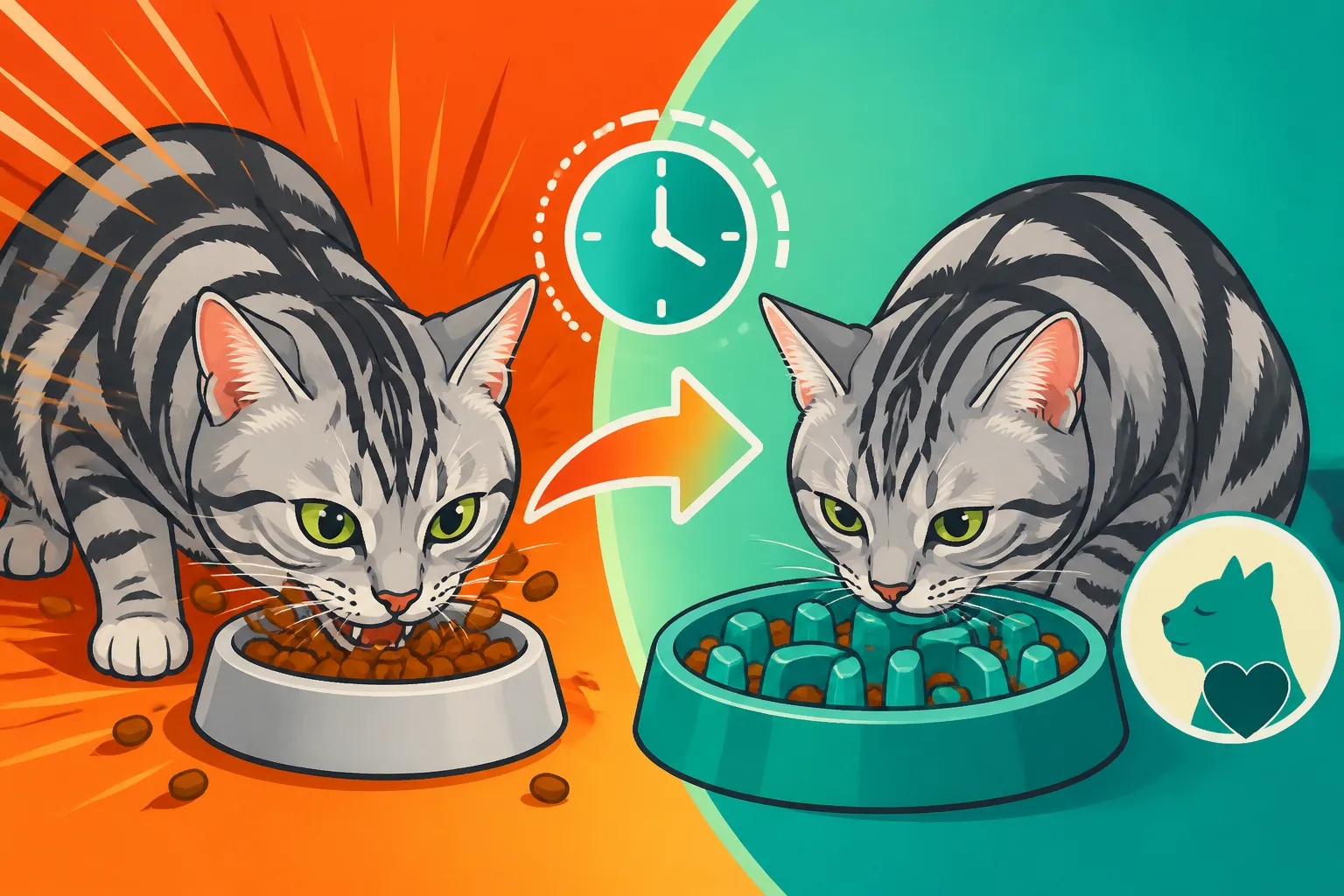
Whether a Slow Feeder Slows an American Shorthair Down
It's a familiar scene in many American Shorthair households: your beloved feline scarfs down their entire meal in what feels like mere seconds, only to sometimes bring it all back up a few minutes later, or immediately start begging for more. This frantic eating isn't just a messy nuisance; it can lead to digestive issues, weight gain, and a general lack of mealtime enrichment for your smart, capable cat. This guide is here to dive deep into whether slow feeders truly offer a viable solution to this common problem for your American Shorthair, and how to best implement them.
The Root Cause of Rapid Eating in American Shorthairs: Instinct and History
When you see your American Shorthair inhale their food, it’s easy to think they’re just being greedy, but the truth runs much deeper than that. Their behaviors are deeply wired into their genetic makeup, a legacy from generations of working cats. Understanding this history is key to approaching their feeding habits with empathy and strategy.
Echoes of the Hunter's Feast
Imagine your American Shorthair's ancestors, the robust, independent cats that roamed farms, ships, and early American settlements. These cats weren't handed a perfectly portioned bowl of kibble twice a day. They worked for every meal, hunting mice, rats, and other small prey. When a catch was made, especially if other animals were nearby, eating quickly was a matter of survival. It secured their meal before a competitor could snatch it away. This instinct to devour quickly is a deeply ingrained survival mechanism, a hardwired response to a world where food resources were uncertain and often fleeting.
Even though our modern American Shorthairs live a life of comfort and predictable meals, that ancient programming still whispers in their ears. They don't know the next meal is guaranteed; their instinct tells them to consume what's in front of them with urgency. It's not greed, it's a survival trait that, while maladapted to a domestic setting, is still very much present. This heritage is what makes them such effective hunters even today, as discussed in How an American Shorthair Hunts.
The Modern American Shorthair's Dilemma
Our domestic environments have created a paradox for the American Shorthair. We've removed the "hunt" from mealtime, yet the drive to eat quickly remains. In the wild, or even on the farm, the act of stalking, capturing, and consuming prey provided both physical exertion and significant mental stimulation. The hunt was the work, and the meal was the reward, earned through effort and strategy.
Now, food simply appears in a bowl. There's no challenge, no mental engagement, just immediate gratification. This sudden shift from hunter to passive consumer can lead to a few issues. Firstly, without the preparatory "work" of the hunt, they might feel less satisfied even after eating. Secondly, the lack of mental stimulation at mealtime means that this natural energy isn't being channeled productively. For a breed that once relied heavily on its wits and agility to secure its dinner, a simple bowl of food can be underwhelming, even boring. It can also exacerbate tendencies for overeating, as the satisfaction cues from the hunt are missing, leaving them feeling less satiated even on a full stomach.
The Unwanted Side Effects of Speedy Meals
While fast eating might seem like a minor annoyance, especially if your American Shorthair is otherwise healthy, it comes with a cascade of potential issues that can impact their comfort, digestion, and overall health. Owners often don't connect these problems directly to eating speed, but they're very much related.
Digestive Distress and Regurgitation
Perhaps the most immediate and visible consequence of rapid eating is regurgitation. You've probably experienced it: a full bowl one moment, a half-digested pile on the rug the next. When an American Shorthair eats too quickly, they tend to gulp down a lot of air along with their food. This air, combined with rapidly ingested food, can overload their stomach, leading to discomfort and often, the quick expulsion of their meal. It's not true vomiting, which involves abdominal contractions; rather, it's regurgitation, where the food comes back up largely undigested because it hasn't had time to move further into the digestive tract.
Beyond the immediate mess, this constant regurgitation can be hard on their esophagus and can lead to a general feeling of indigestion. If they're not holding their food down, they're also not absorbing nutrients efficiently, which over time could have health implications. It's a frustrating cycle for both cat and owner, as you worry about their health while constantly cleaning up.
The Slippery Slope to Weight Gain
Fast eating is a significant, yet often overlooked, contributor to feline obesity, a growing concern for breeds like the American Shorthair. When a cat eats too quickly, their brain doesn't receive the "fullness" signals from their stomach and hormones in a timely manner. It takes a little while for the body to register that it has consumed enough calories. If the food is gone in 30 seconds, the cat might still feel hungry, leading them to beg for more or seek out additional food if available. This can easily lead to overfeeding, as owners mistakenly believe their cat is still truly hungry.
This tendency for quick consumption, coupled with the breed's naturally hearty appetite—a remnant of their working past where calories were burned actively in hunting—creates a perfect storm for weight gain. An indoor American Shorthair simply doesn't burn the same amount of calories as its ancestors did, and their innate drive to eat quickly compounds the problem. This can be a real struggle, and it's why understanding Why an American Shorthair's Appetite Outlasted Its Job is so important. Excess weight, in turn, can lead to a host of other health issues, including joint problems, diabetes, and heart strain.
Boredom and Lack of Mental Enrichment
For a cat as intelligent and historically active as the American Shorthair, mealtime should be more than just a quick pit stop. In their natural state, finding and securing food was a primary activity, providing crucial mental and physical stimulation. In our homes, a bowl of food offers none of this. This lack of engagement during a biologically significant activity can contribute to boredom.
A bored American Shorthair might start looking for other ways to occupy itself, which can manifest in less desirable behaviors like destructive scratching, excessive meowing, or even pestering you for attention not related to genuine need. By making mealtime a challenging and engaging activity, you're not just slowing down their eating; you're also providing valuable enrichment that taps into their innate instincts. This can be a powerful tool in managing their overall behavior and keeping them happy and stimulated.
Understanding Slow Feeders: More Than Just a Bowl
If you're tired of seeing your American Shorthair scarf down their food and then promptly regurgitate it, or if you're concerned about their weight, slow feeders are often touted as the perfect solution. But what exactly are they, and how do they differ from a regular food dish? Let's break it down.
What Exactly Is a Slow Feeder?
At its core, a slow feeder is any feeding device designed to extend the amount of time it takes for a cat to consume its meal. Unlike a flat, open bowl where food is easily accessible, slow feeders introduce obstacles that force the cat to work for each bite. This "work" can come in many forms: navigating a maze, pawing kibble out of crevices, or licking food from a textured surface.
The purpose is two-fold: first, to physically slow down the act of eating, reducing gulping and the associated digestive upset. Second, and equally important, to provide mental stimulation by engaging their problem-solving skills and their natural foraging instincts. For an American Shorthair, a breed known for its intelligence and independent nature, turning mealtime into a mini-hunt can be incredibly beneficial for both their physical and mental well-being. It’s an effective way to reintroduce some of the "work" that their ancestors put into securing food.
A Variety of Designs for Different Needs
The world of slow feeders is surprisingly diverse, offering a range of options to suit different cat personalities, food types, and owner preferences. Here are some common types you'll encounter:
- Maze Bowls/Puzzle Bowls: These are often ceramic, plastic, or even stainless steel bowls with raised patterns, ridges, or pillars inside. The food is scattered among these obstacles, forcing the cat to use their paws or tongue to nudge individual pieces out. They prevent large mouthfuls and encourage a more deliberate pace. Brands readily available on Chewy and Amazon offer numerous designs, from simple waves to intricate geometric patterns.
- Puzzle Feeders (Interactive Feeders): These go a step beyond simple bowls, requiring more active engagement. They might involve compartments that the cat needs to open, tubes they need to bat kibble out of, or even complex mazes that require strategic pawing. These are excellent for providing higher levels of mental enrichment and can be particularly engaging for intelligent American Shorthairs. Some are designed for wet food, others for kibble, so it’s worth checking the product specifications.
- Lick Mats: While not traditional "bowls," lick mats are excellent slow feeders for wet food, raw food, or even treats. They have textured surfaces (like nubs or grooves) that you spread the food onto. The cat then spends a significant amount of time licking the food from the crevices, extending mealtime considerably. These are fantastic for calming cats and providing sensory enrichment.
- Timed or Automatic Feeders: These aren't strictly "slow" feeders in the obstacle sense, but they can slow down access to food. They dispense small, pre-portioned amounts of food at set intervals throughout the day. This can prevent a cat from overeating at once and allows for multiple small meals, mimicking a more natural foraging pattern. Some advanced models can even be programmed with interactive games or voice recordings.
Choosing the right type often involves a bit of trial and error. A good starting point for your American Shorthair might be a maze bowl to introduce the concept, then graduating to more complex puzzle feeders if they take to it well. You can find many options from reputable pet supply retailers, including Chewy, which often carries a wide array of slow feeding solutions.
Do Slow Feeders Really Slow Down an American Shorthair?
This is the million-dollar question for many frustrated cat owners. We invest in these specialized bowls and devices, but do they actually deliver on their promise for a breed as driven by instinct as the American Shorthair? The good news is, for most cats, the answer is a resounding yes.
The Immediate Impact on Eating Speed
When you introduce a slow feeder to an American Shorthair, the immediate effect is almost always a noticeable reduction in eating speed. The very design of these feeders, whether it's the strategically placed ridges of a maze bowl or the compartments of a puzzle feeder, makes it physically impossible for your cat to gobble down large mouthfuls of food. Instead, they are forced to:
- Take smaller bites: The obstacles compel them to extract individual pieces of kibble or small portions of wet food.
- Use their paws and tongue more actively: This engagement slows down the process considerably compared to simply dipping their face into an open bowl.
- Engage their brains: They have to think about how to get the food, even if it's just a simple nudge. This cognitive effort inherently slows them down.
For an American Shorthair who used to finish their meal in under a minute, you'll often see meal times extend to five, ten, or even fifteen minutes. This extended duration gives their digestive system more time to process the incoming food and their brain more time to register satiety, leading to a much more comfortable and less rushed eating experience. The air gulping is significantly reduced, meaning less regurgitation and fewer messy cleanups for you!
Beyond Speed: Benefits for Health and Behavior
The advantages of slow feeders extend far beyond just the pace of eating. They offer a holistic approach to improving your American Shorthair's health and well-being.
- Reduced Vomiting and Indigestion: This is perhaps the most immediate and appreciated benefit. By eating slowly and taking in less air, the stomach isn't overloaded, and food has a chance to begin proper digestion. This drastically cuts down on post-meal regurgitation, leading to a much happier cat and a cleaner home.
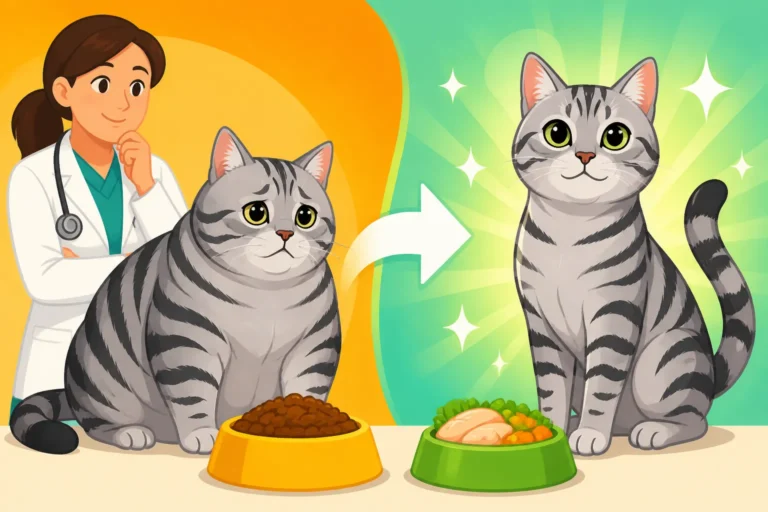
- Weight Management Support: As mentioned earlier, fast eating contributes to overeating. By slowing down the meal, the cat's body has time to signal fullness. This can naturally lead to eating less in a single sitting and feeling more satisfied. Coupled with a proper diet, slow feeders are an excellent tool in a weight loss plan for an American Shorthair, helping to manage portions and encourage a healthier eating pace. You can read more about comprehensive weight management in How a Vet Builds an American Shorthair's Weight Loss Plan and What an American Shorthair Should Weigh at Its Frame.
- Increased Mental Stimulation and Reduced Boredom: This is a huge, often underestimated benefit. For a cat whose ancestors spent a good portion of their day hunting for food, simply being handed a meal can be profoundly unfulfilling. Slow feeders mimic the challenge of the hunt, engaging their natural foraging instincts. This mental workout can reduce boredom, decrease anxiety, and lead to a more contented cat. It genuinely answers the question of Whether a Puzzle Feeder Replaces an American Shorthair's Hunt by providing that much-needed engagement.
- Better Hydration (indirectly): While not directly a hydration tool, slower eating can sometimes mean they are more deliberate about drinking water between bites, or simply less frantic overall, which can indirectly lead to better hydration habits, especially if using wet food or a lick mat. You may still want to ensure they have access to plenty of water, as discussed in How Much Water an American Shorthair Should Drink.
Potential Challenges and Considerations
While slow feeders are incredibly beneficial, they aren't a magic bullet, and there can be a few bumps in the road as you introduce them:
- Frustration: Some American Shorthairs, particularly those who are very food-motivated or those not used to mental challenges, might initially get frustrated with a slow feeder. They might paw at it aggressively, try to tip it over, or simply walk away in disgust. It's important to start with a simpler design and gradually increase the difficulty.
- Defeating the Purpose: Clever or determined cats might figure out ways to "cheat" the system, such as tipping over a lightweight bowl to spill the food onto the floor, or learning the exact angle to get multiple kibbles at once. This is where choosing a sturdy, appropriate design comes in.
- Hygiene: Because slow feeders have more nooks and crannies, they require more diligent cleaning than a simple bowl, especially if you're using wet food. Regular cleaning is crucial to prevent bacterial growth.
- Not All Cats Are the Same: While most American Shorthairs adapt well, some may simply prefer their traditional bowl, no matter how patient you are. Don't force it, but do give it a fair try.
Ultimately, the goal is to make mealtime an enriching and healthy experience, not a source of stress. Patience and observation are key to finding the right slow feeder solution for your unique American Shorthair.
Choosing and Introducing the Right Slow Feeder
The market is flooded with slow feeder options, which can feel a bit overwhelming. Finding the perfect match for your American Shorthair means considering their unique personality and gradually introducing the new feeding method to ensure success.
Matching the Feeder to Your American Shorthair's Personality
Before you even think about buying, take a moment to observe your American Shorthair. Are they timid or bold? Are they easily frustrated, or do they relish a challenge? These observations will guide your choice.
- For the Timid or Easily Frustrated Cat: Start simple. A flat mat with shallow textures, or a bowl with wide, gentle ridges (like a simple wave pattern), is a great starting point. The goal is to make it easy enough that they don't give up, but still challenging enough to slow them down. You might find basic, sturdy options on Amazon that are less intimidating.
- For the Food-Motivated but Not Overly Clever Cat: A more pronounced maze bowl, with deeper crevices or taller pillars, can work well. They'll be motivated by the food but won't be overly taxed by the complexity. Look for models made from durable materials that won't slide around easily when your cat paws at them.
- For the Smart and Adventurous Hunter: If your American Shorthair is highly intelligent and loves a challenge (perhaps they already try to open cabinets!), you can jump to a more intricate puzzle feeder. These might have compartments to slide open or require batting skills. These types of feeders can really tap into their natural hunting drive, making mealtime a truly enriching activity.
Consider the material too. Stainless steel is durable and easy to clean. Ceramic is heavy and stable but can chip. Plastic is lightweight and affordable but can sometimes hold odors or scratch. Always choose food-grade, pet-safe materials.
Step-by-Step Introduction for Success
Introducing a new feeder needs to be a positive experience to encourage adoption. Don't just swap out their old bowl one day; ease them into it.
- Start with Familiarity: Begin by placing a small amount of their favorite treat or a tiny portion of their regular meal into the slow feeder alongside their normal bowl. Let them explore it without pressure. This creates a positive association with the new object.
- Gradual Transition: Once they're comfortable nosing around it, start putting a small portion of their actual meal in the slow feeder, with the rest in their regular bowl. Over a few days or a week, slowly increase the amount in the slow feeder while decreasing the amount in the regular bowl.
- Supervise Early Meals: Watch how they interact with the feeder. If they get overly frustrated, step in and help them get a few bites, or temporarily switch back to a simpler method. The key is not to let them develop a negative association.
- Positive Reinforcement: When they successfully engage with the slow feeder, offer verbal praise. You want them to associate the new feeder with a rewarding experience.
- Placement Matters: Ensure the slow feeder is in a quiet, safe spot where your American Shorthair feels secure. If they have other cats or pets, they might need their own designated feeding area.
- Patience is Key: Some cats take to slow feeders immediately, others need more time. Be patient, consistent, and don't give up after just one try. Remember their stoic nature mentioned in Why an American Shorthair Makes So Few Demands; they might not complain loudly, but they might just ignore it if it's too difficult. If they're showing signs of withdrawal or not eating enough, simplify the feeder or offer an alternative.
Here’s a quick comparison of common slow feeder types to help you decide:
| Feeder Type | Mechanism | Pros | Cons | Best For |
|---|---|---|---|---|
| Maze Bowl | Raised ridges, pillars, or patterns | Simple, easy to clean, good starting point | Can be "defeated" by very clever cats | First-time users, wet or dry food, moderate slowing |
| Puzzle Feeder | Compartments, tubes, sliding parts | High mental stimulation, very effective | Can be frustrating, harder to clean, dry food often | Intelligent cats, boredom busters, significant slowing |
| Lick Mat | Textured, uneven surface | Calming, great for wet food/treats, very slow | Not ideal for kibble, can be messy if tipped | Anxious cats, wet food meals, snack time |
| Timed Feeder | Dispenses portions at set intervals | Controls portion size and frequency | No "puzzle" element, requires batteries/power | Weight management, scheduled meals, preventing gorging |
By carefully selecting and introducing a slow feeder, you can transform mealtime from a frantic gulping session into an enriching activity, promoting better digestion, weight management, and overall happiness for your American Shorthair.
Disclaimer
This article is for general informational purposes only and does not constitute professional advice. Laws, prices and regulations vary by location and change over time. Consult a qualified professional for guidance on your specific situation.