What the American Shorthair’s Ancestors Did on a Crossing
Many folks look at an American Shorthair today and simply see a wonderfully placid, adaptable house cat. What they often don't realize is that these lovely felines carry centuries of a truly remarkable, hard-working legacy in their very genes. This guide is going to take you on a journey back in time, revealing the absolutely vital, and often harrowing, role the ancestors of your beloved American Shorthair played during long, perilous sea voyages, and how those experiences forged the resilient, intelligent cat we cherish today.
The Unsung Heroes of the High Seas: Life Aboard Sailing Ships
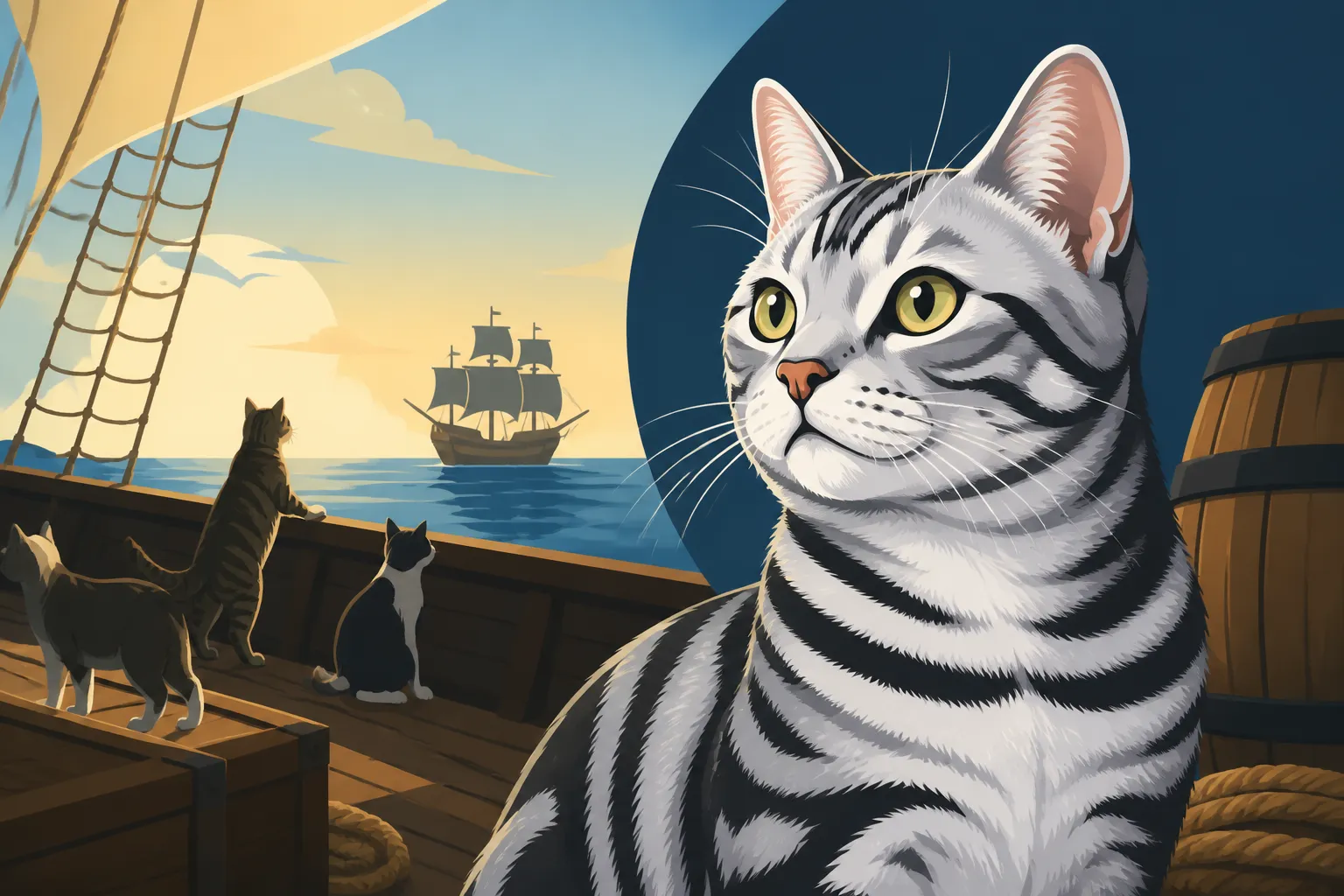
Imagine life on a wooden sailing ship centuries ago. It wasn't the romantic adventure often portrayed in movies; it was a gritty, dangerous, and often disease-ridden existence. For sailors venturing across vast oceans, their vessels were not just transportation; they were their entire world for months, sometimes years, on end. And in this isolated, challenging environment, one particular creature became an indispensable member of the crew: the ship's cat.
Aboard the Wooden Walls: The Harsh Realities of Maritime Travel
Early maritime travel was a far cry from modern cruises. Ships were cramped, damp, and often lacked proper sanitation. Fresh water and food were constantly at risk of spoiling, and medical care was primitive at best. The journey itself was arduous, battling storms, navigating unknown waters, and facing the ever-present threat of scurvy and other diseases. In such a demanding setting, every single resource and crew member had to pull their weight, and that included the animals. Cats weren't brought along for cuddles alone, although their companionship was undoubtedly a welcome comfort in such isolated conditions.
These weren't pampered pets lounging on velvet cushions; they were survivors in the truest sense. Their presence was a matter of practical necessity, interwoven with the very survival of the human crew and the cargo. Without them, the consequences could be dire, impacting not just comfort, but health and economic viability. It's truly humbling to think of these small, intrepid creatures playing such a pivotal role in human history, often in conditions that would challenge the toughest among us.
An Uninvited Menace: The Scourge of Rats and Mice
The greatest persistent threat on any wooden ship, aside from the elements themselves, was the ever-present population of rodents. Rats and mice weren't just a nuisance; they were a destructive force that could cripple a voyage. They gnawed through vital ropes, damaged wooden structures, and most critically, contaminated and consumed food and fresh water supplies. A large infestation could mean starvation or dehydration for the crew, long before they reached their destination. Beyond the structural damage and resource depletion, rodents were also carriers of disease, including the infamous bubonic plague. Imagine being stuck on a ship, weeks from shore, with a raging epidemic onboard – it was a very real fear.
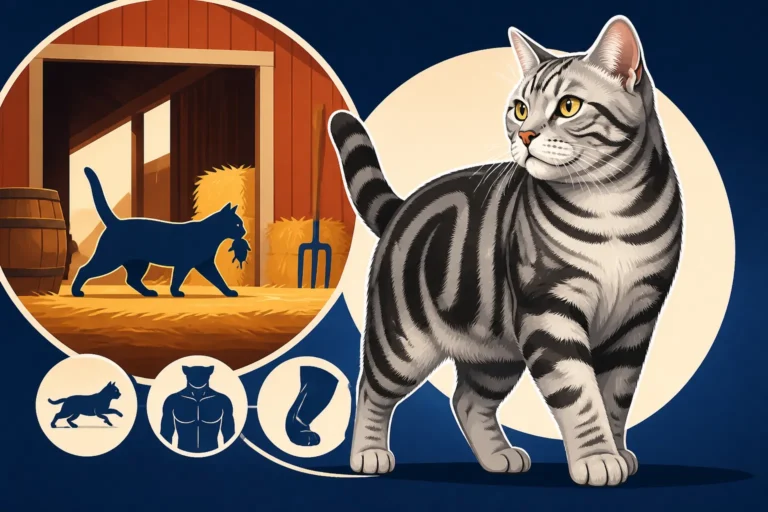
So, the cats that embarked on these journeys were not simply mascots; they were highly valued, working animals, employed in a constant, brutal battle against these omnipresent pests. Their role wasn't seasonal or occasional; it was a 24/7 vigil, essential for maintaining the integrity of the ship, the health of its inhabitants, and the success of the mission. This constant exposure to a predatory lifestyle ingrained deep instincts that still resonate in today's American Shorthair.
More Than Companions: The Practical Imperative for Cats on Board
It’s easy to romanticize the idea of a ship's cat, but their inclusion on voyages was rooted in hard-nosed pragmatism. These weren't discretionary choices; they were operational necessities, as fundamental as having sails or fresh water. The foresight to include cats literally saved lives and livelihoods, solidifying their place in maritime history and, eventually, in the annals of cat breeding.
The Original Pest Control: A Matter of Survival
The need for effective pest control on ships was paramount. Without it, the journey itself could be compromised, potentially leading to lost cargo, damaged vessels, or even the death of the crew. Cats were, by far, the most efficient and readily available solution for rodent control at sea. They were self-sufficient hunters, requiring little in the way of specialized care, and their predatory instincts were perfectly suited to the enclosed, challenging environment of a ship's hold.
It was truly a symbiotic relationship: the cats received shelter and a steady supply of "prey," and in return, they protected the ship's vital supplies and kept disease at bay. This was the original "working cat" scenario, where survival depended directly on their skills. When you think about Why a Ship Could Not Sail Without an American Shorthair Type Cat, it becomes clear that these weren't just pets, but essential crew members with a very specific, high-stakes job. They were the ultimate line of defense against an enemy that could sink a voyage without a single cannonball fired.
Guardian of the Cargo: Protecting Vital Supplies
Beyond keeping the crew safe, ship's cats played a crucial role in safeguarding the valuable cargo. Whether it was grain, textiles, or other foodstuffs, rats and mice could decimate goods, rendering them unsellable or unusable upon arrival. This wasn't just an inconvenience; it represented significant financial loss for merchants and ship owners. A ship’s cat, therefore, was an investment in protecting the venture's profitability.
Think of the long trade routes from Europe to the Americas. Ships would carry everything from tools and livestock to luxury items. Ensuring these goods arrived intact was critical for the burgeoning economies of the New World. The cats' diligent patrols through the cargo holds ensured that these supplies were protected from destructive pests, making them silent but formidable economic guardians. This deep-seated instinct to patrol and protect territory is something you can still observe in today's American Shorthair, even if their "territory" is now your living room and their "cargo" is the bag of treats from Chewy.
The Daily Grind: What a Ship's Cat's "Job" Entailed
Life for a ship's cat wasn't all chasing shadows and napping in the sun. It was a rigorous, demanding existence that required constant vigilance, physical prowess, and an innate understanding of their environment. Their routine was dictated by the ebb and flow of a working vessel, a far cry from the serene life many modern American Shorthairs enjoy.
Patrols and Prowess: The Hunting Routine
The primary duty of a ship's cat was, without question, hunting. From the moment the ship set sail, these cats would establish their patrol routes, sniffing out and ambushing rodents in every nook and cranny of the vessel. They navigated dark, often unstable environments, honing their senses to detect the slightest rustle or scurry. This wasn't just an occasional hunt; it was a continuous campaign, day and night, against a seemingly endless supply of prey. They developed incredible agility and stealth, learning to move silently even on a rocking ship.
Their prey drive was intense, a necessity for survival. This explains How Many Rats an American Shorthair Ancestor Killed at Sea – often many more than you'd imagine. The success of a voyage literally rested on their ability to keep these populations in check. This constant engagement with their predatory instincts ensured that only the most effective hunters survived and passed on their genes, strengthening this trait in the ancestral lines that would eventually become the American Shorthair.
Adaptability and Resilience: Surviving the Journey
Beyond hunting, ship's cats had to be incredibly adaptable. They endured harsh weather, from scorching tropical heat to freezing Atlantic gales. They learned to balance on pitching decks, navigate slippery surfaces, and find shelter in tight spaces. The ship itself was a constantly shifting environment, full of strange noises, sudden movements, and unfamiliar smells. A cat that couldn't cope with this level of unpredictability simply wouldn't make it.
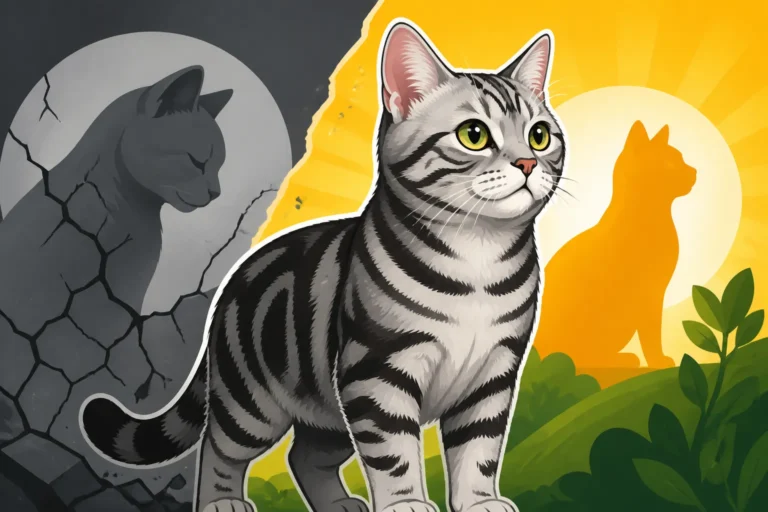
This constant state of adaptation fostered a remarkably resilient and unflappable temperament. These cats learned to be independent, resourceful, and capable of fending for themselves in the most challenging circumstances. It instilled a sense of self-sufficiency that is still a hallmark of the modern American Shorthair, explaining Why a Self Sufficient American Shorthair Copes With a Long Day and isn't overly demanding of constant human attention. Their ability to handle change and maintain their composure in chaotic environments was truly remarkable.
Shaping a Breed: How the Maritime Life Forged the American Shorthair's Traits
The selective pressures of maritime life were intense, favoring certain physical and temperamental traits above others. Over generations, these working cats evolved, their very being molded by the demands of the sea, laying the groundwork for the robust and capable American Shorthair we know today.
Physical Attributes for a Hunter's Life
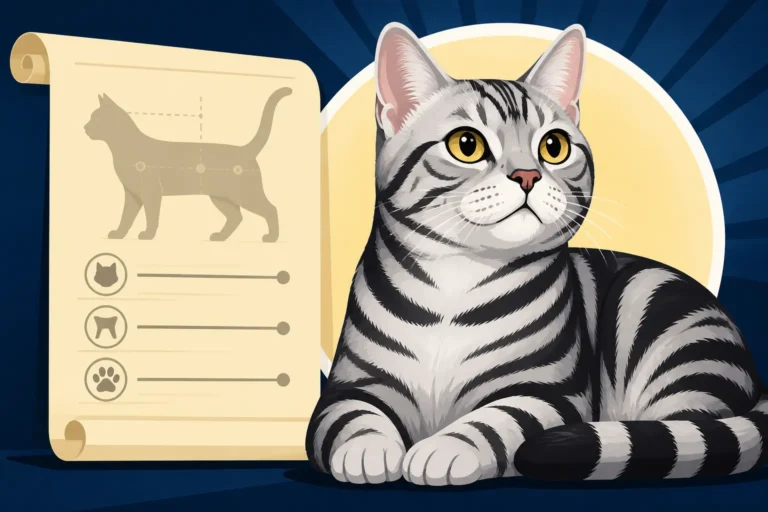
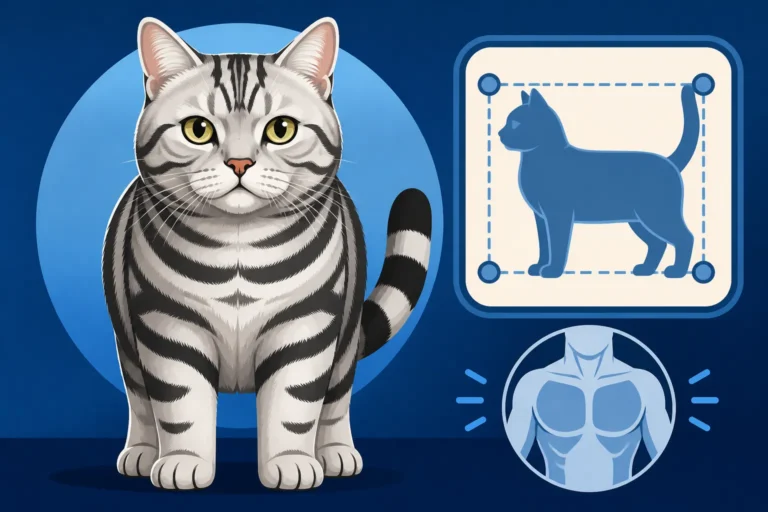
The physical build of the American Shorthair is a direct echo of its seafaring past. They possess a muscular, medium-sized frame, perfect for agility and strength. A broad chest was ideal for navigating tight spaces and for the powerful pounces needed to secure prey. Their short, dense coats, which would later be observed to thicken for winter, offered protection from the elements, both on deck and in damp holds. Strong jaws and teeth, useful for dispatching rodents, were also a must.
This practical, functional build contrasts sharply with some of the more extreme physical traits seen in other pedigreed cats. The American Shorthair's body was bred for utility, not ornamentation. Every aspect of their physical design, from their sturdy legs to their keen eyes, was optimized for their role as a working cat. This foundation of practical strength and health is a key part of What an American Shorthair With No Designer Defect Gets Instead.
Temperamental Traits: Independent and Observant
The emotional and behavioral characteristics of the American Shorthair also bear the indelible stamp of their ancestors' maritime existence. Ship's cats were often solitary hunters in their duties, relying on their own instincts and observations rather than constant human direction. This fostered a strong sense of independence and self-reliance. They learned to be quiet and watchful, assessing their environment before acting.
While affectionate, they often exhibit a reserved demeanor, a tendency to be "beside you" rather than "on you," which can be traced back to their less dependent origins. This balance of friendliness and autonomy makes them excellent companions for many households. Their intelligence and calm nature, combined with their inherent hunting drive (even if today it's directed at a laser pointer or a catnip toy from Chewy), are direct legacies of those clever, adaptable cats who braved the open ocean.
Arrival and Adaptation: From Ship to Shore in a New World
When these ships finally reached the shores of the New World, the cats aboard disembarked, carrying their inherited traits and instincts into a new environment. This transition marked a new chapter in their evolution, as they adapted from the confines of a ship to the vast expanses of the burgeoning settlements.
Disembarking into a Frontier Life
Upon arriving in North America, these ship's cats quickly found new roles in the rapidly expanding settlements. The conditions on land weren't always easy; early colonial towns and farms still had significant rodent problems, making the cats' skills just as valuable on terra firma as they were at sea. They transitioned from hunting rats in a ship's hold to protecting grain stores and homes from pests, becoming an integral part of frontier life.
These cats spread throughout the continent, intermingling with other feline populations, but always retaining the core characteristics that made them such successful voyagers and pest controllers. Their arrival was instrumental in controlling rodent populations, which was crucial for the health and sustainability of these new communities. It's a testament to their resilience that they adapted so seamlessly, continuing their vital work without missing a beat. This is part of the story of The Mayflower Cats Behind the American Shorthair and how their lineage flourished.
Evolution into the American Shorthair
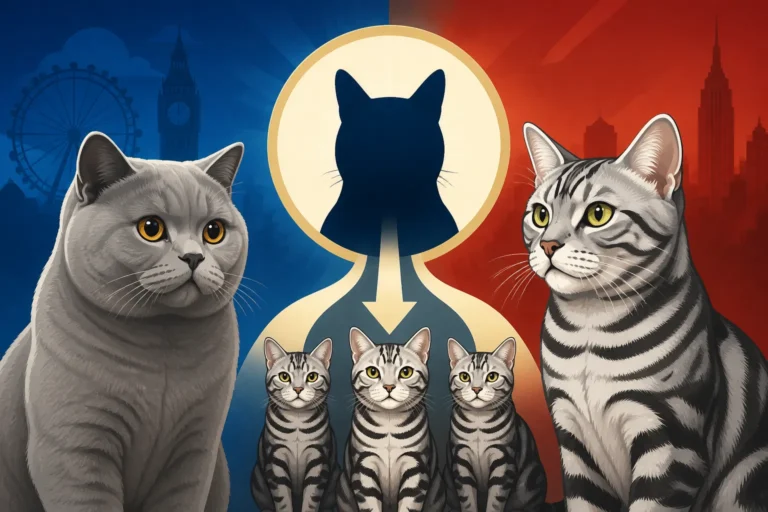
Over generations, these hardy, adaptable felines became known simply as "Domestic Shorthairs" – common, useful cats found throughout North America. It wasn't until the late 19th and early 20th centuries that fanciers recognized their distinct qualities and began to selectively breed them to a standard, eventually renaming them the American Shorthair in 1966 to distinguish them from generic house cats. This deliberate effort aimed to preserve the very traits that were forged on those long ocean voyages and in the early settlements.
Their strong, healthy lineage, rooted in centuries of natural selection, is why the American Shorthair is often considered a benchmark for health in pedigreed cats, as explored in Why the American Shorthair Is Used as a Health Benchmark. The breed standard celebrates their muscular build, intelligent expression, and amiable yet independent nature – all reflections of their pioneering ancestors. Even if your American Shorthair spends its days napping on a sunny windowsill, those ancestral instincts to hunt, patrol, and adapt are still very much a part of who they are. They are a living bridge to a fascinating past, proving that sometimes, the most ordinary-looking cats have the most extraordinary stories.
From Ship's Cat to Sofa Superstar: Bridging the Eras
It's truly fascinating to consider how the rigorous demands placed upon the American Shorthair's ancestors shaped the lovely companions we share our homes with today. Their survival depended on a keen intellect, physical prowess, and an adaptable temperament. While your modern American Shorthair might not be battling scurvy or chasing rats in the cargo hold, many of their endearing qualities are direct echoes of that incredible past.
The Instincts That Remain
Even in the most pampered American Shorthair, you can often spot the traits of their working ancestors. The intense focus they display when watching a bird outside the window, the way they meticulously patrol their perceived territory (your home!), or their surprising agility when pouncing on a toy mouse. These aren't just cute quirks; they are ingrained instincts, honed over centuries of essential service. How an American Shorthair Hunts is still very much a part of their genetic makeup, even if the "prey" has changed.
This strong hunting drive is why interactive play is so crucial for them. Toys that simulate prey, like wand toys with feathers, or puzzle feeders that make them "work" for their food, are not just fun distractions but a way to satisfy those deep-seated instincts. Providing outlets for these behaviors, whether it's through engaging play sessions or sturdy scratching posts, helps keep your American Shorthair happy and healthy. Many products from Chewy, like durable chase toys or enriching puzzle bowls, cater perfectly to these innate needs, letting them express their ancestral skills safely indoors.
Resilience in a Modern World
The adaptability and calm demeanor that made their ancestors successful shipmates continue to serve the American Shorthair well in contemporary homes. They generally cope well with changes in routine, new environments, and household noises. This stoicism is a direct result of being bred for environments that were anything but predictable. While every cat is an individual, the breed as a whole tends to be less prone to anxiety than some other breeds, a quiet strength born of necessity.
This doesn't mean they don't appreciate a stable environment, but they possess an inner resilience that allows them to adjust with grace. They are often good with children and other pets, observing first and approaching cautiously, a trait learned from navigating complex social structures on a ship and later in crowded settlements. Their ability to take things in stride truly makes them wonderful family members, easily integrating into diverse households, which is one of the reasons Why an American Shorthair Fits Any Household.
A Legacy of Health and Hardiness
Perhaps one of the greatest gifts from their landrace and ship's cat origins is the American Shorthair's reputation for robust health. Unlike some breeds developed with extreme physical features, the American Shorthair's standard emphasizes a natural, functional conformation. This focus on utility over exaggerated aesthetics has largely protected them from many of the inherited health issues that plague other pedigrees.
While no cat is immune to health problems, the American Shorthair typically boasts a long lifespan and fewer breed-specific ailments, as highlighted in The Fifteen to Twenty Years the American Shorthair Was Given. Their natural hardiness and broad gene pool, inherited from a diverse foundation of working cats, contribute to their overall vitality. This genetic legacy means that, with proper care and nutrition, your American Shorthair is well-equipped for a long, healthy life, a testament to the incredible journey their ancestors undertook.
Comparing Past Duties to Present Pleasures
It's a stark contrast to look at the ancestral roles versus the lives our American Shorthairs lead now. Yet, understanding this history helps us appreciate their inherent qualities.
| Feature / Role | Ancestral Ship's Cat | Modern American Shorthair |
|---|---|---|
| Primary Job | Rodent control; protecting cargo and crew from pests. | Companion animal; providing affection and presence. |
| Environment | Cramped, unstable, damp ship holds; open decks. | Secure, climate-controlled home; sunny windowsills. |
| Diet | Primarily self-caught rodents; scraps from crew. | Nutritionally balanced commercial cat food (e.g., from Chewy). |
| Grooming | Self-grooming, coat protected from elements. | Self-grooming, occasional brush, minimal maintenance. |
| Socialization | Often solitary hunter; tolerated by crew. | Integrated family member; interacts with humans/pets. |
| Physical Demands | High agility, strength, resilience to elements. | Moderate activity, play to satisfy hunting instincts. |
| Temperament | Independent, watchful, self-sufficient, adaptable. | Calm, adaptable, affectionate but independent, intelligent. |
This table clearly illustrates the massive shift in their lifestyle, but also how the foundational traits forged in adversity continue to define the breed today. From essential working animals to beloved family members, the American Shorthair's journey is truly unique.
Conclusion: A Legacy of Resilience and Charm
The American Shorthair's ancestors were true pioneers, unsung heroes who sailed the seas, protected precious cargo, and helped establish new settlements. Their journey from ship to shore, battling rodents and adapting to new frontiers, shaped them into the resilient, intelligent, and amiable companions we adore today. Every time you watch your American Shorthair observe a fly or meticulously clean themselves, you're witnessing echoes of a magnificent history.
This deep dive into Where the American Shorthair Comes From reveals that the breed's strength, calm demeanor, and inherent health are not accidents, but the direct result of centuries of natural selection and a vital working past. They are a testament to the power of adaptation and the enduring bond between humans and felines. So, the next time your American Shorthair gives you a quiet head-butt or surveys their domain from a high perch, remember the incredible saga of their ancestors – the original American working cats who quite literally sailed their way into history.
Disclaimer
This article is for general informational purposes only and does not constitute professional advice. Laws, prices and regulations vary by location and change over time. Consult a qualified professional for guidance on your specific situation.