Whether an Imported British Cat Founded American Shorthair Show Lines
It’s a natural assumption to make, isn't it? When you hear about a pedigreed cat like the American Shorthair, your mind often conjures images of ancient European lineages or selective breeding programs that might have started across the pond. Many folks wonder if those distinguished British cats played a direct role in establishing the American Shorthair as a recognized breed in the show halls. But the truth about the American Shorthair’s foundational show lines is actually much more rooted in its uniquely American history, a story of hardworking cats evolving into a beloved pedigree.
The Humble Origins of the American Shorthair
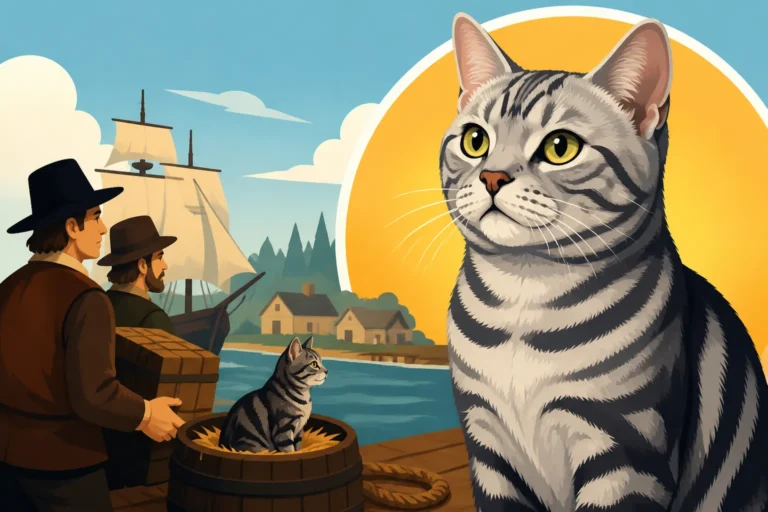
Before it became a star on the show bench, the American Shorthair was simply… America’s cat. These were the working cats, the barn cats, the ship's cats that arrived with early European settlers, including those legendary journeys like the Mayflower. Their purpose was simple and vital: pest control. They earned their keep by keeping rats and mice at bay, protecting precious food stores and preventing the spread of disease.
Survival of the Fittest in the New World
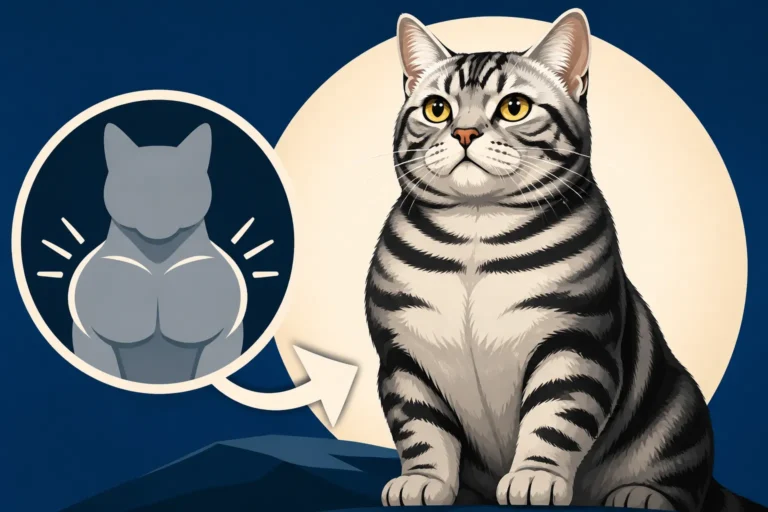
These weren't fancy, pampered felines. They were hardy, adaptable, and incredibly self-sufficient. The Mayflower Cats Behind the American Shorthair speaks to this very beginning. They braved harsh winters and hot summers, relying on their keen hunting instincts and robust health to thrive. This natural selection process, spanning centuries across a vast continent, forged a resilient and physically sound cat. Their physical traits – a sturdy build, a thick coat, and a strong, square jaw – were all adaptations for survival and efficiency in their role as mousers. They weren't bred for a specific look initially, but for function.
A Natural Evolution, Not a Designed Pedigree
Think of them as nature's own breed. They weren't designed in a breeder's cattery with a specific aesthetic in mind. Instead, they evolved from the general population of domestic cats that spread across the burgeoning American colonies. Their genetic diversity was wide, reflecting their varied European ancestry and the constant mingling of genes as they spread out. This wide gene pool is actually one of the reasons the American Shorthair is considered such a healthy breed today. Why the American Shorthair Is Used as a Health Benchmark dives deeper into this fascinating aspect of their heritage.
The Push for Pedigree Status
As the 19th century drew to a close and cat fancy grew in popularity, there was a movement to recognize and preserve certain types of cats. Many of these efforts initially focused on bringing "beautiful" foreign breeds to American shores. However, a group of dedicated cat lovers looked around and realized they had a truly special, home-grown cat worthy of recognition.
Identifying the "Domestic Shorthair"
Before the name "American Shorthair" was officially adopted, these cats were simply known as "Domestic Shorthairs" or even just "shorthairs." This was a broad term that encompassed many of the everyday cats found in homes and barns across the country. The challenge for early breeders was to define a standard for this specific type of shorthaired cat – one that embodied the best traits of the sturdy, working American cat. This meant selecting cats with good conformation, strong health, and reliable temperaments that had been hallmarks of their ancestors for generations. You can learn more about this transformation in Why the American Shorthair Was Called Domestic Shorthair Until 1966.
Early Show Efforts and American Recognition
The journey to formal recognition began in the early 1900s. It was about creating a distinct identity for these American cats, showcasing their qualities against the backdrop of more "exotic" and newly imported breeds. The Cat Fanciers' Association (CFA), established in 1906, was one of the first registries to recognize the breed, initially under the name Domestic Shorthair. This pivotal moment marked the beginning of deliberate breeding to a standard for this particular type of cat in America. Breeders were looking for cats that exemplified the robust, well-balanced characteristics that had naturally developed in American households and on farms.
British Influence: A Comparison, Not a Foundation
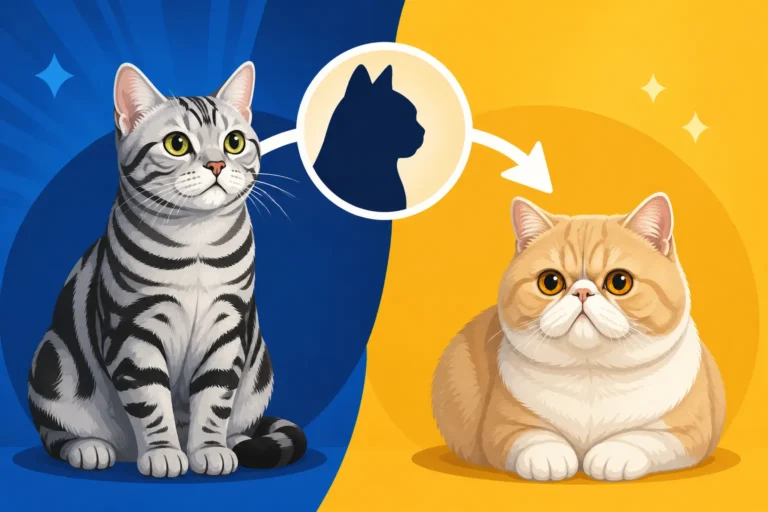
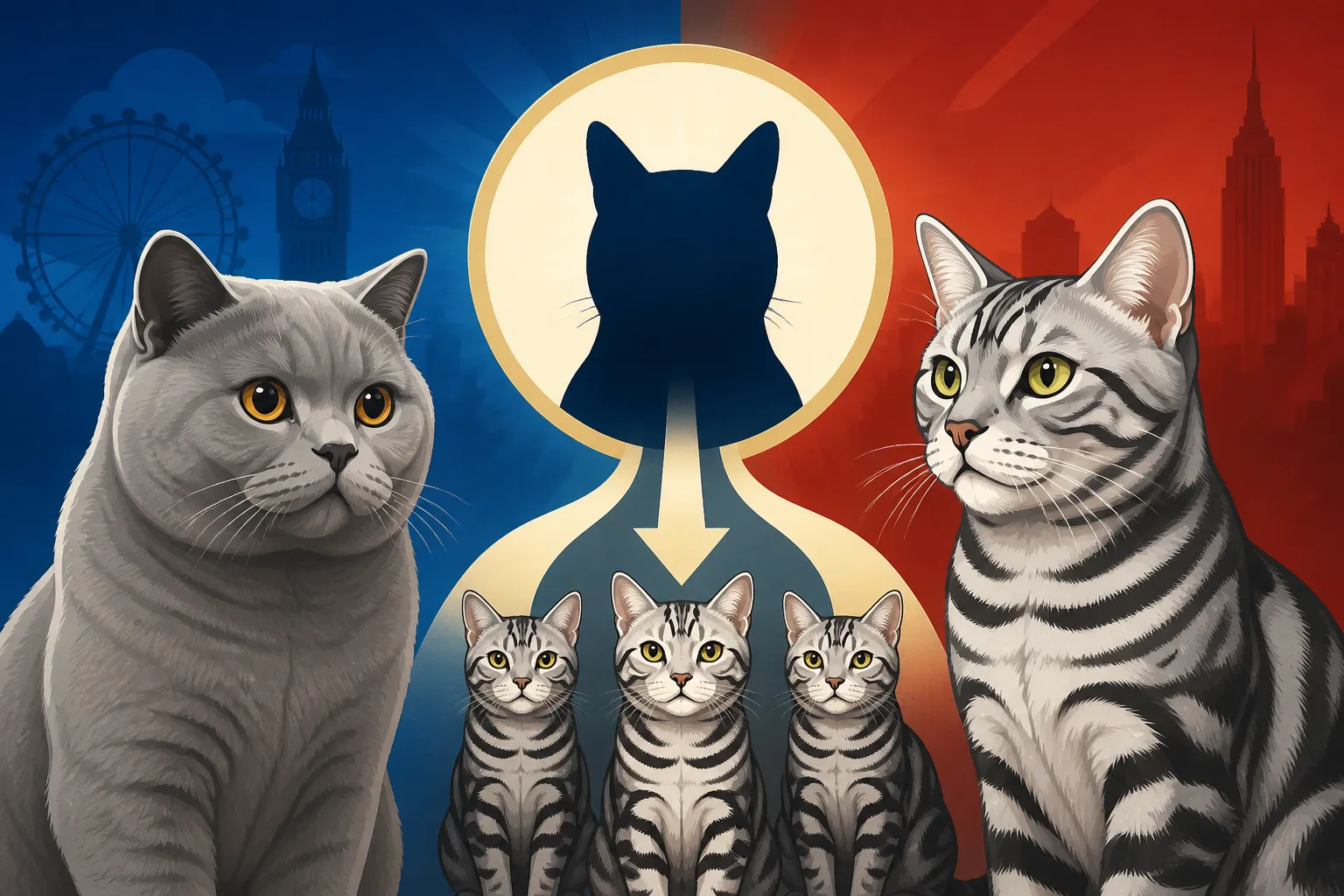
Now, to the heart of our question: did an imported British cat found American Shorthair show lines? The answer, definitively, is no. The American Shorthair developed independently in North America from its working ancestors. While both the American Shorthair and the British Shorthair share a common ancestral past – those practical, rodent-catching cats of Europe – their paths diverged considerably, leading to two distinct breeds.
Divergent Paths After the Atlantic Crossing
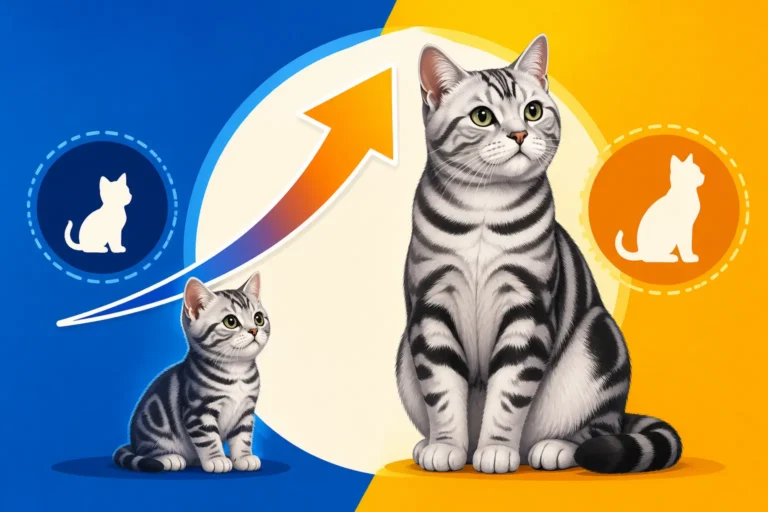
Imagine the cats on those early ships. They were essentially the same "type" of European domestic shorthair. But once they landed, those left in North America adapted to a new environment and genetic isolation, developing certain traits over generations that became characteristic of the American Shorthair. Meanwhile, their cousins in Great Britain were also undergoing their own selection processes, eventually leading to the development of the British Shorthair.
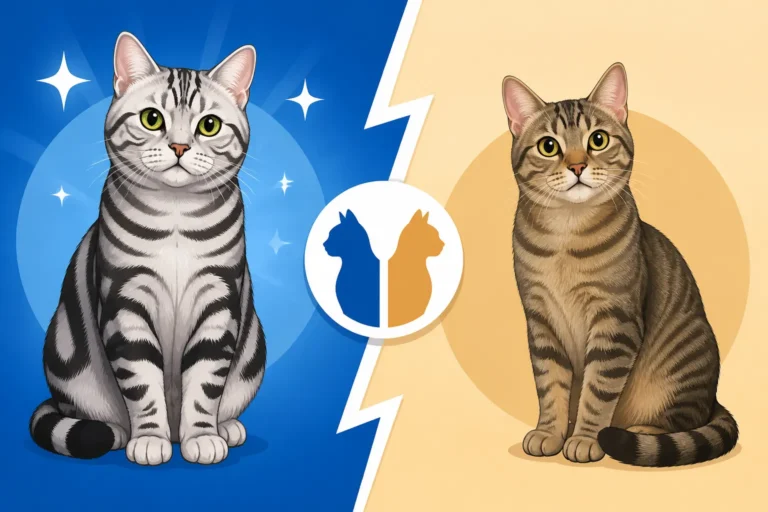
Here’s a quick overview of how they developed differently:
| Feature | American Shorthair | British Shorthair |
|---|---|---|
| Origin | North America (from European working cats) | Great Britain (from European working cats) |
| Development | Natural selection for function, then formal breeding | Formal breeding for specific traits and structure |
| Body Type | Medium to large, sturdy, well-muscled, agile | Medium to large, cobby, heavily boned, round |
| Head Shape | Slightly longer than wide, square muzzle | Very round, full cheeks, short nose |
| Coat Texture | Short, hard, dense, "weather-resistant" | Short, very dense, plush, "crisp" texture |
| Temperament | Independent, playful, adaptable, good mouser | Calm, docile, somewhat reserved, quiet |
As you can see, even though they share the "shorthair" name and distant ancestors, they truly became separate entities. Learning about these differences can be truly fascinating when you consider How an American Shorthair Differs From a British Shorthair.
Why the Distinction Matters
The question of British influence is important because it highlights the unique identity of the American Shorthair. It wasn't simply a re-named or re-purposed British cat; it was a breed forged on American soil. Early American Shorthair breeders made a conscious effort to establish and promote their own native cat, one that perfectly embodied the traits of resilience, good health, and an amiable disposition. They weren't importing cats to start their lines, but rather selecting the best examples of the cats already living here. While there might have been occasional outcrosses in the very early, formative days of cat fancy to strengthen certain characteristics or expand gene pools before standards were fully rigid, the core foundation of the American Shorthair was always distinctly American.
Solidifying the American Shorthair Identity
The process of solidifying the American Shorthair's identity involved careful breeding and a clear vision from dedicated fanciers. This ensured that the characteristics that made these cats so beloved as working animals were refined and celebrated in the show ring, without losing their intrinsic nature.
The Role of Breeders and Standards
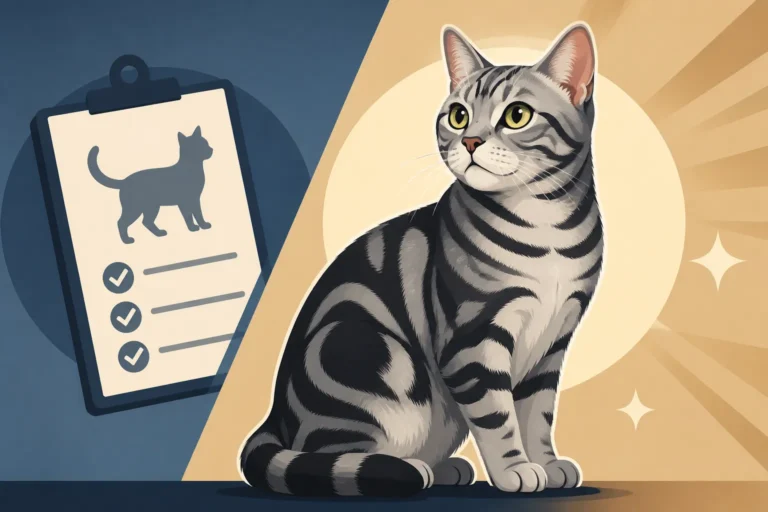
Once the breed began to gain formal recognition, breeders worked diligently to create a breed standard that truly reflected the ideal American Shorthair. This standard detailed everything from eye color to coat texture to body shape, ensuring consistency and preserving the desired traits. They weren't trying to emulate other breeds; they were trying to perfect their own. This commitment to an American ideal is what led to the sturdy, sweet-natured cat we know and love today. You might be interested in What an American Shorthair Looks Like by the Standard to understand these details better.
A Breed of Its Own Making
The American Shorthair, therefore, stands as a testament to natural selection and dedicated preservation, rather than foreign influence in its foundational show lines. It's a breed that proudly carries its heritage as America's original working cat, refined and celebrated by those who saw its inherent value. This independent development is a huge part of what makes the American Shorthair so special and why it continues to be a favorite among cat enthusiasts who appreciate its robust health and easygoing temperament. When you’re looking into pedigree lines, perhaps researching on sites like Chewy for information on specific breed traits or to find appropriate supplies, you'll see a wealth of information emphasizing the breed's distinct American journey.
Even when discussing historical breeding practices or sourcing specific items related to pedigree health and care, like specialized foods you might find on Chewy, it's always good to remember the fundamental difference in their origins. This history informs so much about their care and what makes them unique. Whether you're looking for toys to keep their hunting instincts sharp, which you can easily find on Chewy, or specific dietary needs, understanding their roots helps you better appreciate these wonderful cats.
Disclaimer
This article is for general informational purposes only and does not constitute professional advice. Laws, prices and regulations vary by location and change over time. Consult a qualified professional for guidance on your specific situation.