Why Early Settlers Wanted an American Shorthair’s Ancestors
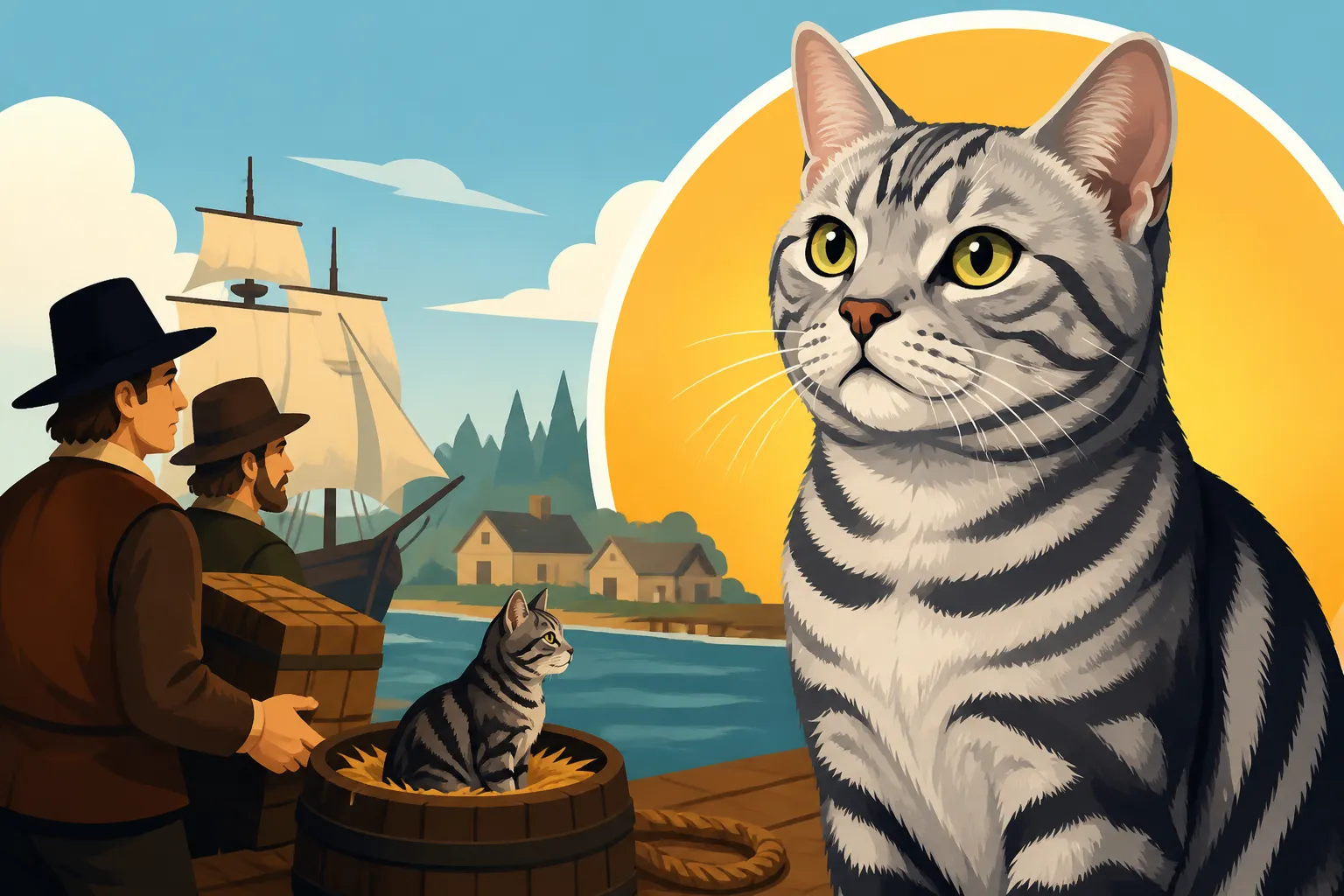
Imagine embarking on a perilous journey across a vast ocean, leaving behind everything familiar for an unknown, wild continent. You're crammed onto a wooden ship, every inch of space precious, and every scrap of food vital. Now, picture rats, bold and numerous, gnawing through ropes, contaminating your meager provisions, and spreading disease among the already vulnerable crew and passengers. This wasn't just an inconvenience; it was a matter of life and death for early European settlers heading to the New World. It's in this stark context that the ancestors of today's beloved American Shorthair truly shine, earning their place not just as passengers, but as essential crew members and invaluable partners in survival. This guide will delve deep into why these rugged, capable felines were so desperately wanted and needed by those brave pioneers.
The Essential Role of Cats on the Open Seas and New Shores
The journey itself was brutal, and the new land offered its own formidable challenges. Survival hinged on meticulous planning, sheer grit, and surprisingly, the presence of cats. These aren't the pampered housecats we know today, but robust, instinct-driven working animals whose very existence was intertwined with human endeavors.
Rodent Control: A Matter of Survival at Sea
For centuries, ships were a floating buffet and breeding ground for rats and mice. These rodents weren't just a nuisance; they were a significant threat to health and commerce. They’d chew through crucial rigging, compromising the structural integrity of the vessel, and infest provisions, spoiling food and fresh water that were irreplaceable on long voyages. A single outbreak of disease spread by rats could decimate a ship's population, making the difference between reaching a new shore and perishing at sea. The concept of pest control was primitive, and poisons were often as dangerous to humans as to rodents, if they were even available.
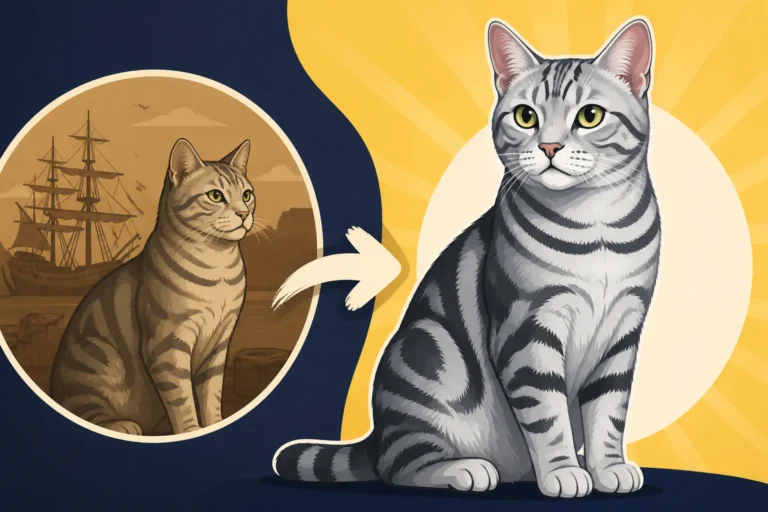
Enter the cats. Long before they became cherished companions, these felines were employed as living, breathing pest management systems. A skilled ship's cat was an asset, valued for its predatory instincts and relentless pursuit of vermin. They kept rodent populations in check, preventing widespread contamination and protecting vital supplies. Without these furry guardians, the already immense challenges of transatlantic travel would have been exponentially worse. It's no exaggeration to say that many voyages, and thus many settlements, owed their success to these tireless hunters. Think about the epic journeys of the past; the very idea of a ship without a cat would have seemed unthinkable to sailors. Why a Ship Could Not Sail Without an American Shorthair Type Cat
Protecting Precious Cargo and Provisions
Once the ships made landfall, the fight against rodents didn't end; it simply shifted environments. Early colonial settlements were essentially large, exposed food storage facilities, constantly under threat. Settlers brought with them seeds, dried goods, cured meats, and other vital provisions necessary to establish new lives. These supplies, often stored in rudimentary shelters, were prime targets for the abundant rodent populations native to the American wilderness, as well as those who had disembarked from the ships. Losing even a portion of these supplies could mean starvation, especially during harsh winters.
The cats were the first line of defense. They guarded granaries, root cellars, and homes, their vigilant presence deterring rodents and their hunting prowess eliminating those bold enough to trespass. Imagine the sense of relief for a settler knowing that their precious corn stores, painstakingly grown and harvested, were being protected through the night by a silent, efficient hunter. Every mouse caught was a small victory against scarcity and potential famine. This immediate, tangible benefit made them indispensable members of any pioneering family or community. The practicality of their contribution far outweighed any perceived cost of their upkeep, which, given their self-sufficient nature, was minimal anyway.
The Journey to the New World: More Than Just Passengers
The voyage across the Atlantic was not merely a physical relocation; it was a test of endurance. Conditions were cramped, hygiene was poor, and the threat of disease was ever-present. Cats, while working animals, also offered a small measure of comfort in an otherwise bleak existence. They weren't cuddled like modern pets, but their presence, their quiet routines, and their occasional affectionate rub against a leg provided a fleeting sense of normalcy and companionship in an alien environment.
Furthermore, these cats played a crucial role in maintaining morale, even if subtly. In a world full of unknowns and constant struggle, the simple act of watching a cat hunt, or feeling its purr, could offer a momentary respite. They were living reminders of home for some, and symbols of resilience for all. They were working crew members, absolutely, but their quiet, unwavering presence offered more than just rodent control; they offered a form of emotional anchor, even if unspoken. What the American Shorthair's Ancestors Did on a Crossing
A Practical Partnership: Cats as Pest Controllers in Early Settlements
As temporary shelters gave way to more permanent homes and burgeoning farms, the need for efficient pest control only grew. The ancestors of the American Shorthair transitioned seamlessly from shipboard duty to land-based guardians, becoming integral to the establishment and sustainability of colonial life.
Battling Vermin in Colonial Homes and Farms
Life in early American settlements was tough, characterized by hard labor and a constant struggle against the elements and local wildlife. Simple log cabins, often with earthen floors, provided ample opportunities for rodents to enter and thrive. Farms, with their barns, root cellars, and grain stores, were particularly vulnerable. Mice and rats could decimate crops, contaminate animal feed, and chew through vital infrastructure. This wasn't just property damage; it directly impacted the settlers' ability to feed themselves and their livestock.
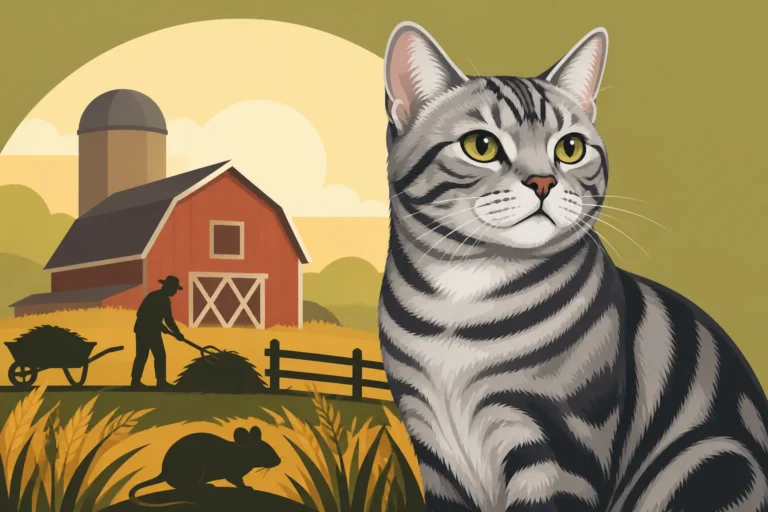
The cats were the primary defense force, patrolling homes and outbuildings with unmatched dedication. Their instinctive hunting prowess meant they were always on duty, keeping rodent populations at bay and preventing infestations before they could take hold. This constant, natural pest control freed up human hands for other crucial tasks like clearing land, building, and farming. A good mouser was a prized possession, literally contributing to the family's survival and economic stability. Their quiet efficiency was a cornerstone of colonial household management, a service that technology wouldn't replace for centuries.
Safeguarding Harvests and Stored Goods
The annual harvest was the lifeblood of a settlement, representing months of arduous labor and the promise of sustenance through the lean winter months. Protecting these stored provisions from vermin was paramount. Imagine the despair of a settler who had spent all summer cultivating a field of wheat, only to have it ruined by rats once stored in the barn. Without successful storage, a community could face starvation.
Here, the American Shorthair's ancestors proved their worth time and again. They stood guard over granaries, corn cribs, and smokehouses, their very presence a deterrent to rodents. These cats were not merely hunting when they were hungry; their drive was deeply ingrained, a constant instinct that aligned perfectly with human needs. Why Centuries of Ratting Left the American Shorthair Its Drive They provided a biological, sustainable, and remarkably effective solution to a problem that plagued every early community. This mutual reliance forged a powerful bond between humans and these working cats, laying the foundation for their future as a cherished breed.
Beyond Practicality: The Quiet Companionship
While their primary role was undeniably utilitarian, the cats in these early settlements offered something more subtle yet equally valuable: quiet companionship. Life on the frontier was often isolating, arduous, and fraught with danger. In this harsh reality, the presence of a living creature, however independent, could offer a profound sense of comfort. These cats weren't demanding; they didn't require constant attention or elaborate care, which suited the busy lives of the settlers perfectly. An American Shorthair Asks You for Almost Nothing
They might curl up by the fire after a long day of patrolling, offering a warm, purring presence. Their playful antics, even if brief, could provide a moment of levity amidst hardship. This understated companionship was a balm to the soul, a small measure of warmth and life in often desolate circumstances. They were witnesses to the settlers' struggles and triumphs, silent partners in the grand, challenging endeavor of building a new nation. This balance of practical utility and subtle emotional support solidified their place in the heart of the emerging American household.
Traits That Made American Shorthair Ancestors Indispensable
The specific characteristics of these early cats weren't accidental; they were honed by necessity and natural selection over generations. Only the most robust, intelligent, and effective hunters survived the challenging conditions of long sea voyages and the rigors of frontier life.
Ruggedness and Adaptability to Harsh Conditions
The journey to the New World was a brutal filter. Cats had to endure weeks or months aboard cramped, rocking ships, often in unsanitary conditions, with limited fresh water and food. Only the healthiest and most resilient individuals survived to disembark. Once on land, they faced entirely new environmental challenges: extreme winters, hot summers, unfamiliar predators, and a completely new landscape to navigate.
The ancestors of the American Shorthair were, by nature, tough and adaptable. They possessed robust constitutions, dense coats that offered protection from the elements, and an innate ability to thrive in diverse and often harsh environments. They weren't fragile creatures; they were built for survival. This inherent hardiness made them perfect for the frontier, where any animal requiring extensive coddling would simply not last. This natural selection process ensured that the gene pool of these early cats was exceptionally strong, laying the groundwork for the famously healthy American Shorthair breed we know today. Whether a Landrace Origin Explains the American Shorthair's Health
Instinctive Hunting Prowess
At the core of their value was their unparalleled hunting instinct. These cats weren't bred for specific aesthetic traits initially; they were selected, if at all, for their ability to hunt and kill rodents effectively. This drive wasn't just about hunger; it was a deep-seated behavioral pattern that had been essential for their survival for millennia. Their keen senses, stealthy movements, and explosive pounces were finely tuned by countless generations of chasing prey.
Settlers didn't need to train these cats to hunt; it was simply what they did. This made them incredibly efficient and reliable pest controllers. They knew how to stalk, pounce, and dispatch their prey with minimal fuss, constantly reducing the rodent threat. Even today, the American Shorthair retains a strong hunting drive, often evidenced by their fascination with toys that mimic prey. You might find a modern American Shorthair owner picking up a wand toy from Chewy, marveling at how their cat instantly switches into full hunter mode, a direct echo of its ancestors' vital role.
Self-Sufficiency and Low Maintenance
In the demanding environment of early settlements, every creature had to pull its own weight, and there was little spare time or resources for high-maintenance pets. The cats that accompanied the settlers were, by necessity, incredibly self-sufficient. They were experts at finding their own food, often supplementing their diet with caught rodents, and rarely required human intervention for grooming or entertainment. How Farm Work Shaped the American Shorthair
This independent nature was a huge advantage. Settlers didn't need to worry about specialized diets, extensive grooming routines, or constant entertainment for their cats. These animals took care of themselves, requiring little beyond a safe place to sleep and perhaps some fresh water. This low-maintenance quality made them ideal partners for people who were constantly striving to build a new life from scratch, with countless other pressing priorities. Their ability to exist and contribute without demanding much in return made them the perfect fit for the harsh realities of colonial America. This practical independence is still a hallmark of the American Shorthair's personality today, making them wonderful companions for busy families.
The Lasting Legacy of a Working Breed
The reasons early settlers wanted the ancestors of the American Shorthair are deeply woven into the fabric of the breed's history and character. What began as a purely utilitarian partnership evolved over centuries into a recognized and cherished pedigree, one that still bears the unmistakable marks of its hardworking past.
From Necessity to Cherished Breed Status
Over generations, as settlements grew and conditions became less harsh, these working cats became integrated into family life. They were still prized for their mousing abilities, but their amiable temperaments, robust health, and striking tabby patterns also began to be appreciated for their own sake. They were the ubiquitous "house cat" of America, an intrinsic part of the landscape. It wasn't until the late 19th and early 20th centuries that cat fanciers began to recognize the distinct qualities of these native American felines, distinguishing them from other domestic shorthairs and establishing them as a specific breed. The American Shorthair Was One of the CFA's Five Founding Breeds
This formal recognition, which eventually led to the renaming of the breed to "American Shorthair" in 1966, was a testament to their enduring appeal and proven capabilities. They weren't a fancy, exotic import; they were America's own cat, a symbol of resilience and quiet strength. The transition from barn cat to pedigree did not diminish their original working traits; instead, it preserved them, ensuring that the health and functionality that made them so valuable to settlers remained central to the breed standard. This heritage means that today's American Shorthair is still recognized as a generally robust and healthy breed, a far cry from some of the more selectively bred cats with numerous health challenges. The American Shorthair Is the Control Group of Cat Breeding
The American Shorthair's Enduring Connection to its Roots
Even today, the modern American Shorthair carries the indelible imprint of its pioneer ancestors. You'll see it in their sturdy, muscular build, designed for effective hunting and resilience. You'll notice it in their short, dense coat, still providing protection from various climates, though now most commonly enjoyed indoors. And perhaps most tellingly, you'll witness it in their quiet, independent demeanor and their persistent, if often redirected, hunting instincts. The American Shorthair Still Hunts, Whether You Want It To or Not
They might not be chasing rats in a colonial granary anymore, but the joy they find in a feathered wand toy or a crinkly ball is a direct echo of that ancient drive. Many American Shorthair owners appreciate that their cats are not overly demanding, preferring to patrol their territory and choose when to engage, much like their self-sufficient forebears. This connection to their past is part of what makes them such compelling and uncomplicated companions in our modern homes. Providing enriching toys from a reliable supplier like Chewy can help satisfy these ingrained instincts safely and happily indoors.
Recognizing the Value Beyond Pedigree
The story of the American Shorthair's ancestors serves as a powerful reminder of the deep, practical bond that can form between humans and animals. It highlights that true value isn't always in exotic appearances or fleeting trends, but in utility, health, and a compatible temperament. For early settlers, these cats were a necessity, a vital tool for survival. For us today, the American Shorthair represents a living link to that history, embodying the best traits of a naturally selected working cat that was later refined into a beloved breed.
Choosing an American Shorthair means welcoming a cat that comes from a lineage of survivors and contributors. It means a companion often celebrated for its robust health, easygoing nature, and charming, intelligent personality. While the urgent need for ship's cats and barn mousers has faded, the qualities that made them so desirable to early settlers—their hardiness, hunting prowess, and self-reliance—continue to make the American Shorthair a fantastic choice for modern households seeking a loyal, low-maintenance, and genuinely engaging feline friend. Their roots in necessity have gifted us a breed that brings joy and ease into our lives.
| Trait of American Shorthair Ancestors | Benefit for Early Settlers (Sea) | Benefit for Early Settlers (Land) | Modern Echo in American Shorthair |
|---|---|---|---|
| Instinctive Hunting Drive | Eradicated rats, protected provisions on ships | Controlled vermin in homes, saved harvests | Loves interactive play, puzzle feeders (e.g., from Chewy) |
| Ruggedness/Hardiness | Survived harsh sea voyages, low mortality | Adapted to frontier life, resistant to illness | Known for excellent health and longevity |
| Self-Sufficiency | Required minimal care from busy crew | Fended for themselves, independent | Low maintenance, content alone for periods |
| Amiable Temperament | Provided quiet comfort during isolated journeys | Gentle with families, adaptable to change | Good with children and other pets |
| Dense Coat | Protection from cold and damp ship conditions | Shielded from varied outdoor elements | Easy to groom, sheds seasonally |
Disclaimer
This article is for general informational purposes only and does not constitute professional advice. Laws, prices and regulations vary by location and change over time. Consult a qualified professional for guidance on your specific situation.