Feeding an American Shorthair That No Longer Hunts Its Food
It's a common dilemma for American Shorthair owners: you have this magnificent, often placid cat lounging on your sofa, yet deep down, you know their ancestors were lean, mean, rodent-catching machines. Their physiology and instincts are still geared towards a life of active hunting for meals, but their reality is a food bowl delivered reliably twice a day. This guide will delve into the challenges and solutions for feeding your American Shorthair now that they no longer have to earn their dinner, helping you maintain their health and satisfy their inherent nature.
Understanding the American Shorthair's Ancestral Diet
Your American Shorthair carries centuries of genetic programming for how they're supposed to eat, even if they've never seen a live mouse outside of a nature documentary. Their ancestors were true working cats, earning their keep on farms, ships, and in homes across the continent. This wasn't just about catching rats; it shaped their entire digestive system and nutritional needs. We need to remember this deep history to truly understand how to feed them today.
The Hunter's Physiology and Nutritional Needs
Think about what a cat in the wild eats. It's almost entirely meat. Small prey animals – mice, birds, insects – provide a diet that is high in protein, moderate in fat, and very low in carbohydrates. This is fundamentally different from many commercial kibbles, which often contain a significant amount of plant-based ingredients like corn, wheat, or rice. Your American Shorthair's body is designed to efficiently digest and utilize animal proteins and fats. Their short digestive tract isn't built to break down complex carbohydrates in the same way an herbivore or omnivore's is. This genetic blueprint means they need specific amino acids found abundantly in meat, such as taurine, which are crucial for heart health and vision. The American Shorthair Is the Control Group of Cat Breeding gives a good overview of their inherent traits.
Imagine a cat patrolling a barn or a ship's hold. They'd hunt several small meals throughout the day and night, expending significant energy for each catch. This constant activity meant they rarely had to worry about calorie intake. Their bodies were finely tuned to convert prey into energy and maintain lean muscle mass. Without this natural outlet, their metabolic rate still leans towards that of an active hunter, making them prone to weight gain if their caloric intake isn't adjusted.
How Domestic Life Changed Their Eating Habits
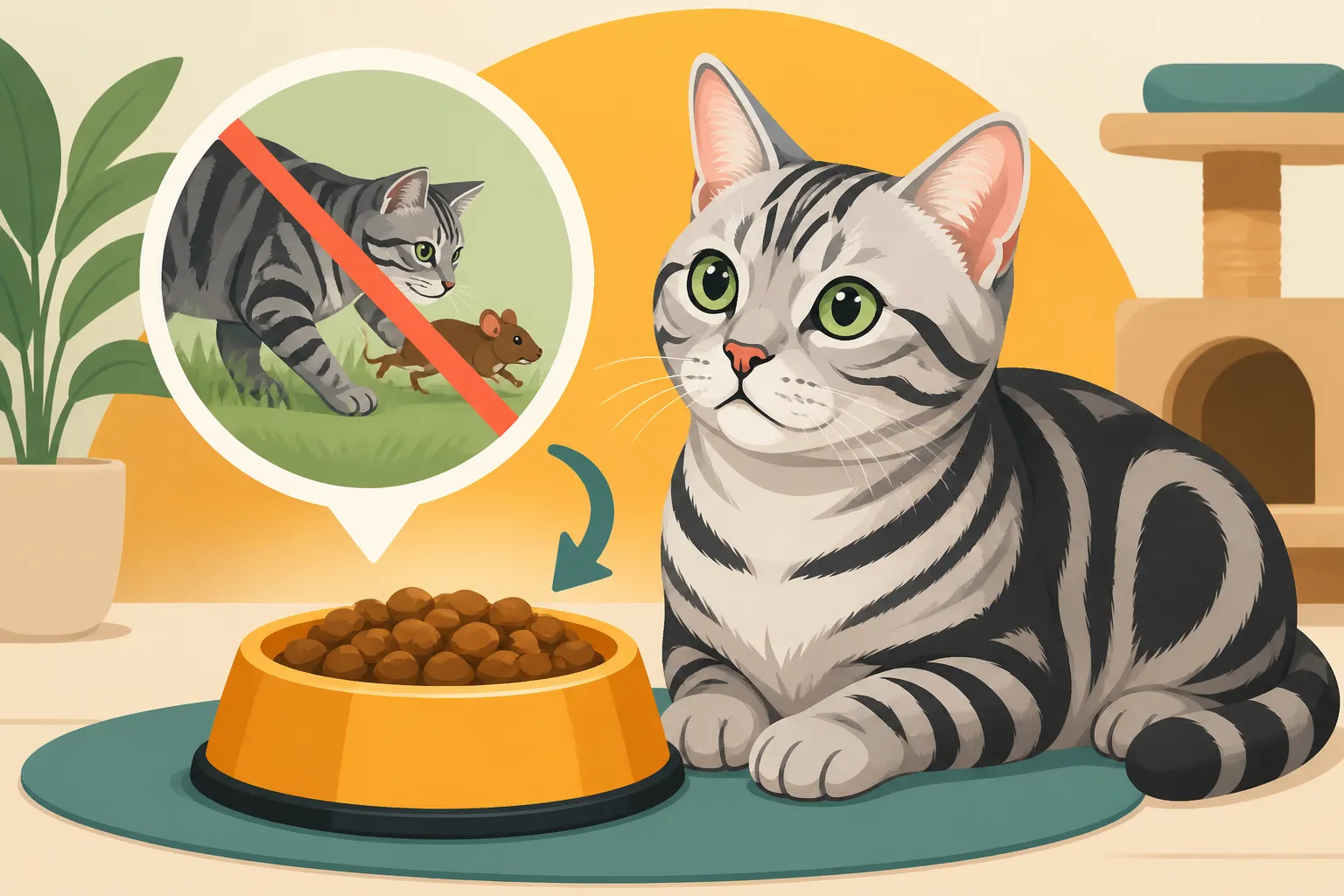
The transition from a life of constant hunting to being a pampered housecat has profound implications for an American Shorthair's eating habits. Instead of chasing, stalking, and pouncing for their food, they simply walk to a bowl. The thrill of the hunt, the physical exertion, the mental stimulation – all are gone from the feeding process. This isn't just about missing out on exercise; it impacts their mental well-being and satisfaction with their meals. A cat's entire day often revolves around the expectation and execution of the hunt, even if it's just a simulated one.
When a bowl is always full, or meals are delivered on a strict schedule without any effort, the cat misses out on the natural rhythm of feast and famine, the challenge, and the reward. This can lead to overeating out of boredom, psychological dissatisfaction, or simply because the food is there. It's a stark contrast to their ancestors who might go hours between successful hunts. Our modern feeding practices, while convenient for us, often work against the very nature of our American Shorthair companions.
The Pitfalls of Modern Feeding for a Hunter's Build
It's easy to fall into habits with cat feeding that, while seemingly convenient, can quietly undermine your American Shorthair's health. Many of these habits stem from a lack of understanding about their natural physiology and the consequences of an inactive lifestyle on a body built for constant work.
The Trap of Free-Feeding and Obesity
One of the biggest culprits in modern cat care, particularly for a breed like the American Shorthair, is free-feeding. Leaving a bowl of kibble down all day might seem kind or convenient, but it's a direct route to obesity. Why a Bowl Left Down Ruins an American Shorthair dives into this specific issue. Remember, their ancestors burned significant calories tracking and capturing prey. A domestic American Shorthair, especially an indoor one, simply doesn't have the same energy expenditure.
When food is constantly available, many American Shorthairs will graze out of boredom, habit, or simply because their primitive brain says "eat now, because who knows when the next meal will come." This constant caloric intake, combined with a sedentary lifestyle, means those extra calories are stored as fat. This isn't just about looking chunky; obesity in cats is a serious health risk, leading to issues like diabetes, joint problems, and even certain cancers. Their strong, square build, which was once an asset for a working cat, becomes a liability when carrying too much weight, putting immense strain on their joints and internal organs.
The Misconception of Kibble as a Complete Diet
While dry kibble has been a staple in many households for decades, it's worth critically examining whether it truly meets the American Shorthair's ancestral needs. As mentioned, wild cats eat almost no carbohydrates. Many kibble formulations, however, rely heavily on carbohydrates as binders and fillers, which can be difficult for a cat's system to process. These ingredients can contribute to blood sugar spikes and put a strain on their pancreas over time.
Beyond the carbohydrate issue, kibble is also inherently dry. Cats evolved to get most of their hydration from their prey, which is typically 70-80% water. A kibble-only diet significantly reduces their water intake, potentially leading to chronic dehydration, which can contribute to urinary tract issues and kidney problems later in life. Even if your American Shorthair drinks from a water bowl, it's often not enough to compensate for the lack of moisture in dry food. Relying solely on dry food can compromise their long-term kidney health, a critical concern for any cat owner.
Crafting a Diet That Honors Their Instincts
The good news is that we can create a feeding strategy that aligns with your American Shorthair's natural predispositions, even within the confines of a modern home. It's about thinking like a hunter, even when you're just opening a can of food.
Prioritizing Protein and Moisture-Rich Foods
The cornerstone of an American Shorthair's diet should be high-quality animal protein and sufficient moisture. This means choosing wet food as the primary component of their diet. Wet food typically contains 70-80% water, closely mimicking the moisture content of natural prey. This significantly aids in hydration, supporting kidney and urinary tract health. How Much Water an American Shorthair Should Drink offers more insights into their hydration needs.
When selecting wet food, look for options where meat is the first ingredient, and ideally, there are minimal fillers, by-products, or excessive carbohydrates. If wet food isn't feasible for every meal, consider incorporating it at least once a day, or adding water to dry kibble to increase moisture intake. For those interested in exploring different brands, Chewy provides a vast selection and often has detailed ingredient lists for comparison.
Choosing the Right Wet Food
| Feature | Ideal for American Shorthair | What to Avoid |
|---|---|---|
| Protein Source | Named meats (chicken, turkey, beef, salmon) | "Meat by-products" without specific sources |
| Carbohydrates | Very low, ideally under 10% on a dry matter basis | High corn, wheat, soy, or rice content |
| Moisture Content | 70-80% | Dry kibble as the sole food source |
| Fats | Moderate, from animal sources | Excessive plant-based oils, unnamed animal fats |
| Essential Nutrients | Contains taurine, arginine, omega fatty acids | Missing key amino acids or unbalanced nutrient profile |
Portion Control and Scheduled Meals
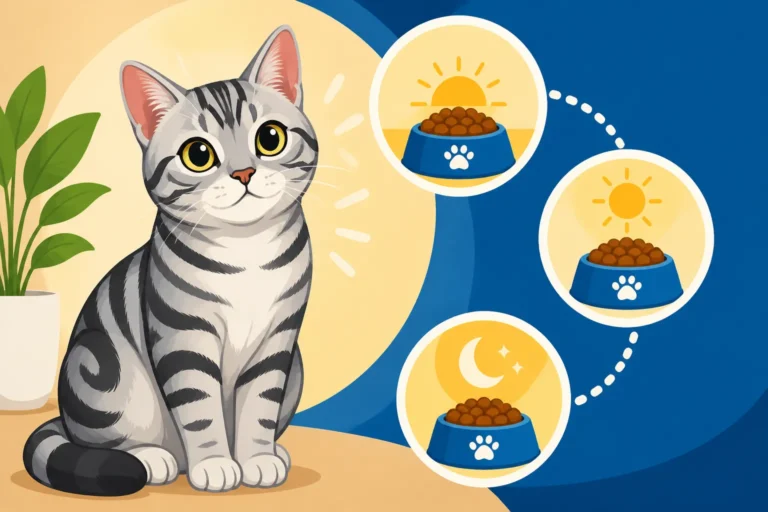
Moving away from free-feeding is perhaps the most critical step in managing your American Shorthair's weight and overall health. Instead, implement a schedule of two to three portion-controlled meals per day. This approach prevents overeating and provides structure, allowing you to monitor their intake closely.
To determine the right portion size, start with the guidelines on your chosen cat food's packaging, but remember these are just starting points. Factors like your cat's age, activity level, and current body condition will influence their actual caloric needs. A conversation with your veterinarian about their ideal weight and daily caloric intake is invaluable. They can help you calculate a precise feeding plan tailored to your individual cat. Remember, a cat with a robust "working" frame, even if they aren't working anymore, will have different needs than a delicate, smaller breed. Regularly checking their body condition, feeling for their ribs, and noting their energy levels will help you fine-tune portion sizes.
Reintroducing the Hunt: Enrichment Feeding
A fed cat is certainly content, but an American Shorthair who's had to "work" for their meal is often more satisfied and stimulated. Enrichment feeding isn't just about slowing down their eating; it's about engaging their innate hunting drive, reducing boredom, and promoting natural behaviors. Making an American Shorthair Work for Its Dinner Again offers more detailed strategies for this.
Puzzle Feeders and Foraging Toys
Puzzle feeders are fantastic tools for making your American Shorthair engage their brains and bodies for food. These can range from simple designs where they bat at a toy to release kibble, to more complex mazes and compartments that require problem-solving. By using puzzle feeders, you're tapping into their natural foraging instincts, which reduces the speed at which they eat and provides mental stimulation. This can be especially helpful for cats prone to gulping their food or those who get bored easily.
Start with easy puzzle feeders and gradually increase the difficulty as your cat masters them. You can even create DIY versions using empty toilet paper rolls or small boxes. Hide small portions of their kibble or treats in various locations around the house, encouraging them to "hunt" for their food. This mimics the scattered distribution of prey in a natural environment and gives them a sense of accomplishment with each discovery. Just remember to account for these "hidden" calories in their daily total to avoid overfeeding. Many options for puzzle feeders are available on Amazon, from beginner-friendly to advanced designs.
Interactive Feeding Routines
Beyond static puzzle feeders, you can incorporate interactive feeding into your daily routine. This involves you, as the "prey," engaging your American Shorthair in play that culminates in them "catching" their food. Use a wand toy to mimic the movement of prey, letting them chase, pounce, and "kill" the toy before you reward them with a small portion of their meal. This can be done before each meal or as part of a larger play session.
This approach not only provides physical exercise but also taps into their natural "stalk-chase-pounce-kill-eat" sequence. It allows them to express their innate hunting behaviors in a safe and rewarding way. Even just scattering their dry food across a room, rather than putting it all in one bowl, makes them move and search, turning mealtime into a more engaging experience. This kind of active engagement helps burn off energy and satisfy their primal urges, leading to a calmer, more contented cat.
Hydration Beyond the Bowl
As we've touched on, hydration is critically important for cats, and relying solely on a still water bowl might not be enough for your American Shorthair. Their desert-dwelling ancestors evolved to get most of their water from their food.
The Importance of Water Fountains and Multiple Stations
To encourage your American Shorthair to drink more, consider investing in a circulating water fountain. Many cats are drawn to moving water, perhaps associating it with fresher, safer sources. A fountain also oxygenates the water, which some cats find more appealing. Whether an American Shorthair Needs a Water Fountain might be a good read for considering this.
Beyond fountains, strategically place multiple water bowls throughout your home, in different rooms and away from their food bowls and litter boxes. Cats often prefer their water source to be separate from where they eat. Offer different types of bowls – ceramic, stainless steel, glass – as some cats have preferences. Make sure the bowls are wide enough that their whiskers don't touch the sides, which can be irritating. Regularly cleaning and refilling the bowls with fresh water is also essential to keep them appealing.
Incorporating Broths and Wet Food
Another excellent way to boost your American Shorthair's hydration is through their food. As previously mentioned, a high-quality wet food diet is paramount. You can also add small amounts of cat-safe broths (ensure they are low sodium and free of onions, garlic, or other harmful ingredients) to their wet food or even to their kibble if you're still feeding dry. This adds palatable moisture and can entice picky drinkers.
Some owners even add a small amount of extra water directly to their cat's wet food, turning it into a soupy consistency. While this might seem counterintuitive to us, many cats will happily lap it up. The goal is to maximize their fluid intake through as many avenues as possible, mitigating the risks of chronic dehydration that come with a less active, indoor lifestyle and dry food diets.
Managing Weight and Special Dietary Needs
Even with the best intentions, an indoor American Shorthair can still be prone to weight gain or develop specific health conditions that require dietary adjustments. Their robust build, while handsome, can hide extra pounds until they become a significant problem.
Recognizing and Addressing Obesity
It's deceptively easy for an American Shorthair to become overweight. Their solid, muscular build means a few extra pounds can be hard to spot until they've accumulated significantly. How to Spot Weight Gain on a Square Built American Shorthair provides visual cues. Instead of looking for a "cobby" body type that might be favored in other breeds, you're looking for loss of a discernible waist, difficulty feeling ribs without pressing, and abdominal sagging.
If your American Shorthair is overweight, the first step is a veterinary consultation. They can rule out any underlying medical conditions and help you formulate a safe and effective weight loss plan. This typically involves reducing calorie intake (often through a prescription weight-loss diet or carefully measured portions of their current food) and increasing physical activity through enriched play and feeding. Slow and steady weight loss is crucial; rapid weight loss in cats can lead to serious health complications like hepatic lipidosis (fatty liver disease). Consistency is key, and it might mean adjusting what you offer from places like Chewy to find the right formula.
Dietary Changes for Senior American Shorthairs
As your American Shorthair ages, their nutritional needs will subtly shift. Senior cats, generally those over 10-12 years old, may experience a decrease in muscle mass, a less efficient metabolism, and potential health issues like kidney disease, arthritis, or dental problems. Caring for an American Shorthair Past Twelve offers a broader look at senior care.
Your vet might recommend specific senior cat foods that are formulated with easily digestible proteins, lower phosphorus levels to support kidney health, and often added joint supplements like glucosamine. Appetite changes are also common in older cats; some may become pickier, while others might lose interest in food due to dental pain or other health issues. Soft, palatable wet foods can be particularly beneficial for senior American Shorthairs, making it easier for them to eat and ensuring good hydration. Regular veterinary check-ups become even more critical in their golden years to catch any issues early and adjust their diet accordingly.
Making the Transition: Tips for Picky Eaters
Changing your cat's diet, especially for an American Shorthair who might have grown accustomed to a certain food for years, can be a challenge. Cats are creatures of habit, and many are notoriously picky eaters. Patience and persistence are key.
Gradual Introduction Methods
The golden rule for any dietary change in cats is gradual introduction. Abruptly switching foods can lead to digestive upset (vomiting, diarrhea) and can make your cat even more resistant to the new food. Start by mixing a very small amount of the new food with their current food, perhaps a 90% old to 10% new ratio.
Over several days to a week, slowly increase the proportion of the new food while decreasing the old. Observe your cat closely for any signs of digestive distress or refusal to eat. If they balk, slow down the transition. Some cats might need weeks, or even months, for a full transition. This is particularly true when moving from dry kibble to an all-wet food diet. Don't get discouraged; every small step in the right direction is a victory.
Overcoming Resistance and Enhancing Appeal
For truly stubborn eaters, you might need to get creative. Heating wet food slightly (just to body temperature, never hot) can enhance its aroma and make it more appealing. You can also try crumbling a favorite treat over the new food or mixing in a small amount of cat-safe broth or tuna water to entice them.
Another trick is to offer the new food in a separate bowl at the same time as their old food. This allows them to investigate without feeling forced. Some cats will prefer different bowl materials or locations. Patience is crucial; don't give in and immediately offer the old food if they refuse the new. Offer the new food for a short period (15-20 minutes), then remove it. Try again at the next mealtime. Never starve your cat into eating, as going without food for too long can be dangerous, especially for overweight cats. If you're struggling, your vet can offer additional strategies and recommend specific palatable prescription diets if needed. Remember, the goal is long-term health, and sometimes it takes a bit of a dance to get there.
Disclaimer
This article is for general informational purposes only and does not constitute professional advice. Laws, prices and regulations vary by location and change over time. Consult a qualified professional for guidance on your specific situation.