Why an American Shorthair’s Coat Thickens for Winter
It's a common sight for us cat parents: as the days shorten and the chill starts to creep into the air, you might notice your sleek American Shorthair suddenly feels a bit… fluffier. This isn't your imagination, nor is it necessarily a sign of weight gain (though we'll talk about that, too!). Instead, it's a fascinating and ancient biological process. This guide will dive deep into why your American Shorthair's coat naturally thickens for winter, exploring the science, history, and practical implications for their care.
The American Shorthair's Ancestral Coat and Its Purpose
To truly understand why your American Shorthair's coat changes with the seasons, we have to look back at their remarkable lineage. These aren't creatures bred for delicate beauty; they are the descendants of resilient working cats, hardy survivors who earned their keep in harsh environments. Their coat, therefore, is a testament to natural selection, designed for function above all else.
A Coat Built for the Elements, Not Aesthetics
Imagine a world before central heating, where cats weren't pampered house pets but essential members of a household or ship's crew. The American Shorthair's ancestors faced biting winds, damp conditions, and plummeting temperatures across North America. Their coat wasn't just for looking pretty; it was their primary defense against the elements. It had to be tough, insulating, and remarkably practical. This explains why the American Shorthair possesses a dense, resilient coat that is often described as "hard" or "coarse" to the touch, rather than silky soft. It's a coat built for purpose. The American Shorthair's Coat Was Built for Weather, Not a Judge can shed more light on this functional aspect.
This rugged coat structure includes guard hairs that are stiff and provide excellent protection against moisture and minor abrasions. These aren't easily flattened, allowing air pockets to form within the fur, which is crucial for insulation. Beneath these longer, tougher guard hairs lies a softer, denser undercoat, which is the primary contributor to warmth. This dual-layer system is a masterpiece of natural engineering, ensuring maximum protection and thermal regulation, much like a well-made winter jacket has both a waterproof outer layer and a warm fleece lining.
The texture and composition of the American Shorthair's coat are a direct reflection of its working heritage. Unlike some modern breeds selectively bred for extreme softness or flowing lengths, the American Shorthair's coat maintains its ancestral hardiness. This means it's less prone to matting and generally easier to care for, precisely because it evolved to be self-sufficient. It's designed to repel dirt and moisture, keeping the cat clean and dry even in challenging outdoor conditions, a characteristic that served them well as barn cats and ship's mousers.
From Ships to Farms: Surviving the American Winters
The journey of the American Shorthair's ancestors from European ships to the vast landscapes of North America meant adapting to incredibly diverse and often extreme climates. From the damp, chilly winters of the Northeast to the sometimes brutal cold snaps inland, these cats needed to be prepared. A genetically programmed ability to adjust their coat density seasonally was not just a convenience; it was a matter of survival. Their robust constitution and adaptable coat allowed them to thrive in environments where less hardy breeds would struggle. Whether the Coat Kept Ships' Cats Warm on Deck offers a fascinating look into their seafaring resilience.
These early cats, often brought over to control rodent populations on ships and later on farms, were exposed to the full spectrum of seasonal changes. There was no going inside to a climate-controlled home when the temperature dropped; they relied entirely on their natural physiology. The thickening of their coat was a direct response to the decreasing ambient temperatures and the need for enhanced thermal insulation. It allowed them to maintain their core body temperature efficiently, whether they were huddled in a barn or patrolling fields for prey.
Even today, with many American Shorthairs living comfortably indoors, this deep-seated genetic programming remains. While an indoor cat won't experience the same extreme temperature fluctuations as its ancestors, its body still receives signals that trigger these seasonal changes. This highlights the enduring genetic legacy of a breed that has always prioritized functionality and adaptability. Their ability to weather the American winter, whether on a bustling farm or a quiet windowsill, is a testament to their incredible resilience and natural design.
The Science Behind Seasonal Coat Changes
Understanding the "why" behind your American Shorthair's winter coat thickening takes us into the fascinating world of biology. It's not just a random occurrence; it's a finely tuned response orchestrated by nature to ensure survival. This involves intricate mechanisms, primarily driven by light exposure and hormonal shifts, with nutrition playing a vital supporting role.
Photoperiodism: Nature's Signal for Coat Growth
The primary trigger for seasonal coat changes in many animals, including our American Shorthairs, is called photoperiodism. This refers to the physiological reactions organisms have to the length of daylight or darkness over a 24-hour period. As autumn progresses and the days visibly shorten, a cat's body detects this change in light exposure. Specialized receptors in their eyes send signals to the pineal gland in the brain, which in turn influences the production of hormones. It's a precise internal clock, ticking away the seasons, even for a cat lounging on your sofa.
The decrease in natural light stimulates the pineal gland to produce more melatonin, a hormone famously associated with sleep cycles, but which also plays a crucial role in regulating seasonal physiological changes in animals. This increase in melatonin acts as a signal to the hair follicles across the cat's body, prompting them to enter a new phase of growth. The old, thinner summer coat is shed, and new, thicker hairs are produced, particularly the insulating undercoat. It’s a beautifully synchronized process, ensuring the cat is ready for the colder months well before the harshest weather truly sets in.
Even in a well-lit home, an American Shorthair's body will still respond to the subtle yet consistent changes in natural daylight that filter through windows. While artificial indoor lighting can somewhat disrupt this natural rhythm, it typically doesn't override it completely. The deep evolutionary programming ensures that their system still registers the shortening days, initiating the preparations for their winter coat. This is why you'll often see your cat starting to shed their summer coat in late summer or early autumn, making way for the new, denser growth that will keep them cozy throughout winter.
Hormonal Influence on Hair Follicle Cycles
Beyond melatonin, a complex interplay of various hormones influences the cyclical nature of hair growth and shedding in cats. Thyroid hormones, adrenal hormones (like cortisol), and sex hormones all play a part in regulating the activity of hair follicles. These hormones dictate when follicles enter phases of active growth (anagen), regression (catagen), and rest (telogen). The shift to a winter coat involves a significant alteration in these cycles, favoring extended growth phases for denser, insulating fur.
As the days get shorter and temperatures drop, the body’s endocrine system (which produces hormones) adapts to prepare the cat for winter. The hormonal balance shifts, signaling the hair follicles to produce thicker, longer, and more numerous hairs, particularly the fine, downy undercoat. This new growth is typically designed to maximize insulation. The shedding of the old coat and the growth of the new one are not always simultaneous; often, there's an overlap where the old hairs are pushed out as the new ones emerge, leading to those periods of heavier shedding you might notice. The American Shorthair Sheds Twice a Year and Asks Nothing Else provides a broader perspective on their shedding patterns.
Understanding these hormonal influences also explains why changes in a cat's health or environment can sometimes impact their coat. For example, stress, certain medical conditions (like thyroid imbalances), or even a drastic change in diet can disrupt these natural cycles, leading to poor coat quality or abnormal shedding. A healthy, well-regulated hormonal system is essential for your American Shorthair to grow and maintain that magnificent, protective winter coat, reflecting their overall well-being.
The Role of Diet and Nutrition in Coat Health
While photoperiodism and hormones are the primary drivers of coat thickening, diet and nutrition provide the essential building blocks. A robust, healthy winter coat isn't magic; it's made of protein, fats, vitamins, and minerals. If your American Shorthair's diet is lacking, even the most perfect hormonal signals won't result in a thick, shiny, and protective coat. Think of it like building a house – you can have the best blueprints, but if you don't have quality materials, the house won't stand strong.
Protein is paramount, as hair is primarily composed of keratin, a protein. Cats are obligate carnivores, meaning they require a high-protein diet derived from animal sources. A diet rich in high-quality animal protein provides the amino acids necessary for strong, healthy hair growth. Without sufficient protein, hair can become brittle, sparse, and lack its natural luster and density. This is especially critical during periods of heavy coat growth, like the transition to winter.
Essential fatty acids, particularly Omega-3 and Omega-6, are also vital for skin and coat health. These fats contribute to the natural oils in the skin and fur, which keep the coat supple, shiny, and help form a protective barrier against moisture. Foods fortified with fish oil or flaxseed can be beneficial. A good, balanced cat food will provide these nutrients in the right proportions, ensuring your American Shorthair has everything it needs to grow a beautiful, resilient winter coat.
What Happens When an American Shorthair's Coat Thickens
When we talk about an American Shorthair's coat "thickening" for winter, it's not just a general feeling of more fur. It's a specific and highly effective adaptation involving distinct changes in the type, density, and structure of their hair. This transformation results in a coat that is perfectly engineered to withstand colder temperatures and provide superior insulation.
Developing a Dense Undercoat
The most significant change in an American Shorthair's winter coat is the proliferation of its undercoat. These are the shorter, finer, softer hairs that lie beneath the longer, coarser guard hairs. While an American Shorthair generally carries an undercoat year-round, it becomes significantly denser and longer in preparation for winter. Imagine slipping on a thick, downy sweater underneath your regular jacket – that's essentially what your cat is doing. Whether an American Shorthair Carries an Undercoat delves deeper into this aspect.
This increased density of the undercoat traps a layer of air close to the cat's body. This trapped air acts as a fantastic insulator, preventing body heat from escaping and cold air from penetrating. It's the same principle behind double-paned windows or insulated walls in a house. The more air that can be trapped within the fur, the more effectively the cat can maintain its core body temperature, even when outdoor temperatures plummet. This undercoat is what gives your American Shorthair that distinctly plush and substantial feel during winter months.
For cats that spend any time outdoors, or even just enjoy a chilly window perch, this dense undercoat is absolutely vital. It allows them to stay comfortable and active in conditions that would quickly chill a single-coated breed. Even purely indoor American Shorthairs, whose bodies still respond to natural light cycles, will develop this thicker undercoat, often leading to more noticeable shedding when they transition back to their lighter summer coat. This natural cycle ensures they are biologically prepared for any dip in temperature, making them incredibly adaptable companions.
Changes in Guard Hair Texture and Length
While the undercoat gets most of the attention for insulation, the guard hairs also play a critical role and undergo subtle but important changes. These are the longer, stiffer hairs that you see on the surface of the coat, giving it its texture and color patterns. In winter, these guard hairs can become slightly longer and often feel even more robust and coarse than they do in summer. This added length provides an extra layer of protection, working in tandem with the thickened undercoat.
The primary function of the guard hairs is to protect the underlying softer undercoat from moisture, dirt, and physical abrasion. In winter, as the coat becomes denser, these guard hairs stand a bit more erect, creating an even better barrier. This helps water, snow, and ice to bead up and run off the coat, rather than penetrating to the skin and chilling the cat. Think of it like a thatched roof, where the outer layer deflects the rain, keeping the interior dry and warm.
The quality of these guard hairs is also a good indicator of overall coat health. A well-nourished American Shorthair will have guard hairs that are strong, resilient, and lie correctly, creating that characteristic hard texture. If these hairs appear dull, brittle, or sparse, it can indicate nutritional deficiencies or underlying health issues, which might compromise the coat's ability to protect and insulate effectively during the colder seasons. What Makes an American Shorthair's Coat Hard Rather Than Soft further explores the unique characteristics of their topcoat.
How This Provides Insulation and Protection
The combined effect of a dense undercoat and robust guard hairs is superior insulation and protection against the winter elements. This double-layer system is a highly efficient natural warming mechanism. The undercoat traps the crucial layer of warm air, while the guard hairs act as a shield, keeping that warmth in and the cold and moisture out.
When an American Shorthair is outside in cold weather, its coat essentially creates a microclimate close to its skin. The trapped air is warmed by the cat's body heat, and because air is a poor conductor of heat, this warmth is retained. The guard hairs prevent wind from penetrating this insulating layer, which would otherwise strip away the warm air and make the cat feel much colder. This ability to create an effective thermal barrier is why American Shorthairs, descended from working cats, can tolerate a much wider range of temperatures than many other breeds.
Furthermore, this thickened coat isn't just about warmth; it also offers increased physical protection. The denser fur acts as a buffer against minor bumps, scrapes, and even light impacts. For a cat whose ancestors might have been navigating rough barn environments or dense undergrowth, this extra padding was a distinct advantage. Even for indoor cats, it adds an extra layer of comfort and resilience. It's a comprehensive protective suit, perfectly adapted by centuries of natural selection to ensure the American Shorthair remains comfortable and safe, whatever the weather throws at them.
Recognising the Winter Coat in Your American Shorthair
It’s one thing to understand the science, and another to actually observe these changes in your own cat. Many American Shorthair owners might notice a subtle shift, but once you know what to look for, the transition to their winter coat becomes much more apparent. It involves more than just a thicker feel; there are visual and tactile cues that signal your feline friend is gearing up for the colder months.
Visual Cues of a Thicker Coat
The first thing you might notice isn't the coat thickening, but rather the heavy shedding that precedes it. As early as late summer or early autumn, your American Shorthair will start to "blow" their summer coat. You'll likely find more fur around the house, on furniture, and during grooming sessions. This is a crucial step to make way for the new, denser winter growth. Once the old coat is largely gone, the new, thicker fur begins to fill in.
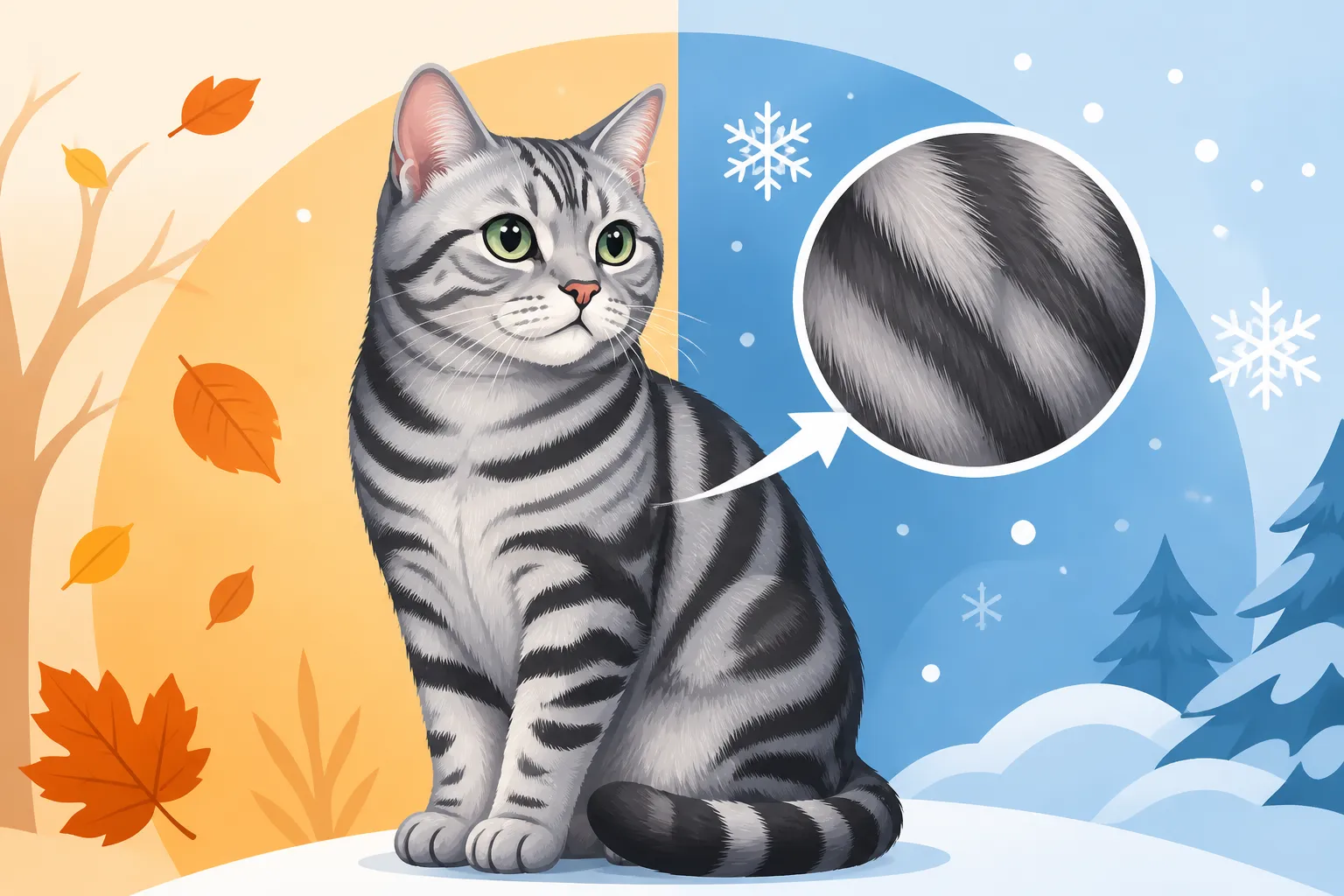
Visually, the most obvious cue is an overall increase in fluffiness and density. Your cat might appear slightly larger, more rounded, and less streamlined than they did during the summer. The fur will seem to stand out from their body more, particularly along their back and flanks. Even if your cat has a vivid tabby pattern, the individual hairs within those stripes might appear more numerous and closely packed. The lines of their markings can sometimes appear a little softer or less sharply defined due to the increased density of the underlying fur.
Pay attention to their silhouette against the light. A summer coat often lies flat and sleek, showcasing the cat's muscular frame. A winter coat, however, will have a noticeable "loft" to it, creating a more voluminous appearance. If you gently part the fur, especially along their back or sides, you'll see a thicker layer of soft, downy undercoat closer to the skin, whereas in summer, the skin would be much more readily visible. This visual transformation is a clear sign that your American Shorthair is well into the process of preparing for colder temperatures.
The Feel of a Winter-Ready Shorthair
Beyond what you see, what you feel when you pet your American Shorthair is perhaps the most definitive indicator of their winter coat. Run your hand over their back. During summer, the coat feels relatively thin and smooth, and you can often feel the contours of their muscles and bones easily beneath the fur. As winter approaches and their coat thickens, this changes dramatically.
The most noticeable difference is the density. Their fur will feel much thicker, almost plush, to the touch. You'll perceive a greater resistance as your hand moves through the coat, especially if you try to rub against the grain. This plushness comes directly from the increased volume of the soft undercoat that has grown in. It's not just a surface change; it's a deep-seated enhancement of their natural insulation.
Furthermore, the overall texture will also feel more substantial. While the American Shorthair's guard hairs retain their characteristic "hard" quality, the sheer volume of the undercoat makes the entire coat feel more resilient and dense. It will feel warmer to the touch as well, a testament to its insulating properties. If you gently squeeze a section of fur, you'll feel the springiness and depth that wasn't there during the warmer months, confirming that your feline companion has donned their perfectly tailored winter attire.
Increased Shedding Before the Thickening
It might seem counterintuitive, but one of the earliest and most noticeable signs of a coat thickening for winter is actually increased shedding. This phase, often called "blowing the coat," typically occurs in late summer and early autumn. Before the new, thicker winter coat can fully grow in, the old, lighter summer coat needs to be shed to make room. This is a crucial and natural part of the seasonal cycle.
During this period, you'll likely find more cat hair on your clothes, furniture, and floors than usual. Grooming sessions will yield a greater amount of loose fur. It's important not to confuse this with excessive or unhealthy shedding; rather, it’s a healthy indication that your cat's body is actively transitioning. This shedding helps remove the less insulating summer hairs, allowing the follicles to prepare for and grow the denser winter protection.
This preparatory shedding process can last several weeks, and the intensity can vary depending on individual cats, their genetics, and their environment. For instance, a cat that spends more time outdoors might experience a more pronounced and synchronized shed than a strictly indoor cat. By observing this initial burst of shedding, you can anticipate the arrival of the thicker, more luxurious winter coat, knowing that your American Shorthair is just following its ancient instincts. How an American Shorthair's Coat Thins Toward Summer describes the reverse process after winter.
Managing Your American Shorthair's Winter Coat
While the American Shorthair's coat is remarkably self-sufficient, a little help from you can go a long way in ensuring its health and effectiveness, especially during the seasonal transitions. Managing their winter coat involves understanding their basic needs and adapting your care routine to support their natural processes.
Grooming Needs During Seasonal Transitions
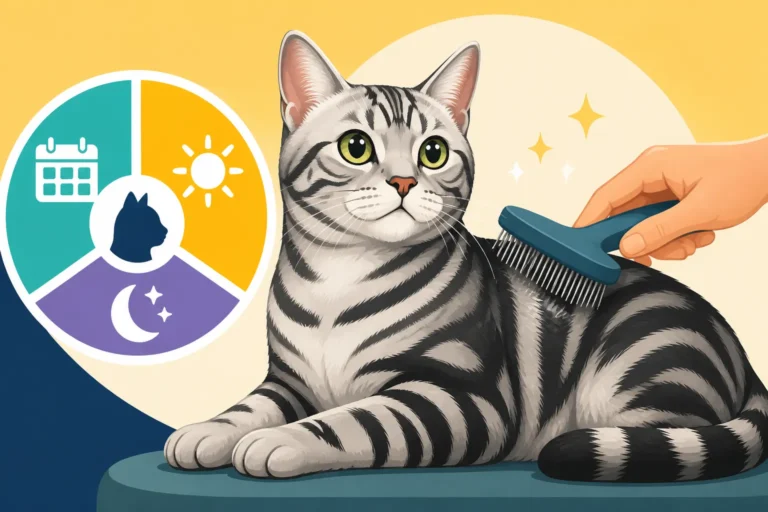
Even though American Shorthairs are generally low-maintenance groomers, the periods of seasonal coat change – both when the winter coat comes in and when it sheds out – can benefit from increased attention. During the autumn transition, when the summer coat is being shed and the winter coat is growing, regular brushing becomes more important. This helps remove loose, dead hair from the summer coat, which makes room for the new growth and prevents mats from forming as the undercoat thickens.
A good quality slicker brush or a fine-toothed comb can be incredibly effective during these times. Gently brush your American Shorthair a few times a week, focusing on areas where the fur might be densest, like their back and flanks. This not only helps manage shedding but also distributes natural skin oils, keeping the coat healthy and shiny. For removing undercoat specifically, a deshedding tool can be used sparingly and carefully, following the manufacturer's instructions, but the American Shorthair's simple coat usually doesn't require aggressive tools. Which Comb Suits an American Shorthair's Hard Coat can guide you on choosing the right tools.
Once the winter coat is fully in, the grooming needs typically lessen again. The dense, hard guard hairs are excellent at repelling dirt and preventing tangles. However, maintaining a consistent brushing routine, even if less frequent, helps keep the coat in top condition and allows you to bond with your cat. Regular grooming also gives you an opportunity to check for any skin issues or new lumps and bumps that might otherwise go unnoticed beneath the thick fur. You can find a wide range of grooming tools and combs suitable for American Shorthairs on trusted pet supply websites like Chewy or Amazon.
Supporting Coat Health Through Diet
As mentioned earlier, diet is the foundation of a healthy coat. During the demanding process of growing a new, thick winter coat, your American Shorthair's body needs optimal nutrition. Ensuring they receive a high-quality, balanced diet rich in protein and essential fatty acids is crucial. Look for cat foods where animal protein is the first ingredient, not grains or fillers.
Consider incorporating supplements if your vet recommends it, especially those rich in Omega-3 and Omega-6 fatty acids. These can significantly improve skin hydration and coat luster. Many commercial cat foods, particularly premium brands, already include these. Some owners find that adding a small amount of fish oil (specifically formulated for pets) to their cat's food can make a noticeable difference in coat quality and help reduce dryness during the colder, drier indoor air months.
Hydration also plays a vital role. A well-hydrated cat will generally have healthier skin and a more vibrant coat. Ensure your American Shorthair always has access to fresh, clean water. Some cats prefer running water from a fountain, while others might benefit from a diet that includes more wet food, which contributes to their overall fluid intake. A healthy internal system, supported by excellent nutrition, will always translate to a resilient and beautiful external coat, perfectly equipped to handle the winter.
Indoor vs. Outdoor Environment Impact
While the American Shorthair's genetic programming ensures a seasonal coat change regardless of environment, the intensity and timing can be influenced by whether your cat lives primarily indoors or outdoors. Outdoor cats, exposed to the full spectrum of natural light and temperature fluctuations, will typically develop a much thicker, denser winter coat compared to their indoor counterparts. Their bodies receive stronger signals, prompting a more pronounced physiological response. What an Outdoor American Shorthair Needs That an Indoor One Does Not can give insights into the broader care needs for outdoor cats.
Indoor cats, while still responding to decreasing daylight, might have a somewhat muted reaction. Constant artificial lighting, especially in the evenings, can interfere with the pineal gland's melatonin production, potentially leading to a slightly less dense winter coat or a less distinct shedding cycle. Furthermore, the stable, warm temperatures of an indoor environment reduce the physiological urgency for extreme insulation. This can mean that indoor American Shorthairs shed a bit more consistently throughout the year, rather than having pronounced seasonal "blow-outs."
Regardless of their living situation, monitoring your cat's comfort is key. For indoor cats, ensure they don't get overheated with their new thick coat, especially if your home is kept very warm. For outdoor or indoor/outdoor cats, appreciate that their magnificent winter coat is their best defense against the cold, but also provide sheltered, warm spots for them to retreat to during extreme weather. Understanding how their environment interacts with their natural biology helps you provide the best possible care. Whether Central Heating Keeps an Indoor American Shorthair Shedding offers more detail on how indoor conditions affect their coat.
Common Misconceptions About Winter Coats
When we talk about natural biological processes, especially something as visible as a cat's fur, it's easy for myths and misunderstandings to take root. The American Shorthair's winter coat is no exception. Clearing up some of these common misconceptions can help you better understand and care for your furry companion.
Is a Thicker Coat Always a Sign of Health?
It's natural to assume that a thick, dense coat is always a sign of peak health in an American Shorthair. And often, it is! A healthy cat with good nutrition and a balanced hormonal system will grow an impressive winter coat. However, it's important to remember that coat thickness alone isn't the sole indicator of well-being. There are nuances that savvy cat owners should be aware of.
For instance, an extremely thick or matted coat can sometimes mask underlying skin conditions or make it difficult to spot parasites. An overweight cat might appear to have a very dense coat, when in reality, much of the bulk comes from excess fat, not healthy fur. In such cases, the cat might struggle to groom itself effectively, leading to mats and poorer coat quality despite the initial impression of thickness. This can be especially true for a breed like the American Shorthair, which has a naturally robust build.
Furthermore, certain health issues, while not directly impacting coat thickness, can affect its quality. A cat suffering from kidney disease or an autoimmune disorder might still grow a dense winter coat, but the fur itself might be dull, brittle, or have an unhealthy texture. Therefore, while a thick coat is generally positive, it should always be considered in conjunction with other signs of health, such as bright eyes, good energy levels, a healthy appetite, and proper grooming habits. It’s the quality of the thickness that truly matters.
The Myth of "Hypoallergenic" Winter Coats
This is a common misconception that needs to be addressed head-on: no cat breed, including the American Shorthair, is truly hypoallergenic, and a thicker winter coat certainly doesn't make them so. The term "hypoallergenic" is often misunderstood to mean "non-allergenic," which isn't accurate for any animal that produces dander.
All cats produce allergens, primarily a protein called Fel d 1, found in their saliva, urine, and skin flakes (dander). When a cat grooms itself, saliva containing this protein dries on its fur, becoming airborne as tiny dander particles. These particles are what trigger allergic reactions in sensitive individuals. A longer or denser coat, like a winter coat, actually provides more surface area for these allergens to accumulate and potentially shed into the environment.
While some breeds might shed less or produce slightly less Fel d 1 (though this varies greatly by individual cat), the American Shorthair is not one of them. Their seasonal shedding, especially when transitioning into and out of their winter coat, means a higher release of dander into the home. So, if you or a family member suffer from cat allergies, a thicker winter coat on your American Shorthair will likely increase rather than decrease the allergen load. Managing allergies involves consistent cleaning, air purifiers, and regular grooming to remove loose hair and dander, regardless of coat season. How Much an American Shorthair Sets Off Allergies offers more information on this topic.
Temperature Regulation Beyond the Coat
While the winter coat is an American Shorthair's primary defense against the cold, it's important to remember that cats have other physiological mechanisms for temperature regulation. Relying solely on the coat to gauge their comfort, especially in extreme conditions, would be a mistake. Their bodies are far more complex than a simple fur-clad thermometer.
Cats can adjust their posture to conserve heat, curling up into a tight ball to minimize exposed surface area. They can also seek out warm spots, whether that's a sunbeam, a heating vent, or snuggling up with you. Conversely, if they get too warm with their dense winter coat (perhaps in an overheated indoor environment), they might stretch out, pant slightly (though less common in cats than dogs), or seek cooler surfaces to dissipate heat.
Their ears, nose, and paw pads also play a role in heat exchange. These areas have less fur and a rich blood supply, allowing for some heat to be released or absorbed. Understanding these additional mechanisms helps us appreciate the holistic way a cat manages its body temperature. While the winter coat is a magnificent adaptation, it's part of a larger, integrated system that ensures the American Shorthair remains comfortable and healthy across various environmental conditions.
Preparing for the Spring Shed
Just as inevitably as winter arrives and your American Shorthair's coat thickens, spring will follow, bringing with it the "great shed." This is a significant event for your cat and for your home, as all that wonderful, dense winter fur makes its exit to prepare for the lighter summer coat. Being prepared can make this transition much smoother for everyone involved.
Anticipating the "Blow Out"
The spring shed, often affectionately called the "blow out," is typically more dramatic and noticeable than the autumn shed. All that extra undercoat that served your American Shorthair so well during winter needs to be expelled as the days lengthen and temperatures rise. This process usually begins in late winter or early spring and can last for several weeks. Expect to find fur everywhere – on clothes, furniture, and often in surprising corners of your home.
This heavy shedding is a natural and healthy process, but it can be a bit overwhelming if you're not prepared. The volume of hair coming off your cat can be quite substantial, especially for an American Shorthair with its dense, resilient coat. It’s a clear signal that their body is responding to the changing photoperiod and preparing for warmer weather, just as they did in reverse for winter.
Think of it as their annual wardrobe change, from a heavy winter parka to a lighter spring jacket. While it might mean more vacuuming and lint rolling for you, it's a necessary step for your cat's comfort and health. Anticipating this period allows you to mentally (and physically) prepare for the extra grooming and cleaning that will be needed to keep both your home and your cat comfortable.
Strategies for Minimising Loose Hair
While you can't stop the spring shed, you can certainly manage it effectively to minimize the amount of loose hair floating around your home. The most crucial strategy is consistent and thorough grooming. Increase your brushing sessions to daily, or even twice daily during the peak of the shed. Use a good quality brush that can effectively remove the loose undercoat, such as a slicker brush, a rubber curry brush, or a specialized deshedding tool. How Little Combing an American Shorthair Actually Needs usually applies, but not during these intense seasonal sheds.
Regular brushing not only collects the shedding hair before it ends up on your sofa but also stimulates blood flow to the skin and distributes natural oils, which promotes healthy new coat growth. Many American Shorthairs enjoy being brushed, turning it into a pleasant bonding experience. Consider doing grooming sessions outside if weather permits, or in an easy-to-clean area to contain the fur.
Beyond brushing, regular vacuuming is a must. Invest in a vacuum cleaner that is effective at picking up pet hair from various surfaces. Lint rollers will become your best friend for clothes and upholstery. You might also consider using furniture covers that can be easily washed to catch a significant portion of the shed hair. By proactively tackling the loose fur, you can keep your home cleaner and help your American Shorthair transition more comfortably into their summer coat.
Ensuring Continued Skin and Coat Health
Even during the intense shedding of spring, maintaining your American Shorthair's skin and coat health is paramount. The shedding process can sometimes expose underlying skin that might be a bit dry or irritated, especially if the air has been dry during winter. Continue to provide a high-quality diet rich in essential fatty acids to support healthy skin and promote the growth of a strong, new summer coat.
Keep an eye on their skin during grooming sessions. Look for any signs of redness, flakiness, or irritation. If your cat develops any bald patches, excessive scratching, or skin lesions, it's always best to consult your veterinarian, as these could be signs of allergies, parasites, or other dermatological issues. Even in a generally healthy breed like the American Shorthair, skin problems can arise.
Ensuring good hydration is also key throughout this period. A well-hydrated cat will have more supple skin and a healthier coat. Continue to provide fresh water and consider incorporating wet food if you don't already. By being attentive to their grooming, diet, and overall skin health during the spring shed, you'll help your American Shorthair move seamlessly from their cozy winter attire to their lighter, breezier summer coat, ready to enjoy the warmer months ahead.
Disclaimer
This article is for general informational purposes only and does not constitute professional advice. Laws, prices and regulations vary by location and change over time. Consult a qualified professional for guidance on your specific situation.