Why Boarding Takes an American Shorthair’s Territory Away
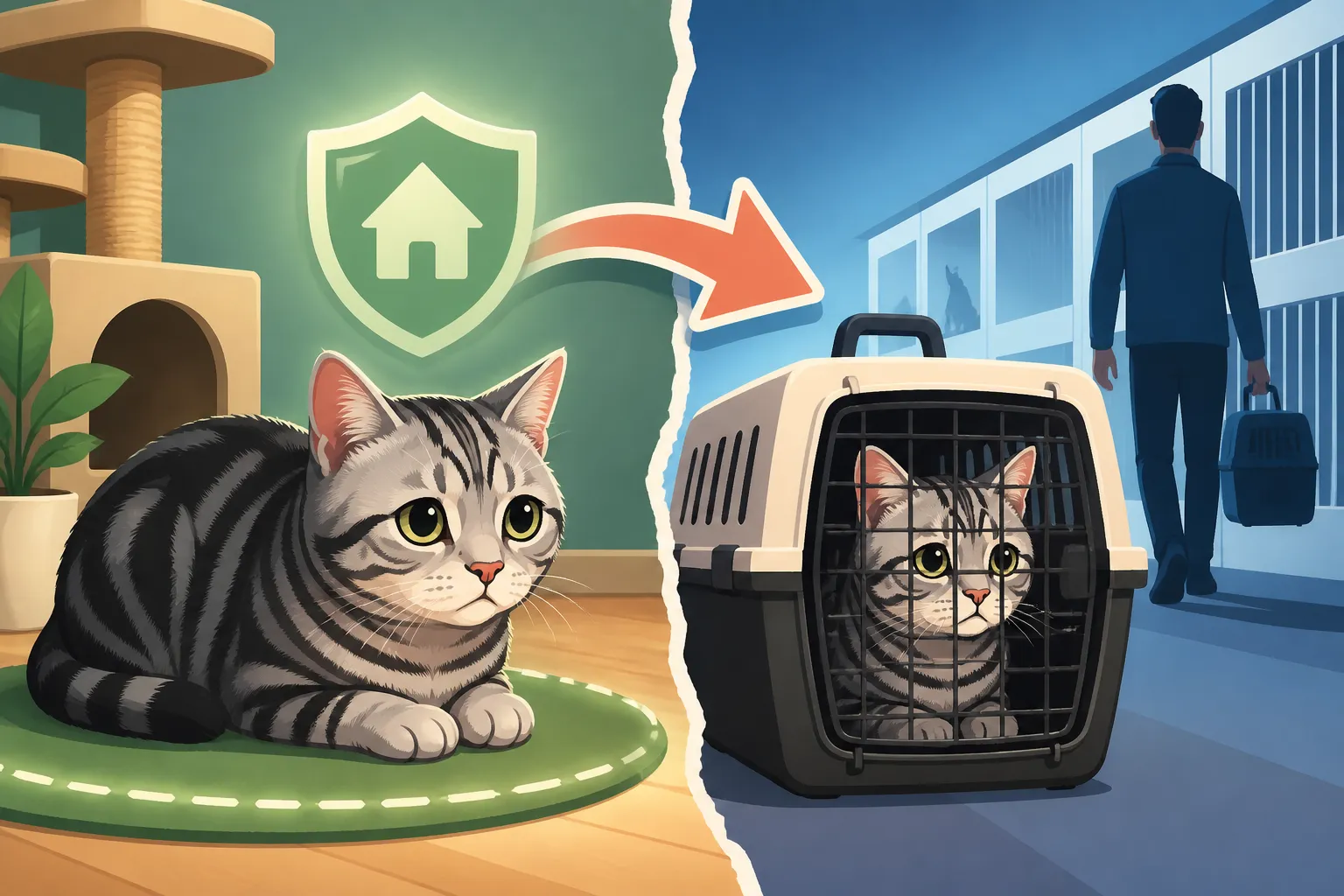
It's incredibly frustrating when your usually calm and collected American Shorthair, who seems to take everything in stride, comes back from a boarding stay acting completely out of sorts. You might think, "What happened? They were fine before!" The truth is, for a cat like the American Shorthair, their home isn't just a place to eat and sleep; it's their entire world, their carefully managed territory. When that territory is suddenly taken away and replaced with an unfamiliar, scent-filled cage, it's a huge disruption, and understanding why helps us manage the stress for our beloved feline companions.
Understanding the American Shorthair's Deep Connection to Territory
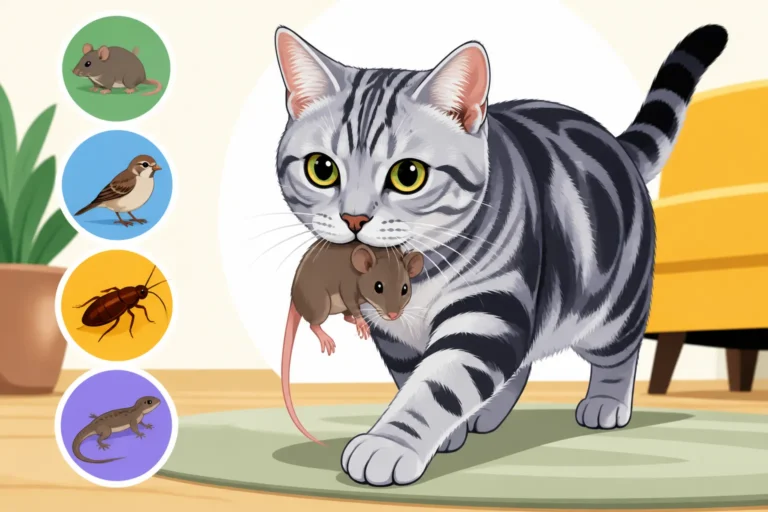
Our American Shorthairs carry centuries of their ancestors' instincts within them. These aren't fancy, delicate show cats that were bred purely for looks; these were the working cats, the mousers and guardians of barns and ships. This heritage means they have an incredibly strong, innate need for a secure, defined territory. They aren't wired to be adaptable to new, temporary spaces in the same way a dog might be.
The Instinctive Need for a Defined Space
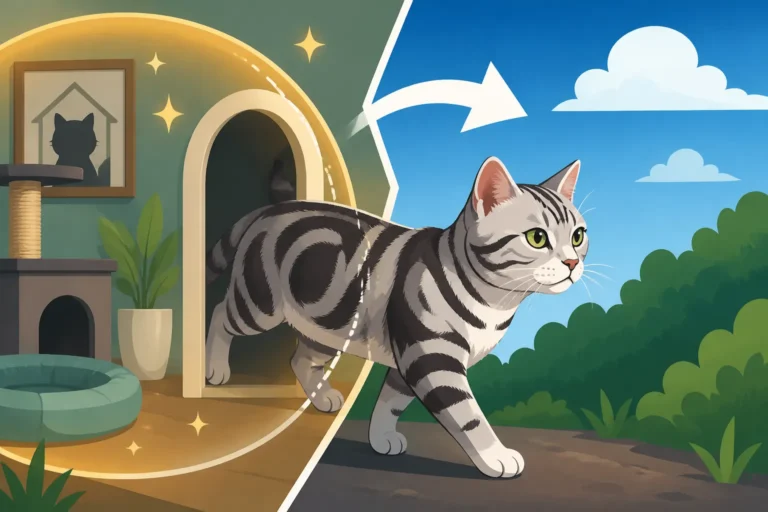
Imagine being responsible for your own survival, constantly aware of threats and resources. That's the ingrained mindset of the American Shorthair's ancestors. Their territory wasn't just a comfort; it was their livelihood. It was where they hunted, slept safely, raised their young, and knew every hiding spot and escape route. When we bring these cats into our homes, they naturally extend this instinct to their indoor environment. Every room, every piece of furniture, even every familiar scent becomes a part of their personal domain. They patrol it, mark it, and understand it intimately.
This deep connection to their home turf means that moving them, even temporarily, can trigger an ancient alarm system in their brains. It's not just a new place; it's a place where none of their established rules apply, where they haven't assessed the risks, and where they don't have the comfort of familiar smells or routines. They are essentially dropped into an unknown wilderness, and that's incredibly stressful for a creature wired for security and predictability.
Routines and Predictability as Pillars of Security
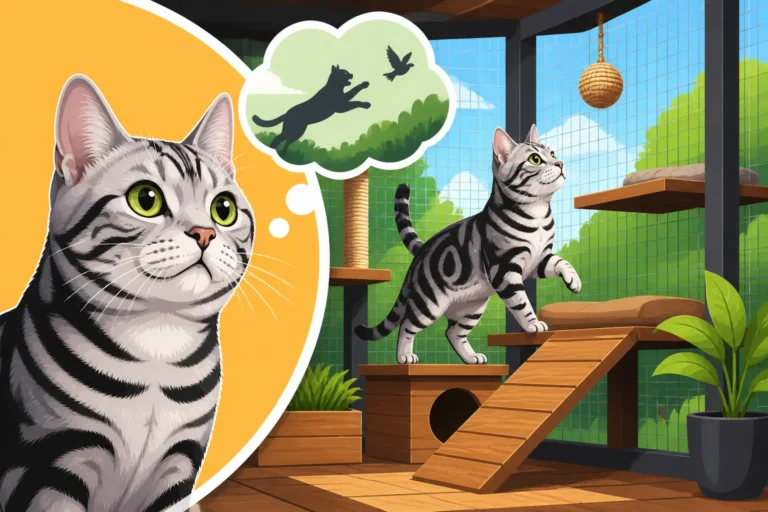
Beyond just the physical space, American Shorthairs thrive on routine. Their day is often split between patrols and sleep, with predictable meal times and interactions. How an American Shorthair Splits Its Day Between Patrol and Sleep These routines reinforce their sense of control over their environment. They know when to expect you, when food appears, when playtime happens. Every consistent action solidifies their understanding of their world.
When boarding, all of these established routines are shattered. New people, new smells, new sounds, and an entirely new schedule replace everything they've come to rely on. This lack of predictability removes their sense of control, which is a significant stressor. It’s not simply a change; it’s a complete upheaval of their perception of safety and order. This is why even a cat that seems low-maintenance at home can struggle with boarding; their self-sufficient nature doesn't mean they're impervious to environmental stress.
The Boarding Environment: A Cat's-Eye View of Disruption
To us, a boarding facility might seem clean, safe, and even cozy. We see individual enclosures, food, water, and perhaps even some toys. But to an American Shorthair, it's often a chaotic, overwhelming assault on their senses and their fundamental need for territorial security.
Unfamiliar Scents and Sounds
Think about how much a cat relies on scent to navigate and understand its world. Every surface in your home carries their unique scent markers, reassuring them of their ownership and safety. A boarding facility, on the other hand, is a cacophony of foreign scents: other cats, cleaning products, unfamiliar human handlers, and the lingering smells of previous temporary residents. This can be deeply disorienting and threatening. Their finely tuned sense of smell, which usually provides comfort and information, suddenly becomes a source of anxiety.
The same goes for sounds. Your home has familiar creaks, the hum of your refrigerator, the specific pitch of your voice. A boarding facility has the meows of other stressed cats, the clang of cage doors, the constant activity of staff, and unfamiliar ambient noise. For a cat accustomed to the quiet self-sufficiency of its home, these constant, unpredictable sounds can be profoundly unsettling. They can't interpret these new sensory inputs as safe, leading to heightened alertness and stress.
Restricted Space and Lack of Control
One of the most significant issues is the physical restriction. An American Shorthair's home territory might span several rooms, allowing them vertical space for climbing and perching, and horizontal space for patrols. Boarding enclosures, no matter how spacious for a cat, are still a fraction of their usual domain. This confined space, often without varied vertical options, means they can't perform their natural behaviors like extensive patrolling, strategic hiding, or seeking high vantage points.
This lack of choice and control over their immediate environment is profoundly stressful. They can't escape perceived threats (like the sounds or smells of other cats), they can't choose a new resting spot if theirs feels exposed, and they can't simply stretch out and relax in a place they fully own. This is a critical factor in why Boarding Takes an American Shorthair's Territory Away and impacts their mental well-being so deeply.
The Presence of Other Cats: A Threat Assessment Nightmare
Even if your American Shorthair is generally tolerant of other cats, the close proximity of unknown felines in a boarding environment is a significant source of stress. Cats are generally solitary hunters, and while they can form social groups, they are highly territorial. In a boarding facility, they are forced to share a space, even if visually separated, with rivals. This proximity means constant vigilance for your cat, as they perceive these other cats as potential competitors for resources or threats to their safety.
This constant low-level anxiety, the need to always be "on guard," is exhausting. They might respond by hiding, becoming aggressive, refusing food, or engaging in stress-induced behaviors like overgrooming. Even if they never physically interact, the mental burden of assessing and managing the perceived threat from other cats is immense, making it difficult for them to relax or adapt.
Minimizing the Stress of Territorial Disruption
While boarding can be challenging for an American Shorthair, there are definite steps you can take to make the experience less traumatic and help them cope with the temporary loss of their territory. It's all about providing as much familiarity and security as possible.
Choosing the Right Boarding Facility
Not all boarding facilities are created equal, especially when it comes to accommodating the unique needs of a territorial cat like the American Shorthair. Look for places that specialize in cats, or at least have separate, quiet areas specifically designed for felines. Ask about their enclosure sizes, whether they offer vertical space like shelving or cat trees, and if individual playtime or enrichment is provided.
A facility that understands cat behavior will often prioritize minimizing sensory overload. This might mean having solid partitions between enclosures rather than wire, using calming diffusers, or ensuring a consistent, quiet routine for the cats. Don't be afraid to ask for a tour and observe how the cats currently boarding seem to be doing. A calm environment, even if unfamiliar, is always better than a noisy, chaotic one.
Preparing Your American Shorthair for the Stay
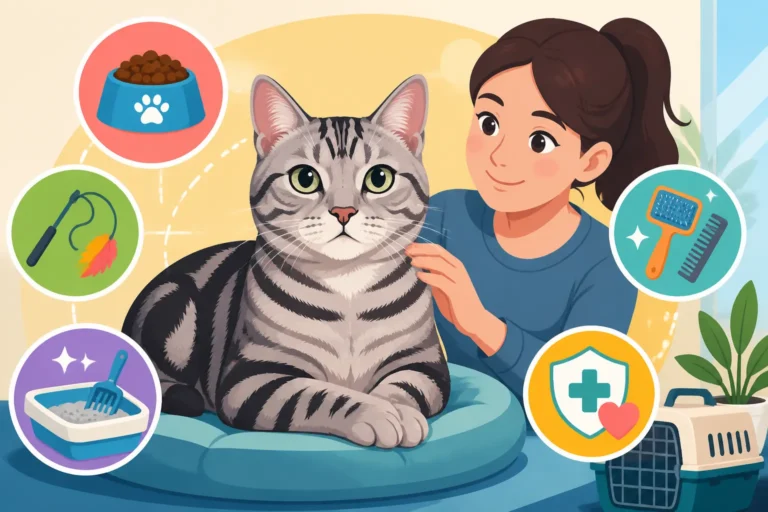
Preparation is key. Start by getting your cat used to their carrier well in advance. Leave it out as a normal piece of furniture, perhaps with a soft blanket inside and treats. You can find comfortable, sturdy carriers on Amazon that allow good airflow and are easy to clean. The less stressful the journey to the facility, the better.
Bring familiar items from home. A blanket or bed that smells like home and you can offer immense comfort. Their favorite toys, especially those that encourage their natural hunting instincts, can also provide a sense of normalcy and distraction. Which Wand Toy Reads as Prey to an American Shorthair Even a worn t-shirt that smells like you can be a powerful reassurance. This creates a small, portable "territory" for them within their temporary enclosure.
Communicating with the Boarding Staff
Provide detailed information about your American Shorthair's routine, preferences, and any quirks. Tell them when your cat usually eats, what kind of food they prefer, and how they like to be approached (or not approached!). If your cat loves a particular type of play or has specific hiding spots at home, share that. The more the staff can replicate aspects of their home life, the less stressed your cat will be.
It's also crucial to discuss their temperament. If your American Shorthair is particularly shy, or prone to stress, make sure the staff knows this so they can handle them gently and allow them space to adjust. A good boarding facility will be attentive to these details and make an effort to cater to individual needs.
| Aspect | Home Environment (Comfort Zone) | Boarding Environment (Disruption Zone) |
|---|---|---|
| Territory | Vast, known, marked with personal scents | Confined, unknown, saturated with foreign scents |
| Routine | Predictable, reassuring, chosen by the cat | Unpredictable, enforced, alien |
| Scent | Familiar, calming, identifying | Overwhelming, alarming, foreign |
| Sound | Known, gentle, predictable | Loud, chaotic, unpredictable |
| Space | Multi-level, secure hiding spots, escape routes | Restricted, exposed, few hiding spots |
| Companions | Chosen human family, familiar pets | Unknown cats (potential rivals), unfamiliar staff |
| Control | High degree over environment | Virtually no control over environment |
Supporting Your American Shorthair's Return Home
The adjustment doesn't end when you pick them up. Many American Shorthairs experience post-boarding stress, which manifests as changes in behavior, even if they seemed fine during their stay. They might be more withdrawn, clingy, vocal, or even try to re-establish their territory aggressively. How a Territorial American Shorthair Rebuilds a Patrol Route Patience is key.
Re-establishing Routine and Security
When your American Shorthair comes home, let them explore at their own pace. Don't immediately overwhelm them with attention. They need to re-scent their home, check every corner, and confirm that their territory is indeed theirs again. Maintain their regular feeding schedule and other routines immediately. Offer their favorite food and plenty of fresh water. You might find great automatic feeders or water fountains on Amazon that help maintain these routines, even if you’re away at work.
Engage them in gentle play, focusing on wand toys or interactive games that fulfill their hunting drive. Play That Finishes the Hunting Sequence for an American Shorthair This helps them release pent-up energy and stress in a positive way. Provide extra comfort, such as a cozy bed or a quiet spot where they can retreat if they feel overwhelmed.
Monitoring for Lingering Stress and Health Issues
Keep a close eye on their behavior for the first few days, or even weeks. Look for signs of stress like changes in appetite, litter box habits, overgrooming, or unusual vocalization. If they are hiding more than usual, seem unusually aggressive, or are acting withdrawn, it's a good idea to consult your vet. Stress can sometimes trigger underlying health issues, so it's important to rule out any physical problems.
Some cats may benefit from calming aids, such as Feliway diffusers, which can help create a more serene atmosphere in the home. These products can be easily found on Amazon and can make a noticeable difference in reducing anxiety during the adjustment period. Ultimately, understanding that your American Shorthair’s bond with its territory is profound allows you to anticipate and mitigate the challenges of boarding, ensuring they bounce back to their calm, contented selves as quickly as possible.
Disclaimer
This article is for general informational purposes only and does not constitute professional advice. Laws, prices and regulations vary by location and change over time. Consult a qualified professional for guidance on your specific situation.