How Many Hunts a Day an Indoor American Shorthair Needs
It's a common misconception that once a cat is safely indoors, their wild instincts simply vanish. But if you share your home with an American Shorthair, you know that couldn't be further from the truth. These wonderful felines carry centuries of their ancestors' work in their very DNA, and that means a deep, abiding need to hunt, even if the "prey" is just a feather on a stick. Trying to figure out how to satisfy that powerful urge without bringing live critters into the house can feel like a mystery. This guide will help you understand your American Shorthair's intrinsic hunting drive and offer practical, actionable ways to ensure they get the "hunts" they need every single day for a truly happy and well-adjusted indoor life.
Understanding the American Shorthair's Innate Hunting Drive
You might look at your placid, purring American Shorthair curled up on the sofa and wonder if they truly harbor the heart of a predator. Believe me, they do. This isn't just about entertainment; it's about fulfilling a fundamental biological and psychological need. Ignoring it can lead to a host of behavioral issues that leave both you and your feline friend frustrated.
A History of Purpose: Why They Hunt
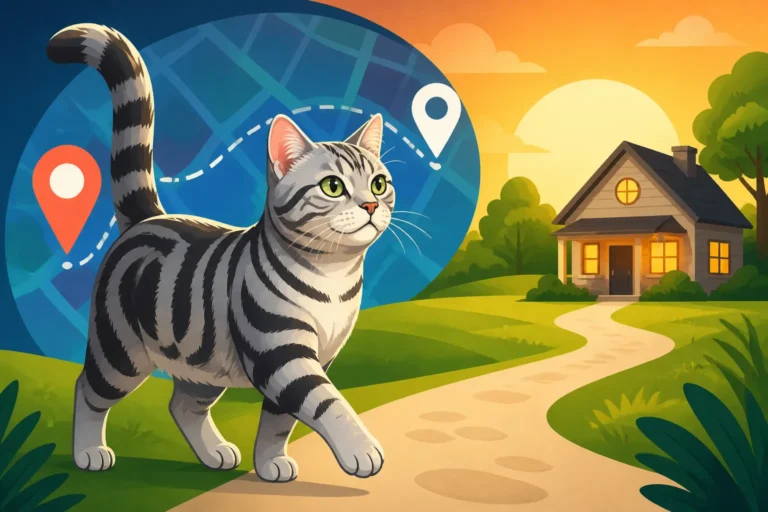
The American Shorthair isn't just "any cat" that happens to be indoors. Their lineage is rooted deeply in a working past. Imagine their ancestors, robust and resourceful, arriving on ships with early settlers, tasked with keeping rodents at bay during long voyages and in new settlements. These cats weren't pets in the modern sense; they were essential members of the crew and household, earning their keep by being efficient and relentless hunters. This wasn't a recreational activity for them; it was survival. Every meal was a direct result of a successful hunt.
This historical role means that the hunting drive in an American Shorthair isn't a learned behavior that can be unlearned indoors. It's hardwired into their genetics, an instinct that has been honed over generations. When you bring an American Shorthair into your home, you're not just getting a furry companion; you're adopting a descendant of tenacious mousers and ratters who still carry that primal urge within them. It's why they'll stalk a dust bunny with the same intensity their ancestors stalked a barn mouse. For more on this fascinating history, check out Why Centuries of Ratting Left the American Shorthair Its Drive.
The Full Hunting Sequence
To truly satisfy your American Shorthair's hunting instinct, you need to understand what a "hunt" actually entails for them. It's not just a single action; it's a complex, multi-stage sequence that needs to be completed for the cat to feel truly fulfilled. Missing any part of this sequence can lead to frustration and incomplete satisfaction.
The full hunting sequence typically involves:
- Stalk: The cat quietly observes, often from a hidden vantage point, assessing their "prey." Their body language will be low, intense, and focused.
- Chase: Once the prey moves, the cat bursts into action, pursuing it with incredible speed and agility. This is where their athletic build, developed over generations of active hunting, truly shines.
- Pounce: The dramatic leap onto the unsuspecting prey, often accompanied by a swift, precise movement.
- Kill Bite: This is the critical, often overlooked, stage where the cat delivers a final, instinctual bite to the neck of their "prey," ensuring it is subdued. For our indoor cats, this means them sinking their teeth into the toy.
- Consume/Triumph: After the "kill," the cat will often carry the prey away, perhaps "eating" it (metaphorically, in the case of a toy), or simply parading their conquest. This feeling of success, of having secured a meal or won a challenge, is deeply rewarding.
A common mistake owners make is using a laser pointer as the sole form of play. While it provides a fantastic chase, it never allows the cat to complete the critical "pounce" and "kill" stages. This can lead to immense frustration, as the cat is left with a perpetual sense of unfulfilled expectation. They've put in all the effort, but the reward is never truly tangible. To really get a grasp of their hunting prowess, consider reading How an American Shorthair Hunts.
The Consequences of Undermet Needs
When an American Shorthair's innate hunting drive isn't adequately met, it's not just a minor inconvenience; it can manifest in a range of challenging and undesirable behaviors. These aren't acts of spite or disobedience; they are desperate attempts by your cat to fulfill a deep-seated biological need.
You might notice your cat becoming:
- Destructive: Is your sofa suddenly a prime scratching post, even with multiple alternatives available? Are they shredding paper or knocking items off shelves? This could be redirected predatory energy, a way to simulate "taking down" prey.
- Anxious or Stressed: An American Shorthair who can't express their natural behaviors might develop anxiety. This can show up as excessive grooming, hiding, or even inappropriate urination, as they seek an outlet for their internal stress.
- Overeating or Obsessed with Food: If their minds aren't engaged by the "hunt," some cats may turn to the easiest form of gratification: food. They might beg incessantly, raid counters, or become overweight, as eating becomes a primary coping mechanism for boredom or frustration.
- Aggressive Play: Are your hands and feet becoming targets for sharp claws and teeth during playtime? This is often a sign that your cat isn't getting enough appropriate hunting opportunities with toys and is now redirecting that instinct onto you. They aren't trying to hurt you; they're trying to hunt.
- Nocturnal Disturbances: Since many cats are crepuscular (most active at dawn and dusk), if their hunting needs aren't met during the day, they might ramp up their "patrol" and "hunt" activities when you're trying to sleep. This can mean zoomies at 3 AM, knocking things over, or loudly vocalizing for attention or play.
Understanding that these behaviors stem from an unmet need, rather than "naughtiness," is the first step toward resolving them and building a happier life for your American Shorthair.
How Many "Hunts" Does an Indoor American Shorthair Truly Need?
The million-dollar question, right? You want a number, a clear directive. While every cat is an individual, we can draw some pretty solid conclusions from their natural history and typical feline behavior. It's about consistency and quality, not just duration.
Mimicking Natural Hunting Rhythms
In the wild, cats aren't sitting down for three square meals a day from a bowl. They're opportunistic hunters, making multiple attempts throughout the day and night. While the most intense hunting activity often occurs at dawn and dusk, they'll also pursue prey whenever the opportunity arises. This means several smaller "hunts" rather than one big one.
For your indoor American Shorthair, this translates to aiming for at least 3-5 structured play sessions per day. Now, "structured" doesn't necessarily mean an hour-long ordeal each time. We're talking about 10-15 minute bursts of intense, engaging play that allows them to go through the full hunting sequence.
Consider these natural timings:
- Morning (Pre-Breakfast): A quick 10-15 minute session to "catch" their breakfast.
- Mid-Day (If you're home or have a pet sitter): Another short session to break up the day.
- Late Afternoon/Early Evening (Pre-Dinner): A more substantial session, perhaps 15-20 minutes, simulating a more significant hunt before their main meal.
- Before Bedtime: A final, calming session that ends with a "kill" and perhaps a small treat, helping them feel satisfied and ready to settle for the night.
Younger, more energetic American Shorthairs might lean towards the higher end of that 3-5 session range, needing more outlets for their abundant energy. Older or more sedate cats might be perfectly happy with 2-3 sessions, as long as those sessions are truly engaging and allow for the full hunting cycle. It's about finding a rhythm that works for both of you and your cat's individual needs. For more specific guidance on simulating these hunts, you might find How Much Simulated Hunting an American Shorthair Needs helpful.
Quality Over Quantity: The Importance of a Full Play Cycle
When we talk about "hunts," we're not just counting the times you wave a toy around. The quality of the interaction is far more important than the sheer number of minutes. As discussed earlier, the full hunting sequence is paramount. A quick chase with a laser pointer, while exciting, isn't truly satisfying because it lacks the crucial "kill" stage. Your cat gets worked up, expends energy, but never gets the mental gratification of actually capturing their prey. This can be deeply frustrating for them.
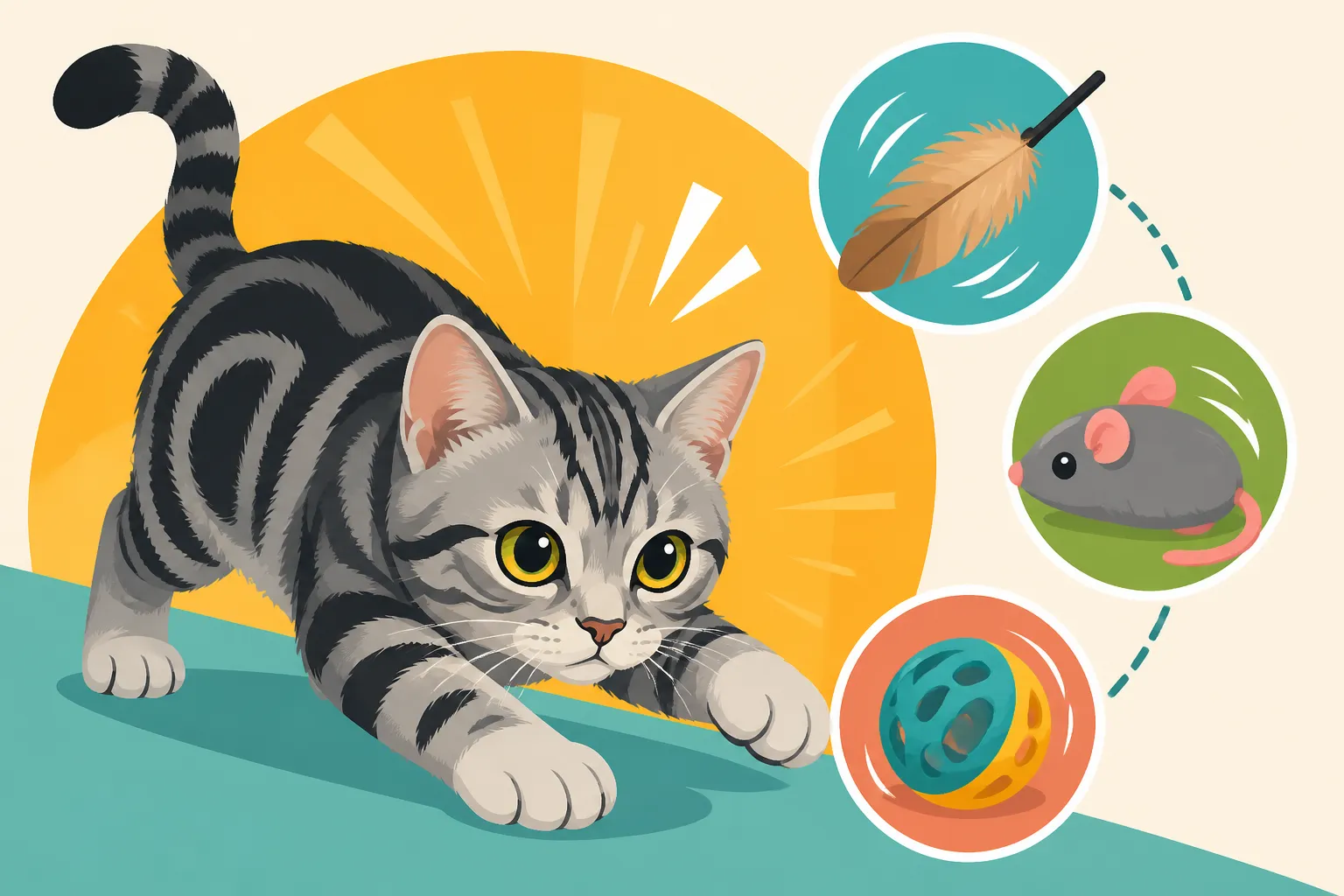
This is where interactive wand toys become your best friend. Think about those feather teasers, fuzzy worms on a string, or even simple shoelaces (supervised, of course!). These allow you to mimic the erratic movements of prey – darting, hiding, pouncing, then holding still for the "kill." Make sure you let your cat catch the toy frequently, allowing them to bite, bunny-kick, and feel like they've truly conquered it. At the end of each session, always allow them to "win" and hold onto the toy for a moment of triumph before you put it away. This completion is vital for their mental well-being.
When seeking out these essential play tools, many owners find a wide selection of durable and engaging wand toys on Amazon. You can browse various types of "prey" to keep things interesting for your American Shorthair, from realistic birds to crinkly bugs. For more on selecting the right tools, check out Which Wand Toy Reads as Prey to an American Shorthair.
Individual Variation and Observation
While general guidelines are helpful, the truth is that every American Shorthair is an individual. What works for one might not be enough for another. The best way to determine your cat's specific "hunt quota" is to become a keen observer of their behavior.
Look for cues:
- Are they restless? Pacing, staring intently at small moving objects (or even imaginary ones), or exhibiting a low, stalking posture?
- Are they "attacking" your feet or hands? This is a clear sign of redirected predatory energy.
- Are they more vocal than usual? Sometimes a low growl or insistent meow can signal an unmet need for activity.
- Are they easily bored with toys? This might not mean they don't like to play, but rather that the play isn't satisfying their full hunting sequence.
If you're seeing these behaviors, it's a good indication that your American Shorthair needs more, or more effective, hunting opportunities. Conversely, if your cat is relaxed, engaged, and doesn't exhibit any of these signs, you've likely hit the sweet spot. A placid American Shorthair might not openly demand interaction, but that doesn't mean they don't need it. For more insights into how they communicate, read What an American Shorthair Does Instead of Demanding. Adjust your play schedule and methods based on what your cat tells you through their actions. It's a dynamic process, and a little adjustment can go a long way in improving their happiness and your household harmony.
Practical Strategies for Fulfilling the Hunting Instinct Indoors
Now that we understand the "why" and "how many," let's talk about the "what." Creating an enriching environment and engaging play routine doesn't have to be complicated, but it does require thought and consistency.
Interactive Play Sessions
This is your primary tool for simulating the full hunting sequence. Interactive play means you are actively involved, manipulating a toy to mimic prey.
Here's how to make your interactive play sessions truly effective:
- Use Wand Toys: These are superior to laser pointers for the reasons mentioned before. Think about feather wands, fabric "worms," or even a simple piece of string tied to a stick (always supervise string play!). On platforms like Amazon, you can find a vast array of high-quality, durable wand toys designed to entice even the most discerning American Shorthair.
- Mimic Prey Behavior: Don't just dangle the toy. Make it dart, hide behind furniture, pause, then twitch. Drag it across the floor, then lift it into the air. This mimics the unpredictable movements of a real rodent or bird, keeping your cat engaged and triggering their natural instincts.
- Allow the "Kill": This is crucial. Towards the end of the session, let your cat actually catch the toy, sink their claws and teeth into it, and "bunny kick" it. Allow them to hold onto it for a few seconds of triumph. This completes the hunting sequence and provides immense satisfaction.
- End Positively: Always end a play session with a successful "kill" for your cat. After the final capture, gently put the toy away. This leaves them feeling satisfied and not frustrated. You might even follow it with a small meal or treat to reinforce the "feast after the hunt" feeling. For a deeper dive into ending play correctly, see How to End a Play Session With an American Shorthair.
- Rotate Toys: Keep interest high by not leaving all toys out all the time. Rotate them regularly so each toy feels "new" and exciting when it reappears.
Puzzle Feeders and Foraging
These tools are fantastic for engaging your American Shorthair's mind and body during feeding times, turning mealtime into a "hunt" rather than a passive event. Instead of simply placing food in a bowl, puzzle feeders require your cat to use their paws, nose, and problem-solving skills to extract their kibble or treats.
- How They Work: Puzzle feeders come in various designs, from simple balls with holes that dispense kibble as your cat bats them around, to more complex contraptions with compartments and slides. The goal is to slow down eating and provide mental stimulation.
- Benefits: Beyond satisfying the hunting instinct, puzzle feeders can prevent boredom, reduce overeating, and improve digestion. They force your cat to think and "work" for their food, mimicking the effort their ancestors put into securing a meal.
- Getting Started: Begin with easier puzzles and gradually increase the difficulty. You can even create your own simple puzzle feeders using toilet paper rolls or egg cartons. Many excellent and creative puzzle feeders are readily available online, including on Amazon, offering a range of challenges for your clever American Shorthair.
- Foraging: Beyond dedicated puzzle feeders, you can simply hide portions of your cat's daily kibble ration around the house. Scatter it on cat trees, in safe corners, or under small obstacles. This encourages them to "forage" and "patrol" their territory, engaging their senses and movement. The question of whether these really satisfy a cat's deeper instincts is explored in Whether a Puzzle Feeder Satisfies an American Shorthair.
Environmental Enrichment as "Passive Hunting"
Your American Shorthair's indoor environment plays a huge role in their overall well-being and ability to express natural behaviors. Think of your home as their "territory" that needs to be interesting and stimulating.
- Vertical Space: Cats are natural climbers and enjoy high vantage points. Provide cat trees, shelves, or wall-mounted perches. These allow your American Shorthair to survey their domain, feel secure, and engage in "passive hunting" by watching the world outside or family activity below. How Much Vertical Space an American Shorthair Needs delves deeper into this.
- Window Access: A window is like a giant TV for a cat! Ensure your American Shorthair has safe, comfortable access to windows where they can watch birds, squirrels, and people outside. Placing a bird feeder outside a favored window can provide hours of engaging "hunt observation."
- Catios or Supervised Outdoor Time: If possible and safe, a "catio" (a secure outdoor enclosure) can provide safe outdoor stimulation, fresh air, and real-time interaction with nature without the risks of free-roaming. Some American Shorthairs can also be trained to walk on a harness and leash for supervised outdoor adventures, offering unique sensory enrichment.
The Role of Solo Play and Appropriate Toys
Even with consistent interactive play, your American Shorthair will have times when you're busy or away. That's where good solo toys come in. However, not all solo toys are created equal when it comes to satisfying that hunting drive.
| Toy Type | Hunting Instinct Engaged | Best Use Case | Considerations |
|---|---|---|---|
| Wand Toys | Stalk, Chase, Pounce, Kill | Interactive play with owner | Most effective, but requires owner participation. Rotate often. |
| Puzzle Feeders | Stalk, Chase (for food), Consume | Solo mental stimulation, slows eating | Excellent for engaging problem-solving. Start easy, increase difficulty. |
| Kickers/Crinkle Balls | Pounce, Kill, Consume (mock) | Solo active play, "bunny kicks" | Good for independent physical activity. Ensure durable for biting/kicking. |
| Felt Mice/Small Prey Toys | Stalk, Pounce, Kill (mock), Carry | Solo discovery, carrying "prey" | Ensure safe materials, no small parts. Some cats prefer realistic textures. |
| Climbing/Scratching Posts | Stalk (from height), Territory Marking | Environmental enrichment, physical exercise | Provides vertical space, allows claw conditioning (related to hunting readiness). |
| Laser Pointers | Chase | High-energy cardio, fun | Do not use as sole play. Must end with a tangible "catch" to avoid frustration. |
Focus on toys that your cat can truly "kill" and carry away. Soft, durable kicker toys are great for the "bunny kick" stage. Small felt mice or crinkle balls can be batted around and "captured." Avoid toys with small parts that can be ingested. Always supervise new toys, especially if your cat is an aggressive chewer. When stocking up on these essentials, platforms like Amazon offer an incredible variety, allowing you to choose toys based on your cat's preferences and your budget. Remember, even the most self-sufficient American Shorthair benefits from a stimulating environment and a selection of appropriate toys to engage their natural instincts.
Adjusting to Life Stages and Specific Needs
The hunting drive isn't static; it evolves with your American Shorthair's age and energy levels. What works for a boisterous kitten might not be appropriate for a dignified senior. Adapting your approach ensures their needs are met throughout their entire life.
Kittenhood: Building Strong Hunting Skills
American Shorthair kittens are bundles of endless energy and curiosity. This is the prime time to establish healthy play habits and channel their burgeoning hunting instincts in appropriate ways. Their play is how they learn and hone the skills they would need in the wild.
- Frequent, Short Bursts: Kittens need more frequent, but shorter, play sessions throughout the day. Think 5-10 minutes, several times a day. Their attention spans are shorter, but their energy reserves are constantly replenishing.
- Targeting Toys, Not Hands: This is crucial. From day one, teach your kitten that toys are for hunting, not your fingers or toes. Use wand toys exclusively for interactive play. If they try to bite you, redirect them immediately to a toy. This early training will prevent many behavioral issues down the line.
- Introducing Variety: Expose them to different types of safe toys – crinkle balls, felt mice, feather wands. Observe what excites them most. This helps you understand their play preferences as they grow.
- Mother's Influence: While you're teaching them, remember that a good breeder will have ensured the kitten learned important lessons from their mother. A mother cat teaches her kittens how to hunt and play appropriately, often by bringing in prey and demonstrating the "kill." This early education is vital for understanding How an American Shorthair Kitten Learns to Hunt.
Adult American Shorthairs: Maintaining Engagement
Once your American Shorthair reaches adulthood, typically around 1-3 years of age, their hunting drive will be strong and consistent. The key now is maintenance and consistency.
- Routine and Predictability: Cats thrive on routine. Try to schedule your interactive play sessions around the same times each day, especially before meals and bedtime. This creates a predictable rhythm that your cat will anticipate and enjoy.
- Observe and Adapt: Even adult cats have changing moods and energy levels. Some days they might want a vigorous chase; other days, a more sedate stalking game. Pay attention to their body language. Are their eyes wide and focused? Are they twitching their tail with anticipation? These are all signs they're ready to engage.
- Preventing Boredom: Even a favorite toy can become dull if used too often. Remember to rotate toys regularly and introduce new ones occasionally. Explore different types of puzzle feeders to keep their minds stimulated during solo time.
- Mental vs. Physical: While the physical chase is important, don't forget the mental aspect of hunting. Puzzle feeders, foraging opportunities, and even a new vantage point (like a freshly cleared windowsill) can satisfy their observational and problem-solving instincts. While some breeds truly settle down completely, American Shorthairs tend to retain a playful and active disposition well into their senior years. You might find The Age an American Shorthair Settles Down offers some interesting perspectives on this.
Senior American Shorthairs: Gentler Hunts
Just like people, cats slow down as they age, but their innate instincts don't disappear. A senior American Shorthair (usually 10+ years) still has that hunting drive, but their body might not be able to keep up with intense sprints and jumps. It's about modifying the "hunt" to suit their capabilities.
- Shorter, Gentler Sessions: Reduce the intensity and duration of play. Instead of high-flying leaps, focus on ground-level stalking and pouncing. A slow-moving wand toy that they can easily "capture" is ideal.
- Focus on Mental Engagement: Puzzle feeders become even more important for senior cats, as they provide mental stimulation without putting strain on joints. Hide treats in easy-to-reach places.
- Comfort and Accessibility: Ensure their favorite resting and "patrolling" spots are easily accessible. A lower cat tree or ramps to elevated perches can help them maintain their sense of territory and observation without painful jumps.
- Signs of Discomfort: Always be mindful of any signs of pain or stiffness during play. If your senior American Shorthair seems reluctant to move or shows any discomfort, stop the session and consult your vet. Their health should always be the priority. Even in old age, that spark of the hunter remains. It's worth exploring Whether an Older American Shorthair Still Hunts for more on this topic.
Providing multiple, engaging "hunts" a day for your indoor American Shorthair isn't just a suggestion; it's a fundamental aspect of responsible pet ownership for this breed. By understanding their history, respecting their instincts, and providing consistent, high-quality opportunities to express their natural hunting behaviors, you're investing in a happier, healthier, and more harmonious life for your beloved feline companion. It takes a little effort and creativity, but the rewards—a calm, content cat who isn't tearing up your furniture or your sleep schedule—are absolutely worth it.
Disclaimer
This article is for general informational purposes only and does not constitute professional advice. Laws, prices and regulations vary by location and change over time. Consult a qualified professional for guidance on your specific situation.