Whether an Older American Shorthair Still Hunts
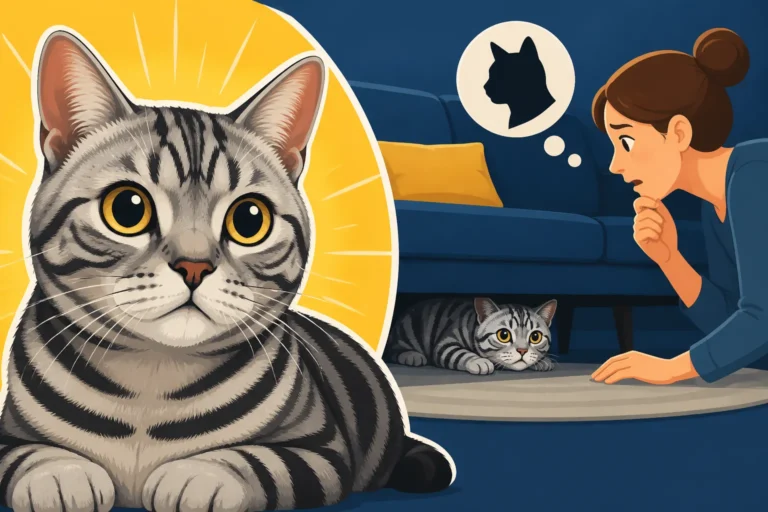
It’s a question many of us cat parents ponder as our beloved felines begin to show the tell-tale signs of age: does an older American Shorthair still have that innate hunting instinct, or does it simply fade away with their youth? You’ve watched them stalk imaginary prey for years, pounce on toys with lightning speed, and maybe even brought you a "present" or two. But now, they're moving a little slower, sleeping a little more, and perhaps those once-intense play sessions are shorter. It’s natural to wonder if their inner hunter has retired, and what, if anything, you should do to keep them engaged. This guide will explore how the deep-seated hunting drive in American Shorthairs adapts with age and how you can continue to support their natural behaviors, ensuring they stay happy and enriched throughout their golden years.
The Enduring Instinct: Why American Shorthairs Were Born to Hunt
The American Shorthair is a breed steeped in history, a legacy written in their very DNA. These aren't just pretty faces; they're descendants of working cats who earned their keep for centuries. When you watch your placid, aging American Shorthair, it’s easy to forget that their ancestors were tough, resourceful felines tasked with keeping ships and homesteads free of vermin. That heritage runs deep, and it shapes much of their behavior, even when they’re living a life of leisure on your sofa.
Tracing the Ancient Lineage of the Hunter
Think about where the American Shorthair truly comes from. Their lineage isn't one of pampered pets bred for extreme looks, but rather sturdy, adaptable cats who came to North America with early settlers. These cats weren't just passengers; they were essential crew members, vital for protecting precious cargo from rats and mice on long voyages across the ocean. Once on land, they continued their invaluable work on farms and in homes, becoming an indispensable part of daily life.
This historical role as a mouser wasn't just a job; it was a fundamental aspect of their survival. For generations, cats that were effective hunters thrived and passed on their traits. This means the hunting instinct isn't merely a learned trick or a passing fancy; it's hardwired into their genetics, an evolutionary blueprint that has been refined over hundreds of years. So, when you see your American Shorthair fixated on a dust bunny or twitching its tail at a bird outside the window, you're witnessing the echoes of generations of skilled hunters. This deep-seated drive doesn't simply vanish because they've moved indoors or because they've celebrated a few more birthdays. It's a core part of who they are, a constant undercurrent beneath their calm demeanor. For a deeper dive into their natural tendencies, check out The American Shorthair Still Hunts, Whether You Want It To or Not.
The Drive That Doesn't Fade, Just Adapts
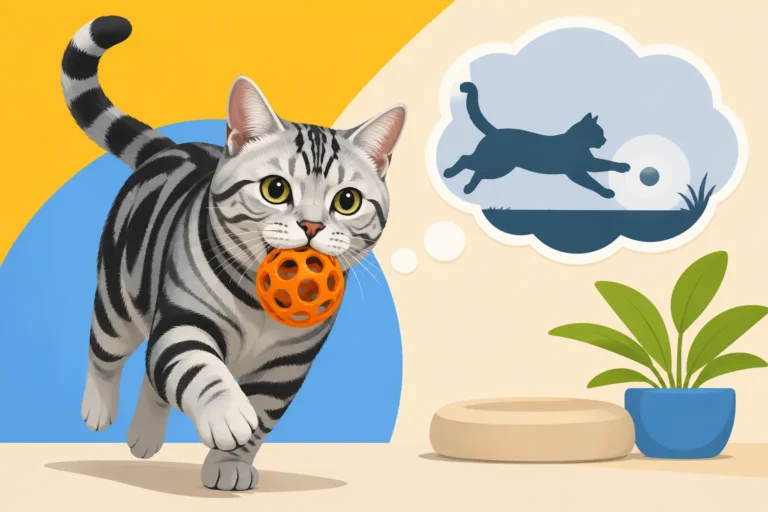
While the raw instinct to hunt remains, how an American Shorthair expresses it certainly changes, especially as they age. An indoor American Shorthair might not be chasing actual mice, but that primal urge needs an outlet. Younger cats often redirect this drive with explosive energy, tearing through the house, batting at toys, and performing impressive aerial acrobatics. They might bring you their "kill," a crumpled piece of paper or a favorite plush mouse, expecting praise for their prowess.
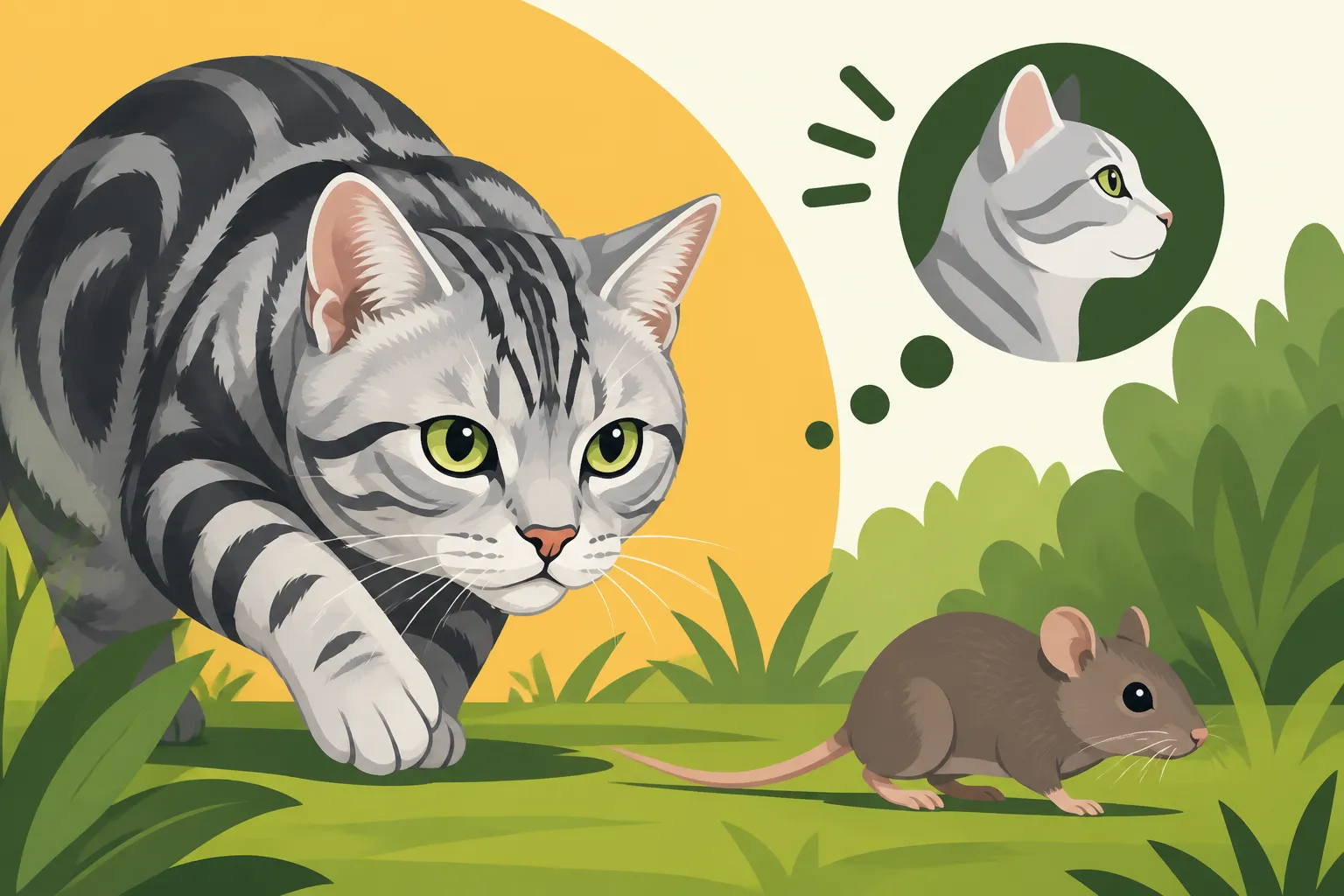
As they get older, that underlying drive doesn't disappear, but their physical capacity to act on it might diminish. Instead of vanishing, the hunting instinct adapts to their environment and their physical state. They might still observe intently, their eyes tracking a fly across the ceiling or watching squirrels from a window perch with intense focus. The "chase" might become more mental than physical, or it might be scaled down to smaller, less strenuous movements. They may still engage with toys, but perhaps with less speed and more deliberation. They might even become incredibly patient, waiting for the perfect moment to pounce on a discarded treat wrapper that a younger cat might have dismissed. It's a beautiful demonstration of their adaptability and the enduring power of their genetic legacy. If you're curious about how their indoor life affects these instincts, you might find What an Indoor American Shorthair Does With a Mouser's Instinct insightful.
Signs of the Senior Hunter: How Age Changes the Game
Aging is a complex process, and just like humans, every American Shorthair experiences it differently. Some cats remain remarkably spry well into their teens, while others start showing signs of slowing down much earlier. When it comes to hunting behavior, these changes aren't always about a loss of desire, but more often about the physical and sometimes cognitive shifts that come with age.
Physical Limitations and How They Manifest
One of the most common reasons an older American Shorthair might seem to hunt less is simply because their body isn't as capable as it once was. Arthritis is a huge factor, affecting joints and making jumping, running, or even crouching uncomfortable. Imagine trying to sprint or leap if your knees ached; your cat feels something similar. You might notice they hesitate before jumping onto a favorite window sill, or they opt for a lower-lying perch instead of their once-preferred cat tree summit. Their once-fluid movements might become stiffer, and a short run might be followed by a longer rest.
Beyond joint pain, other physical changes can impact their hunting abilities. Their vision might start to dim, making it harder to track fast-moving toys, especially in lower light. Their hearing might also decline, meaning they won't pick up the subtle rustle of a feather wand as readily. Reflexes naturally slow down, making those quick pounces less successful. What might appear as a loss of interest could very well be a protective mechanism: why bother attempting a chase that ends in discomfort or failure? They might still eye a toy with intense concentration, but the follow-through is hampered by their physical reality. It's not that they don't want to; it's that they physically can't or choose not to due to potential pain. Regular veterinary check-ups are crucial to identify and manage these issues, as pain relief can dramatically improve their quality of life and willingness to engage. Understanding Caring for an American Shorthair Past Twelve is vital for any owner.
Mental Sharpness and Sustained Interest
While physical limitations are often the primary culprits, mental changes can also play a role in an older American Shorthair's hunting behavior. Some senior cats maintain impressive cognitive function, remaining sharp and engaged, even if their bodies can't keep up. These cats might still strategize their "hunts," planning their approach to a toy or a puzzle feeder with the same cunning they displayed in their younger years. Their mental game is strong, even if their physical execution is modified.
However, just like humans, some cats can experience cognitive decline as they age. This might manifest as confusion, disorientation, or a general decrease in interest in activities they once loved. They might stare blankly at a toy or forget how to interact with a familiar puzzle. In these cases, the hunting instinct might seem less pronounced not because it's completely gone, but because the cognitive processes required to initiate and sustain the hunt are faltering. It's also possible that, for some older cats, the sheer effort required to hunt, even symbolically, might no longer feel rewarding enough. They might prefer quieter, less stimulating activities, or simply find comfort in napping in a sunbeam. It's essential to observe your cat closely and differentiate between a physical limitation and a genuine change in mental engagement. A cat that still follows a wand toy with its eyes, even if it doesn't pounce, is still demonstrating that enduring hunting spark.
Supporting Your Older American Shorthair's Hunting Instincts
Just because your American Shorthair is getting older doesn't mean their innate hunting drive needs to be completely retired. With a few thoughtful adjustments, you can continue to provide enriching "hunting" experiences that cater to their changing abilities, keeping their minds sharp and their bodies as active as they can comfortably be.
Adapting Play for the Aging Hunter
The key to engaging an older American Shorthair in play is adaptation. Forget the high-flying jumps and extended sprints of their youth. Instead, focus on low-impact, mentally stimulating activities that allow them to exercise their stalking and pouncing instincts without putting undue stress on their joints. Wand toys are fantastic for this, but instead of swinging them wildly, drag them slowly along the floor, mimicking the movement of a mouse or insect. Let your cat stalk, pounce, and "catch" the toy frequently, ensuring they get the satisfaction of a successful hunt. This frequent success builds confidence and makes them more likely to continue playing. You can find a fantastic selection of feather wands and plush prey toys on Amazon that are perfect for this kind of interaction.
Puzzle feeders are another brilliant way to tap into their foraging and hunting instincts. These devices require your cat to "work" for their food, using their paws or nose to extract kibble or treats. This mimics the mental and physical challenge of hunting, but in a controlled, low-impact environment. There are many different types available, from simple treat balls to more complex mazes. Experiment to find one that your American Shorthair enjoys and can manage comfortably. Remember to keep sessions short and sweet, perhaps 5-10 minutes a few times a day, to avoid overexertion or frustration. The goal is engagement, not exhaustion. If you're looking for ideas, searching "cat puzzle feeder" on Amazon will bring up a wealth of options designed to keep those senior minds sharp.
Creating an Enriched, Safe Environment
An enriched environment is vital for any cat, but especially for an aging American Shorthair whose world might be shrinking due to mobility issues. They still need places to survey their territory, even if getting there requires a bit more assistance. Ensure they have accessible perches near windows where they can comfortably watch the outside world – a prime "hunting" spot for birds and squirrels. If their favorite cat tree is now too tall, consider adding ramps or lower steps, or simply providing a comfortable, elevated bed on a sturdy piece of furniture.
Make sure their "prey" (toys) are easily accessible and don't require strenuous effort to reach. Scatter a few soft toys around their favorite napping spots, or leave a crinkle ball within easy batting distance. Catnip or silvervine can be wonderful tools to reignite interest in play for some older cats. A sprinkle on a toy or in a new scratching pad can sometimes provide a burst of youthful energy and curiosity, encouraging them to engage with their surroundings. Always ensure soft landing spots around any climbing areas, just in case. If they're showing signs of stiffness, consider if the layout of your home supports their movement. For ideas on safe, stimulating toys, check out Which Toys Finish an American Shorthair's Hunt.
The Role of Nutrition and Veterinary Care
It might not seem directly related to hunting, but proper nutrition and consistent veterinary care are foundational to supporting your older American Shorthair's instinctual behaviors. A diet formulated for senior cats can provide essential nutrients for joint health, cognitive function, and maintaining a healthy weight, all of which contribute to their overall mobility and energy levels. Overweight cats, especially as they age, will find any physical activity, including hunting, much harder and more painful.
Regular vet check-ups are non-negotiable. Your veterinarian can monitor for signs of arthritis, dental disease, declining vision or hearing, and other age-related conditions. More importantly, they can offer solutions, such as joint supplements, pain management medication, or dietary adjustments. A cat experiencing chronic pain, even mild, will be less inclined to stalk or pounce. Addressing these underlying health issues can unlock a renewed enthusiasm for play and "hunting," allowing them to engage more comfortably. Don't underestimate the impact of subtle pain; Why a Limp in a Stoic American Shorthair Is Never Minor can offer perspective on how stoic these cats can be. Catching issues early can make a world of difference in your cat's quality of life and their ability to express their natural drives.
Observing and Understanding Your Cat's Unique Journey
Every cat is an individual, and this truth becomes even more apparent as they age. Your American Shorthair's journey into their golden years will be uniquely theirs, and observing their specific cues is more important than ever. What one senior cat still loves to do, another might find too challenging.
Individual Differences in Aging
Just like people, cats age at different rates and in different ways. Some American Shorthairs might be chasing laser pointers with gusto at fifteen, while others start preferring quiet cuddles and long naps much earlier. This variability means there's no single blueprint for what an "older American Shorthair hunter" looks like. It’s about understanding your cat's personality, their history, and their current physical and mental state.
Have they always been a highly active, toy-obsessed cat? Then they might retain a strong interest in play, even if the execution is slower. Were they always a bit more laid-back? Their hunting "effort" might have always been minimal, and aging will simply amplify that. The key is to watch for changes in their baseline behavior. A sudden disinterest in a favorite wand toy might signal pain or discomfort, whereas a gradual decrease in intensity could just be a natural slowing down. Keep track of what excites them, even if it's just a twitch of the tail or an intense stare. That spark of interest is what you're trying to nurture. If you're seeing a decrease in muscle mass, for instance, this can significantly impact their mobility and hunting prowess, as discussed in Why an Old American Shorthair Loses Muscle First.
Here's a quick comparison of signs to look for:
| Sign of Interest/Engagement | Sign of Disinterest/Discomfort |
|---|---|
| Eyes follow movement intensely | Little to no eye tracking |
| Tail twitching, tip flicking | Tail still, perhaps tucked |
| Low crouch, "wiggle butt" | Standing stiffly, reluctant to move |
| Slow, deliberate stalk | Ignores toy or turns away |
| Gentle bat or pounce | No physical interaction with toy |
| Purring or soft chirps during play | Growling, hissing, or swiping without engaging |
| Comes to investigate new toys | Avoids new objects, hides |
| Responds to catnip/silvervine | No reaction to stimulants |
The Joy of the "Near Miss" and Mental Engagement
It's tempting to measure a cat's hunting success by whether they "catch" the toy or not. For an older American Shorthair, however, the real value might lie not in the triumphant kill, but in the process itself. The stalk, the intense focus, the anticipation, the slow, deliberate approach – these are all deeply satisfying elements of the hunting sequence. Even if their pounce is a bit slower or they miss the target, the mental engagement of the "hunt" can still provide immense satisfaction and enrich their day.
Don't fret if your senior cat isn't leaping across the room anymore. The mere act of tracking a feather wand as you drag it slowly, or meticulously working out how to get a treat from a puzzle, is a valuable exercise for their mind and body. It keeps them connected to their innate purpose and prevents boredom and potential cognitive decline. Celebrate the "near misses" and the moments of intense concentration. When they gaze intently out the window at a bird, they're hunting in their minds, exercising that ancient instinct. Providing these opportunities, even in a modified form, affirms their identity as a capable hunter and contributes significantly to their overall well-being. Keeping them mentally stimulated is just as important as physical care as they age.
Disclaimer
This article is for general informational purposes only and does not constitute professional advice. Laws, prices and regulations vary by location and change over time. Consult a qualified professional for guidance on your specific situation.