Whether a Breeder Takes an American Shorthair Back
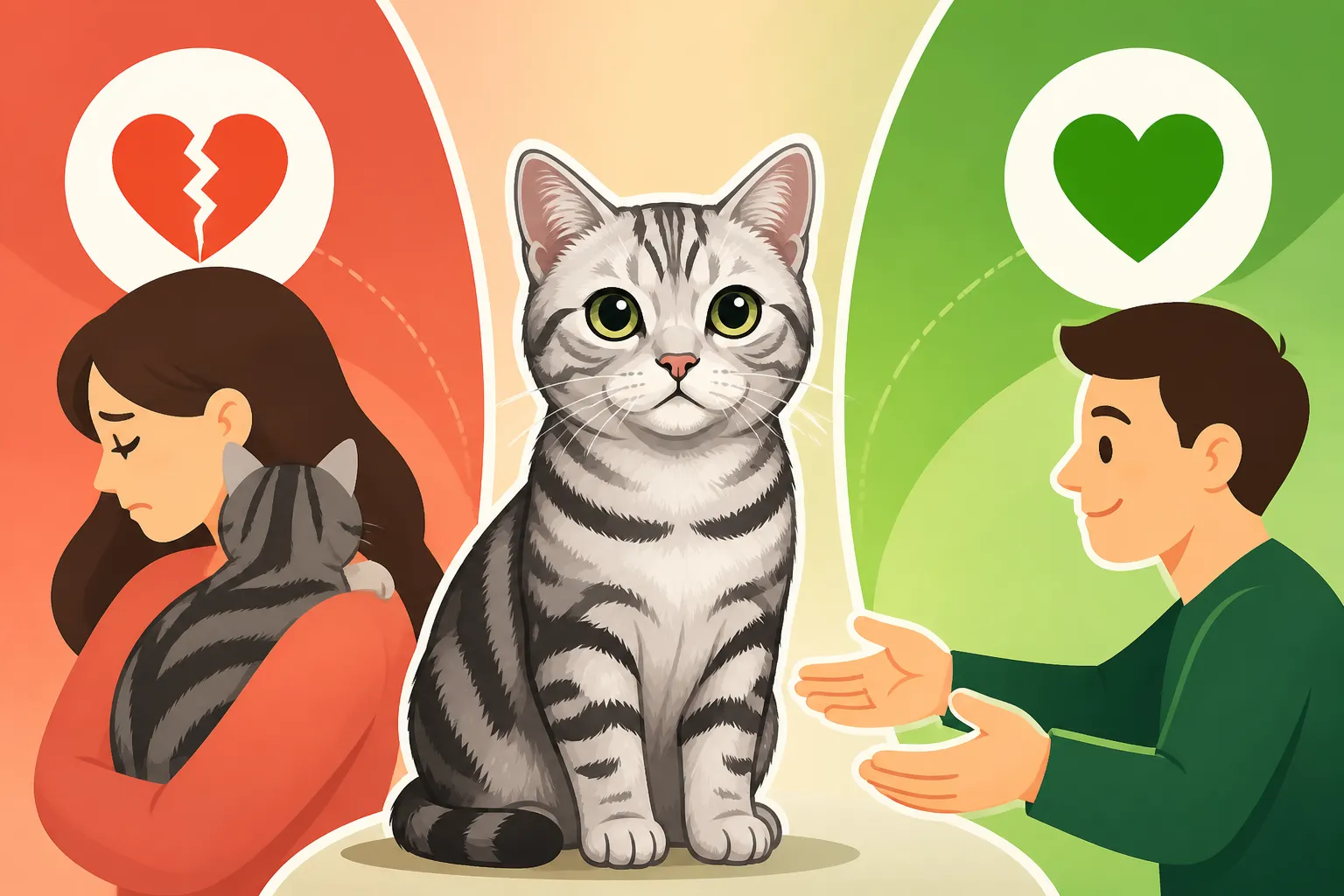
Life throws us curveballs sometimes, and even the most well-intentioned pet owners can find themselves in the heartbreaking position of needing to rehome their beloved American Shorthair. It’s a gut-wrenching decision, often made under duress, and you might feel lost wondering what your options are, especially when you’ve invested in a reputable breeder. This guide will walk you through the often-misunderstood process of returning an American Shorthair to its breeder, shedding light on what to expect and why these clauses exist in the first place.
Understanding a Breeder's Ethical Responsibility
When you bring a new kitten or cat into your home from a reputable breeder, you’re not just making a purchase; you’re entering into a long-term relationship. Good breeders pour their hearts and souls into their lines, meticulously planning pairings, ensuring the health and temperament of their cats, and raising kittens with immense care. Their responsibility doesn't just end when the kitten leaves their home. This deep commitment is why many, if not most, ethical breeders have a "return clause" built into their contracts.
The "Return Clause" in a Breeder Contract
Think of the return clause as a safety net, both for you and, most importantly, for the cat. It's a contractual agreement stating that if, for any reason at any point in the cat's life, you are unable to keep it, the cat must be returned to the breeder. This isn't about the breeder wanting the cat back to re-sell it or make more money. It's about ensuring the animal they brought into the world will always have a safe, appropriate home, and will never end up in a shelter, neglected, or in an undesirable situation.
Imagine a scenario: you get a wonderful American Shorthair kitten, full of energy and charm. Life is great. Then, a few years down the line, an unforeseen circumstance arises – perhaps a sudden job relocation to a country with strict pet import laws, a severe, unmanageable allergy develops in a family member, or a change in family dynamics means you can no longer provide the necessary environment. In such heartbreaking situations, the breeder's contract provides a clear, ethical path forward. Instead of frantically searching for a new home, potentially exposing your cherished feline to unknown risks, you have a pre-arranged solution with someone who knows your cat's lineage and history better than anyone. It prevents a beloved family member from becoming a statistic in an overcrowded shelter.
Why Reputable Breeders Prioritize Returns
For a truly dedicated American Shorthair breeder, their cats are more than just animals; they are a legacy. They invest an incredible amount of time, effort, and financial resources into ensuring the health, genetics, and proper socialization of their kittens. This isn't just about the initial purchase price; it's about the decades of work to develop healthy, well-adjusted lines. What an American Shorthair Breeder Should Have Screened
When a breeder creates a life, they take on a lifelong moral responsibility for that life. They want to know where their cats are and that they are thriving. If a cat must be rehomed, they want to be the ones to facilitate that transition to ensure it's done responsibly. They understand the nuances of the breed's temperament, its specific needs, and can better assess a new potential home to ensure a perfect match. Furthermore, they are often deeply emotionally attached to every kitten that leaves their care. The thought of one of "their" cats ending up in a generic shelter, without proper background information or breed-specific attention, is abhorrent to them. This commitment extends even to senior cats; knowing they have a safety net for their entire The Fifteen to Twenty Years the American Shorthair Was Given lifespan is a huge peace of mind for responsible breeders.
The Difference Between a Return and a Buy-Back
It’s important to understand the distinction between a "return" and a "buy-back" when dealing with a breeder. A return clause in a contract typically obligates you, the owner, to return the cat to the breeder if you can no longer keep it. In most cases, this does not involve a financial reimbursement. The breeder isn't buying the cat back from you; they are taking it back to fulfill their ethical commitment to its welfare. Any funds exchanged are usually minimal, often just a nominal fee to cover initial vet checks or administrative costs, or sometimes none at all. The primary goal is the cat's safety and well-being, not a financial transaction.
A buy-back, on the other hand, is generally initiated by the breeder. This might happen if they are looking to reacquire a cat from a specific line for breeding purposes, or if they are interested in showing it. In these instances, the breeder is actively offering to purchase the cat back from you, and terms, including price, would be negotiated at that time. This is a much rarer scenario and distinct from the ethical return clause designed for situations where you, the owner, can no longer provide care. It's crucial to refer to your specific contract to understand the terms applicable to your situation, as some contracts might offer a partial refund within a very short initial period (e.g., 30 days) if the return is due to an unforeseen health issue not covered by a warranty.
Navigating the Return Process with Your American Shorthair Breeder
Facing the need to rehome your American Shorthair is undoubtedly one of the hardest decisions you might ever make as a pet parent. The key to navigating this process smoothly, and with the least stress for both you and your feline friend, is careful preparation and open communication with your breeder.
Reviewing Your Original Contract
Your first and most crucial step is to locate and meticulously review the original contract you signed when you acquired your American Shorthair. This document is your roadmap. It should clearly outline the breeder's return policy, including any specific conditions, timeframes, or processes you need to follow. For instance, some contracts might specify a required notification period, perhaps a few weeks or a month, to give the breeder time to make arrangements.
Pay close attention to clauses regarding the cat's health status at the time of return. The breeder will likely expect the cat to be up-to-date on vaccinations, free from parasites, and generally in good health. There might also be language about financial implications, such as whether a partial refund is possible under certain circumstances (though, as discussed, this is rare for a general return) or if you are responsible for any transportation costs. Knowing these details upfront will help you prepare for the conversation and demonstrate your commitment to upholding your end of the agreement, even under difficult circumstances.
Initiating Contact with Your Breeder
Once you've reviewed your contract, the next step is to contact your breeder. Be prepared to communicate openly and honestly about your situation. While it can be incredibly difficult to admit you can no longer care for your pet, remember that the breeder is on your side when it comes to the cat's welfare.
Start by clearly stating your need to rehome your American Shorthair and that you are adhering to the terms of your contract. Provide as much detail as possible about why you need to rehome the cat, but do so respectfully and factually, avoiding emotional outbursts. Be ready to share information about your cat's current health, recent vet visits, dietary habits (perhaps mentioning a trusted brand like Chewy where you source their food), litter box habits, and temperament updates. If your cat has developed any new behaviors or health issues, be transparent about them. The more information you provide, the better equipped the breeder will be to understand the situation and make appropriate arrangements for your cat's transition and potential rehoming. Remember, they are invested in the well-being of their cats and will appreciate your candor.
Preparing Your American Shorthair for Return
The physical and emotional transition can be stressful for your American Shorthair, so preparing them thoroughly is vital. Gather all relevant documentation, including:
- Veterinary Records: Ensure all vaccinations are current, and you have recent health check-up records. If your cat has any ongoing medical conditions, like allergies or mild arthritis, compile all treatment history. This also includes any documentation related to spaying/neutering or microchipping.
- Identification: Confirm your cat's microchip information is up-to-date, and provide the breeder with the relevant registration details.
- Grooming and Health: Give your cat a thorough check for fleas or ticks, and ensure their coat is clean and free of mats. While American Shorthairs have low-maintenance coats, a little extra attention can help. How Little Combing an American Shorthair Actually Needs If their nails need a trim, do that too.
- Personal Items: Pack a small bag with your cat's favorite toys, a blanket with your scent on it, or their preferred food bowl. These familiar items can provide immense comfort during a confusing time, helping them feel secure in a new environment.
It’s natural to feel guilty during this process, but focus on making the transition as smooth and stress-free as possible for your American Shorthair. Their resilience is remarkable, but they still need your thoughtful care during this difficult period.
What If Your Breeder Can't Take the Cat Back?
While a reputable breeder will always have a return clause in their contract, there might be rare circumstances where they cannot physically take the cat back into their home immediately. This could be due to a full house, a current litter, or other personal limitations. However, their ethical responsibility doesn't vanish; they will almost certainly assist you in finding an appropriate solution.
Breeder Assistance in Rehoming
Even if your breeder's home is temporarily full, a good American Shorthair breeder will not leave you high and dry. They are invaluable resources within the cat fancy community. Their network is usually vast, extending to other reputable breeders, breed enthusiasts, show judges, and often, individuals who have purchased cats from them previously and are known to provide excellent homes.
They can offer assistance in several ways:
- Networking: They can put out feelers within their trusted network to find a suitable new home. This is incredibly valuable, as it leverages their established relationships and ensures the cat goes to a vetted individual who understands the breed.
- Referrals: They might refer you to other trusted breed-specific rescues or experienced cat fanciers who specialize in American Shorthairs. These individuals or organizations often have waiting lists of approved homes looking for adult cats.
- Advertising (with oversight): In some cases, they might help you draft an advertisement or post about your cat on their website or social media, acting as a trusted intermediary. They can screen potential applicants, asking the right questions to ensure the cat's future well-being. This ensures that any new placement maintains the same high standards they would apply to their own kittens. How to Find an American Shorthair Breeder Worth Paying For
The key takeaway is that their commitment to their cats’ welfare means they will almost always be involved in the rehoming process, even if it's not a direct physical return to their residence.
Exploring Other Ethical Rehoming Options
If, after consulting your breeder, you need to explore other avenues, prioritize ethical and safe options that understand the unique needs of pedigree cats.
- Breed-Specific Rescues: Many breeds, including the American Shorthair, have dedicated rescue organizations. These groups specialize in rehoming cats of that specific breed, understanding their temperament, health needs, and what kind of home environment they thrive in. They usually have a thorough application and vetting process for potential adopters, ensuring a good match. A quick online search for "American Shorthair rescue" in your region can often yield promising results.
- Trusted Friends or Family: If you have friends or family members who are experienced cat owners and you trust implicitly, they might be a viable option. However, ensure they understand the commitment and are truly prepared for a long-term pet relationship, especially with a cat that has known a different home.
- No-Kill Shelters (as a last resort, with full disclosure): If breed-specific rescues are not an option and your breeder has exhausted their network, a reputable no-kill shelter could be considered. It's vital to be completely transparent with the shelter about your cat's history, health, and temperament. Provide all veterinary records and any behavioral quirks. While breeders aim to avoid shelters, a good no-kill facility with a strong adoption program is preferable to other less-safe rehoming methods. Be aware that most shelters will require a surrender fee.
The goal is always to find a home that will provide the same love, care, and stability that you intended to give your American Shorthair.
Avoiding Risky Rehoming Practices
In times of stress, it can be tempting to seek quick solutions, but certain rehoming practices carry significant risks for your American Shorthair. These should be avoided at all costs.
- Online Classifieds/Social Media "Free to Good Home" Ads: While seemingly convenient, these platforms are a magnet for individuals with malicious intent, including those seeking animals for dog fighting bait, neglect, or unethical breeding practices. There is no vetting process, and you have no way of knowing the true intentions or capabilities of the people responding.
- Giving Away "Free" Pets: Offering a pet for free often attracts individuals who are not financially prepared to care for an animal, or who may view the cat as disposable. A nominal adoption fee, even a small one, acts as a filter and signals a degree of commitment from a potential owner.
- Unvetted Individuals: Never rehome your American Shorthair to someone you haven't thoroughly screened. This means asking detailed questions about their living situation, experience with cats (especially American Shorthairs), veterinary plans, and lifestyle. Ideally, conduct a home visit or, at the very least, a video call to see their environment. A responsible new owner will understand and appreciate your caution. Consider suggesting pet insurance options like Healthy Paws to them, demonstrating your commitment to the cat's future welfare.
Remember, your American Shorthair relies on you to make the best decisions for their future. Taking the time to rehome them safely and ethically is a final act of love and responsibility.
The Long-Term Impact of a Responsible Breeder Relationship
The process of returning or rehoming a cat with breeder involvement isn't just about the immediate crisis; it highlights the profound importance of choosing a responsible breeder from the outset and the lasting value of that relationship throughout your cat's life.
Why This Clause Matters When Choosing a Breeder
When you're first looking for an American Shorthair kitten, it's easy to get swept up in the excitement of choosing the perfect furry companion. However, one of the most significant indicators of an ethical and responsible breeder is the inclusion of a "return clause" in their contract. This isn't just legal boilerplate; it's a testament to their lifelong commitment to the cats they bring into the world.
A breeder who includes this clause essentially says, "I stand behind every cat I breed, for its entire life." It means they care deeply about where their cats end up, ensuring they never become homeless or fall into the wrong hands. When evaluating potential breeders, make sure to ask about their return policy explicitly. Which Questions to Ask an American Shorthair Breeder A breeder who balks at the idea or doesn't have a clear, written policy should be a red flag. This clause protects the cat, the breed, and ultimately, you, by providing a safety net for unforeseen circumstances. It's a hallmark of a breeder who prioritizes welfare over profit.
Building a Lifelong Partnership
Many people view the transaction with a breeder as a one-off event: you buy the kitten, and that's it. But with a truly dedicated American Shorthair breeder, you're not just purchasing a pet; you're often gaining a lifelong mentor and friend. Their expertise extends far beyond kittenhood, encompassing decades of experience with the breed.
Imagine your American Shorthair is now a senior cat, perhaps showing signs of aging. Caring for an American Shorthair Past Twelve Your breeder can be an invaluable resource for advice on diet, supplements, or common age-related issues. They understand the nuances of the breed's health history, like the prevalence of HCM, even if rare in American Shorthairs. How Rare HCM Is in an American Shorthair They might offer insights into behavioral changes as your cat matures, or suggest enrichment strategies. This ongoing relationship is a huge benefit, offering support and guidance whenever you need it. It reinforces the idea that you're part of a larger community dedicated to the well-being of the American Shorthair, and you always have a trusted expert to turn to.
The Broader Welfare Implications
The widespread practice of return clauses among ethical breeders has significant positive implications for the broader welfare of not just the American Shorthair breed, but for all cats. Every cat returned to a breeder or rehomed through their network is one less cat entering an already strained shelter system. This directly reduces the burden on overcrowded rescues and improves the chances of other cats finding homes.
Furthermore, these clauses uphold the integrity of responsible breeding. They prevent "backyard breeders" or irresponsible owners from contributing to pet overpopulation or neglecting animals they can no longer care for. It's a mechanism that ensures the genetic lines are protected, and the health and temperament standards of the American Shorthair breed are maintained. By choosing a breeder who stands by their animals for life, you're not just securing a wonderful companion; you're actively supporting ethical practices that contribute to a healthier, happier future for all felines. It speaks to a commitment to the animal itself, ensuring that from birth to old age, every American Shorthair has a home.
| Aspect | Reputable Breeder with Return Clause | Individual/Unethical Breeder (No Return Clause) |
|---|---|---|
| Contract | Clear clause mandating return if owner can no longer keep cat. | No explicit return clause, or vague language. |
| Motivation | Lifelong commitment to cat's welfare, keeping cats out of shelters. | Primarily focused on sale, less concern for long-term welfare. |
| Financial (Return) | Typically no refund; focus on cat's rehoming. | May demand payment, or refuse to take back without charge. |
| Assistance | Offers networking, referrals, screening of new homes, direct rehoming. | Little to no assistance; leaves owner to figure it out alone. |
| Cat's Fate | Vetted new home, often within breed community. | High risk of ending up in shelter, with unknown future, or neglect. |
| Breed Integrity | Protects bloodlines, health, and temperament standards. | Undermines breed integrity; contributes to overpopulation. |
| Owner Support | Ongoing resource for advice and support throughout cat's life. | Relationship ends at sale; no further support offered. |
Disclaimer
This article is for general informational purposes only and does not constitute professional advice. Laws, prices and regulations vary by location and change over time. Consult a qualified professional for guidance on your specific situation.