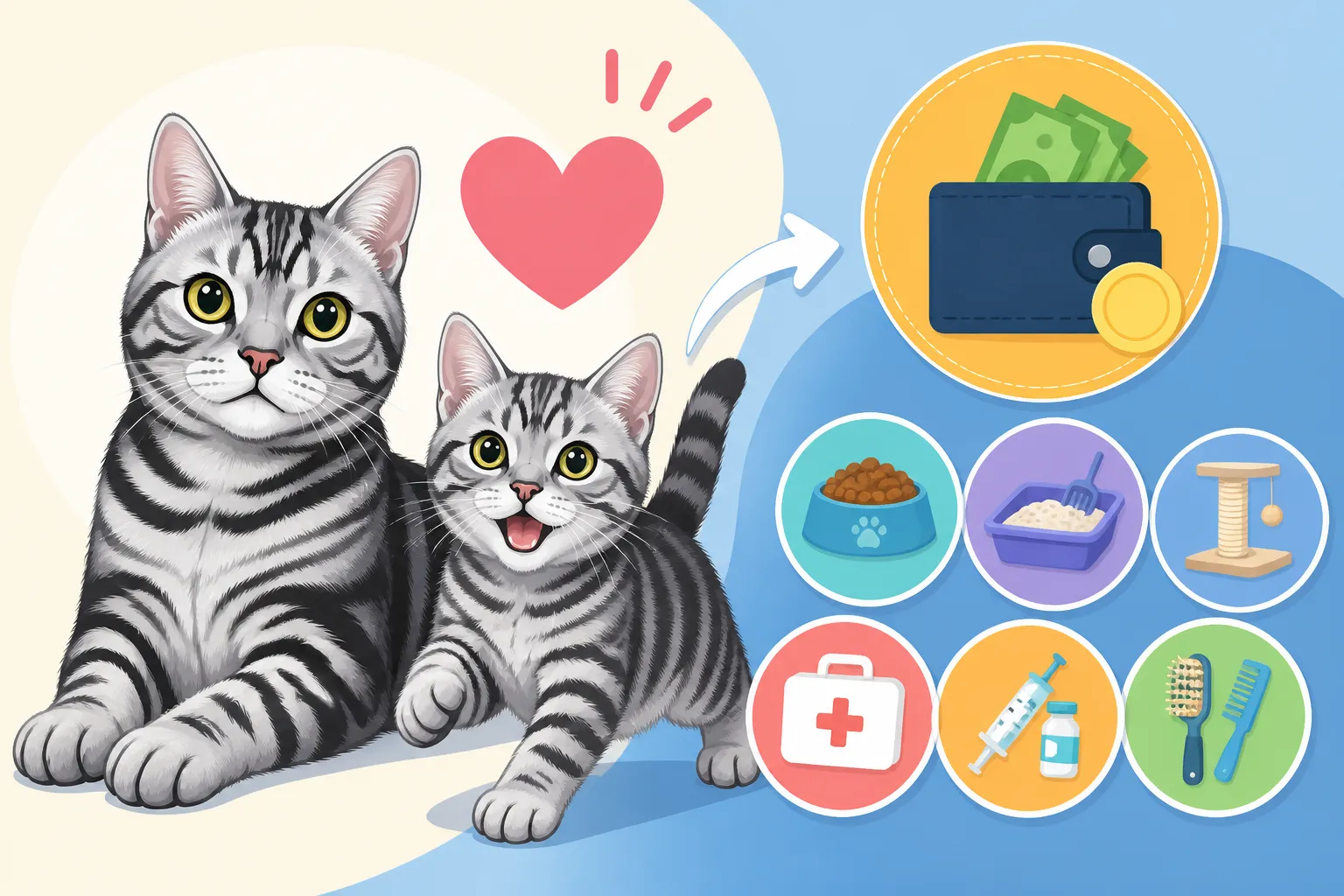
What Adding a Second Cat for an American Shorthair Costs a Year
Thinking about adding a second feline companion to your American Shorthair's life? It's a natural thought for many cat parents, especially if you've seen how much joy one brings, but the financial implications often lead to a lot of head-scratching. It's not as simple as just doubling every expense; there are initial investments, ongoing costs that scale differently, and some unexpected budgeting curveballs you'll want to be prepared for. This guide will walk you through the realistic financial picture of bringing another cat into your home, helping you plan effectively.
The Initial Financial Layout for a New Feline Friend
Bringing a new cat home, whether it's a tiny kitten or a seasoned senior, always comes with a set of upfront costs. These aren't just about the purchase price or adoption fee; they include everything needed to get your new family member settled in and healthy. For American Shorthair owners who appreciate a good investment in health and temperament, understanding these first outlays is crucial.
Adoption, Breeder, or Rescue Fees
The first major financial decision is where your new cat will come from, and this significantly impacts the initial cost. If you're considering another American Shorthair, you'll likely be looking at reputable breeders, which tend to have higher upfront costs compared to adopting from a shelter or rescue. These breeder fees often reflect the breeder's investment in health screenings, quality nutrition, socialization, and initial veterinary care for the kittens, which can be reassuring for an owner. For instance, a responsible breeder of American Shorthairs will likely provide evidence of health screenings for common issues, which gives you a strong start with a healthy animal.
On the other hand, adopting from a local shelter or rescue organization is often a more budget-friendly option. Shelter fees are typically much lower and usually include essential services like spaying or neutering, initial vaccinations, deworming, and microchipping. This can save you hundreds of dollars in vet bills right off the bat. While you might not find a purebred American Shorthair readily available, many shelters have wonderful "American Shorthair type" cats with similar placid temperaments and sturdy builds, just without the official pedigree. You might even find a retired breeding queen Whether a Retired American Shorthair Breeding Queen Is Cheaper looking for a quiet home. Regardless of where your new cat comes from, ensure you understand exactly what the initial fee covers to avoid surprises.
Essential Startup Supplies: Doubling Up or Not
When you introduce a second cat, you can't just expect them to share everything immediately, or even ever, in some cases. Cats are creatures of habit and territory, and expecting two cats to share one litter box, for example, is a recipe for disaster. The general rule of thumb is to have one more litter box than you have cats, so with two cats, you'll need at least three. This might mean purchasing a new, larger box to accommodate your new arrival, or even replacing older, smaller ones to ensure both cats have comfortable, accessible options. How Many Litter Boxes an American Shorthair Needs
Beyond litter boxes, think about food and water bowls. While your existing American Shorthair might be happy with its current setup, a new cat will need its own. This helps prevent resource guarding and ensures both cats get enough to eat without competition. Consider adding a water fountain, as many cats prefer flowing water, which can encourage better hydration for both. New toys are always a hit, not just for the new cat but also to enrich the environment and distract from initial tensions. Don't forget an extra carrier for vet visits, a second scratching post or two (or a new cat tree), and cozy sleeping spots for both. Some things, like a brush, can be shared, but essentials need to be duplicated.
First Vet Visits and Vaccinations
Even if your new cat comes from a shelter or breeder with some initial veterinary care, a visit to your trusted vet is highly recommended. This initial appointment allows your vet to establish a baseline for the new cat's health, discuss any specific concerns (especially if you're mixing a new cat with an existing American Shorthair), and get them on the books. They'll likely perform a full physical exam, check for parasites, and ensure all vaccinations are up to date. If the cat hasn't been spayed or neutered, that will be a significant cost, though, as mentioned, shelters often include this.
Your vet might also recommend specific tests, such as FeLV/FIV screening, especially if the new cat's history isn't fully known or if they've been exposed to other cats. This is particularly important before you allow full interaction with your resident American Shorthair. Microchipping, if not already done, is another crucial upfront expense that offers peace of mind. Discuss with your vet a personalized vaccination schedule and preventative care plan tailored to both your cats' lifestyles, especially if one might be indoor-only and the other potentially ventures out. Whether an American Shorthair Kitten Needs an Early Vet Check
Annual Recurring Expenses for a Two-Cat Household
Once your new feline friend is settled in, the initial costs transition into ongoing, recurring expenses that will become a regular part of your household budget. It's not always a straight doubling of what you spent on your first cat, but it definitely increases significantly.
Food and Nutrition: More Mouths to Feed
Food is typically the largest recurring expense for any cat owner, and with two cats, it certainly ramps up. Your American Shorthair likely enjoys a healthy, balanced diet, and you'll want to provide the same quality for your new addition. If you're feeding a premium kibble, or perhaps a combination of wet and dry food, you can expect your monthly food bill to increase substantially. Factors like the cats' age, activity level, and any specific dietary needs (e.g., sensitive stomachs, weight management, or prescription diets) will also play a role. For example, a young, active kitten will eat more frequently than an adult, while an older American Shorthair might need specialized senior food. Why an Old American Shorthair Needs Food It Can Manage
Some owners opt for bulk purchases from retailers like Chewy to save money, which can be an excellent strategy for a two-cat household, assuming both cats can eat the same food. If one cat has specific dietary requirements, perhaps due to allergies or a medical condition, you might find yourself buying two different types of food, which negates bulk savings and adds complexity. Fresh, human-grade food can be fantastic for health but often comes at a higher price point, so factor that into your budget if you're considering it for both cats. Careful portion control becomes even more critical to prevent either cat from becoming overweight, a common issue in indoor cats, especially the sturdy American Shorthair. Why an American Shorthair’s Appetite Outlasted Its Job
Litter and Hygiene: Twice the Scoop
As mentioned earlier, the "number of cats + 1" rule for litter boxes means more litter. This isn't just a slight increase; you'll likely go through litter much faster, meaning more frequent purchases of larger quantities. The type of litter you use – clay, silica gel, natural pine, or corn – will also dictate this cost. While a cheaper litter might seem appealing upfront, it might need to be changed more frequently or be less effective at odor control, leading to a false economy.
Beyond the litter itself, consider the increased need for cleaning supplies. Accidents, though hopefully rare, can happen, especially during the initial introduction period or if one cat becomes stressed. You might also find yourself cleaning around the litter boxes more often, necessitating more sprays, deodorizers, and even a dedicated litter scoop for each box if you're meticulous. The goal is to keep the environment pleasant for both cats and humans, which means staying on top of hygiene.
Preventative Healthcare and Insurance
Just like your existing American Shorthair, your new cat will need annual vet check-ups, booster vaccinations, and regular parasite prevention (flea, tick, and worming treatments). These costs double with a second cat. Preventative care is paramount in keeping both cats healthy and avoiding more expensive emergency treatments down the line. A healthy American Shorthair still needs regular checks. How Regularly a Healthy American Shorthair Still Needs Checking
Many owners also choose to invest in pet insurance for peace of mind. Providers like Healthy Paws offer coverage for accidents and illnesses, which can be a lifesaver if one of your cats develops an unexpected condition or has an emergency. While you might consider your American Shorthair to be a relatively healthy breed, having two cats simply doubles the chances of something happening. Comparing policies and understanding deductibles and reimbursement rates for both cats is important. Some insurance companies offer multi-pet discounts, so it's worth checking into. Even with a healthy breed, the costs of a sudden illness or injury can be astronomical, making insurance a wise investment for some. Whether an American Shorthair Policy Covers HCM
Hidden Costs and Unexpected Financial Surprises
Even the most meticulous budgeter can be caught off guard by the less obvious expenses that come with a second cat. These "hidden costs" aren't always tangible items but can certainly impact your wallet and your peace of mind.
Increased Wear and Tear on Home and Belongings
Two cats mean twice the potential for wear and tear around your home. More claws mean more opportunities for scratching furniture, even if you provide plenty of appropriate scratching surfaces. Two cats playing together might lead to more energetic romps, potentially knocking over lamps or decorations. You might find yourself needing to replace upholstery, investing in more robust furniture covers, or even dedicating certain areas of your home to cat-proofing. The amount of shed hair will also increase, meaning more frequent vacuuming and potentially needing a more powerful, pet-specific vacuum cleaner. Where an American Shorthair’s Shed Hair Ends Up
Beyond the physical damage, consider the general impact. More traffic on carpets means they wear out faster. More cat beds and blankets mean more laundry. While these aren't huge individual expenses, they add up over time and contribute to the overall cost of a multi-cat household. An American Shorthair's instinct to condition its claws is strong, and with two, you have double the reason to ensure you have enough appropriate scratching posts. Why an American Shorthair Keeps Its Claws Conditioned on Your Sofa
Behavior and Enrichment Needs
Integrating a second cat isn't always smooth sailing, even with the generally placid American Shorthair. While American Shorthairs are known for their easygoing nature, every cat is an individual, and personality clashes can occur. If your cats don't get along, or one exhibits stress-related behaviors (like inappropriate urination or aggression), you might need to invest in behavioral consultations with a certified cat behaviorist. These services can be costly but are invaluable for resolving issues and ensuring a harmonious multi-cat home.
Furthermore, a multi-cat household often requires more enrichment to prevent boredom and redirected aggression. This means more toys, more vertical climbing spaces like cat trees or shelves, and puzzle feeders to stimulate their minds and bodies. Keeping two intelligent and prey-driven cats engaged is important. You might find yourself spending more on interactive toys or even subscription boxes designed for cats. Which Wand Toy Reads as Prey to an American Shorthair If one cat is particularly food-motivated, a microchip feeder might be necessary to ensure only they can access their specific food, adding another cost.
Emergency Vet Care and Senior Cat Needs
While preventative care helps, emergencies can still happen. With two cats, the statistical likelihood of one of them needing urgent medical attention at some point doubles. An emergency vet visit can easily run into hundreds or even thousands of dollars, making a dedicated emergency fund or comprehensive pet insurance (like those offered by Healthy Paws) even more critical.
As cats age, their healthcare needs typically increase. Your American Shorthair has a good lifespan, and a second cat means two potential sets of age-related issues down the line. Older cats often require more frequent vet check-ups, specialized diets, medications for conditions like arthritis or kidney disease, and sometimes even mobility aids. Caring for an American Shorthair Past Twelve These can become significant ongoing expenses. Planning for the possibility of having two senior cats simultaneously means factoring in potentially higher vet bills and daily care costs.
Strategies for Managing the Costs of a Second Cat
While the financial commitment of a two-cat household is real, there are many ways to manage these expenses without compromising on your beloved pets' care and happiness. Smart planning and savvy shopping can make a big difference.
Budgeting and Smart Shopping
The most effective way to handle the costs of a second cat is to create a detailed budget. Map out the initial expenses, then estimate your monthly and annual recurring costs, including a buffer for unexpected events. Look for opportunities to save money without sacrificing quality. For example, buying cat food and litter in bulk from retailers like Chewy often results in significant savings compared to smaller packages from local pet stores. Keep an eye out for sales and loyalty programs.
Consider making some items yourself. DIY cat toys can be just as entertaining as store-bought ones, and you can repurpose old blankets into cozy cat beds. For enrichment, rotate toys to keep them novel, rather than constantly buying new ones. Explore different brands of essentials like litter – sometimes a lesser-known brand offers comparable quality at a better price. Just be sure to transition slowly if you switch food or litter to avoid upsetting your cats (see Whether an American Shorthair Owner Should Keep a Vet Fund).
Preventative Care and Pet Insurance
I cannot stress this enough: preventative care is your best friend when it comes to managing long-term cat care costs. Regular vet check-ups, appropriate vaccinations, and consistent parasite prevention are investments that pay off by preventing more serious (and expensive) health problems down the road. Addressing minor issues early can prevent them from escalating. For instance, maintaining good dental hygiene can stave off costly dental procedures. How Many Dentals an American Shorthair Needs in Twenty Years
Pet insurance is another powerful tool. While it's a recurring monthly expense, it provides a safety net for major accidents or illnesses. Imagine one of your cats suddenly needing emergency surgery or long-term medication; pet insurance can significantly reduce your out-of-pocket costs, making difficult decisions easier. Research different providers, read reviews, and understand what each policy covers. Providers like Healthy Paws are well-regarded for their comprehensive coverage, but there are many options available. Don't wait until one of your cats is sick to get insurance, as pre-existing conditions are typically excluded. The peace of mind alone can be worth the premium.
Table: Estimated Annual Costs for One vs. Two Cats (General Estimates)
This table offers a simplified view of how costs might increase with a second cat. Remember, these are general estimates and actual costs will vary based on your location, chosen brands, and individual pet needs.
| Category | One Cat (Annual Estimate) | Two Cats (Annual Estimate) | Notes |
|---|---|---|---|
| Food | Moderate | Significantly More | Depends on brand, type (wet/dry), and dietary needs. Bulk buying helps. |
| Litter & Supplies | Moderate | Significantly More | "Number of cats + 1" rule means disproportionate increase in litter. |
| Routine Vet Care | Moderate | Double | Annual check-ups, vaccines, parasite control. |
| Toys & Enrichment | Low to Moderate | Moderate to High | More toys, cat trees, puzzle feeders, especially during integration. |
| Pet Insurance (Premium) | Moderate | Moderate to High | Often a per-cat premium, but some offer multi-pet discounts. |
| Grooming | Low | Low | American Shorthairs are low-maintenance, but two still shed. |
| Emergency Fund/Buffer | Recommended | Highly Recommended | Essential for unexpected illness or injury. |
| Total Impact | Significant | Substantially Higher | Not simply double; some costs increase more than others, plus potential behavioral expenses. |
Adding a second cat can be incredibly rewarding, offering companionship and entertainment for both your existing American Shorthair and the new arrival. However, it's a financial commitment that extends far beyond the initial adoption or purchase fee. By thoroughly researching, budgeting wisely, prioritizing preventative care, and understanding the potential hidden costs, you can ensure a smooth transition and a happy, healthy life for all your feline family members. Your American Shorthair might even appreciate having a friend for those quiet hours when you're not around. How Long an American Shorthair Copes Alone in the Day
Disclaimer
This article is for general informational purposes only and does not constitute professional advice. Laws, prices and regulations vary by location and change over time. Consult a qualified professional for guidance on your specific situation.