What a Puzzle Feeder for an American Shorthair Costs
As a cat parent, you know that our beloved American Shorthairs, despite their calm demeanor, carry a strong ancestral drive. Leaving a bowl of kibble out for them day in and day out might seem convenient, but it deprives them of the mental and physical challenge their genetics crave, often leading to boredom, overeating, and a host of potential issues. This guide is here to walk you through the various costs associated with puzzle feeders, from the most basic to the high-tech, helping you understand how this simple change can be a profound investment in your cat's long-term happiness and health.
Why Your American Shorthair Needs a Puzzle Feeder (It's More Than Just Food!)
It's easy to forget that beneath that placid, loving exterior, your American Shorthair is a descendant of expert hunters, ship's cats, and barn guardians. These weren't pets given free meals; they earned every bite through cunning, patience, and physical exertion. Bringing that heritage into a modern home, especially for an indoor cat, means their inherent drives can sometimes go unfulfilled, leading to subtle or not-so-subtle problems.
Tapping into the Ancestral Hunter
Imagine generations of cats, like the ancestors of the American Shorthair, relying on their wits and agility to catch prey. Their brains and bodies evolved to work for their food. When we simply put a bowl of food down, especially a full one that's always available, we're essentially bypassing thousands of years of evolutionary programming. Your American Shorthair still possesses that incredible hunting drive, even if their "prey" is now a piece of kibble. The American Shorthair Still Hunts, Whether You Want It To or Not Engaging this instinct through puzzle feeders isn't just about fun; it's about honoring their true nature and providing essential mental stimulation. It taps into their natural problem-solving abilities and gives them a sense of accomplishment that a simple bowl never could. They might not be hunting actual mice anymore, but they still need to engage with their "food" in a meaningful way (see What an Indoor American Shorthair Does With a Mouser's Instinct).
The Downsides of Bowl Feeding for a Smart Cat
While a bowl is certainly convenient for us, it can inadvertently contribute to several issues for our American Shorthairs. The most obvious is overeating and subsequent weight gain. Without the "work" involved in acquiring food, many cats simply eat out of boredom or habit, leading to a creeping weight problem. Obesity Is What Ending the American Shorthair's Job Cost It But it's not just about their waistline. A smart, capable cat that isn't regularly challenged can become bored, and boredom can manifest in undesirable behaviors. This might look like excessive meowing, destructive scratching, house-soiling outside the litter box, or even aggression towards other pets or family members. These are often calls for help, signals that their rich inner world isn't being adequately stimulated. Traditional bowl feeding offers no mental workout, no strategic thinking, and no physical engagement, which for a breed with the American Shorthair's background, is a missed opportunity for enrichment.
The Mental and Physical Perks of Work-to-Eat Systems
Introducing work-to-eat systems, like puzzle feeders, can be a game-changer. These devices encourage your American Shorthair to engage their minds and bodies to extract their food. This process slows down their eating, which can aid digestion and prevent scarf-and-barf scenarios. More importantly, it provides valuable mental enrichment, reducing boredom and the problematic behaviors that can stem from it. The physical activity involved, even if just nudging a ball or pawing at a treat dispenser, helps to burn calories and maintain a healthy weight. Think of it as hitting the gym for both their brain and their body. It allows them to express natural behaviors in a safe, appropriate, and rewarding way, making for a happier, healthier, and more contented feline companion.
Navigating the Cost Spectrum of American Shorthair Puzzle Feeders
When you start looking into puzzle feeders, you'll quickly realize there's a wide range of options out there, each with its own price point and level of complexity. It's not about spending the most, but about finding what works best for your cat and your budget.
Budget-Friendly Beginnings
For those just dipping their toes into the world of puzzle feeders, or simply looking for affordable ways to enrich their American Shorthair's mealtime, there are plenty of entry-level options that won't break the bank. These usually consist of simpler designs, often made from plastic or cardboard, with one or two basic challenges.
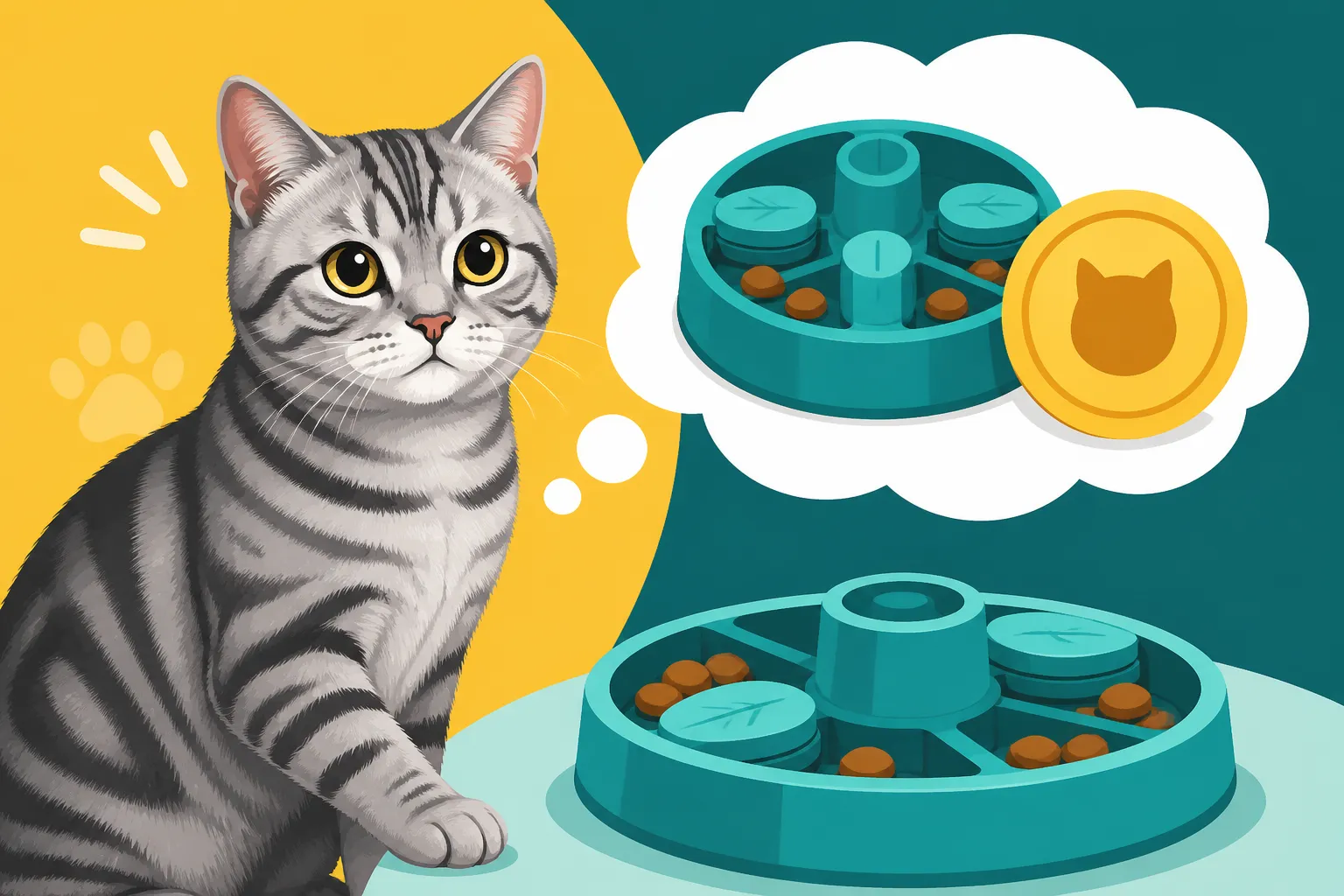
You might find small plastic balls with holes that dispense kibble when rolled, or flat trays with shallow compartments and pegs that require your cat to bat pieces of food out. These are fantastic for introducing the concept without overwhelming your cat, or your wallet. The cost for these can be quite low, making them an accessible first step. They're great for a quick, easy challenge and can be moved around to keep things fresh. Some clever cat parents even make their own simple versions using empty toilet paper rolls, egg cartons, or small plastic bottles, cutting holes for food to fall out. While these DIY options have no direct purchase cost, remember the "cost" in your time and the fact that they often aren't as durable or easy to clean as purpose-built feeders.
Mid-Range Magic: Balancing Cost and Engagement
Stepping up a notch, mid-range puzzle feeders offer more intricate designs, often incorporating multiple stages or varied textures and obstacles. These are typically more durable, made from sturdier plastics, or sometimes ceramic, and are designed to withstand regular use and washing.
These feeders might involve your American Shorthair needing to scoop kibble out of tubes, slide covers to reveal hidden compartments, or manipulate various obstacles to get their reward. Many of these offer adjustable difficulty levels, which is a huge plus as your cat becomes more adept. You can start easy and gradually make it more challenging, ensuring sustained engagement. This sweet spot of puzzle feeders provides a good balance between investment and enrichment, offering substantial mental and physical benefits without venturing into the highest price tiers. Brands available on sites like Chewy offer a wide variety in this range, allowing you to compare features and read reviews before committing. These options are often a great long-term solution because they can grow with your cat's skill set, preventing them from getting bored too quickly. Whether a Puzzle Feeder Satisfies an American Shorthair
High-Tech Solutions and Premium Investments
At the higher end of the spectrum, you'll find advanced and even electronic puzzle feeders. These are the luxury cars of the cat enrichment world, often featuring sophisticated mechanisms, programmable timers, and even app connectivity.
Some advanced feeders might have rotating compartments that dispense food at set intervals, or require your cat to press a button or complete a more complex sequence of actions. Electronic models can be programmed to release small portions of food throughout the day, mimicking the natural grazing and hunting patterns of a cat and preventing them from eating too much at once. Some even integrate with smartphone apps, allowing you to control feeding times and monitor your cat's interactions remotely. These feeders are often made from high-quality, durable, and sometimes even aesthetically pleasing materials like stainless steel or premium plastics. While the initial outlay is considerably more significant, the convenience, durability, and advanced features can offer substantial value, particularly for busy households or cats with specific dietary needs that require precise portion control throughout the day.
The "Free" Option: DIY Challenges and Their True Price
It’s tempting to think about making your own puzzle feeders, and it’s absolutely possible! You can use everyday items like cardboard boxes, paper towel rolls, muffin tins, or even plastic water bottles to create simple yet effective challenges for your American Shorthair. Poke holes in a plastic bottle, put some kibble inside, and watch them bat it around. Hide treats in different cups in a muffin tin. These can be incredibly rewarding for both you and your cat, and the "cost" in terms of money is often negligible.
However, it's important to consider the "true price" of DIY. First, there's your time. Designing, assembling, and often cleaning these creations can take a surprising amount of effort. Second, durability is a major factor. Cardboard and thin plastics often don't stand up to repeated use by an enthusiastic cat and can quickly become a shredded mess, requiring frequent replacement. Third, hygiene can be an issue. Many homemade feeders aren't easily washable, which can lead to bacteria buildup, especially if wet food or moist treats are used. While a great starting point, most DIY solutions serve best as temporary enrichment or additions to a rotation of more robust, purpose-built feeders. How Few Calories an Indoor American Shorthair Burns
What Drives the Price of a Puzzle Feeder for Your Feline Friend
Understanding why one puzzle feeder costs significantly more than another can help you make an informed decision that suits your cat's needs and your budget. It's not just about the name on the box; several practical elements dictate the price point.
Materials, Durability, and Longevity
One of the most significant factors influencing the cost of a puzzle feeder is the materials it's made from. You'll typically find feeders crafted from plastic, ceramic, or sometimes even wood or stainless steel.
- Plastic: The most common and generally the most affordable. Basic plastics are lightweight and easy to mold into various shapes, but can sometimes feel flimsy or be prone to scratching. Higher-grade, BPA-free plastics offer better durability and are safer for your pet, naturally increasing the cost.
- Ceramic: These feeders tend to be heavier, more stable, and often have a more premium feel. Ceramic is also very easy to clean and less prone to harboring bacteria than scratched plastic. However, they are more expensive to produce and carry the risk of breaking if dropped.
- Wood/Bamboo: Some eco-conscious brands offer feeders made from sustainable wood or bamboo. These can be visually appealing and durable, but also tend to be on the higher end due to material costs and manufacturing processes. They might also require specific cleaning care to prevent warping.
- Stainless Steel: Occasionally used for internal components or for some very robust, easy-to-sanitize designs. Stainless steel is highly durable and hygienic but also adds to the overall cost.
Ultimately, more durable and higher-quality materials translate to a longer lifespan for the feeder, potentially saving you money on replacements in the long run.
Design Complexity and Adjustable Challenge Levels
The ingenuity of the design plays a huge role in pricing. A simple feeder with one method of food extraction will naturally cost less than a multi-stage, multi-challenge system. Feeders with adjustable difficulty levels, where you can easily modify the challenge as your American Shorthair's skills improve, command a higher price point.
These complex designs often require more intricate manufacturing processes, more parts, and more research and development to ensure they are both engaging and safe. Think about feeders that incorporate sliding panels, rotating elements, deep wells, or even multiple layers of puzzles. The more interactive and adaptable a feeder is, the more likely it is to keep your cat engaged over time, justifying a higher investment. It's about providing a continuously stimulating experience rather than a puzzle that quickly becomes too easy. How Much an American Shorthair Climbs a Cat Tree
Brand Reputation and Innovative Features
Just like with any product, the brand behind the puzzle feeder can influence its cost. Established brands with a reputation for quality, pet safety, and innovative design often price their products higher. This can reflect their investment in research, rigorous testing, and customer support.
Some brands might incorporate unique features like non-slip bases, dishwasher-safe components, or specific designs tailored to different cat temperaments or physical abilities. For example, some puzzle feeders might be specifically designed to prevent whisker fatigue, or to be extra stable for a particularly enthusiastic American Shorthair. If a feeder integrates electronic components, such as timers for portion control or app connectivity, these advanced features will significantly increase the cost due to the technology involved. When browsing a retailer like Chewy, you'll see a range of brands with varying price points and feature sets. It's worth considering the value these innovative features add to your cat's enrichment and your convenience.
Size and Capacity Considerations for Your American Shorthair
The physical size and food capacity of the puzzle feeder also contribute to its cost. American Shorthairs are generally medium to large cats, with a sturdy build, meaning they might need a feeder that's appropriately sized for their frame and their daily food intake.
Larger feeders use more raw materials and can be more complex to manufacture. If your American Shorthair needs a substantial amount of food throughout the day, or if you're using the feeder for multiple cats, a larger capacity feeder will be necessary, and these tend to be more expensive. Ensure the feeder isn't too small, causing your cat to knock it over easily or making it uncomfortable for them to access the food. A feeder that is too small might also fail to provide adequate stimulation for a robust cat like an American Shorthair. Consider not just the volume of food it holds, but also the physical footprint of the feeder, especially if your cat has broad shoulders. What a Box Wide Enough for an American Shorthair Costs
The Long-Term Value: Is a Puzzle Feeder a Worthwhile Investment?
When you look at the price tag of a puzzle feeder, it's easy to just see the immediate outlay. However, for an American Shorthair, a quality puzzle feeder is often much more than a simple toy; it's an investment in their long-term health, happiness, and even your peace of mind.
Preventing Health Issues: An Investment in Longevity
The most compelling long-term value of a puzzle feeder lies in its potential to prevent or mitigate common health problems. For a breed like the American Shorthair, which has a natural tendency towards a stocky build and a healthy appetite, obesity can be a real concern, especially for indoor cats. How to Spot Weight Gain on a Square Built American Shorthair Excess weight puts strain on joints, increases the risk of diabetes, and can significantly shorten their lifespan. By slowing down eating and encouraging activity, puzzle feeders directly combat these risks.
Think of the cost of treating obesity-related conditions like diabetes or arthritis. Vet bills for diagnostic tests, medications, and ongoing management can be substantial over a cat's lifetime. While no one wants to imagine their beloved pet facing such challenges, investing a modest amount in a puzzle feeder upfront could potentially save you a far greater sum in veterinary costs down the line. It's a form of preventative care, like feeding a high-quality food and ensuring they get regular check-ups. What Extra Weight Does to an American Shorthair's Working Frame This kind of proactive approach contributes to a longer, healthier life for your American Shorthair. How Long the American Shorthair Lives Against Other Pedigrees
Maintenance, Replacement, and Ongoing Costs
While the initial purchase is the primary cost, it's wise to consider the ongoing expenses, however minor. Most puzzle feeders require regular cleaning to prevent bacteria buildup, especially if any wet food or oily treats are used. Materials like ceramic or stainless steel are generally easier to clean than intricate plastic designs with many nooks and crannies. Cleaning supplies are a minimal cost, but worth factoring in.
Depending on the material and your cat's enthusiasm, some feeders might need replacement parts or even full replacement over time. A robust feeder made from durable materials will naturally last longer, spreading its initial cost over many years. Cardboard or very thin plastic options, while cheap initially, might need frequent replacement, making their long-term cost surprisingly similar to a more durable mid-range option. Factor in these small, recurring "costs" when evaluating the true value proposition of a puzzle feeder.
Integrating Puzzle Feeders into a Holistic Care Plan
Puzzle feeders shouldn't be seen as a standalone solution, but rather as an integral part of a comprehensive care plan for your American Shorthair. They complement a balanced diet, regular veterinary care, and an enriching home environment.
For instance, using a puzzle feeder in conjunction with a high-quality diet, perhaps one designed for active indoor cats or a fresh food option, can maximize its benefits. It transforms mealtime from a passive event into an engaging activity, mimicking how their wild ancestors would have spent a significant portion of their day. You can gradually transition your cat's meals into these feeders, ensuring they are always Making an American Shorthair Work for Its Dinner Again. This approach goes beyond merely sustaining your cat; it actively enhances their well-being. It creates a routine that satisfies their inherent needs, leading to a calmer, more satisfied cat.
Pairing with Quality Food and Insurance Perspective
The effectiveness of a puzzle feeder can also be enhanced by the food you put in it. While any kibble will work, using a high-quality, nutritious food ensures that the “reward” for their effort is truly beneficial. Foods with wholesome ingredients can be excellent choices to fill these feeders, providing both mental enrichment and superior nutrition. This conscious choice in feeding further contributes to their overall health.
From an insurance perspective, while pet insurance like Healthy Paws won't directly cover the cost of a puzzle feeder, it's worth noting the indirect benefits. Preventative measures that lead to a healthier lifestyle for your American Shorthair can potentially reduce the frequency or severity of future health issues. If a puzzle feeder helps prevent obesity, which in turn reduces the risk of expensive treatments for diabetes or joint problems, then the "return" on your puzzle feeder investment becomes clearer. It's about minimizing the chances of needing to file those larger, more serious claims in the first place, benefiting both your cat's health and your wallet. Whether Insurance Pays Off on a Low Risk American Shorthair
Puzzle Feeder Comparison at a Glance
To help you visualize the different options and their typical characteristics, here's a brief comparison table:
| Type of Puzzle Feeder | Typical Challenge Level | Construction Materials | Approximate Durability | Ease of Cleaning | Typical Engagement Time | Cost Shape |
|---|---|---|---|---|---|---|
| DIY (e.g., toilet rolls) | Very Easy – Easy | Cardboard, plastic bottles | Low (single/few use) | Low | Short | Minimal/Free |
| Entry-Level (Basic ball/tray) | Easy | Basic plastic | Moderate | Moderate | Short to Moderate | Low |
| Mid-Range (Multi-stage/Slide) | Easy to Medium | Durable plastic, some ceramic | Good | Moderate to Good | Moderate to Long | Moderate |
| Advanced/Electronic | Medium to Difficult | Premium plastic, stainless steel, ceramic | Excellent | Good | Long (programmable) | High |
Investing in a puzzle feeder for your American Shorthair isn't just about buying a new item for your cat; it's about providing an essential outlet for their natural instincts, promoting their physical health, and enriching their mental well-being. From simple DIY options to sophisticated electronic systems, there's a solution for every budget and every cat. By considering the materials, design, and long-term benefits, you can choose a feeder that will pay dividends in the form of a happier, healthier, and more engaged feline companion for years to come.
Disclaimer
This article is for general informational purposes only and does not constitute professional advice. Laws, prices and regulations vary by location and change over time. Consult a qualified professional for guidance on your specific situation.