What Training Treats Cost an American Shorthair Owner
Bringing home an American Shorthair is a joy, and while these wonderful cats are often described as independent and relatively low-maintenance, don't be fooled into thinking training is off the table! Many owners find themselves wanting to teach their clever feline companions basic manners, fun tricks, or even just make carrier visits less stressful. The truth is, positive reinforcement works wonders, and often, the most potent tool in that kit is a high-value training treat. But as you start looking into them, you might quickly realize that the cost of these little motivators can add up, leaving you wondering if you're getting value for money and how to keep your budget in check while still rewarding your furry friend. This guide is here to walk you through the nuances of training treat expenses for your American Shorthair, helping you understand what drives the prices and how to make smart choices without sacrificing your cat's health or training progress.
Understanding Why Training Treats are Essential and Not Just a 'Treat'
It's easy to dismiss treats as mere snacks, but for an American Shorthair in a training scenario, they transform into powerful tools. They're not just about indulgence; they're about communication and motivation, especially for a breed that retains a strong, independent, and prey-driven instinct. Understanding this fundamental difference is key to appreciating their role and, by extension, their cost.
The American Shorthair's Mindset Towards Training
Our beloved American Shorthairs carry the legacy of centuries of working cats. They were bred for usefulness, for their keen hunting instincts and self-sufficiency, not necessarily for eager obedience or constant human interaction. This historical background means they often approach life with a certain pragmatic independence. They don't inherently live to please us in the same way some dog breeds might; they operate on a "what's in it for me?" principle. This isn't a flaw, it's just how they're wired. When you're trying to teach an American Shorthair to sit on command, come when called, or voluntarily enter a carrier, you're essentially asking them to engage in behaviors that might not be immediately intuitive or rewarding to them. This is where a high-value treat becomes indispensable. It bridges the gap between our expectations and their natural inclinations, providing a clear, immediate, and tangible reason for them to perform the desired action. Without that strong motivator, their natural inclination is often to simply walk away and find something more interesting to do, like patrolling their territory or finding a sunny spot for a nap. How to Clicker Train an American Shorthair That Works for Prey, Not Praise delves deeper into leveraging their natural instincts for training success.
Consider a scenario where you're trying to get your American Shorthair, let's call him Chester, to use a new scratching post instead of the arm of your sofa. You've placed it in a prominent spot, but Chester just sniffs it and walks away. If you then sprinkle a few irresistible, tiny training treats on top of the post and reward him enthusiastically the moment he scratches it, he quickly associates the action (scratching the post) with a positive outcome (delicious treat). This positive association, built through consistent rewarding with high-value treats, is far more effective than scolding or trying to physically move him, which can damage your bond and make him wary of you. The treat provides the "what's in it for me?" answer, making the desired behavior worthwhile from his perspective.
The Role of High-Value Rewards in Reinforcement
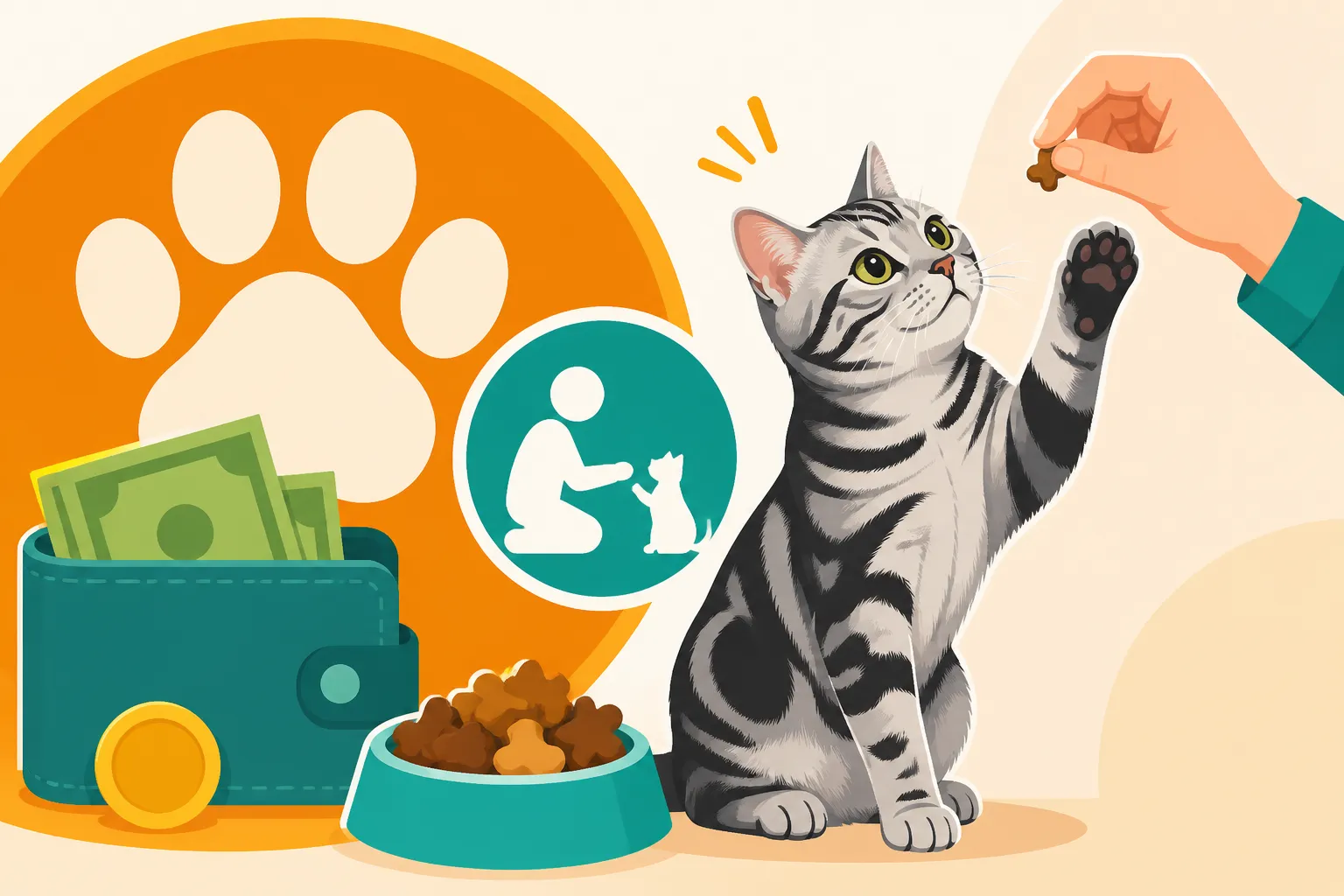
Not all treats are created equal in the eyes of an American Shorthair. A "high-value" treat is something that your cat absolutely goes wild for, something they don't get all the time, and something that is far more appealing than a regular kibble or a run-of-the-mill snack. Think about it from their perspective: if you're asking them to perform a slightly inconvenient or new behavior, the reward needs to be worth their effort and attention. For many American Shorthairs, their hunting drive means that meat-based, intensely flavored treats often hit the jackpot. These treats tap into their primal instincts and provide a powerful, immediate dopamine hit that reinforces the positive behavior you're looking for.
A low-value treat, like a piece of dry kibble from their regular meal, might work for some very simple, already-established behaviors. But when you're introducing something new, working in a distracting environment, or trying to overcome a strong aversion (like to a carrier), you need to pull out the big guns. These high-value rewards might be small pieces of cooked chicken, specific freeze-dried meats, or commercially prepared treats with a strong aroma and flavor. The goal is to make the reward so enticing that your American Shorthair wants to earn it, even if it means doing something slightly out of their comfort zone. For example, if you're trying to teach your American Shorthair to tolerate a harness, presenting a tiny, delectable morsel every time they let you put it on, and then again when they walk a few steps, makes the experience positive and rewarding. This investment in high-value treats directly correlates with quicker learning and more solid retention of trained behaviors, ultimately saving you time and frustration in the long run.
Decoding the Cost Factors of American Shorthair Training Treats
When you start browsing the treat aisle, whether in a physical store or online, you'll notice a huge range in prices. It's not just random; several key factors contribute to how much you'll end up spending on those little morsels for your American Shorthair. Understanding these elements can help you make more informed decisions and stretch your budget further.
Quality and Ingredients Drive Price
Just like human food, the quality and type of ingredients in cat treats have a direct impact on their price. Treats made with real, whole meat ingredients—think freeze-dried chicken, salmon, or liver—will almost always be more expensive than those primarily composed of grains, meat by-products, or artificial flavors. This is simply because quality protein sources are more costly to source and process. Many premium brands, for instance, focus on single-ingredient treats or those with a very short, recognizable ingredient list, often boasting human-grade quality. These are generally perceived as healthier options, reducing the risk of allergies or digestive upset, but they come with a higher price tag.
Consider the difference between a bag of freeze-dried salmon treats and a bag of crunchy, flavored kibble-like treats. The salmon treats are likely to be pure protein, with no fillers or artificial additives, making them highly palatable and nutritious. However, their production process, from sourcing wild-caught fish to freeze-drying, is more complex and expensive. On the other hand, the kibble-like treats might use less expensive animal derivatives, grains, and flavor enhancers to achieve palatability at a lower cost. For an American Shorthair with a discerning palate or specific dietary needs, investing in higher-quality, often more expensive, treats can be worthwhile. It ensures they're getting beneficial nutrients rather than empty calories, which is especially important if you're tracking their overall calorie intake. Which Treats Fit an American Shorthair's Calorie Budget is a crucial read here, as high-quality treats can be calorie-dense.
Packaging, Brand, and Volume Considerations
Beyond ingredients, the way treats are packaged, the brand reputation, and the quantity you purchase also play a significant role in the final cost. Smaller, single-serving pouches or highly stylized packaging can increase the per-treat cost, as you're paying for convenience and presentation. Established, well-known brands that invest heavily in marketing and product development often have higher prices, too. They might justify this with rigorous quality control, unique formulations, or a loyal customer base built on trust. While a reputable brand can offer peace of mind regarding safety and consistency, it's worth exploring newer, smaller brands that might offer comparable quality at a slightly lower price point.
The volume of treats you buy is another major factor. Buying in bulk almost always reduces the per-ounce or per-treat cost. A small 1-ounce bag might seem cheap upfront, but if you calculate the price per ounce, it's often significantly higher than a larger 8-ounce or 1-pound bag. For American Shorthair owners who are actively engaged in daily training or have multiple cats, purchasing larger quantities from online retailers like Chewy can lead to considerable savings over time. However, be mindful of expiration dates and how quickly your cat consumes them to avoid waste. An opened bag of treats might lose its potency or freshness over time, making it less appealing to your cat and negating any bulk-buy savings.
Specialized Diets and Allergy-Friendly Options
Just like people, some American Shorthairs have dietary sensitivities or allergies that require specialized treats. If your cat needs grain-free, limited ingredient, or novel protein treats, you can expect to pay a premium. These specialized options are formulated to avoid common allergens and digestive triggers, using ingredients like duck, rabbit, or venison, which are generally more expensive than chicken or beef. The manufacturing processes for these treats also often involve stricter controls to prevent cross-contamination, adding to the cost.
For a cat with a sensitive stomach or an identified allergy, these treats aren't a luxury; they're a necessity. Feeding the wrong treats can lead to uncomfortable digestive issues, skin problems, or even more serious health complications, potentially incurring vet bills that far outweigh the savings on cheaper, unsuitable treats. For instance, if your American Shorthair reacts poorly to chicken, you might need to find treats made with turkey or fish, which can be pricier but prevent adverse reactions. Consulting with your veterinarian if your American Shorthair has dietary issues is always the best first step to ensure you choose appropriate and safe treats, even if they cost a bit more. It's an investment in their comfort and long-term health, helping to avoid issues that might later require assistance from something like Healthy Paws pet insurance.
Budgeting for Training Treats: Smart Strategies for American Shorthair Owners
It's easy to get carried away buying treats, especially when you see how much your American Shorthair loves them. However, managing the cost doesn't mean depriving your feline friend. With a few smart strategies, you can keep your treat budget in check while ensuring your American Shorthair remains motivated and healthy.
Comparing Different Treat Types and Brands
The market for cat treats is vast, offering everything from soft, chewy morsels to crunchy biscuits and freeze-dried delights. Each type has its own price point, palatability, and caloric density. Freeze-dried meat treats, for example, are often the most expensive per bag but are usually very high-value and nutrient-dense, meaning you can often use tiny pieces. Soft, moist treats might be more affordable, but check their ingredient list carefully to ensure they aren't loaded with fillers. Crunchy treats are often the cheapest, but they might be less motivating for an American Shorthair compared to a meaty alternative, and their caloric content can add up quickly.
It pays to be a savvy shopper. Don't be afraid to read labels and compare prices per ounce across different brands and treat types. Online retailers, like Chewy, often provide detailed ingredient lists and customer reviews, which can be invaluable when making choices. Look for sales, discounts, or loyalty programs that can help reduce costs. Sometimes, a lesser-known brand offers comparable quality to a premium brand at a fraction of the price. The key is to find what your American Shorthair values most as a reward while still fitting your budget. If your cat responds just as well to a moderately priced, real-meat jerky treat as they do to a super-premium freeze-dried brand, then you've found your sweet spot.
| Treat Type | Typical Cost (per oz) | Palatability (General) | Main Benefits | Potential Drawbacks |
|---|---|---|---|---|
| Freeze-Dried Meat | Higher | Very High | Single ingredient, highly nutritious, low carb | Can be crumbly, more expensive |
| Soft/Chewy Treats | Moderate | High | Easy to break, strong aroma, often fortified | Can have fillers, higher calorie count |
| Crunchy Biscuits/Kibble | Lower | Moderate | Shelf-stable, good for dental health (some types) | Less motivating, often grain-heavy, high calorie |
| Homemade Treats | Variable (low-mid) | High (if tailored) | Control ingredients, can be very fresh | Time-consuming to prepare, storage can be tricky |
Bulk Buying and Subscription Services
For those treats your American Shorthair simply can't resist, buying in larger quantities is one of the most effective ways to save money over time. Bulk purchases typically offer a lower unit price, reducing the overall cost of your training treat supply. Many online pet supply stores, including Chewy, offer bulk options for popular treats. Just be sure to check the expiration date and ensure you have proper storage to maintain freshness. Airtight containers can help keep treats fresh for longer, preventing them from going stale and losing their appeal.
Another avenue for savings is exploring subscription services. Many brands or retailers offer a discount if you sign up for recurring deliveries. This not only saves you money but also ensures you never run out of your American Shorthair's favorite motivators. This can be particularly useful if you're working on a consistent training regimen where treats are a daily necessity. Before committing to a subscription, however, make sure your cat genuinely loves the treats and that the delivery frequency matches your consumption rate. Nobody wants a cupboard full of expensive treats their cat ignores, or worse, a mountain of stale snacks.
DIY Treats: A Cost-Effective Alternative
One of the most budget-friendly, and often healthiest, approaches to training treats is to make them yourself. Homemade treats give you complete control over the ingredients, allowing you to tailor them perfectly to your American Shorthair's preferences and any dietary needs. You can use simple, human-grade ingredients that are already in your kitchen, often at a fraction of the cost of commercial options. This is especially useful if your cat loves single-ingredient treats like cooked chicken or fish.
Think about it: a small amount of cooked chicken breast, liver, or tuna, cut into tiny, pea-sized pieces, can be an incredibly high-value reward for an American Shorthair. These are often far more appealing than any commercial treat because they're fresh, aromatic, and packed with flavor. You can boil or bake small portions of meat specifically for treat purposes, cool them, and then store them in the fridge for a few days or freeze them for longer periods. Just be sure to avoid seasonings, onions, garlic, and other ingredients that are toxic to cats. Making your own treats is not only economical but also offers peace of mind about what your American Shorthair is consuming. It's an excellent way to supplement commercial treats or to use exclusively for training without breaking the bank.
Long-Term Treat Management and Your Cat's Health
While training treats are invaluable for positive reinforcement, their consistent use requires a mindful approach, especially for an American Shorthair. This breed, known for its sturdy build and hearty appetite, can easily gain weight if treat intake isn't managed carefully. Balancing treats with their overall diet and monitoring their health are crucial for a long, happy life. What an American Shorthair Weighs at One and How Much Is Left and How Many Calories a Working Framed American Shorthair Needs a Day are vital resources for understanding their dietary needs.
Balancing Treats with Your American Shorthair's Overall Diet
The golden rule of treats, especially for American Shorthairs who tend to love their food, is moderation. Treats, by definition, should supplement, not replace, a balanced diet. If you're giving a significant number of treats during training sessions, you absolutely need to adjust your American Shorthair's main meal portions accordingly to prevent unhealthy weight gain. It's a common oversight that can quickly lead to an overweight cat, which comes with its own set of health problems. An American Shorthair's robust build, a remnant of their mousing days, means they have a strong appetite, and once their working lifestyle is removed, those calories can quickly accumulate. Why a Neutered American Shorthair Puts On Weight Faster highlights another important factor to consider in their dietary needs.
A simple way to manage this is to subtract the caloric value of the treats from their daily kibble or wet food allowance. Many high-value treats are calorie-dense, so even a few small pieces can contribute a fair amount. Always read the nutritional information on commercial treat packaging. If you're using homemade treats, estimate their caloric value or consult your vet for guidance. For example, if your American Shorthair normally gets two servings of wet food a day, and you've given them a handful of treats during a training session, you might reduce one of their wet food servings slightly. This approach ensures they get the motivational benefits of treats without the detrimental effects of excessive calorie intake.
Monitoring Health and Adjusting Treat Usage
Regularly monitoring your American Shorthair's body condition is paramount when using training treats. You should be able to easily feel their ribs without pressing hard, and they should have a discernible waist when viewed from above. If you notice your American Shorthair starting to put on weight, it's a clear signal to re-evaluate their entire diet, including the quantity and caloric content of their treats. This might mean reducing the number of treats per session, opting for lower-calorie treat options, or further decreasing their main meal portions. How Fast Treats Undo an American Shorthair's Weight Plan really underscores this point.
Beyond weight, pay attention to any changes in your cat's digestion, coat quality, or overall energy levels that could be linked to their treats. New treats can sometimes cause upset stomachs or allergic reactions. If you notice any adverse signs, discontinue the treat immediately and consult your veterinarian. Remember, the goal of training and treating is to enhance your American Shorthair's life, not inadvertently compromise their health. A healthy American Shorthair is a happy American Shorthair, and staying proactive with their diet and weight can save on potential health issues down the road, reducing the need for treatments that a pet insurance provider like Healthy Paws might cover. By carefully managing their treat intake, you ensure your training efforts contribute positively to both their behavior and their well-being.
Disclaimer
This article is for general informational purposes only and does not constitute professional advice. Laws, prices and regulations vary by location and change over time. Consult a qualified professional for guidance on your specific situation.