Which Treats Fit an American Shorthair’s Calorie Budget
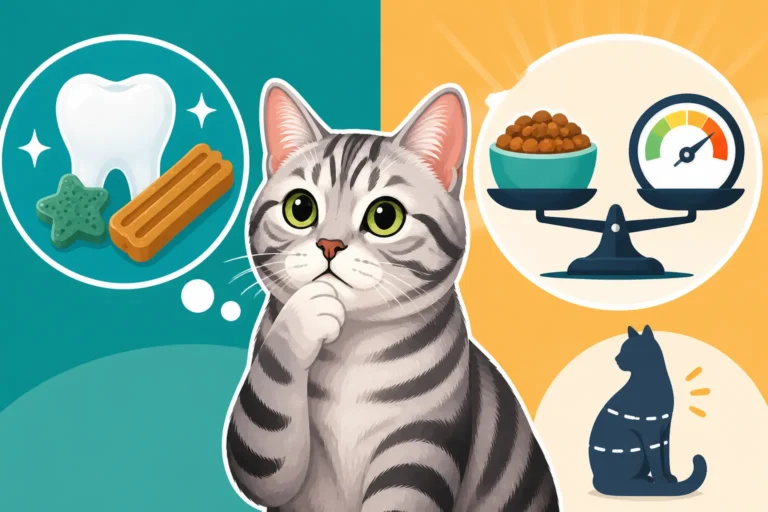
You adore your American Shorthair, and you want to show them how much you care with a tasty treat. But it's so easy to accidentally overdo it, especially with a breed that carries a bit of extra weight so subtly, and suddenly those little tokens of affection start to push them past their healthy calorie limit. This guide is here to help you navigate the world of feline treats, ensuring your beloved American Shorthair can enjoy their goodies without compromising their trim, muscular physique and overall health.
Understanding Your American Shorthair's Calorie Needs
It's tempting to think of treats as being outside the realm of "food," almost like they don't count towards the daily intake. But for our furry friends, especially those with a solid build like the American Shorthair, every single calorie matters. Their ancestors were true working cats, earning their keep, and while your beloved companion might spend their days napping on the sofa instead of mousing in a barn, their body still remembers that heritage.
The Legacy of a Working Cat's Appetite
Think about your American Shorthair's ancestors: they were hardy, self-sufficient cats that hunted for their meals. This rigorous lifestyle meant they burned a significant amount of calories just living their day-to-day lives. They had to be efficient hunters, which instilled in the breed a strong drive to eat when food was available, an instinct that served them well when sustenance wasn't guaranteed.
The modern American Shorthair, while still retaining that robust build and keen intellect, often lives a far more sedentary indoor life. They don't have to stalk prey for hours or patrol vast territories. Yet, that ancestral wiring for a strong appetite often remains intact. This is why you might notice your American Shorthair seems perpetually interested in food, even after a full meal. Their bodies are designed to consume and store energy, a trait that can easily lead to unwanted weight gain if not carefully managed in a domestic environment. It's a fundamental conflict between their ancient biology and their modern lifestyle. Why an American Shorthair's Appetite Outlasted Its Job explains this phenomenon beautifully.
Calculating Daily Calorie Requirements
Determining your American Shorthair's exact daily calorie needs isn't a one-size-fits-all situation. Factors like age, activity level, whether they are spayed or neutered, and their current body condition all play a significant role. A young, active cat that loves to chase wand toys for an hour a day will naturally burn more calories than a senior cat who prefers quiet naps by the window. However, even the most active indoor American Shorthair won't burn as many calories as their working ancestors.
General guidelines exist, but these are just starting points. A typical adult cat might need somewhere between 20-35 calories per pound of body weight, but again, this varies wildly. The best approach is always to consult with your veterinarian. They can assess your individual cat's ideal body weight and health status and provide a precise calorie target. This personalized guidance is invaluable, especially if your cat needs to lose a few pounds or if you're concerned about their overall dietary intake. Remember, getting this number right is the foundation for all smart feeding decisions, including treats. Understanding How Many Calories a Working Framed American Shorthair Needs a Day can give you a better grasp of this.
The Hidden Calories in Everyday Meals
It's easy to focus on treats as the sole source of "extra" calories, but the truth is, your American Shorthair's regular meals contribute the vast majority of their daily intake. Many owners, with the best intentions, tend to overfeed at mealtimes. Whether it's free-feeding by leaving a bowl down all day, which can be a real trap for a breed with a healthy appetite, or simply underestimating portion sizes, those main meals can quickly add up.
If your American Shorthair is on a veterinarian-recommended diet or a specific feeding plan, adding treats without adjusting the main meal portions is a surefire way to exceed their calorie budget. Think of the total daily calorie allowance as a fixed pie. If a slice of that pie is allocated to treats, a corresponding slice must be removed from the main meal. This is crucial for maintaining their ideal weight. It's a balancing act, and every single morsel counts.
The Perils of Over-Treating Your American Shorthair
We all love to spoil our cats, but sometimes, what feels like an act of love can unintentionally lead to health issues down the road. For a sturdy breed like the American Shorthair, who are known for their robust health, excessive treating can slowly but surely chip away at their well-being.
Why Even Small Treats Add Up
It’s astonishing how quickly those tiny, seemingly innocuous treats can accumulate. You give one for good behavior, another just because they looked cute, and perhaps a few more throughout the day during cuddle sessions. Each treat, even if it’s only 2-5 calories, represents a much larger percentage of a cat's daily calorie needs than most people realize. For a cat that only needs 200-250 calories a day, a handful of treats can easily account for 10-20% or even more of their total intake.
This is where the trouble begins. Unlike us, cats don't have the same robust metabolism to process a constant influx of small, extra calories. Their bodies are designed for efficiency. Over time, these seemingly minor additions lead to a caloric surplus, and that surplus is stored as fat. It's a slow creep, often unnoticed until the weight gain is significant, making it much harder to reverse. You might not see the impact immediately, but the cumulative effect is undeniable. This is why How Fast Treats Undo an American Shorthair's Weight Plan is such an important read for every owner.
The Health Consequences of Weight Gain
An overweight American Shorthair faces a host of potential health problems that can significantly impact their quality of life and even shorten their lifespan. Obesity is not just about aesthetics; it's a serious medical condition. Their strong, muscular frame, which served them so well as working cats, can actually hide initial weight gain, making it harder to spot until it becomes pronounced. However, that extra weight puts immense strain on their joints, especially their hips and spine, leading to conditions like arthritis or exacerbating existing joint issues.
Beyond structural problems, obesity is a major risk factor for several serious diseases. Diabetes mellitus, characterized by the body's inability to produce or respond to insulin, is frequently seen in overweight cats. This can require daily insulin injections and significant dietary management. Fatty liver disease (hepatic lipidosis) is another grave concern, often triggered when an overweight cat stops eating, further complicated by excess fat stores. Furthermore, overweight cats are more prone to urinary tract issues and even certain types of cancer. What Extra Weight Does to an American Shorthair's Working Frame and How Weight Turns Into Diabetes in an American Shorthair delve into these issues in detail.
Behavioral Changes Due to Excess Weight
Beyond the physical ailments, carrying extra weight can profoundly alter your American Shorthair's natural behaviors and instincts. A cat that once loved to leap onto countertops or scale a tall cat tree might find these activities too painful or simply too much effort. Their agility and playfulness diminish, replaced by a more lethargic demeanor. They might become less interested in interactive play, which further contributes to a sedentary lifestyle, creating a vicious cycle of inactivity and weight gain.
Grooming also suffers. An overweight American Shorthair may struggle to reach certain parts of their body, especially their back and hindquarters, leading to a dull, matted coat and skin issues. This can be frustrating for both you and your cat, as grooming is a fundamental part of a cat's self-care and cleanliness. Their natural hunting instincts, while still present, might be suppressed by their physical limitations. They simply can't move with the stealth and speed required to "hunt" toys effectively. Understanding Why a Heavy American Shorthair Cannot Reach Its Own Back paints a clear picture of these struggles.
Smart Treat Choices for Your American Shorthair's Calorie Budget
The good news is that you don't have to eliminate treats entirely. It’s all about making smart, informed choices that align with your American Shorthair's dietary needs. There are plenty of options that offer high value to your cat without blowing their calorie budget.
Low-Calorie, High-Value Options
When choosing treats, think quality over quantity and low calories per piece.
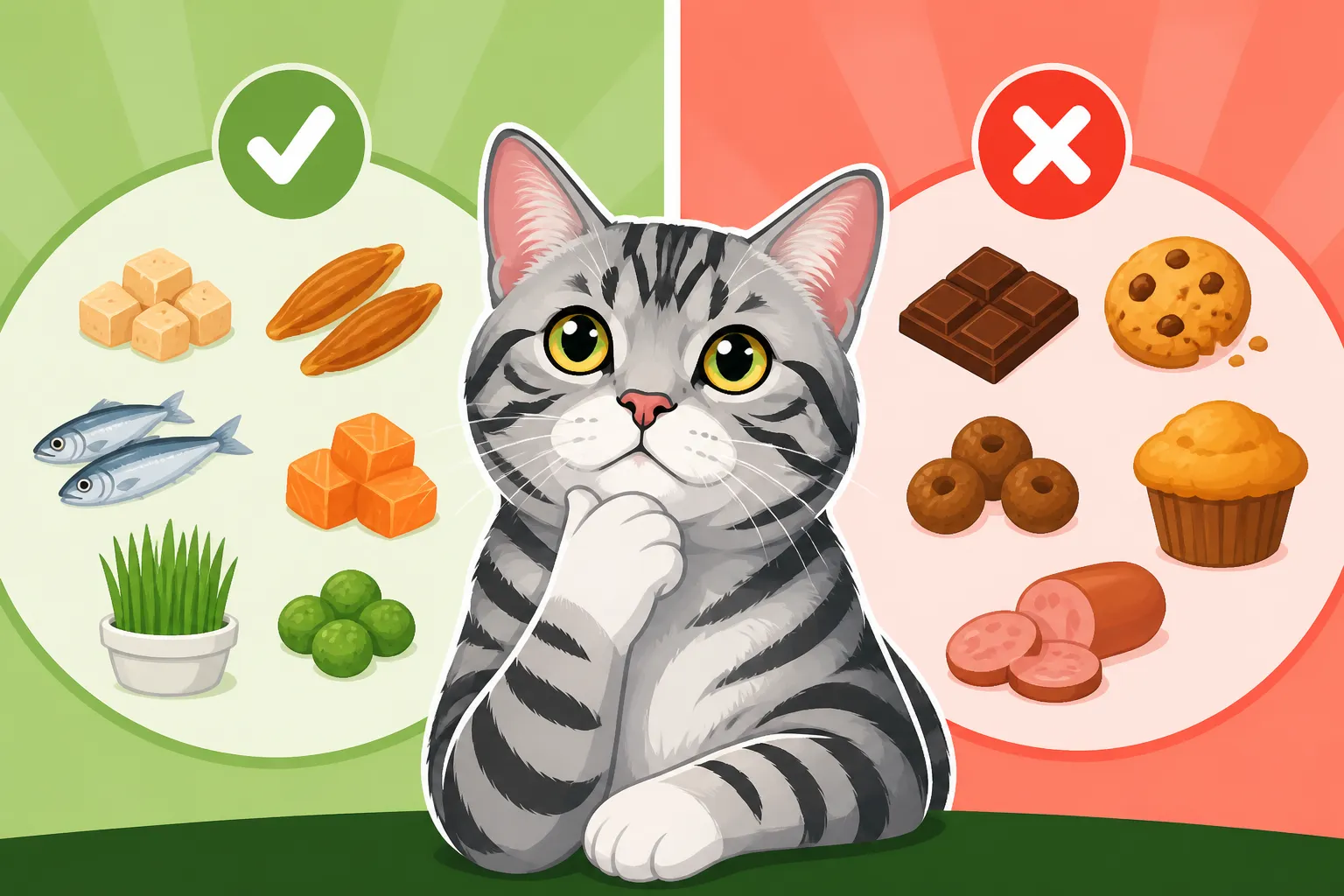
- Commercial Low-Calorie Treats: Many pet food brands now offer specific "light" or low-calorie treat options. These are formulated to be satisfying with fewer calories. Look for brands that prioritize high-quality protein and avoid excessive fillers. Always check the calorie count per treat on the packaging. Stores like Chewy and Amazon often have a wide selection, so you can compare options easily.
- Freeze-Dried Single-Ingredient Treats: These are fantastic because they're typically just one ingredient, like chicken, salmon, or liver, with all the moisture removed. They're usually very palatable and provide a concentrated burst of protein without a lot of added calories or questionable ingredients. Just remember they are potent, so a little goes a long way.
- Cooked Lean Meats: Small, bite-sized pieces of plain, cooked chicken breast, turkey, or fish (without seasoning, bones, or skin) can be a highly desirable treat. These are pure protein and generally very low in fat. The key is small pieces; think the size of your pinky nail, not a whole chunk.
- Certain Vegetables: While many cats aren't keen on veggies, some will surprisingly enjoy a tiny piece of cooked green bean or carrot. These are extremely low in calories and high in fiber. Introduce them slowly and see if your American Shorthair is interested.
- Water as a "Treat": Okay, not a treat in the traditional sense, but offering fresh, appealing water in a fountain or different bowls can be a positive interaction. Some cats are fascinated by running water, and encouraging hydration is always beneficial. How Much Water an American Shorthair Should Drink is vital for overall health.
Remember, even with these healthier options, moderation is still the golden rule.
How to "Treat" Without Adding Calories
Sometimes the biggest "treat" you can offer your American Shorthair isn't food at all. Cats, especially a self-reliant breed like the American Shorthair, appreciate interaction, enrichment, and comfort just as much as, if not more than, an endless supply of edible rewards.
- Interactive Play as a Reward: Nothing engages an American Shorthair's natural instincts quite like a good play session. Use a wand toy that mimics prey to let them stalk, chase, pounce, and "kill." This fulfills their innate hunting drive, provides excellent exercise, and strengthens your bond. It's a high-value reward that costs zero calories. They’ll appreciate the simulated hunt far more than a pile of kibble.
- Affection and Verbal Praise: American Shorthairs might be independent, but they still cherish affection on their own terms. A gentle chin scratch, a quiet stroke down their back, or a soothing verbal affirmation can be a wonderful reward for good behavior. They might not jump onto your lap for constant cuddles, but a moment of calm connection is incredibly valuable.
- Puzzle Feeders as Enrichment: Instead of just putting their measured meal in a bowl, make them work for it! Puzzle feeders, available from retailers like Chewy or Amazon, are fantastic tools. They tap into your cat's intelligence and hunting drive, forcing them to "hunt" for their food by batting it out of crevices or solving a simple puzzle. This turns mealtime into an enriching activity, burning a few extra calories and preventing boredom, which can sometimes lead to overeating. A study into Whether a Puzzle Feeder Satisfies an American Shorthair shows just how effective these can be.
These non-food rewards are excellent ways to bond with your American Shorthair, keep them mentally and physically stimulated, and reinforce positive behaviors without adding a single extra calorie to their diet.
Integrating Treats into a Balanced Diet
The key to successful treat giving is integration, not addition. Treats should be a small, considered part of your cat's overall daily calorie intake, not an afterthought.
First and foremost, treats should never make up more than 10% of your American Shorthair's total daily calories. For a cat needing 200 calories a day, that means a maximum of 20 calories from treats. This might sound small, but it's a critical boundary. If you give treats, you must adjust their main meal portions accordingly. If you give a 10-calorie treat, then you need to remove 10 calories worth of food from their breakfast or dinner. This ensures you're still hitting their target daily calorie count.
Using treats for training can be incredibly effective. Even a reserved American Shorthair can be motivated to learn simple commands or accept nail trims with the right high-value reward. By portioning out a small handful of their daily treat allowance before a training session, you can use these tiny pieces to reinforce desired behaviors. This turns treating into a purposeful activity rather than just a casual handout. This systematic approach ensures that treats serve a purpose beyond just satisfying a craving, making them a tool for enrichment and training rather than a pathway to weight gain.
Here's a quick comparison of various treat types:
| Treat Type | Approximate Calorie Range (per treat/small piece) | Pros | Cons |
|---|---|---|---|
| Small Dry Kibble | 1-2 calories | Readily available, familiar, good for training. | Can quickly add up, often higher in carbs. |
| Freeze-Dried Meat | 2-5 calories | High protein, single ingredient, very palatable. | Can be expensive, easy to overfeed due to high palatability. |
| Commercial Low-Calorie | 2-4 calories | Specifically formulated to be lower in calories, varied flavors. | Still need to read labels carefully, some may contain fillers. |
| Cooked Lean Meat (tiny) | 3-7 calories | Pure protein, natural, highly desirable. | Must be unseasoned and cooked properly, can be messy to prepare. |
| Catnip | 0 calories | Non-caloric, stimulates play and relaxation for many cats. | Not all cats respond, provides no nutritional value, can be messy. |
| Water | 0 calories | Essential for health, can be enriching if offered creatively. | Not a "treat" in the traditional sense, but vital for well-being. How to Tell If an American Shorthair Drinks Enough |
Practical Strategies for Treat Management
Managing treats effectively for your American Shorthair isn't just about choosing the right kind; it's about developing consistent habits and involving everyone in the household. It requires a mindful approach to feeding that respects their health.
Reading Labels and Understanding Ingredients
This might sound obvious, but it's astonishing how many people don't truly scrutinize pet food labels. For treats, it's even more crucial. Don't just look at the front of the package. Turn it over and examine the guaranteed analysis and the ingredient list. Look for treats with whole, identifiable protein sources as the first ingredient. Avoid treats with a long list of unpronounceable ingredients, excessive fillers like corn, wheat, or soy, and artificial colors or preservatives.
Most importantly, pay close attention to the calorie count per treat. This information is usually listed as "kcal per treat" or "kcal per serving." This number is your best friend when trying to stay within your American Shorthair's calorie budget. If a treat is 5 calories, and your cat can only have 20 treat calories a day, that's only four treats. Be realistic about how many you're truly giving and adjust accordingly.
Portion Control and Measuring
Once you've selected appropriate treats and know their calorie count, strict portion control is paramount. It’s easy to eyeball a handful of treats and think it's "just a few," but those few can quickly become too many. Consider keeping your cat's daily treat allowance in a separate, small container or a sealed bag. Each morning, measure out the maximum number of treats your American Shorthair is allowed for the day. Once they're gone, they're gone!
This visual reminder helps prevent accidental overfeeding. For larger treats, you might even need to break them into smaller pieces to make them last longer or to reduce the calorie impact of a single reward. This level of precision might seem a bit obsessive at first, but it's truly the most effective way to ensure treats remain a healthy indulgence rather than a dietary detriment.
Consulting Your Vet for Personalized Advice
As your cat's primary healthcare provider, your veterinarian is an invaluable resource for all things nutrition and weight management. Before making any significant changes to your American Shorthair's diet, especially if they are overweight or have any underlying health conditions, always consult your vet. They can provide a precise calorie target based on your cat's individual needs, activity level, and ideal body condition score.
Your vet can also recommend specific brands or types of treats that are suitable for your cat, particularly if they have allergies, sensitivities, or require a therapeutic diet. If your American Shorthair needs to lose weight, your vet can help create a comprehensive weight loss plan that incorporates appropriate treat strategies. They can guide you through How a Vet Builds an American Shorthair's Weight Loss Plan, ensuring it's safe and effective. Don't hesitate to ask questions or express concerns; your vet is there to help you keep your beloved American Shorthair healthy and happy for years to come.
Getting the Whole Family On Board
Consistency is absolutely critical when it comes to managing your American Shorthair's treat intake. If one family member is meticulously tracking calories and another is freely handing out treats every time they walk past the cat, all your efforts will be undermined. It's a common scenario and a real frustration for many pet owners!
Hold a family meeting and explain the importance of portion control and healthy treat choices. Everyone needs to understand the calorie budget and the types of treats that are acceptable. Show them the measured daily treat allowance and emphasize that when it's gone, there are no more for the day. Consider placing the designated treat container in a common area so everyone can see how many are left. Education and consistent reinforcement among all household members will create a unified front, ensuring your American Shorthair receives appropriate treats without jeopardizing their health. Even for an independent cat, a steady routine is best. Why a Bowl Left Down Ruins an American Shorthair is another good reminder for why everyone in the house needs to be on the same page.
Disclaimer
This article is for general informational purposes only and does not constitute professional advice. Laws, prices and regulations vary by location and change over time. Consult a qualified professional for guidance on your specific situation.