What Losing Teeth Costs an American Shorthair Owner
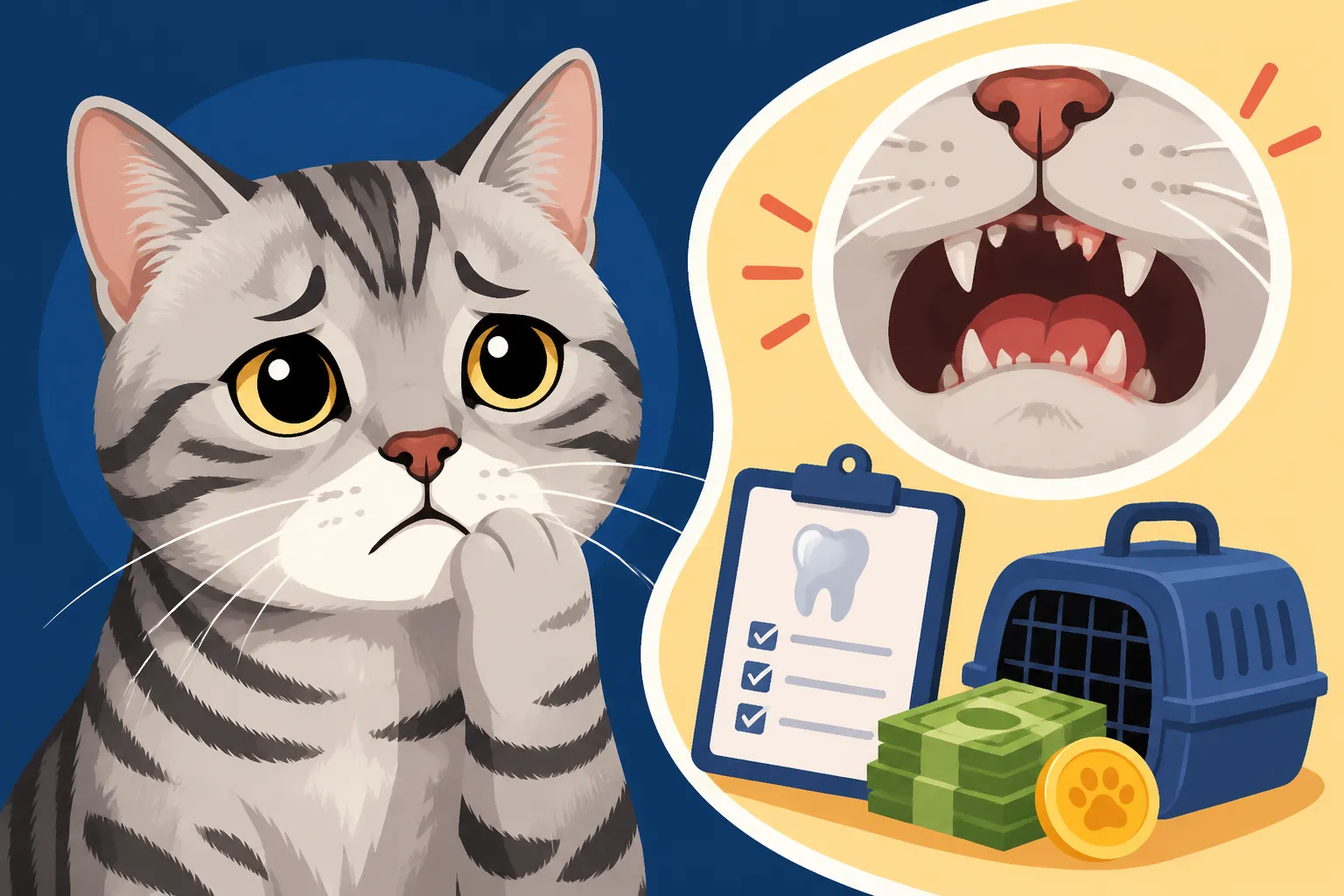
It's heartbreaking to realize your beloved American Shorthair, usually so stoic and independent, has been silently suffering from dental pain. Many of us don't truly grasp the depth of feline dental issues until our vet delivers the news that extractions are necessary. This guide aims to pull back the curtain on the financial realities of dealing with tooth loss in your American Shorthair, helping you prepare for what can be a significant, yet ultimately necessary, investment in your cat's health and comfort.
The Hidden Truth About Feline Dental Health and Your Wallet
When we think of pet care costs, we often picture emergency visits, routine vaccinations, or maybe even managing a chronic condition like diabetes. But dental care? That often flies under the radar until it becomes a serious, and surprisingly expensive, problem. For American Shorthair owners, who often pride themselves on their breed's robust health, the idea of significant dental bills can be a real shock.
Why Dental Issues Are So Common and Costly in American Shorthairs
Cats, by their very nature, are masters of disguise when it comes to pain. An American Shorthair, with its historically independent and self-sufficient disposition, is particularly adept at hiding discomfort, including dental pain. This means that by the time you notice something is amiss – maybe a change in eating habits, bad breath, or reluctance to play with certain toys – the dental disease is often quite advanced. This isn't a reflection of poor care, but rather of a cat's instinct to conceal vulnerability.
The silent progression of dental disease is precisely why it becomes so costly. What starts as a little plaque can quickly escalate into full-blown periodontal disease, bone loss, and ultimately, tooth loss. Because these issues often go undetected for so long, the treatment required is usually more intensive and, consequently, more expensive. It's not just about a simple cleaning anymore; it's about addressing significant damage that has accumulated over months or even years. This quiet suffering and eventual dramatic intervention is a common, frustrating reality for many cat owners. Why Gum Disease Is the American Shorthair's Quietest Problem
The Slippery Slope from Tartar to Tooth Extraction
Think of your American Shorthair's mouth as a tiny ecosystem. When plaque, a sticky film of bacteria, builds up on their teeth, it hardens into tartar. This tartar acts like a magnet for more bacteria, leading to inflammation of the gums, known as gingivitis. This stage is often reversible with a professional cleaning. However, if left untreated, gingivitis progresses to periodontitis, a much more serious condition where the infection spreads below the gumline, attacking the supporting structures of the teeth – the bone and ligaments.
Once periodontitis sets in, it's a downward spiral. Pockets form between the gums and teeth, collecting even more bacteria, leading to further bone loss and eventual loosening of the teeth. At this point, extractions become not just a recommendation, but a necessity to alleviate your cat's chronic pain and prevent the spread of infection to other organs. The cost implications grow with each step down this slope. A routine cleaning is far less expensive than a cleaning that requires multiple extractions. It's a tough pill to swallow, knowing that early intervention could have saved teeth, and certainly saved some dollars.
Breaking Down the Costs of Diagnosing and Treating Tooth Loss
The path to treating significant dental disease in an American Shorthair, especially when tooth loss is involved, isn't a single, straightforward bill. It's a series of costs that add up, each step crucial for your cat's well-being. Understanding these components can help you prepare financially and emotionally.
Initial Vet Visit and Diagnostics: Getting to the Root of the Problem
Before any extractions can happen, your vet needs to fully understand the extent of the damage. This usually starts with a general physical exam, where the vet will check your cat's overall health and get a preliminary look at their mouth. However, a truly thorough oral exam often requires sedation, because no cat, not even a placid American Shorthair, is going to happily let someone probe their sore gums and teeth while wide awake.
Once sedated, the real detective work begins. Dental X-rays are absolutely non-negotiable here. Why? Because over 60% of dental disease in cats lies below the gumline, hidden from plain view. Without X-rays, a vet might only see the tip of the iceberg, missing severely damaged roots, abscesses, or bone loss that could lead to more problems later. These X-rays add to the diagnostic cost, but they are vital for effective treatment planning.
Additionally, pre-anesthetic blood work is usually recommended. This blood panel assesses your American Shorthair's organ function, ensuring they are healthy enough to undergo general anesthesia safely. While American Shorthairs are generally known for their robust health, older cats or those with any underlying conditions might require more extensive testing. This proactive step helps catch potential risks, even for a breed known for its low anesthetic risk, and ensures the procedure is as safe as possible. Why an American Shorthair Is a Low Anesthetic Risk
The Dental Procedure Itself: Cleaning, Extractions, and Anesthesia
This is typically where the bulk of the cost comes in. The most significant component is almost always the general anesthesia. Maintaining your American Shorthair under anesthesia requires constant monitoring by trained veterinary staff, specialized equipment, and medication. The longer the procedure, the more the anesthetic time adds up.
Once safely anesthetized, a professional dental cleaning is performed. This involves scaling off all the tartar above and below the gumline using ultrasonic and hand instruments, followed by polishing the teeth to smooth the surface and make it harder for new plaque to adhere.
Then comes the extractions. The cost per extraction can vary widely depending on the complexity. A single-rooted tooth that is already loose might be relatively straightforward. However, a multi-rooted tooth, like a molar, that is severely fractured or impacted, will require more time, specialized tools, and surgical skill, driving up the individual tooth cost. Some teeth might even require a surgical flap to properly access and extract, followed by sutures. It's not uncommon for an American Shorthair with advanced dental disease to need several extractions, and each one adds to the total bill. This entire process is about eliminating pain and infection, which, while costly, dramatically improves your cat's quality of life.
Post-Extraction Care and Long-Term Management Costs
The dental procedure isn't the finish line; it's the beginning of the recovery and a new chapter of care for your American Shorthair. Just like with human dental surgery, there are follow-up costs and adjustments to ensure a smooth recovery and prevent future issues.
Medication and Recovery at Home
After a dental procedure involving extractions, your American Shorthair will almost certainly be sent home with a course of medication. This typically includes pain medication to keep them comfortable during the initial healing period, anti-inflammatory drugs to reduce swelling, and often antibiotics to prevent or treat any residual infection. These medications are crucial for a smooth recovery and to prevent complications, and their cost will be an addition to the surgical bill.
During recovery, your cat will likely need to eat soft food for a period, perhaps even a specific prescription diet if their mouth is particularly sensitive. You might find yourself stocking up on canned pate-style foods, which can sometimes be more expensive than dry kibble. Online retailers like Chewy often have a wide selection of prescription and specialty soft foods, which can be convenient for home delivery during this time. Remember, the goal is to make eating as easy and painless as possible as their gums heal. Follow-up vet visits are also common to check on healing, remove any sutures if necessary, and ensure your American Shorthair is recovering well. These quick check-ups also come with their own consultation fee.
Adjusting Diet and Ongoing Preventative Care
Once your American Shorthair has fully recovered from their extractions, you might need to make long-term adjustments to their diet, especially if a significant number of teeth were removed. Cats with fewer teeth often fare better on a primarily wet food diet, as it's easier to chew and digest. Exploring high-quality wet food or fresh food options can be beneficial. These diets not only support easier eating but also contribute to better overall hydration, which is a bonus for kidney health in the long run.
Ongoing preventative care is absolutely paramount to avoid repeat costly extractions. While brushing a cat's teeth can be a challenge, even just a few times a week can make a difference. Dental treats, water additives, and specialized dental diets can also play a role, though their effectiveness is often debated and they are certainly not a substitute for professional cleanings. The reality is that once your cat has had dental disease severe enough for extractions, they are more prone to it in the future. Regular dental check-ups, often annually, become even more critical to catch any new issues before they escalate. How Many Dentals an American Shorthair Needs in Twenty Years This proactive approach, while incurring routine costs, is far less expensive than another round of extensive extractions down the line.
Budgeting and Mitigating the Financial Impact
Dealing with significant dental issues in your American Shorthair can feel like a financial punch to the gut. The costs can add up quickly, leaving many owners feeling overwhelmed. However, there are strategies you can employ to both prepare for these expenses and potentially reduce their impact.
Pet Insurance: A Lifeline for Unexpected Dental Bills
One of the most effective ways to buffer the financial shock of unexpected health issues, including serious dental problems, is pet insurance. Providers like Healthy Paws offer policies that can cover a significant portion of the costs associated with accidents and illnesses, which often include dental disease requiring extractions.
It’s crucial to understand what your policy covers. Most pet insurance plans will cover dental procedures that are medically necessary due to injury or illness, like extractions due to severe periodontal disease. However, routine dental cleanings (prophylactic care) are often considered preventative and may only be covered under a separate "wellness plan" add-on, or not at all. This means if you wait until your American Shorthair's teeth are already in crisis, and then try to get insurance, it might be too late – pre-existing conditions are typically excluded from coverage. The key is to enroll your cat in a policy before any dental problems manifest, turning it into a true safety net. Whether Insurers Price the American Shorthair Low
Proactive Care to Avoid Future Costs
While pet insurance helps manage the financial fallout, the best way to save money on dental care is to prevent severe issues from developing in the first place. This requires a commitment to proactive home care and regular veterinary oversight.
Home Dental Care:
- Brushing: Starting early with an American Shorthair kitten makes it easier, but even adult cats can sometimes be trained. Use a cat-specific toothbrush and toothpaste. Even a few times a week can drastically reduce plaque and tartar buildup.
- Dental Treats and Water Additives: While not a magic bullet, certain VOHC (Veterinary Oral Health Council) approved dental treats and water additives can help slow down plaque accumulation. Always check the ingredients and calorie count, especially for an American Shorthair prone to weight gain.
- Regular Oral Checks: Get into the habit of gently lifting your cat's lips to look for signs of redness, swelling, or unusual discoloration on their teeth and gums. Any changes warrant a call to your vet.
Routine Vet Check-ups:
Annual veterinary examinations are absolutely essential. During these visits, your vet will perform an oral check and can spot early signs of dental disease that you might miss. Catching gingivitis before it progresses to periodontitis means treatment might involve a simple cleaning rather than costly extractions. These routine visits, while an expense in themselves, are an investment in preventing much larger future costs. Your vet can also guide you on the best diet to support overall health, including dental health, for your American Shorthair. How Regularly a Healthy American Shorthair Still Needs Checking
Understanding the Financial Picture: A Cost Breakdown
To give you a clearer idea of the various components that contribute to the cost of treating tooth loss in an American Shorthair, here’s a breakdown of potential expenses. Remember, these are general descriptions of typical ranges, and actual costs will vary significantly based on your geographic location, the specific veterinary clinic, the severity of the disease, and the number of extractions needed.
| Cost Component | Description of Range |
|---|---|
| Initial Consultation/Exam | This is the cost for your vet to first assess your American Shorthair's oral health and discuss concerns. It's usually a standard consultation fee. |
| Pre-Anesthetic Blood Work | Essential for assessing organ function and ensuring your cat is a good candidate for anesthesia. The cost varies based on the comprehensiveness of the panel, sometimes higher for senior cats or those with suspected underlying conditions. |
| Dental X-rays | Crucial for evaluating the 60% of dental disease that lies below the gumline. This usually involves taking multiple images of different sections of the mouth, adding to the cost but providing vital diagnostic information. |
| Anesthesia & Monitoring | This is often the largest portion of the bill. It covers the anesthetic drugs, the time your American Shorthair is under sedation, and the continuous monitoring by veterinary staff (ECG, blood pressure, oxygen saturation). Costs will increase with longer procedure times and more complex monitoring needs. |
| Professional Cleaning | Once anesthetized, teeth are scaled (above and below gumline) to remove tartar, then polished to create a smooth surface that resists new plaque buildup. This is a baseline procedure for any comprehensive dental. |
| Tooth Extractions | This is where costs can really fluctuate. A simple, loose tooth extraction will be at the lower end of the range. Complex extractions involving multi-rooted teeth, fractured teeth, surgical flaps, or extensive bone removal will incur higher individual costs due to increased time, skill, and specialized equipment required. The total depends on how many teeth need to be removed. |
| Pain Medication | Post-operative pain relief, usually a course of oral medication given at home for several days. These are typically anti-inflammatory drugs and possibly stronger pain relievers. |
| Antibiotics | Often prescribed to prevent or treat infection, especially if severe periodontal disease or abscesses were present. This is usually a course given for 7-10 days after the procedure. |
| Follow-up Visits | Sometimes required to check healing, remove sutures, or monitor recovery. These usually involve a brief examination fee. |
| Specialty Diet/Soft Food | If multiple teeth are lost, your American Shorthair may need to transition to a softer, more palatable diet, which can sometimes be pricier than standard kibble. This is an ongoing cost to consider for long-term comfort. |
| Dental Home Care Products | Items like cat toothbrushes, enzymatic toothpaste, dental treats, or water additives. These are preventative tools, and their cost is spread out over time. |
Remember, while the immediate costs of extractions can feel daunting, the relief your American Shorthair experiences, and the prevention of further health complications stemming from dental infection, are truly priceless. Investing in their dental health is investing in their overall well-being and a longer, happier life. The Fifteen to Twenty Years the American Shorthair Was Given
Disclaimer
This article is for general informational purposes only and does not constitute professional advice. Laws, prices and regulations vary by location and change over time. Consult a qualified professional for guidance on your specific situation.