What a Black American Shorthair Costs
When you set your heart on bringing a beautiful American Shorthair into your life, it's completely natural to wonder about the financial commitment involved. And if you've been captivated by the sleek elegance of a black American Shorthair, you might even think that specific color carries a unique price tag. The truth is, while certain colors or patterns can influence demand, the overall cost of a black American Shorthair, much like any other color, is actually shaped by a variety of factors far beyond just its stunning dark coat. This guide will walk you through what truly impacts the price you'll pay, both upfront and over the years, ensuring you're fully prepared for this wonderful addition to your home.
Understanding the Breed's Value Beyond Color
It's easy to get drawn in by the visual appeal of a specific coat color or pattern. A solid black American Shorthair is certainly a striking sight, a shimmering midnight shadow moving through your home. However, when it comes to the cost of a pedigree cat, especially a well-established and robust breed like the American Shorthair, the color itself often plays a surprisingly minor role in the grand scheme of things.
Why "Black" Isn't the Primary Price Driver for American Shorthairs
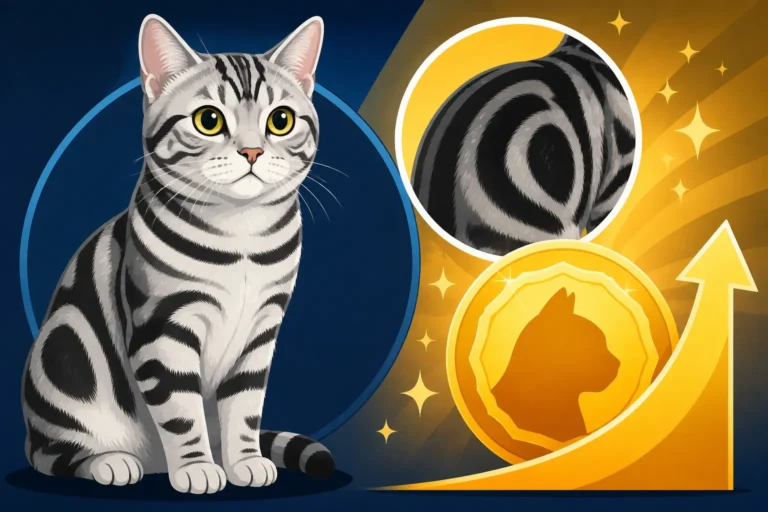
You might notice that certain patterns, like the classic silver tabby, often feature prominently in marketing and show circles, sometimes leading people to believe they're more expensive. While the silver tabby is indeed iconic and popular, commanding attention, a solid black coat holds its own distinct beauty and is fully recognized within the American Shorthair breed standard. The breed isn't known for any color being exceptionally rare or difficult to achieve, meaning that a black American Shorthair isn't inherently more costly simply because of its pigmentation.
Instead, the pricing structure for American Shorthairs, regardless of their color, leans heavily on the foundational qualities that define the breed. They are celebrated for their strong, muscular build, their calm and adaptable temperament, and their generally robust health. These are the characteristics that breeders strive to maintain and improve, and they are what truly dictate the value of a kitten. A beautiful black coat is a bonus, but it's the underlying genetics for health, temperament, and adherence to the breed standard that truly matters. When you're looking at a black American Shorthair, you're looking at all the wonderful traits of the breed, not just a specific pigment. The color is simply one of the many lovely variations. What an American Shorthair Looks Like by the Standard
The Real Factors Influencing a Pedigree Kitten's Price
So, if color isn't the main driver, what is? When you’re looking at a pedigree American Shorthair kitten, several crucial elements contribute to its initial purchase price. These factors reflect the dedication, expense, and care a reputable breeder puts into their program.
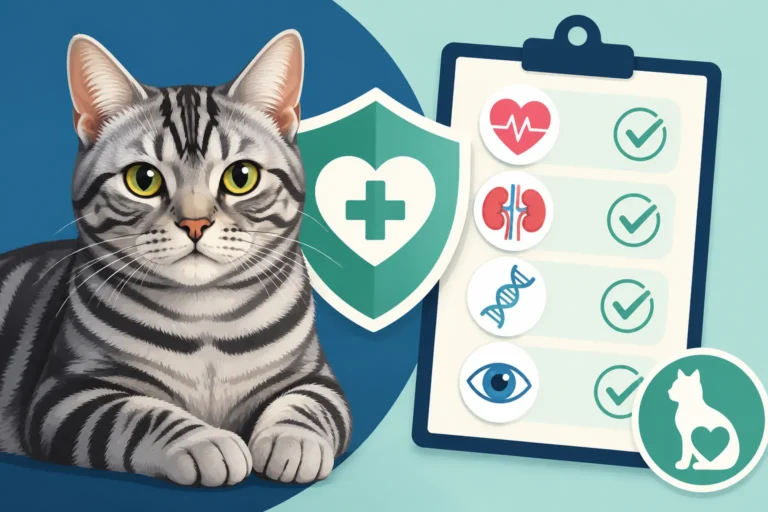
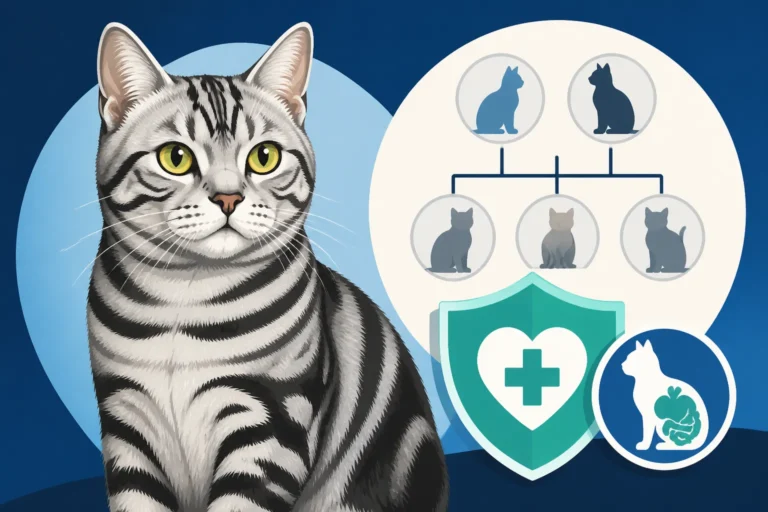
Firstly, the pedigree and lineage of the kitten are hugely influential. A kitten from championship lines, where parents or grandparents have achieved titles in cat shows, will generally command a higher price. This isn't just about bragging rights; it indicates a proven track record of health, conformation to the breed standard, and desirable temperament. Secondly, the breeder's reputation and ethics are paramount. A responsible breeder invests heavily in their cats – providing excellent nutrition, a clean and enriching environment, and extensive veterinary care for the parent cats and kittens. This includes crucial health screening tests for potential genetic conditions that, while rare in American Shorthairs, are still important to monitor, like hypertrophic cardiomyopathy (HCM). These preventative measures ensure you're getting a healthy kitten, which saves you heartache and potentially significant vet bills down the line.
Furthermore, the kitten's quality itself plays a role. Is it deemed "pet quality" or "show/breeding quality"? Pet quality kittens are wonderful companions but might have minor variations from the breed standard that make them unsuitable for the show ring or breeding program. Show quality kittens, being closer to the ideal, naturally have a higher price. Finally, geographic location can also affect pricing due to regional demand and varying costs of living for breeders. Ultimately, the price reflects the immense effort and financial outlay of a dedicated breeder to produce healthy, well-socialized, and true-to-type American Shorthair kittens.
Initial Purchase Price Considerations for a Black American Shorthair
When you decide to welcome a black American Shorthair kitten into your home, the very first cost you'll encounter is the purchase price from a breeder. This isn't just a number pulled out of thin air; it’s a reflection of the significant investment a responsible breeder makes in their cats and the continuation of the breed. It’s important to understand the nuances that contribute to this figure so you can appreciate the value you’re receiving.
Pet Quality vs. Show Quality Costs
One of the most significant differentiators in the initial purchase price for any American Shorthair, including a black one, is whether the kitten is being sold as "pet quality" or "show/breeding quality." Now, let's be clear: a pet quality kitten is every bit as loving, healthy, and deserving of a wonderful home as a show quality one. The distinction lies purely in how closely the individual kitten conforms to the detailed breed standard set by organizations like the Cat Fanciers' Association (CFA).
A pet quality black American Shorthair might have a marking that's slightly off-pattern, or perhaps its eye shape isn't quite perfectly rounded as specified in the standard, or its overall bone structure isn't considered ideal for competition. These are cosmetic details that have absolutely no impact on the cat's health, temperament, or its ability to be a fantastic family member. Breeders often sell these kittens at a lower price point and typically with a spay/neuter contract, meaning you agree to have them sterilized by a certain age, preventing them from being bred.
On the other hand, a show quality black American Shorthair kitten is one that the breeder believes has the potential to excel in the show ring. It possesses exemplary conformation, coat quality, head shape, and overall balance that closely matches the breed standard. These kittens are often sold at a premium because they represent the breeder's success in achieving the breed ideal and have the potential to further the breed's reputation. Sometimes, these kittens are also sold with breeding rights, which carries an even higher cost due to the potential future litters. Most people looking for a companion pet will find a pet quality American Shorthair to be perfect for their needs and budget, providing all the joy of the breed without the show-ring expectations. What a Registered American Shorthair Kitten Costs With Papers
What Your Purchase Price Should Include
When you're paying for a pedigree American Shorthair kitten, that price tag encompasses much more than just the kitten itself. It’s an investment in a carefully bred, well-cared-for, and responsibly started life. A reputable breeder's price typically includes several crucial components that protect both you and the kitten.
Firstly, expect the kitten to come with a comprehensive health check performed by a licensed veterinarian. This usually includes initial vaccinations (like feline distemper and rabies, depending on age and local regulations) and a deworming schedule. Many breeders will also include the cost of microchipping, which is invaluable for identification if your cat ever gets lost. You should receive documentation of these veterinary procedures. Secondly, the price covers the registration papers from a recognized cat association (such as CFA or TICA). This is your official proof that your cat is a purebred American Shorthair. Often, the actual papers are sent to you after you provide proof of spay or neuter, especially for pet quality kittens, as this helps prevent irresponsible breeding. Which Health Results an American Shorthair Breeder Must Show
Beyond these tangible items, your purchase price helps to recoup the breeder's extensive investment in their breeding program. This includes the initial cost of their breeding cats, their ongoing veterinary care (including annual check-ups, specialized screenings for conditions like HCM, and genetic testing), high-quality food, proper housing, and the immense amount of time and effort dedicated to socializing the kittens. A responsible breeder will spend countless hours handling, playing with, and exposing kittens to various sounds and experiences to ensure they are confident, friendly, and well-adjusted. They also provide ongoing support and advice after you take your kitten home. All these elements contribute to a higher upfront cost than, say, adopting a mixed-breed cat from a shelter, but they provide a level of assurance about health, temperament, and lineage that many owners find invaluable. This peace of mind and the solid start a pedigree kitten receives are a significant part of what you're truly paying for.
Beyond the Initial Price Tag: Long-Term Costs
While the initial purchase price of your black American Shorthair is a one-time expense, it's just the beginning of your financial journey with your feline companion. Owning any pet is a long-term commitment, and an American Shorthair, with its impressive lifespan, will incur a range of ongoing costs that thoughtful owners need to budget for. Thinking ahead about these expenses will help ensure you can provide a fulfilling and healthy life for your cat for many years to come.
Ongoing Care and Nutrition
The daily essentials for your American Shorthair might seem small individually, but they certainly add up over the years. Food is a primary and constant expense. Given the American Shorthair's muscular build and potential for a hearty appetite (a holdover from their working cat ancestors), choosing a high-quality, protein-rich diet is crucial for their health and maintaining an ideal weight. While the breed isn't overly prone to specific dietary needs, a balanced diet supports their overall well-being. You’ll find a vast array of options, from dry kibble to wet food, and even fresh or raw diets, available through pet supply retailers like Chewy. The cost will vary significantly based on the brand, type, and portion sizes needed for your cat's activity level and metabolism. What Feeding an American Shorthair by Portion Costs a Month
Beyond food, you'll need regular supplies of cat litter. American Shorthairs are typically excellent with their litter box habits, but a cat of their size and muscle mass will go through a fair amount of litter, so stocking up regularly is a given. Toys are another ongoing cost. While they may not be as demanding as some breeds, American Shorthairs still have a strong prey drive and benefit greatly from interactive play to keep them mentally stimulated and physically active. Replacing worn-out wand toys or puzzle feeders will be a regular occurrence. Don't forget durable scratching posts and cat trees – these are vital for meeting their natural instinct to scratch and climb, and they save your furniture! While an American Shorthair's coat is low-maintenance, you'll still need basic grooming tools like a good quality comb to help manage seasonal shedding. The One Grooming Tool an American Shorthair Owner Buys These aren't just luxuries; they're integral parts of providing a stimulating and healthy environment for your American Shorthair, and budgeting for them from the start prevents financial surprises down the road.
Veterinary Expenses and Health Insurance
Even with the robust health associated with the American Shorthair, veterinary care is an undeniable and significant long-term cost. Routine preventative care is paramount. This includes annual wellness check-ups, which are crucial for catching any potential health issues early, and keeping up with vaccinations and regular parasite prevention for fleas, ticks, and worms. Even an indoor American Shorthair needs these protections, as parasites can hitch a ride into your home on shoes or other pets. How Regularly a Healthy American Shorthair Still Needs Checking
Beyond routine care, there's always the possibility of unexpected vet visits or emergency care. Accidents happen, and cats can develop illnesses despite the best care. These unforeseen circumstances can lead to substantial bills for diagnostics, medications, or even surgery. While American Shorthairs are known for their sound health, they can still be susceptible to common feline ailments like dental disease or kidney issues as they age. This is where pet health insurance can be a real lifeline. Companies like Healthy Paws offer various plans that can help mitigate the financial impact of large, unexpected veterinary expenses, allowing you to focus on your cat's recovery rather than the bill. It’s an investment that many owners find provides immense peace of mind. While American Shorthairs are often cheaper to insure than some breeds due to their generally good health, it's still a wise consideration. Why an American Shorthair Is Cheap to Insure The cost of veterinary care, whether routine or emergency, will be one of the most substantial expenses over the lifespan of your cherished black American Shorthair.
Enrichment and Lifestyle Costs
A well-adjusted American Shorthair thrives with proper enrichment that caters to their natural instincts. This isn't just about throwing a cheap toy mouse their way; it's about investing in their mental and physical well-being. Interactive toys that simulate the hunt are essential for an indoor American Shorthair, helping to satisfy that inherent prey drive. Think wand toys with feathers, or toys that dispense treats when manipulated. Which Toys Finish an American Shorthair's Hunt These might need replacing periodically as they get loved to death!
Vertical space is also incredibly important for these agile cats. Investing in sturdy, tall cat trees, wall-mounted perches, or even simple shelves can provide them with elevated vantage points for observation and exercise. This helps them feel secure and gives them "territory" to patrol from above. If you travel, you'll need to budget for pet sitting or boarding services. While American Shorthairs are generally self-sufficient, they still need care and attention when you're away. The cost will depend on the duration and type of care you choose. Finally, don't forget treats and supplements. While not a daily necessity, high-quality treats can be excellent for training or just showing affection. If your cat needs specific supplements as they age or for particular health needs, these will add to the monthly bill. These enrichment and lifestyle choices ensure your black American Shorthair leads a happy, stimulated life, and they represent a recurring part of the overall cost of ownership. Over their full lifespan, these expenses truly add up. Twenty Years of an American Shorthair, Priced Out
Cost Comparison Table: Initial vs. Ongoing Expenses
To help visualize the financial journey of owning a black American Shorthair, here’s a breakdown of typical cost categories. Remember, these are general estimations, and actual costs can vary widely based on location, choices, and unforeseen circumstances.
| Cost Category | Description | Frequency | Impact on Overall Cost | Key Factors |
|---|---|---|---|---|
| Initial Purchase | Price from a reputable breeder for a pedigree black American Shorthair kitten. | One-time | High | Breeder reputation, kitten's lineage/pedigree, pet quality vs. show quality, included vet checks, vaccinations, microchip, registration. |
| Setup Costs | Carrier, litter box, scratching posts, initial toys, food/water bowls, grooming tools, first bag of food. | One-time | Moderate | Quality of items chosen (e.g., basic carrier vs. premium, large cat tree vs. small), number of items, initial stock of food. |
| Food & Treats | High-quality wet and/or dry food, occasional treats. | Monthly | High | Brand quality, type of food (kibble, wet, fresh), cat's size and activity level, presence of special dietary needs (e.g., prescription food). |
| Cat Litter | Regular supply of cat litter. | Monthly | Moderate | Type of litter (clumping, silica gel, natural), cat's litter box habits, number of litter boxes. |
| Routine Vet Care | Annual check-ups, vaccinations, parasite prevention (flea, tick, worming). | Annually | Moderate | Location of vet, specific vaccines required, type of parasite prevention (oral, topical), any required blood tests for senior cats. |
| Pet Insurance | Monthly premiums for health insurance coverage. | Monthly | Moderate | Chosen plan (accident only, accident & illness), deductible, reimbursement percentage, age of cat, pre-existing conditions. |
| Toys & Enrichment | Replacing worn-out toys, puzzle feeders, catnip. | Bi-monthly/As needed | Low-Moderate | Cat's playfulness, durability of toys, variety of enrichment desired. |
| Miscellaneous | Pet sitting/boarding, emergency fund, unexpected repairs (e.g., scratched furniture). | As needed | Variable/Potentially High | Frequency of travel, duration of boarding, unforeseen health issues or accidents, extent of damage to household items. |
| Dental Care | Professional dental cleanings, potentially extractions. | Every few years | Moderate-High | Cat's genetics, diet, success of at-home dental care, severity of dental disease. |
| Senior Care | More frequent vet visits, specialized diets, medications for age-related conditions (e.g., arthritis). | Annually (in later life) | High | Development of chronic conditions, need for prescription medications, frequency of veterinary monitoring. |
This table really drives home that while the initial price is a hurdle, the consistent, ongoing costs are what truly shape your long-term financial commitment. Being prepared for these expenses ensures a stable and happy home for your beloved American Shorthair.
Disclaimer
This article is for general informational purposes only and does not constitute professional advice. Laws, prices and regulations vary by location and change over time. Consult a qualified professional for guidance on your specific situation.