Whether Papers Are the Only Proof of an American Shorthair
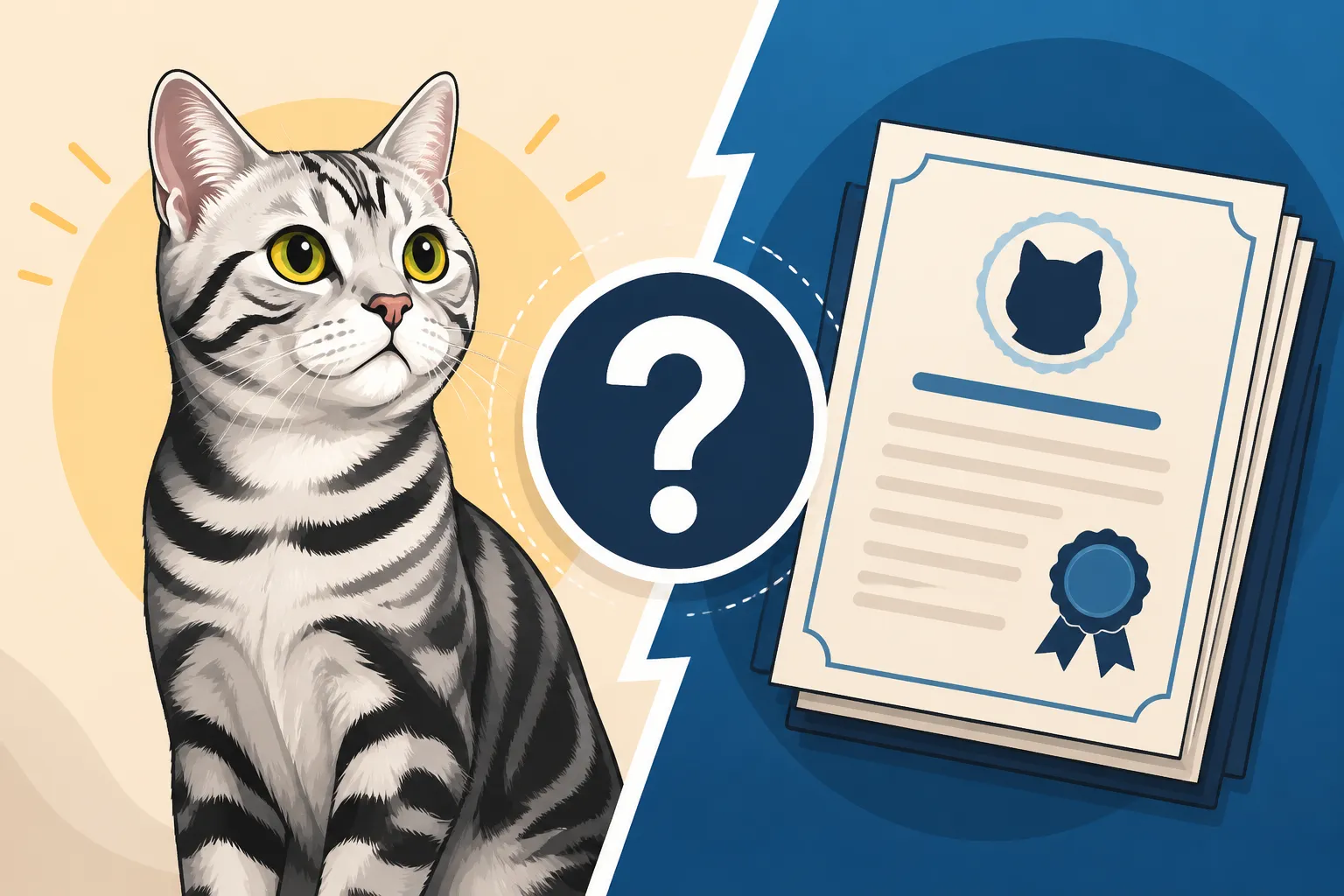
It's incredibly common to look at a beautiful tabby cat, especially one with that classic sturdy build, and wonder if you've stumbled upon an American Shorthair. And when you hear the term "papers," it can feel like some mysterious, definitive document that instantly separates the purebred from the beloved domestic cat. But the truth is, the world of purebred cat identification goes far beyond a single piece of paper, and this guide is here to untangle the nuances, showing you what truly constitutes proof of an American Shorthair.
The Role of Pedigree Papers and Registration
When you're trying to determine if a cat is a true American Shorthair, pedigree papers are often the first thing that comes to mind. It's a natural assumption, as these documents are widely recognized in the world of purebred animals. However, it's crucial to understand what these papers represent and, more importantly, what they don't inherently guarantee on their own.
What Official Registration Actually Means
Official registration means that a cat's lineage has been recorded and recognized by a reputable cat fancy association, such as the Cat Fanciers' Association (CFA) or The International Cat Association (TICA). These organizations maintain databases of purebred cats, tracking their ancestry over generations. When a kitten is registered, it essentially receives an official birth certificate that details its parents, grandparents, and often even further back, along with their unique registration numbers. This documentation is invaluable for ethical breeders who use it to meticulously track bloodlines, ensure genetic diversity within the breed, and work towards improving the breed's health and adherence to the established standard.
For a breeder, this record-keeping is foundational. It allows them to avoid close inbreeding, which can lead to genetic health problems, and helps them ensure that their breeding cats are truly within the established lineage of the American Shorthair. This isn't just about exclusivity; it's about responsible breeding practices aimed at maintaining the health and integrity of the breed. Without this structured approach to registration, the concept of a "purebred" would quickly dissolve into guesswork.
The Limitations of "Papers" as Sole Proof
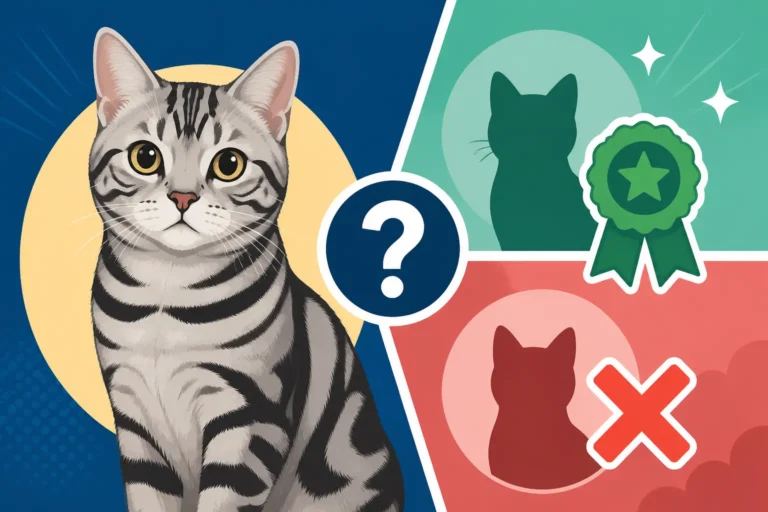
While undeniably important, simply having "papers" isn't always the sole, irrefutable proof you might imagine. There's a common misconception that a piece of paper alone is a magical certificate of authenticity. Unfortunately, the internet is rife with stories of people being sold "purebred" kittens with forged or fraudulent papers, or even papers from a different breed altogether. The reality is, if the papers aren't backed by a legitimate, verifiable registry and the breeder's ethical practices, they're essentially just fancy pieces of stationery.
Visual similarity can also be incredibly misleading. American Shorthairs, being a natural breed derived from working cats, often share a striking resemblance to many domestic shorthair tabbies. Their robust build, classic tabby patterns, and generally pleasant demeanor are traits you can find in many mixed-breed cats. Without deeper verification, someone could easily present a well-marked domestic tabby as an American Shorthair, complete with dubious "papers." This is why simply seeing a document isn't enough; you need to understand its context and validity.
Understanding a Legitimate American Shorthair Pedigree
A legitimate American Shorthair pedigree is a multi-generational document that outlines the cat's family tree, typically going back at least three to five generations. Each cat listed on the pedigree should have its full registered name, registration number, color, and sometimes even show titles. This transparent chain of ancestry is the backbone of purebred identification. It shows a clear, unbroken line of registered American Shorthairs, all adhering to the breed standard. Which Generations an American Shorthair Pedigree Must Show
When you're interacting with a reputable breeder, they should be eager and proud to share these pedigrees with you, often offering to show the papers for the kitten's parents right then and there. This isn't a secret document; it's a testament to their dedication to the breed and their transparency. A breeder who hesitates or makes excuses about providing a detailed, verifiable pedigree should raise a significant red flag. It's not just about the kitten you're considering, but also about the integrity of the entire breeding program.
Beyond Paperwork: Other Forms of Proof and Assurance
While official papers are a cornerstone, they're part of a larger puzzle. True proof of an American Shorthair involves looking at the complete picture, from the breeder's practices to the cat's physical and behavioral traits, and even its health history.
The Importance of Breeder Verification
A reputable breeder is arguably your best assurance when acquiring an American Shorthair. These individuals are deeply invested in the breed's health, temperament, and adherence to the standard. They don't just sell kittens; they meticulously plan matings, raise their cats in a clean and stimulating environment, and actively participate in cat fancy communities. When you engage with a breeder, you should be asking a lot of questions – not just about the kitten, but about their overall program. Inquire about their health testing protocols, how long they've been breeding, and if they show their cats. How to Find an American Shorthair Breeder Worth Paying For
Visiting the cattery, if possible, is incredibly important. This allows you to observe the living conditions, meet the kitten's parents (at least the mother, and ideally the father if he lives on-site), and assess their temperament firsthand. A good breeder will welcome your visit and openly discuss their practices. They'll also provide a comprehensive contract that outlines health guarantees, responsibilities, and often a spay/neuter agreement, which further protects both you and the cat. This level of transparency and commitment goes far beyond simply handing over a piece of paper.
Physical Conformation and Breed Standards
The physical characteristics, or conformation, of an American Shorthair are defined by a detailed breed standard. This standard describes everything from the shape of their head and ears to the length of their tail and the texture of their coat. American Shorthairs are known for their robust, well-muscled build, a broad chest, a medium-length tail, and a distinctive round face with full cheeks and large, widely set eyes. Their coat is short, dense, and slightly stiff, designed to protect them from the elements. What an American Shorthair Looks Like by the Standard
Comparing a potential American Shorthair to this standard can offer significant "proof" that goes hand-in-hand with paperwork. While individual cats will have slight variations, a true American Shorthair will exhibit the key features of the breed. For instance, if a cat has an unusually slender body, overly large ears, or a very soft, plush coat, it might not truly be an American Shorthair, even if questionable papers are presented. Understanding these physical markers helps you recognize the breed's unique attributes and differentiate it from a domestic cat that merely shares a similar coloring, like a tabby pattern. How to Tell an American Shorthair From a Tabby Moggy
Temperament and Behavioral Traits
Beyond their looks, American Shorthairs possess a distinct temperament forged by centuries of working alongside humans. They are known for being placid, adaptable, good-natured, and generally quiet cats. They are not typically "lap cats" in the demanding sense, preferring to be near their human companions rather than constantly on them, but they are affectionate and enjoy interaction. Their history as mousers means they often retain a strong prey drive, which manifests in playful hunting behaviors, even indoors. The American Shorthair Still Hunts, Whether You Want It To or Not
When evaluating a cat, observe its behavior. Does it seem overly shy or aggressive, or is it confident and curious without being clingy? Does it tolerate children and other pets well? A true American Shorthair tends to be quite resilient and unfazed by household commotion, a trait that makes them excellent family pets. Why an American Shorthair Suits a First Time Owner These behavioral patterns, when consistently present and combined with appropriate physical traits and documentation, offer another layer of proof that you're looking at a genuine American Shorthair, rather than just any cat with a tabby coat.
Health Clearances and Genetic Testing
One of the most compelling forms of proof, and one that often separates a true purebred American Shorthair from a random-bred cat, lies in comprehensive health clearances and, increasingly, genetic testing. These measures aren't just about ensuring a healthy pet; they're indicators of a breeder's commitment to the breed's long-term well-being and a solid form of verification.
Health Screening as a Key Indicator
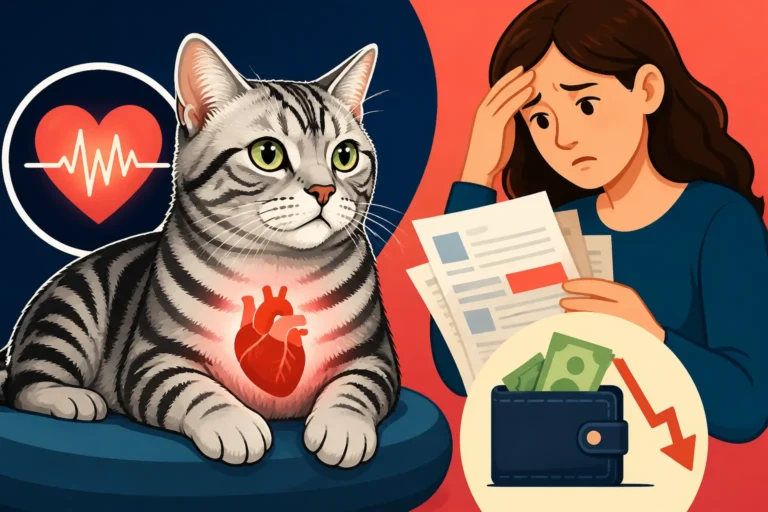
Reputable American Shorthair breeders will diligently screen their breeding cats for inherited health conditions known to affect the breed. The most significant of these is Hypertrophic Cardiomyopathy (HCM), a common heart disease in many cat breeds. While American Shorthairs are generally healthy, HCM is one inherited disease they still carry. HCM Is the One Inherited Disease the American Shorthair Kept Responsible breeders will have their breeding cats undergo regular cardiac ultrasounds (echocardiograms) by a board-certified veterinary cardiologist to check for signs of HCM. They should also screen for other potential issues like hip dysplasia, given their sturdy build. Which Health Results an American Shorthair Breeder Must Show
This proactive health screening isn't cheap, and it’s a strong indicator of a breeder's integrity. They invest in these tests to ensure they are producing healthy kittens and to protect the future of the breed. When a breeder provides clear, verifiable health certificates for the parents of a kitten, it serves as powerful proof of their commitment to ethical breeding and the lineage of their cats. It's a layer of assurance that goes far beyond any basic paper document. You can even consider pet insurance like Healthy Paws after bringing home a well-vetted American Shorthair, knowing that you've done your due diligence in selecting a healthy companion.
The Value of Genetic DNA Testing
In recent years, genetic DNA testing has become another valuable tool in confirming breed identity and identifying specific genetic mutations for inherited diseases. While not every American Shorthair trait has a single gene marker that definitively says "this is an American Shorthair," DNA tests can confirm certain breed characteristics and, importantly, rule out common genetic diseases. For example, some tests can screen for known mutations linked to HCM or other conditions that might exist in the broader cat population. Whether a DNA Test Confirms an American Shorthair
It's important to understand that a DNA test doesn't replace a traditional pedigree. Instead, it complements it. A genetic test might confirm a cat carries certain markers consistent with the American Shorthair breed, but it won't typically generate a multi-generational family tree like a pedigree does. For example, a random-bred domestic shorthair could potentially share some genetic markers with an American Shorthair due to their common ancestry. However, when a DNA test is combined with a verifiable pedigree, physical conformation, and a reputable breeder, it strengthens the overall proof significantly. It offers a scientific backup to the documented lineage.
Long-Term Health Records and Veterinary Insight
For an older cat, especially one adopted from a rescue, comprehensive veterinary records can offer valuable insights. While these records won't include a pedigree, they can detail the cat's physical characteristics noted by a vet, any past health issues, and even the vet's informal assessment of breed type. A veterinarian who is familiar with many cat breeds might be able to offer an educated opinion on whether a cat strongly exhibits American Shorthair traits, even without official papers.
Sometimes, a rescue organization might have background information on the cat's previous home, indicating it came from a known breeder, even if the original papers were lost or never transferred. While this isn't definitive proof, it adds to the overall picture. These records, along with ongoing veterinary care, are crucial for any cat owner, regardless of pedigree, but they can be particularly helpful in piecing together the story of an American Shorthair whose initial documentation might be incomplete.
Common Misconceptions and Red Flags
Navigating the world of purebred cats can be tricky, and there are several pitfalls to avoid when trying to establish the authenticity of an American Shorthair. Understanding common misconceptions and knowing what red flags to look for can save you a lot of heartache and ensure you're making an informed decision.
The "Looks Like" Trap
This is perhaps the biggest pitfall for anyone interested in an American Shorthair: the "looks like" trap. Many, many domestic shorthair cats, particularly tabbies, bear a striking resemblance to American Shorthairs. They can have a similar sturdy build, appealing patterns, and sweet dispositions. It's easy to see a cat in a shelter or online and think, "That's definitely an American Shorthair!" But appearance alone is simply not enough to confirm pedigree. How to Tell an American Shorthair From a Tabby Moggy
The American Shorthair evolved from common working cats, meaning many of their defining characteristics are also found in the general cat population. Breeders spent years selecting for specific traits and standardizing the look and temperament, but the foundational genetics are still quite prevalent. Therefore, never rely solely on a cat's appearance as proof of its breed. Without the backing of a verifiable pedigree and the other layers of assurance we've discussed, a "looks like" cat is simply a very handsome domestic shorthair, not a registered American Shorthair.
"Backyard Breeders" and Unregistered Cats
A major red flag is encountering what's often referred to as a "backyard breeder." These individuals might claim to have purebred American Shorthair kittens, but they cannot provide proper registration papers or health clearances. They might tell you the parents are "purebred but not registered" or that "papers cost extra." This is a huge warning sign. A truly reputable breeder registers all their litters and breeding cats with the appropriate cat fancy association. The cost of registration is minimal compared to the overall investment in ethical breeding.
Cats from backyard breeders are often cheaper, which can be tempting, but this lower initial cost often comes at a much higher price in the long run. Without proper health screening, these kittens are at a higher risk for inherited diseases. Without proper lineage tracking, you have no way to verify their breed or genetic background. Whether an American Shorthair Under Three Hundred Is Real You're essentially paying a premium for a cat that has no more verifiable pedigree than a shelter cat, but without the benefit of a shelter's spay/neuter, vaccinations, and often a lower adoption fee.
The Importance of a Purchase Contract
When acquiring a purebred American Shorthair from a reputable breeder, a detailed purchase contract is an essential piece of "proof" and protection. This isn't just a receipt; it's a legally binding document that outlines the responsibilities of both the buyer and the seller. A good contract will include:
- Health Guarantee: This specifies a period during which the breeder guarantees the kitten's health, often covering inherited diseases or immediate post-purchase health issues.
- Spay/Neuter Clause: For pet-quality kittens, the contract will almost certainly require you to spay or neuter the cat by a certain age, preventing unregistered breeding.
- Return Policy: Reputable breeders will always have a clause stating that if you can no longer keep the cat, it must be returned to them, ensuring the cat never ends up in a shelter.
- Microchip Information: Often, the kitten will be microchipped before going home, and this information will be included.
This contract provides a layer of legal and ethical proof. It shows that the breeder stands behind their cats and is committed to their welfare. Without such a contract, you have very little recourse if issues arise, and it speaks volumes about the breeder's lack of professional standards. The absence of a clear, comprehensive contract is as much a red flag as the absence of proper papers.
| Proof Component | "Papers Only" Approach | Comprehensive Verification Approach |
|---|---|---|
| Pedigree Papers | A single document provided, possibly without context. | Multi-generational, verifiable documents from a recognized registry (CFA, TICA), showing full lineage with registration numbers. Breeder readily provides copies. Whether an American Shorthair Kitten Comes With Papers |
| Breeder Reputation | Minimal interaction, no questions asked. | Reputable breeder with positive references, active in cat fancy, transparent about practices. Allows visits, shows parents. How to Find an American Shorthair Breeder Worth Paying For |
| Health Clearances | No information or vague claims about health. | Verifiable health test results for breeding parents (e.g., HCM echocardiograms, hip scores). Clear understanding of potential breed-specific health issues. HCM Is the One Inherited Disease the American Shorthair Kept |
| Genetic Testing | No mention of DNA tests. | DNA tests for common breed-specific conditions or breed markers used to complement pedigree. Whether a DNA Test Confirms an American Shorthair |
| Physical Conformation | Relies purely on visual "looks like" assessment. | Cat's appearance consistently matches the detailed breed standard (head shape, body type, coat, eye color, etc.). What an American Shorthair Looks Like by the Standard |
| Temperament | Assumed based on appearance or general cat behavior. | Cat exhibits characteristic American Shorthair traits: placid, adaptable, friendly but independent, strong prey drive. Why an American Shorthair Suits a First Time Owner |
| Purchase Contract | No contract or a very basic, uninformative agreement. | Detailed, legally binding contract outlining health guarantees, spay/neuter requirements, return policy, and other protections. |
| Price | Often suspiciously low for a claimed purebred. | Reflects the significant investment in health testing, quality care, and ethical breeding practices. What a Registered American Shorthair Kitten Costs With Papers |
Disclaimer
This article is for general informational purposes only and does not constitute professional advice. Laws, prices and regulations vary by location and change over time. Consult a qualified professional for guidance on your specific situation.