Why The American Shorthair Needs Fewer Tests Than Most
Many prospective cat owners worry that bringing a purebred cat into their home will mean a lifetime of costly, complex veterinary care and endless genetic testing. It's a completely valid concern, especially with so many breeds facing specific predispositions. But when it comes to the American Shorthair, you'll find a refreshing exception, a breed whose inherent robustness means a much simpler, less test-heavy veterinary journey than many other pedigrees.
The Foundation of Good Health: A Working Cat's Legacy
The American Shorthair's remarkably clean bill of health isn't some happy accident; it's a direct result of their historical purpose. These cats weren't originally bred in fancy catteries for specific aesthetic traits like ultra-flat faces or extreme coat lengths. Instead, they were the hard-working, no-nonsense mousers that sailed with explorers across oceans and protected settlers' harvests on farms across North America. Their very survival depended on being sturdy, intelligent, and free from debilitating health issues.
Imagine a ship's cat on a long voyage: if it had a genetic predisposition to a weak immune system, or a respiratory problem, it wouldn't have survived the harsh conditions, let alone effectively kept the rat population in check. The same applies to farm cats. Only the fittest, healthiest individuals thrived and reproduced, naturally selecting for traits that promoted longevity and resilience. This natural selection process, driven by environmental pressures rather than human aesthetic preferences, created a truly hardy breed. It's why the American Shorthair is often used as a benchmark for what a cat should be, health-wise. This fundamental difference in their origin story is key to understanding Whether a Landrace Origin Explains the American Shorthair's Health. They are, in essence, the control group of cat breeding, showing what happens when function, not form, dictates development.
Contrast this with many modern breeds, where intense selective breeding for particular looks has sometimes inadvertently amplified genetic predispositions to certain conditions. A cat with a slightly pushed-in nose might look cute to some, but it can lead to lifelong breathing difficulties. A luxuriously long coat might win ribbons, but it can also hide severe hip issues or require constant, specialized grooming to prevent painful matting. The American Shorthair bypassed these pitfalls because its value was in its ability to do a job, not just look a certain way. This means fewer inherent vulnerabilities that would necessitate a battery of specific tests.
A Broad and Open Gene Pool
Another crucial factor in the American Shorthair's impressive health profile, and thus their reduced need for extensive genetic testing, is their remarkably broad and open gene pool. Unlike many pedigreed breeds that originated from a very small number of founder cats and subsequently had their gene pools tightly closed, the American Shorthair's roots are far more expansive.
When the breed was first established and recognized, the registry books weren't immediately slammed shut. For many years, healthy, domestic shorthaired cats that met the physical description and temperament of the emerging American Shorthair standard could be registered into the breed. This practice effectively brought in fresh genetic material from the general cat population, continuously diluting any potential build-up of harmful recessive genes. This openness meant that any problematic genetic mutations that might have existed in a smaller founding population were less likely to become widespread or homozygous within the breed. It kept the overall genetic diversity high, acting as a natural buffer against inherited diseases. If you're curious about this, reading about How Wide the American Shorthair's Gene Pool Really Is provides excellent context.
Many other breeds, in their pursuit of highly specific traits or to maintain a "pure" lineage, have deliberately narrowed their gene pools. While this can lead to very consistent looks, it also increases the risk of certain recessive genetic conditions becoming common. If two cats carrying the same problematic gene are bred, there's a higher chance their offspring will inherit two copies and manifest the disease. With the American Shorthair, the continuous influx of new blood helped prevent these genetic bottlenecks, contributing to their robust health. It's a testament to the wisdom of allowing nature to guide a significant portion of their early development. Even today, the integrity of this broad genetic base is often a topic of discussion among breeders and enthusiasts alike, asking Whether the American Shorthair Gene Pool Is Still Open to new registrations.
Minimal Inherited Disease Concerns
When you look at the landscape of purebred cat health, you'll find that many breeds come with a laundry list of specific inherited conditions that breeders screen for rigorously. Owners are often advised to conduct DNA tests for everything from polycystic kidney disease (PKD) to progressive retinal atrophy (PRA), and even neurological disorders. For the American Shorthair, this list is blessedly short, which is a huge relief for owners and their wallets.
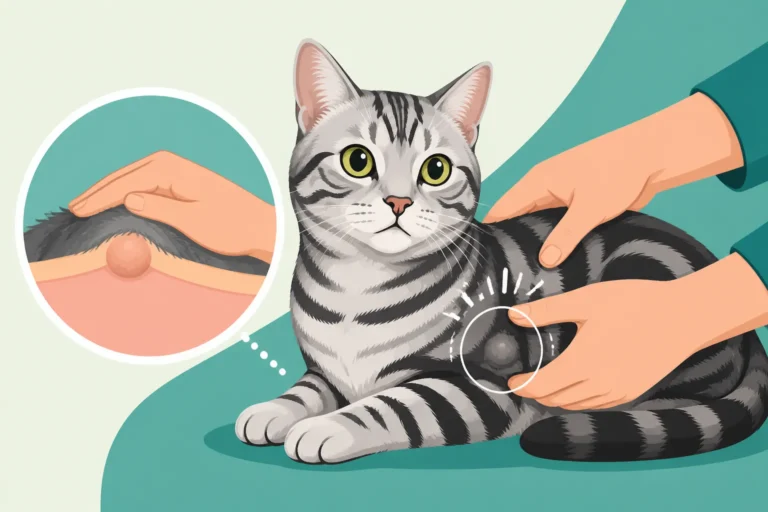
The most notable inherited health concern in the American Shorthair, and it’s still relatively rare compared to its prevalence in some other breeds, is Hypertrophic Cardiomyopathy (HCM). HCM is a heart condition that causes the muscular walls of the heart to thicken, impairing its function. While it’s the HCM Is the One Inherited Disease the American Shorthair Kept, it's not nearly as widespread or aggressive as in breeds like the Maine Coon or Ragdoll. Furthermore, the way we screen for HCM in American Shorthairs is different. For many breeds, a DNA test exists that can identify carriers or affected cats. However, for American Shorthairs, the inheritance pattern of HCM is complex, and a single gene test isn't reliable for diagnosis. This means that a clean bill of health regarding HCM truly relies on regular echocardiograms (heart scans) performed by a board-certified veterinary cardiologist. That’s why Why a Gene Test Cannot Clear an American Shorthair's Heart is a critical piece of information for any potential owner.
This reliance on echocardiograms, while requiring a specialist, actually provides a more direct assessment of heart health than a genetic test alone, which only indicates a predisposition. An echo shows the physical condition of the heart, irrespective of genetic markers. This also means fewer routine genetic tests are needed for American Shorthairs overall, as the focus shifts to direct diagnostic imaging when there’s a concern, or as part of a responsible breeding program. It simplifies the initial screening process for pet owners considerably, removing the need for costly and sometimes inconclusive DNA panels that are common for other breeds. Understanding Why an Echo Beats a Gene Test in an American Shorthair is key to appreciating the American Shorthair's unique situation regarding HCM.
What Tests an American Shorthair Does Need And Why They're Routine
While the American Shorthair is a poster child for good health and minimal breed-specific genetic testing, it’s crucial to remember that every cat, regardless of breed, needs regular veterinary care. The tests an American Shorthair will undergo are, for the most part, the same routine diagnostics recommended for any feline companion, focusing on preventative care and monitoring overall wellness rather than hunting for an obscure inherited defect.
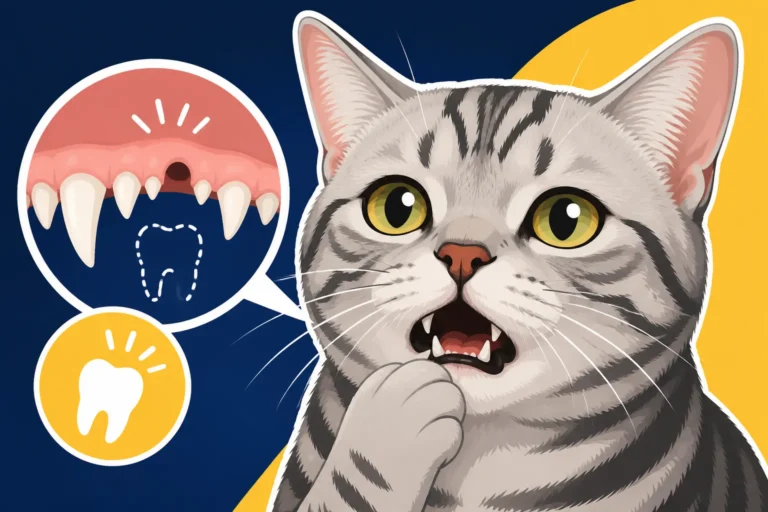
Think about it: regular check-ups are the cornerstone of keeping any pet healthy. For your American Shorthair, this means annual wellness visits, especially as they get older. During these visits, your vet will perform a thorough physical exam, checking their teeth, ears, eyes, and listening to their heart and lungs. These are not American Shorthair-specific tests, but fundamental elements of general pet health. Discussions around vaccinations, parasite prevention (for fleas, ticks, and worms), and dental health will be standard. Regular dentals, for example, are crucial for a long-lived cat. You might be surprised How Many Dentals an American Shorthair Needs in Twenty Years. These are common needs for all cats, not due to an American Shorthair flaw.
As your American Shorthair gracefully ages – and many live exceptionally long lives, often well into their late teens or even longer – the vet might recommend routine bloodwork and urinalysis as part of their senior care panel. These tests help catch common age-related conditions like kidney disease, thyroid issues, or diabetes early, which is vital for effective management and maintaining quality of life. Again, these are not breed-specific tests but simply good practice for Caring for an American Shorthair Past Twelve. Having a good pet insurance plan, like those offered by Healthy Paws, can be incredibly helpful for covering these routine wellness checks and any unexpected illnesses that may arise, giving you peace of mind that you're prepared.
The fact that an American Shorthair typically needs fewer breed-specific tests often translates to lower veterinary costs over their lifetime compared to some other pedigrees. This doesn't mean they're immune to illness, but rather that their baseline health is stronger, reducing the need for specialized, expensive screenings. For instance, you'll often find that Why an American Shorthair Costs a Vet Less Than a Persian is a common refrain among owners. This inherent robustness also often leads to Whether Insurers Price the American Shorthair Low, as the actuarial risk is lower. Still, even with a healthy breed, having a safety net like Healthy Paws can mean you never have to make difficult decisions based on finances alone. Ultimately, the limited need for extensive breed-specific testing for the American Shorthair is a testament to their naturally robust constitution, making them an excellent choice for those seeking a healthy, low-maintenance companion.
| Type of Test | American Shorthair Need? | Why? | Other Breeds May Need |
|---|---|---|---|
| Breed-Specific DNA Panels | Rarely | Broad gene pool, natural selection for health. Few known widespread genetic issues. | PKD, PRA, MPS, PKDef |
| HCM Echocardiogram | Yes (for breeders) / As advised by vet (for pets) | Only major inherited concern, but complex inheritance means echo is primary diagnostic tool. Less common than in some breeds. | Yes, often with DNA tests |
| Hip Dysplasia X-rays | Rarely | Strong, functional build. Not known for widespread hip issues. | Maine Coon, Persian |
| Annual Wellness Exams | Absolutely | Essential preventative care for all cats, covering vaccinations, parasite control, and general health monitoring. | Absolutely |
| Senior Bloodwork | Yes (over 7-10 years) | Routine screening for age-related conditions like kidney disease, hyperthyroidism, and diabetes, common in all older cats. | Yes |
| Dental Checks | Absolutely | Crucial for preventing gum disease and tooth resorption, which can affect any cat and impact overall health. | Yes |
Disclaimer
This article is for general informational purposes only and does not constitute professional advice. Laws, prices and regulations vary by location and change over time. Consult a qualified professional for guidance on your specific situation.