How to Tell If an Old American Shorthair Has Gone Deaf
It's incredibly tough watching our beloved American Shorthairs get older, isn't it? They've been such constants in our lives, and when they start to show signs of aging, like not responding to their names or even seeming a bit disoriented, it can really tug at your heartstrings. One common, yet often overlooked, change is hearing loss. This guide will help you understand how to recognize if your older American Shorthair is going deaf, what you can do at home to observe their hearing, and when it's time to bring your concerns to the vet.
Recognizing Subtle Signs of Hearing Loss in Your Senior American Shorthair
As our American Shorthairs age, their senses can naturally start to dull. Just like humans, a cat's hearing might not be as sharp as it once was, and this change can be incredibly gradual, making it difficult to pinpoint exactly when it started. It's not usually an overnight event, but rather a slow progression that can easily be mistaken for other age-related quirks or even just a cat being, well, a cat.
The Gradual Nature of Age-Related Deafness
Picture your once spry American Shorthair, always at the door when you pull into the driveway, or suddenly appearing the moment the treat bag crinkles. Now, imagine those moments slowly fading. They might still meet you at the door, but it's because they saw your car, not because they heard it. This is the subtle creep of presbycusis, or age-related hearing loss, which is common in many senior animals. You might find yourself having to speak louder, or call their name multiple times, before they even register your presence. It's easy to just assume they're being aloof, which American Shorthairs can certainly be, but it could be the first whisper of hearing loss.
It's a frustrating situation because you want to help, but the signs are so indistinct at first. They're still active, still eating, still enjoying a good nap in a sunbeam, so you might dismiss the occasional non-response. But over time, you might notice they sleep through noises that would have once jolted them awake – a dropped pan, the doorbell, or even the dog barking next to them. This gradual decline makes it a real challenge for us owners to identify, and it's why keen observation is so crucial. Keep an eye on how your furry friend interacts with familiar sounds around the house.
Behavioral Changes to Watch For
When hearing loss progresses, certain behavioral shifts become more noticeable. One of the most common signs is an apparent increase in startling. If your American Shorthair is soundly asleep and you approach them, even gently, they might jump or react with a start when they finally see you or feel your touch, rather than waking calmly to your footsteps. This is because they've lost their auditory warning system. They don't hear you coming, so your presence feels sudden and unexpected.
Another key indicator can be a change in vocalization. Some deaf cats become louder. They can't hear their own meows, so they might overcompensate, letting out louder, more insistent calls, especially when they want attention or food. Others might become quieter, almost as if they've given up on communicating audibly because they don't get a response. You might also observe them being less engaged in games that rely on sound, or not reacting to the distinct chirping of a bird outside the window that used to grab their full attention. If your cat seems to ignore specific commands they once knew, like "come here" or "dinner time!", it's worth considering their hearing. For more about how an older cat changes, you might find Caring for an American Shorthair Past Twelve helpful.
Distinguishing Deafness from Other Senior Cat Issues
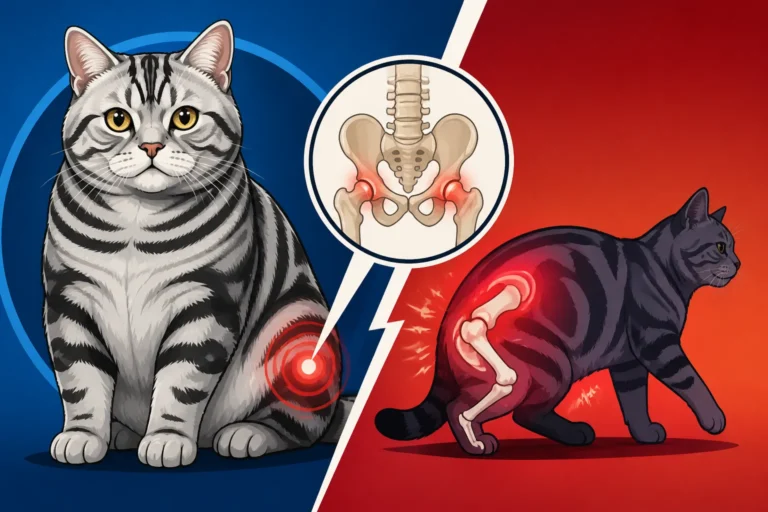
It's important to remember that many signs of aging can overlap, making diagnosis tricky. For instance, a cat that seems less responsive might also be experiencing some cognitive dysfunction, sometimes referred to as feline cognitive dysfunction syndrome (FCDS). A cat with FCDS might appear confused, disoriented, or even forget routines, which could be misinterpreted as not hearing. Similarly, if your American Shorthair is slowing down due to conditions like arthritis or hip issues, they might not rush to you when called, simply because it's painful or difficult for them to move quickly. In such cases, the reduced response isn't about hearing, but about mobility. Read Why an Old American Shorthair Slows Before It Limps for more insights into mobility issues.
This is why getting a professional veterinary opinion is so essential. Only a vet can properly assess your cat's overall health and rule out other underlying conditions. They can help you discern whether those new behaviors are truly indicative of hearing loss or if they point to something else entirely. It's easy to jump to conclusions, especially when you're worried, but a vet offers clarity. If your cat is showing signs of confusion or changes in their mental state, you might want to look at What Confusion Looks Like in an American Shorthair Past Sixteen.
Practical Home Tests to Assess Your American Shorthair's Hearing
While you're waiting for your vet appointment, there are a few gentle ways you can try to gauge your American Shorthair's hearing at home. The key here is "gentle" – we don't want to startle them unnecessarily or cause stress. The goal is to observe their reactions to sounds in a controlled, safe manner.
Sound-Based Reactions
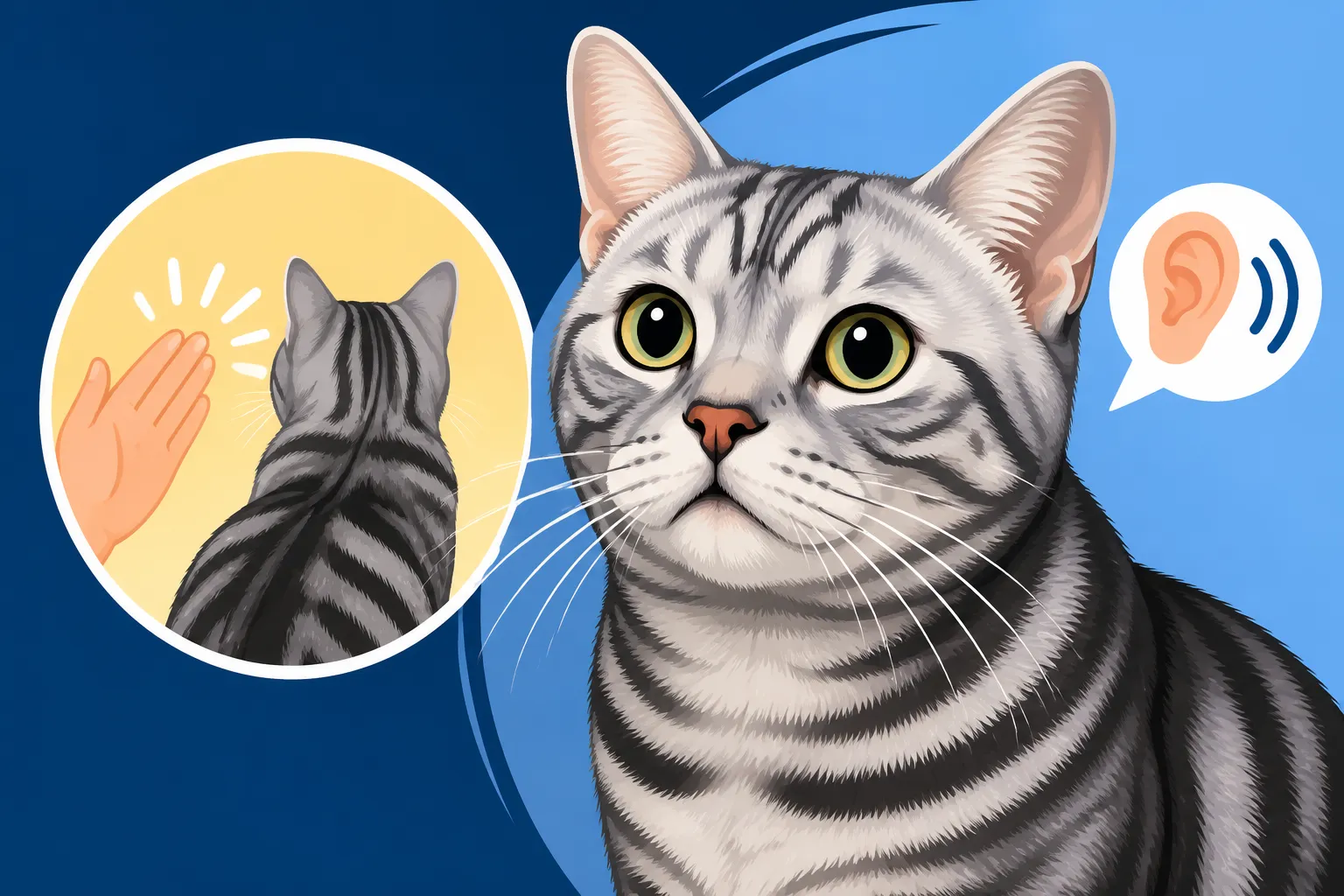
When performing these tests, try to do so when your cat isn't looking directly at you. This removes visual cues that they might be relying on. One classic method is to crinkle a treat bag or shake a container of their favorite kibble behind them. Observe if their ears twitch, if their head turns, or if their body posture changes in response to the sound alone. Another simple test is to clap your hands loudly once, from behind them or when they're facing away, at a moderate distance. Again, look for subtle reactions – a flicker of an ear, a slight shift in attention, or even a tail twitch. Some owners find shaking a set of keys or jingling a bell out of sight can also be effective.
Remember, you're not trying to elicit a dramatic jump scare. You're looking for any indication that they registered the sound. Repeat these tests at different times of the day, when your cat is relaxed, perhaps even napping. If they consistently sleep through noises that would usually rouse them, or show no reaction to sudden, distinct sounds made out of their sightline, it adds weight to the possibility of hearing loss. Even if you're covered by a good pet insurance plan like Healthy Paws, these initial observations are invaluable for your vet.
Consistency and Environment
To get the most accurate picture from your home tests, consistency is key. Test in various environments around your home. Is your cat unresponsive in the living room but seems to "hear" you better in a smaller, quieter room? This could suggest partial hearing loss, where they can still pick up louder sounds in less noisy surroundings. Also, be mindful of vibrations. A very loud clap or a foot stomp might not be heard, but the vibrations could still be felt by your cat, causing a reaction that mimics hearing. Try to make sounds that are primarily auditory, rather than those that produce strong vibrations.
It's also worth noting that cats are incredibly adept at compensating for a lost sense with their other senses. A deaf American Shorthair might become more attuned to visual cues, subtle changes in air currents, or ground vibrations. They might "see" you coming long before you're close, or react to the gentle tremor of footsteps on the floor. This compensatory behavior is wonderful for them, but it can make it harder for us to accurately assess their hearing. That's why isolating the sound component is so important.
Limitations of Home Testing
While home tests can provide strong indications, they are by no means a definitive diagnosis. They are observational and subjective, heavily relying on your interpretation of your cat's reactions. There could be distractions you're not aware of, or your cat might just be in a particularly deep sleep. These informal tests cannot differentiate between partial and complete deafness, nor can they identify the underlying cause of any hearing loss.
Therefore, while these observations are excellent data to bring to your veterinarian, they shouldn't replace a professional medical assessment. Your vet has the tools and expertise to properly diagnose hearing loss and address any associated health concerns. Regular check-ups are always important, especially for senior cats. You can learn more about general vet visit expectations in How Regularly a Healthy American Shorthair Still Needs Checking.
What a Vet Does to Confirm Hearing Loss and Next Steps
Once you've noticed consistent signs of potential hearing loss, the next crucial step is a visit to your veterinarian. They have the expertise and equipment to perform a thorough examination and confirm any diagnosis.
Veterinary Examination and Diagnostic Tools
When you bring your American Shorthair to the vet, the first thing they'll usually do is a general physical examination, including a careful inspection of their ears. They'll use an otoscope to look deep into the ear canal, checking for common issues like ear infections, excessive wax buildup, foreign bodies, or polyps that could be obstructing hearing. Sometimes, a simple ear cleaning or treatment for an infection can significantly improve a cat's hearing. The vet will also perform a neurological assessment to check for any other issues that might be affecting their senses or balance.
For a definitive diagnosis of hearing loss, especially to differentiate between conductive (sound not reaching the inner ear) and sensorineural (damage to the inner ear or auditory nerve) deafness, more specialized tests might be recommended. The most accurate diagnostic tool is the Brainstem Auditory Evoked Response (BAER) test. This test measures the electrical activity in the brain in response to auditory clicks delivered through headphones. It's a non-invasive procedure, usually performed under light sedation, and can determine if and to what extent hearing loss is present in each ear. It's reassuring to know that American Shorthairs are generally considered low-risk for anesthesia, as discussed in Why an American Shorthair Is a Low Anesthetic Risk, which makes such tests safer for them. This thorough diagnostic process helps ensure your cat receives the most accurate care plan.
Adapting to Life with a Deaf American Shorthair
Once hearing loss is confirmed, the good news is that deaf cats can lead incredibly rich and happy lives with a few adjustments from their devoted human companions. The most important thing is to adapt your communication. Since they can no longer hear you, you'll rely heavily on visual cues and vibrations. Use hand signals for common commands like "come," "stay," or "dinner." Consistency is key, so everyone in the household should use the same signals.
Safety becomes a paramount concern for deaf cats, especially if they've had outdoor access. Without the ability to hear dangers like cars, other animals, or even the sound of their own name being called back home, an outdoor deaf cat is at significantly higher risk. It's strongly recommended that deaf cats become indoor-only pets, perhaps with supervised access to a secure catio. Always approach your deaf American Shorthair gently and from the front, or tap lightly on the floor to create vibrations, before touching them. This prevents startling them, which can be upsetting for both of you. A quality pet insurance policy, like those offered by Healthy Paws, can be a great asset for managing any health-related costs for your senior cat, from diagnostic tests to ongoing care.
Maintaining Quality of Life
Living with a deaf American Shorthair truly is a journey of empathy and understanding. Your cat still loves you, and they still crave interaction and enrichment. Focus on tactile play, using toys that they can see and chase, or even toys that vibrate. Consistent routines become even more important, as they provide a sense of security and predictability in a world that has become a bit quieter. Make sure their eating and sleeping spots are easily accessible and in predictable locations.
Continue to engage with them through petting, grooming, and playtime. Many deaf cats become even more affectionate, relying on touch for reassurance and connection. It’s important to remember that deafness is not a death sentence; it's simply a different way of experiencing the world. With your patience, understanding, and willingness to adapt, your American Shorthair can continue to thrive. Don't hesitate to discuss any concerns about their overall health and well-being with your vet, especially regarding senior panels and tracking their weight, as covered in What an American Shorthair's Senior Panel Costs and Why an Old American Shorthair's Weight Should Be Tracked. A vet can also help you understand Why a Withdrawn American Shorthair Should See a Vet if you notice changes in their behavior beyond hearing loss.
Here's a quick overview of signs and actions:
| Signs of Potential Hearing Loss | Recommended Action |
|---|---|
| No response to their name or familiar sounds | Try gentle home sound tests (crinkling bag, clapping out of sight). |
| Sleeping through loud household noises | Observe for consistent non-reaction to common sounds. |
| Startled easily when approached from behind | Always approach from the front or make vibrations (e.g., tap floor) to announce your presence. |
| Increased or decreased vocalization | Note changes in meow volume or frequency. |
| Less engagement in sound-based games | Shift to visual or tactile play. |
| Misinterpreting commands or appearing disoriented | Consult your vet to rule out other conditions like cognitive decline or mobility issues. |
| Ignoring doorbell, phone, or other common auditory cues | Note if these once-meaningful sounds now illicit no response. |
This article is for general informational purposes only and does not constitute professional advice. Laws, prices and regulations vary by location and change over time. Consult a qualified professional for guidance on your specific situation.