How to Spot Hypertension in an Older American Shorthair
It's incredibly frustrating when our beloved cats start showing signs of aging, especially because they are masters at hiding their discomfort. One of the quietest, yet most dangerous, conditions that can creep up on an older American Shorthair is hypertension, or high blood pressure. This guide will walk you through exactly what feline hypertension is, why it's such a big deal, and how to spot those subtle, often easily missed, clues that your senior companion might be silently suffering, so you can act swiftly.
Understanding Feline Hypertension in American Shorthairs
When we talk about hypertension in cats, we're referring to persistently elevated blood pressure. Just like in humans, high blood pressure can put a tremendous strain on your cat's heart, kidneys, brain, and eyes. For our stoic American Shorthairs, who are known for their robust health and long lifespans, it might seem counterintuitive that they'd face such an insidious condition. However, as they age, their bodies naturally become more susceptible to a range of issues, and hypertension often goes hand-in-hand with other common senior cat ailments.
Why Hypertension is a Silent Threat
One of the biggest challenges with feline hypertension is its "silent killer" reputation. Cats, including the resilient American Shorthair, are incredibly adept at masking illness and pain. They don't typically show dramatic signs until the condition has progressed significantly, often to a point where it's causing irreversible damage. Imagine feeling unwell but having no way to tell anyone, and instinctively trying to appear normal to avoid being seen as vulnerable. That's essentially what your American Shorthair does. This means that by the time you notice something is truly wrong, the high blood pressure might have already taken a toll on vital organs, leading to sudden blindness, kidney damage, or even a stroke. It’s why regular veterinary check-ups for older cats are so incredibly important, even if they seem perfectly fine at home.
Common Causes of High Blood Pressure in Older Cats
While some cats can develop what's called "primary" or "idiopathic" hypertension (meaning no underlying cause is found), the vast majority of hypertension cases in older American Shorthairs are "secondary," meaning they are caused by another health problem. The most frequent culprits are:
- Chronic Kidney Disease (CKD): This is by far the most common underlying cause. As cats age, their kidneys can start to wear down, losing their ability to properly filter waste and regulate blood pressure. The kidneys and blood pressure form a vicious cycle: kidney disease can cause hypertension, and hypertension can further damage the kidneys. It's a double whammy for our older felines. You might find it useful to read more about how kidney disease creeps up on an old American Shorthair, as the two are so often linked.
- Hyperthyroidism: An overactive thyroid gland, also common in older cats, can lead to an increased heart rate and blood pressure. The excess thyroid hormones rev up the body's metabolism, putting extra strain on the cardiovascular system. Diagnosing and treating hyperthyroidism can often bring blood pressure back down to normal.
- Heart Disease: While the American Shorthair is generally quite healthy, conditions like hypertrophic cardiomyopathy (HCM) can sometimes be a factor, even if they don't cause the hypertension directly. A compromised heart can struggle with increased blood pressure, making the overall prognosis more challenging. For more information on this, explore topics like Why HCM Survived in the American Shorthair.
- Other Less Common Causes: Though rarer, conditions like adrenal gland tumors (which produce hormones that elevate blood pressure) or diabetes mellitus can also be associated with hypertension. These are usually investigated if the more common causes are ruled out.
Understanding these connections is crucial because treating the underlying condition is often key to managing the hypertension effectively.
Subtle Signs and Symptoms to Watch For
Because American Shorthairs are so good at being stoic, spotting hypertension often comes down to noticing very subtle, almost imperceptible changes in their behavior or physical appearance. These aren't always dramatic, sudden events, but rather a slow progression or slight deviation from their normal routine. Pay close attention to these areas.
Ocular Changes and Vision Problems
One of the most telling, and unfortunately, often the first outwardly visible signs of hypertension in cats is related to their eyes. The delicate blood vessels in the retina are very susceptible to damage from high blood pressure.
- Sudden Blindness: This is perhaps the most alarming, and sadly, often the first clear sign many owners notice. Your cat might suddenly start bumping into furniture, hesitating before jumping, or seem disoriented, especially in unfamiliar surroundings or dim light. This is typically due to retinal detachment or hemorrhage caused by the high pressure rupturing blood vessels in the eye. While devastating, if caught early enough and the blood pressure is controlled quickly, some vision can sometimes be restored, though it’s never a guarantee.
- Dilated Pupils: Even if your cat isn't completely blind yet, consistently dilated pupils that don't react normally to light can be a warning sign. This indicates the retina may not be functioning correctly.
- Changes in Eye Appearance: You might notice changes in the pupils or even slight bleeding within the eye, visible as small red spots. Sometimes, the retina can appear abnormal when viewed with an ophthalmoscope, though this requires a vet visit. Your American Shorthair might start blinking more, or pawing at their eyes if they are experiencing discomfort or vision loss.
These signs are an emergency and warrant immediate veterinary attention.
Neurological Indicators
High blood pressure can also affect the brain, leading to neurological symptoms. The delicate blood vessels in the brain can rupture or become damaged, potentially leading to small strokes.
- Changes in Behavior: Your usually placid American Shorthair might become disoriented, restless, or even anxious. They might hide more, seem confused about their surroundings, or vocalize unusually. While cats often become a little more withdrawn as they age, a sudden or marked change should raise a red flag.
- Weakness or Imbalance: You might notice your cat seems weaker in their legs, stumbles, or has difficulty jumping onto their favorite spots, or even just walking in a straight line. They might show a head tilt or unusual eye movements (nystagmus). This can sometimes be mistaken for simple aging, but could be a neurological sign. You might also want to look into Why an Old American Shorthair Slows Before It Limps for other common senior mobility issues that could overlap with or mask these neurological signs.
- Seizures: In severe cases, uncontrolled hypertension can lead to seizures. While this is less common, it's a critical emergency and indicates significant brain involvement. Any seizure activity requires immediate veterinary intervention.
These neurological signs, especially if they are new or worsening, should prompt a visit to your vet.
Renal and Cardiac Clues
Since hypertension is so often linked with kidney disease and can impact heart health, observing changes related to these systems is also crucial.
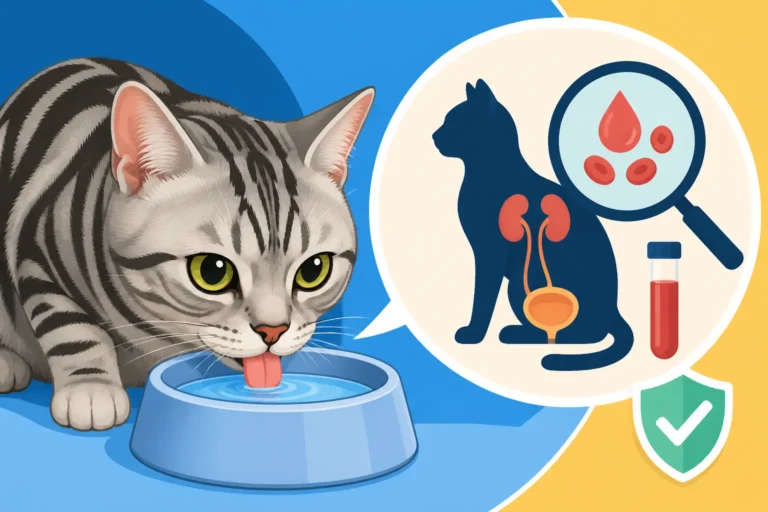
- Increased Thirst and Urination: This is a classic sign of kidney disease, which, as we discussed, is a primary driver of hypertension. If you notice your American Shorthair drinking more water and consequently making more trips to the litter box, it's definitely something to investigate. This isn't just a sign of aging; it's often a sign of underlying kidney issues.
- Lethargy and Weakness: A cat with uncontrolled hypertension might just seem "off." They might be less active, sleep more, or show a general lack of energy. This can be a vague symptom, but when combined with others, it adds to the overall picture.
- Loss of Appetite and Weight Loss: While these are general signs of many illnesses, they are certainly indicative of kidney disease and can accompany hypertension. If your sturdy American Shorthair, known for its hearty appetite, starts turning its nose up at food, it's a concern. You may also notice weight loss despite a good appetite if hyperthyroidism is the underlying cause.
- Heart Murmur or Abnormal Heart Rhythm: Your vet might detect these during a routine physical exam. While not something you'd necessarily spot at home, these findings by a professional can prompt further investigation into blood pressure.
Keep a journal of any changes you notice. Even small details can help your vet piece together the puzzle.
When to Seek Veterinary Care and Diagnosis
Recognizing the subtle signs is the first step, but the critical next step is getting your American Shorthair to the vet. Don't wait for dramatic symptoms; proactive care is paramount for managing hypertension and its associated conditions.
The Importance of Regular Senior Check-ups
For American Shorthairs, who can live The Fifteen to Twenty Years the American Shorthair Was Given, regular veterinary check-ups become increasingly vital as they age, especially once they hit the senior years (around 7-10 years old). Many vets recommend twice-yearly visits for senior cats. These visits are not just for vaccines; they're comprehensive health screenings designed to catch problems like hypertension early. During these check-ups, your vet will perform a thorough physical exam, listen to their heart, check their eyes, and often recommend bloodwork and a urinalysis to check for underlying conditions like kidney disease and hyperthyroidism.
How Vets Diagnose Hypertension
Diagnosing hypertension in cats involves taking their blood pressure. This is a non-invasive procedure, similar to how it's done in humans, but using a smaller cuff.
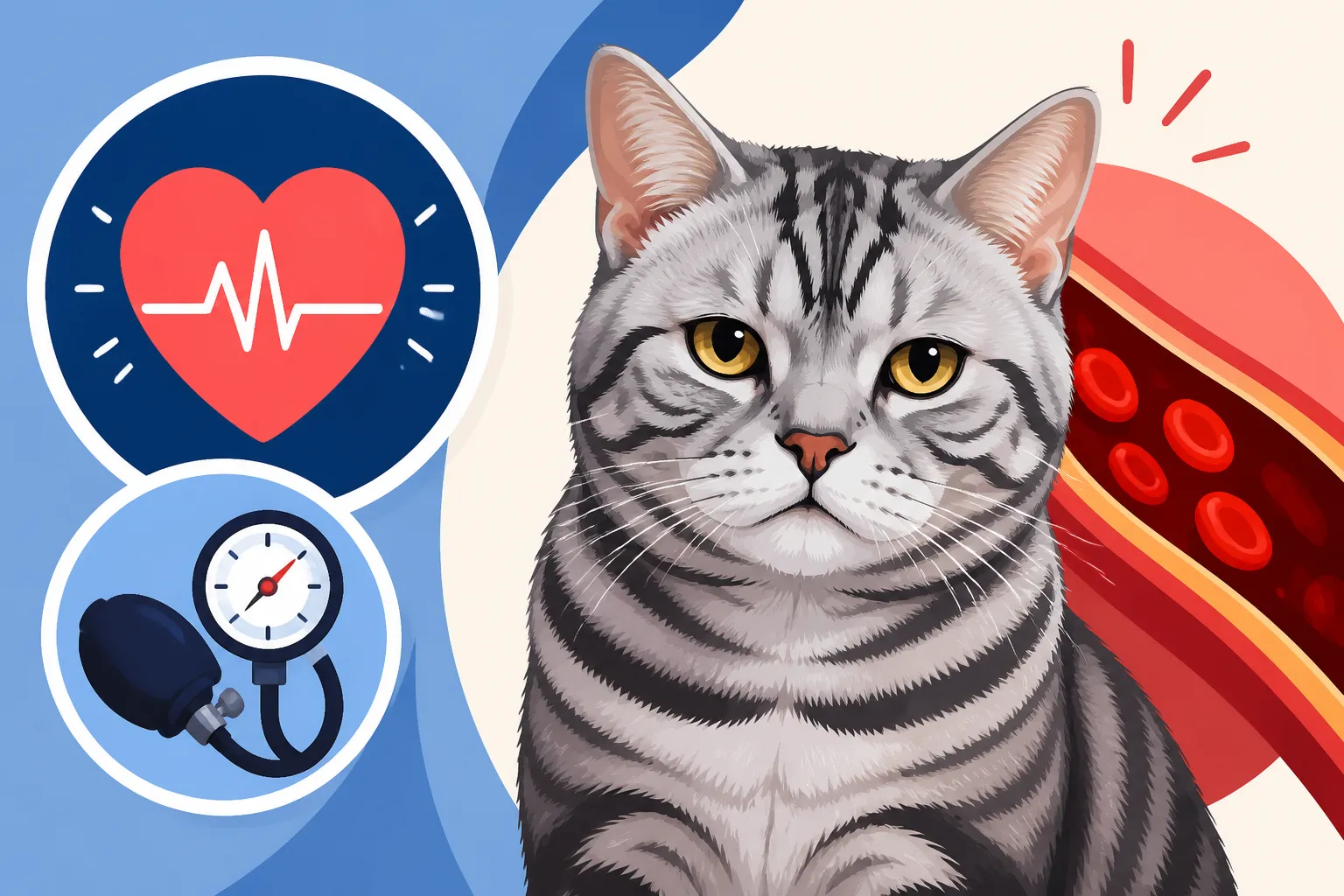
- Blood Pressure Measurement: Your vet will typically use a Doppler blood pressure monitor. A small cuff is placed around your cat's leg or tail, and a probe is used to detect blood flow as the cuff inflates and deflates. Multiple readings are usually taken, and the highest and lowest readings are often discarded to get a more accurate average. It's common for cats to have "white coat hypertension" – a temporary elevation in blood pressure due to stress at the vet's office. Vets are aware of this and often allow cats time to relax or take readings in a quiet room to get the most accurate result. A consistent reading above 160/120 mmHg is generally considered indicative of hypertension.
- Additional Diagnostic Tests: If hypertension is diagnosed, your vet will almost certainly recommend further tests to uncover the underlying cause. This usually includes:
- Blood Work: A full chemistry panel and complete blood count (CBC) will check kidney function (creatinine, BUN, SDMA), thyroid hormone levels (T4), and look for other systemic issues. For an older American Shorthair, knowing Which Blood Values Matter Most in an American Shorthair is essential for comprehensive care.
- Urinalysis: This checks for signs of kidney disease, urinary tract infections, and can assess kidney function.
- Ophthalmic Exam: A detailed eye exam, including looking at the retina, can confirm any damage caused by hypertension.
- Echocardiogram: If heart disease is suspected, a cardiac ultrasound might be recommended to assess the heart's structure and function. For instance, an American Shorthair with HCM might also have hypertension.
- Radiographs (X-rays): These might be taken to assess heart size or look for other abdominal issues.
A thorough diagnostic workup is critical to ensure proper treatment.
Managing Hypertension and Long-Term Care
Once hypertension is diagnosed and the underlying cause identified, the focus shifts to management. This typically involves a combination of medication, dietary adjustments, and ongoing monitoring. The goal is to lower your American Shorthair's blood pressure to prevent further organ damage and improve their quality of life.
Treatment Options for Feline Hypertension
The specific treatment plan will depend on the severity of the hypertension and its underlying cause.
- Medication: The most common medication used to treat feline hypertension is Amlodipine, a calcium channel blocker. This drug helps relax the blood vessels, thereby lowering blood pressure. It’s usually given once a day and is generally well-tolerated by most cats. Other medications, such as ACE inhibitors (like benazepril) or angiotensin receptor blockers (like telmisartan), might be used, especially if kidney disease is a significant factor. Your vet will determine the best medication and dosage for your cat.
- Treating the Underlying Cause: If kidney disease or hyperthyroidism is the cause, treating these conditions is paramount. This might involve special prescription diets for kidney disease, thyroid medication, or even radioactive iodine therapy for hyperthyroidism. Successfully managing the primary condition often leads to better control of the hypertension.
- Emergency Interventions: In acute, severe cases (e.g., sudden blindness due to retinal detachment), your vet might need to administer medications more aggressively or intravenously to bring blood pressure down rapidly and stabilize your cat.
It’s vital to administer all medications exactly as prescribed by your veterinarian and never stop or change dosages without consulting them first.
Lifestyle and Dietary Adjustments
While medication is usually the cornerstone of treatment, certain lifestyle and dietary changes can support overall health and help manage blood pressure.
- Dietary Management: If your American Shorthair also has kidney disease, they will likely be placed on a prescription renal diet. These diets are carefully formulated to be lower in phosphorus, protein, and sodium, which can help support kidney function and indirectly aid in blood pressure control. Even if kidney disease isn't the primary cause, your vet might recommend a diet lower in sodium.
- Stress Reduction: A calm and predictable environment is beneficial for any cat, but especially for one with health issues. Minimize sudden changes, provide plenty of safe spaces, and stick to a consistent routine. For an American Shorthair, known for being adaptable but also appreciating stability, this can make a real difference. Read How an American Shorthair Copes With Change for more insights on their adaptability.
- Weight Management: If your American Shorthair is overweight, even slightly, losing those extra pounds can help reduce the strain on their cardiovascular system. A healthy weight is crucial for overall well-being and can certainly help manage blood pressure. How to Spot Weight Gain on a Square Built American Shorthair can help you assess your cat's current condition.
Ongoing Monitoring and Prognosis
Managing hypertension is a long-term commitment. Regular follow-up visits with your vet are crucial to monitor your cat's blood pressure, assess the effectiveness of medication, and make any necessary adjustments.
- Frequent Blood Pressure Checks: Initially, blood pressure will be checked more frequently to ensure the medication is working and the dosage is correct. Once stable, your vet might recommend checks every few months.
- Regular Blood and Urine Tests: These tests will monitor kidney function, thyroid levels, and ensure the medications aren't causing any adverse effects.
- Eye Exams: Periodic eye exams can track the health of the retina and look for any signs of progression or improvement.
- Prognosis: With consistent and appropriate treatment, many American Shorthairs with hypertension can live a good quality of life for months to years after diagnosis. The key is early detection and diligent management. While the initial costs for diagnosis and medication can add up, a comprehensive pet insurance plan from a provider like Healthy Paws can significantly alleviate the financial burden of these ongoing treatments, allowing you to focus on your cat's health without added stress. Be prepared for the costs of ongoing blood pressure checks and medication; an insurance plan like Healthy Paws can be a lifesaver.
| Symptom Category | Specific Signs to Watch For | Urgency Level | Potential Underlying Cause |
|---|---|---|---|
| Ocular (Eyes) | Sudden blindness (bumping into things), dilated pupils, visible blood in eye, excessive blinking/pawing | HIGH | Retinal detachment/hemorrhage due to high BP, often associated with kidney disease or hyperthyroidism. |
| Neurological | Disorientation, confusion, lethargy, weakness in legs, stumbling, head tilt, seizures, unusual vocalization | HIGH | Brain damage (stroke-like events) due to high BP, sometimes linked to kidney disease or tumors. |
| Renal (Kidneys) | Increased thirst, increased urination, poor appetite, weight loss, vomiting, poor coat condition | MEDIUM-HIGH | Chronic Kidney Disease (CKD) is the most common cause of secondary hypertension. Hypertension also worsens CKD. |
| Cardiac (Heart) | Lethargy, weakness, exercise intolerance (less common in cats, more subtle), heart murmur (detected by vet) | MEDIUM | Hypertension puts strain on the heart; sometimes underlying heart disease contributes to hypertension or is exacerbated by it. |
| Behavioral/General | Hiding more, changes in routine, general malaise, decreased grooming (especially for overweight cats) | MEDIUM | General unwellness due to systemic effects of high BP or its underlying causes; an overweight cat struggling to groom might also be suffering from other joint issues. Consider why a heavy American Shorthair cannot reach its own back. |
Remember, this table is for guidance only. Any new or worsening symptoms in your older American Shorthair warrant a call to your veterinarian. Early intervention is the best path to a better outcome. And when considering the potential for significant vet bills associated with ongoing care, looking into pet insurance, perhaps through a reputable provider like Healthy Paws, can offer peace of mind and financial assistance when you need it most.
Disclaimer
This article is intended for informational purposes only and does not constitute veterinary advice. Always consult with a qualified veterinarian for any health concerns or before making any decisions about your pet's medical care.