How Often an American Shorthair Develops Asthma
It can be incredibly disheartening when your usually robust and easygoing American Shorthair starts showing signs of discomfort, especially something as unsettling as a persistent cough or difficulty breathing. You might be wondering if this normally healthy breed is prone to specific respiratory issues, or if what you're seeing is something easily dismissed. This guide is here to shed light on how often asthma might affect an American Shorthair, what symptoms to look for, and how to navigate diagnosis and treatment to help your beloved feline breathe easier.
Understanding Feline Asthma in General
Feline asthma, also known as allergic bronchitis, is a surprisingly common respiratory condition in cats, affecting an estimated 1-5% of the feline population. It's essentially an allergic reaction where your cat's airways become inflamed and constricted, making it difficult for them to get enough oxygen. While some breeds might have a slightly higher predisposition, it's generally recognized as a condition that can impact any cat, regardless of their genetic background. For a breed known for its robust health and minimal inherited issues, like the American Shorthair, a diagnosis of asthma can sometimes feel unexpected, leading owners to question if they've missed something or if their cat is somehow "different" from the typical healthy reputation.
The truth is, even an American Shorthair, famed for being a benchmark for feline health and often costing less at the vet than other pedigrees, isn't entirely immune to environmental or allergic triggers. Their strong constitution often means they hide symptoms longer, making it crucial for owners to be vigilant. This stoic nature, a trait inherited from their working cat ancestors, can inadvertently delay diagnosis because they are less likely to loudly complain or overtly show distress until a condition is quite advanced. It's not that American Shorthairs are inherently more susceptible to asthma; it's more about their general health profile often leading owners to believe such issues won't affect them.
What Triggers Asthma Attacks
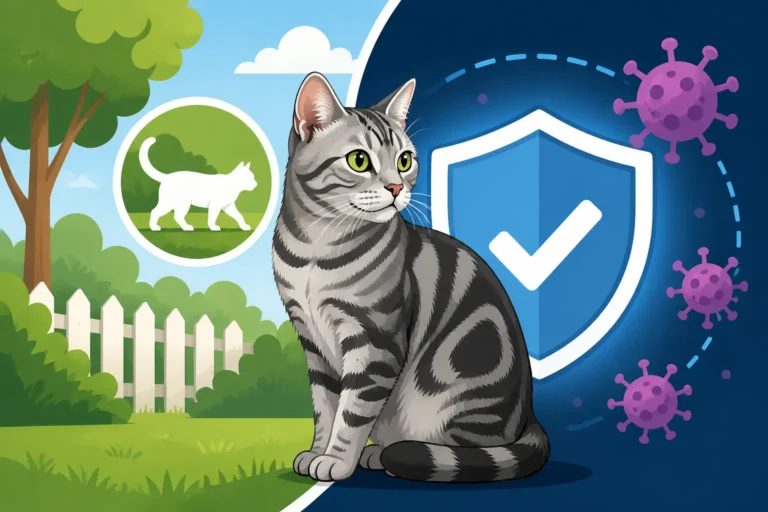
Asthma in cats is primarily an allergic response, meaning something in their environment irritates their airways, causing inflammation and bronchoconstriction. Identifying these triggers is often the first, and most challenging, step in managing the condition. Common culprits lurking in our homes can range from the seemingly innocuous to the obviously irritating.
For many cats, including American Shorthairs, cigarette smoke is a huge offender. Even residual smoke on clothing or furniture can be enough to trigger a severe reaction. Dust, especially from cat litter (think clay-based, dusty litters), is another major problem. Imagine breathing in fine particles every time you use the bathroom; that's what some cats experience. Pollen, molds, and dust mites are also high on the list, turning your home into a potential allergen minefield. Aerosol sprays like air fresheners, deodorants, or cleaning products release airborne chemicals that are simply too harsh for delicate feline respiratory systems. Even some plug-in air fresheners, which might seem pleasant to us, can be a silent irritant for your cat. In some cases, certain food ingredients or even seasonal changes can contribute to flare-ups, underscoring the complex nature of managing feline asthma. Being aware of these potential triggers is vital, as simply removing or reducing exposure to them can significantly improve your American Shorthair's quality of life and potentially lessen the need for intensive medication.
How American Shorthairs Compare to Other Breeds
When we talk about breeds and asthma, it’s often breeds like the Siamese that are cited as having a higher genetic predisposition. The American Shorthair, on the other hand, is generally celebrated for its robust health and a broader genetic pool, especially when compared to breeds with more selective breeding histories. This means that while an individual American Shorthair can certainly develop asthma, it's not considered a particularly prevalent breed-specific issue for them in the way it might be for some others. Their status as a relatively healthy breed, often used as a health benchmark, means that veterinarians typically aren't on high alert for asthma in them compared to, say, a highly inbred line.
However, "less common" doesn't mean "never." The factors that contribute to asthma in an American Shorthair are often more about their individual immune response and environmental exposures rather than a strong genetic vulnerability. If you've been careful with your American Shorthair's diet and environment, and they still develop asthma, it can be perplexing. It highlights that no breed is entirely immune to common ailments, and what an American Shorthair with no designer defect gets instead is often just the general health challenges any well-bred cat faces. Their inherent hardiness might even mask early symptoms, meaning that by the time you notice them, the condition might be more advanced than you initially thought. This is why paying close attention to subtle changes in their breathing or activity levels is paramount, even for such a resilient breed.
Recognizing the Subtle Signs of Asthma in a Stoic Cat
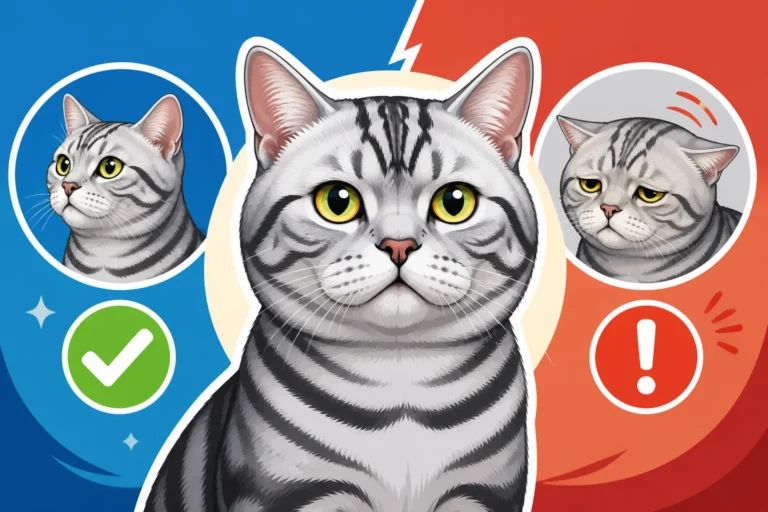
One of the biggest challenges with diagnosing asthma in an American Shorthair is their generally stoic and independent nature. These cats, descended from working stock, are often not overly vocal or demonstrative about discomfort. They're wired to hide weakness, a survival instinct that served their ancestors well in barns and on ships, but which can be a double-edged sword for modern pet owners trying to spot illness. A subtle, dry cough that you might mistake for a hairball, or a slight decrease in activity that you attribute to them just getting older, could be early indicators of asthma. You might notice them sleeping more, or perhaps not jumping to their favorite window perch as readily as before.
Many owners find themselves playing detective, watching for fleeting moments of heavy breathing, a peculiar posture when coughing, or a quiet wheeze. Unlike some more dramatic breeds, an American Shorthair might not collapse or gasp for air until an attack is severe. Instead, you might see them hunkering down, neck extended, struggling to clear their airways with a silent, internal battle. This stoicism means that what an American Shorthair shows before its heart fails or before its lungs give out can be very understated, requiring a keen eye and deep understanding of your individual cat's baseline behavior.
Coughing and Wheezing
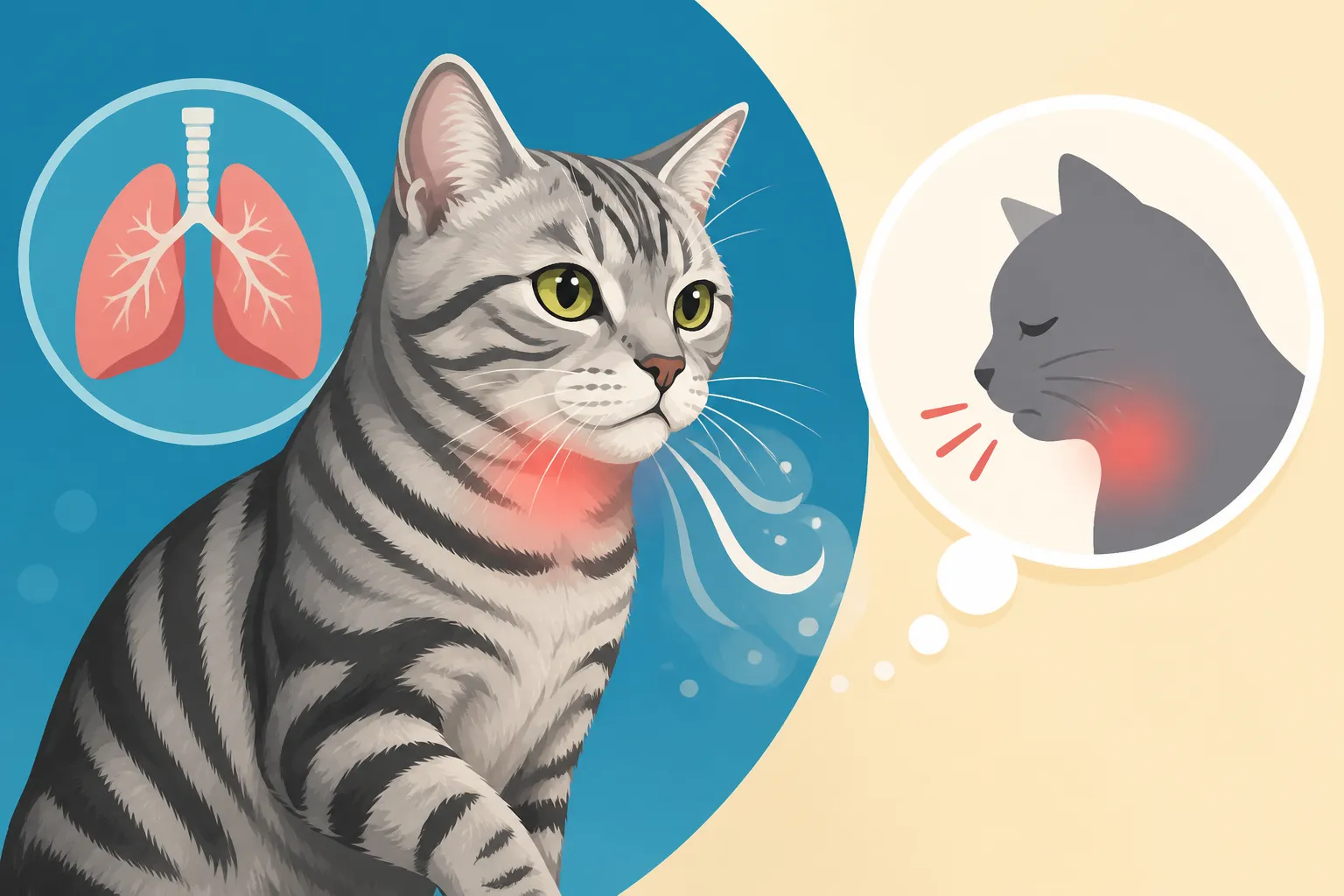
A chronic cough is perhaps the most classic sign of feline asthma. It's often described as a dry, hacking cough, very similar to a hairball cough. This is where the confusion often begins, as many owners, quite understandably, assume their cat is just trying to bring up a hairball. However, with asthma, the cough might be more frequent, occur without producing a hairball, and often seems to be triggered by activity, excitement, or exposure to specific irritants.
Listen closely for a distinctive wheezing sound, especially after your cat has been active or is experiencing stress. This wheezing is the sound of air attempting to pass through constricted, inflamed airways. It can be subtle at first, perhaps only audible when your cat is resting quietly or when you place your ear close to their chest. Some owners describe it as a faint whistle or a raspy breath. These sounds are critical clues, especially when combined with other subtle indicators. Don't dismiss these sounds, even if they seem infrequent. For a breed known for its quiet demeanor, any persistent or unusual respiratory noise warrants attention.
Respiratory Distress and Changes in Breathing
Beyond coughing and wheezing, more significant changes in breathing patterns signal increasing distress. Rapid, shallow breathing (tachypnea) is a clear red flag. Your cat might breathe with noticeable effort, using their abdominal muscles to push air out, indicating that their diaphragm is working overtime. This can make their sides visibly heave with each breath.
Another alarming sign is open-mouthed breathing, which is rarely normal for a cat unless they are severely overheated or extremely stressed. Cats are obligate nasal breathers, meaning they typically breathe through their noses. If your American Shorthair is breathing with an open mouth, panting, or has a bluish tinge to their gums and tongue (cyanosis), this is an emergency requiring immediate veterinary attention. These are signs of severe oxygen deprivation and a potentially life-threatening asthma attack. You might also notice their neck extending and head low, a posture adopted to try and straighten their airways and make breathing easier. Even if your cat seems to recover quickly from an episode, these more severe signs indicate that the underlying asthma is significant and needs professional intervention.
Diagnosing Feline Asthma
Getting a definitive diagnosis for feline asthma can sometimes feel like a bit of a journey, often requiring a combination of tests to rule out other conditions. Your veterinarian will typically start with a thorough physical examination, listening to your cat's lungs for any abnormal sounds like wheezes or crackles. They’ll also ask you detailed questions about the frequency and nature of the coughing, any triggers you've noticed, and how long the symptoms have been present. This initial consultation is crucial, as your observations as an owner provide invaluable insights.
After the initial exam, the vet will likely recommend a series of diagnostic tests. These usually include chest X-rays, which can reveal characteristic patterns of inflammation in the airways, such as bronchial wall thickening, often described as "doughnuts" or "tram lines" on the images. Blood tests, while not directly diagnostic for asthma, can help rule out other underlying conditions like infections or parasites, and provide a general health profile. Sometimes, a fecal test might be performed to check for lungworm, which can mimic asthma symptoms. In more complex cases, your vet might suggest advanced diagnostics like a bronchoalveolar lavage (BAL), where fluid is collected from the airways and analyzed for inflammatory cells, providing a clearer picture of the type of inflammation present. This comprehensive approach ensures that the diagnosis is accurate and that your American Shorthair receives the most appropriate treatment.
Ruling Out Other Conditions
The symptoms of feline asthma can overlap significantly with other respiratory and cardiac conditions, which is why a careful diagnostic process is essential. It's not uncommon for a vet to initially suspect something else, especially given how stoic American Shorthairs can be. For instance, a persistent cough could also be a sign of heartworm disease, although less common in indoor-only cats. It could also point to chronic bronchitis caused by bacterial infections, viral infections (like feline herpesvirus), or even a foreign body lodged in the airway.
One of the most critical conditions to differentiate from asthma is heart disease, particularly hypertrophic cardiomyopathy (HCM). HCM Is the one inherited disease the American Shorthair kept, and its symptoms, such as coughing, lethargy, and difficulty breathing, can be strikingly similar to asthma, especially in older cats. This is why a vet might recommend an echocardiogram (an ultrasound of the heart) to assess cardiac function, even if asthma seems likely. This is particularly important for an American Shorthair, given the known prevalence of HCM in the breed. Why an American Shorthair Still Needs a Yearly Heart Scan can provide more context on this. Proper differentiation is key, as treatments for these conditions are vastly different, and misdiagnosis could lead to ineffective or even harmful interventions. Your vet will methodically work through the possibilities to ensure the correct path forward for your American Shorthair's health.
Diagnostic Tests Explained
When your veterinarian suspects asthma, they'll typically employ a few key diagnostic tools to confirm the diagnosis and rule out other issues. As mentioned, chest X-rays are usually the first line of investigation. These radiographs allow the vet to visualize the lungs and airways. In asthmatic cats, they often look for an exaggerated bronchial pattern, which appears as thickened "tram lines" or "doughnuts" due to the inflamed and thickened walls of the small airways. They'll also check for evidence of lung hyperinflation, where the lungs appear larger than normal because air is getting trapped.
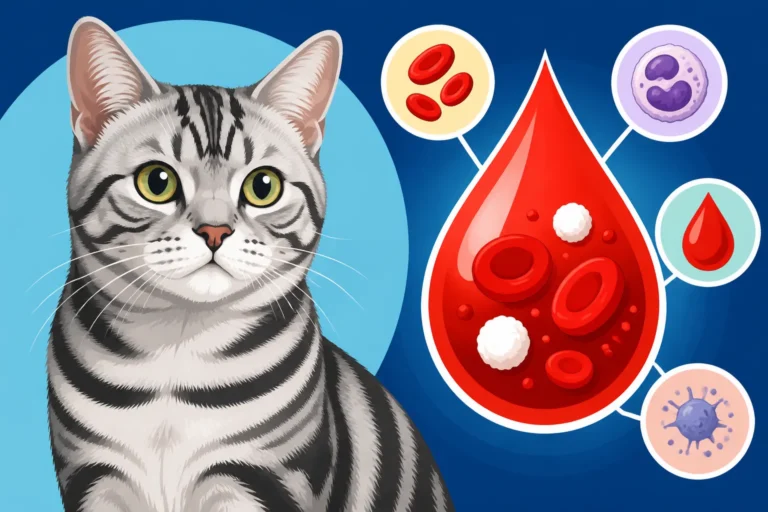
Beyond X-rays, blood tests might be performed. A complete blood count (CBC) can sometimes show an elevated number of eosinophils, a type of white blood cell often associated with allergic reactions, although this isn't always present in asthmatic cats. A chemistry panel helps assess overall organ function and rule out systemic diseases. For ruling out heart conditions that mimic asthma, an echocardiogram is the gold standard. This non-invasive ultrasound of the heart provides detailed images of heart chambers, valves, and muscle thickness, which is vital in distinguishing between respiratory and cardiac causes of symptoms. If the diagnosis remains unclear, or if the cat isn't responding to initial treatment, a bronchoalveolar lavage (BAL) might be considered. This procedure involves collecting cells and fluid directly from the airways for microscopic analysis, providing definitive evidence of inflammation characteristic of asthma. While some of these tests can add to the cost, organizations like Healthy Paws can often help with insurance coverage for diagnostic procedures.
| Diagnostic Test | What it Looks For | Why it's Important |
|---|---|---|
| Physical Exam | Wheezing, crackles, increased respiratory effort, posture | First step to assess symptoms and general health. |
| Chest X-rays | Bronchial wall thickening, lung hyperinflation | Visual confirmation of airway changes typical for asthma; helps rule out pneumonia, tumors. |
| Blood Tests (CBC) | Eosinophilia (high allergic white blood cells) | Supports allergic component, rules out infection, assesses overall health. |
| Fecal Exam | Lungworm parasites | Rules out parasitic infections that can cause respiratory signs. |
| Echocardiogram | Heart muscle thickening, fluid around heart/lungs | Crucial to differentiate asthma from heart conditions like HCM. |
| Bronchoalveolar Lavage (BAL) | Inflammatory cells in airways | Provides definitive cellular diagnosis of airway inflammation when other tests are inconclusive. |
Managing Asthma in Your American Shorthair
Once your American Shorthair has been diagnosed with asthma, the focus shifts to managing the condition effectively to minimize symptoms and prevent severe attacks. The good news is that feline asthma is a treatable condition, and with the right approach, most cats can live a comfortable, high-quality life. Management typically involves a multi-pronged strategy combining medication, environmental modifications, and regular veterinary check-ups. It's a journey, not a sprint, and finding the right balance for your individual cat might take some trial and error.
The goal of treatment is to reduce airway inflammation and open up the airways, allowing your cat to breathe normally. This means we're often looking at long-term solutions rather than quick fixes. Understanding your cat's specific triggers and doing everything you can to minimize their exposure is just as important as the medication itself. For a generally robust breed like the American Shorthair, good management can mean many more years of active, happy life, often extending well into their senior years. Caring for an American Shorthair Past Twelve requires a proactive approach, and asthma management is a perfect example of this.
Medication and Treatment Plans
The cornerstone of asthma treatment for cats usually involves corticosteroids and bronchodilators. Corticosteroids work by reducing the inflammation in the airways, which is the root cause of the constriction. These can be administered orally (pills or liquid), via injection, or, most effectively and with fewer side effects, through an inhaler. Inhaled corticosteroids deliver the medication directly to the lungs, minimizing systemic absorption and its associated side effects, like increased appetite, weight gain, or diabetes risk. Administering an inhaled medication might sound daunting, but with a special feline-specific inhaler device (like an AeroKat or AeroDawg chamber), many cats adapt quite well, especially with positive reinforcement.
Bronchodilators, on the other hand, act quickly to open up constricted airways, providing rapid relief during an asthma attack or before exercise if your cat is prone to activity-induced flare-ups. These are also often given via inhaler, but can be given orally or by injection in emergency situations. In some cases, other medications like antihistamines or immunomodulators might be considered, depending on the severity and specific triggers. Your vet will work with you to create a personalized treatment plan, adjusting dosages and combinations as needed. Regular follow-up appointments are crucial to monitor your cat's response to treatment and to make any necessary adjustments, ensuring the plan remains optimal for their health. Having comprehensive pet insurance like Healthy Paws can significantly ease the financial burden of these ongoing medications and vet visits.
Environmental Adjustments and Prevention
While medication is vital for managing symptoms, making changes to your American Shorthair's environment is equally, if not more, important for long-term health and prevention of flare-ups. The aim is to reduce exposure to known allergens and irritants as much as possible.
Start by addressing dust. Switch to a low-dust or dust-free cat litter, as fine clay particles are a notorious asthma trigger. Scoop the litter box frequently and consider placing it in a well-ventilated area. Next, tackle airborne irritants: eliminate cigarette smoke entirely from your home. This means no smoking indoors or even near open windows where smoke can drift in. Avoid using aerosol sprays, plug-in air fresheners, scented candles, and harsh chemical cleaners. Opt for unscented, natural cleaning products whenever possible. Regularly vacuuming with a HEPA filter vacuum cleaner can significantly reduce dust mites and other allergens in your home. Washing your cat's bedding frequently in hot water also helps. Installing air purifiers with HEPA filters in rooms where your cat spends a lot of time can also make a noticeable difference by removing airborne particles. These small but significant changes can drastically improve your American Shorthair's breathing and reduce the frequency and severity of asthma attacks, making a healthier and happier home for everyone.
Living with an Asthmatic American Shorthair
Living with an asthmatic American Shorthair means developing a keen awareness of their breathing and being prepared for potential emergencies. It's about being proactive rather than reactive. Keep a close eye on their activity levels, appetite, and any changes in their breathing patterns. Many owners find it helpful to keep a journal of symptoms, noting when attacks occur, what might have triggered them, and how long they last. This information can be invaluable for your vet in adjusting their treatment plan.
Always have your cat's emergency medication readily accessible, and ensure everyone in the household knows how to administer it. It's also a good idea to have a clear emergency plan with your veterinarian, including knowing who to call after hours and where the nearest emergency veterinary clinic is. While American Shorthairs are typically robust, a severe asthma attack can quickly become life-threatening. Despite the challenges, seeing your once struggling cat breathing easily and playing happily again is incredibly rewarding. With consistent management, a vigilant eye, and a close partnership with your vet, your American Shorthair can continue to enjoy a full and active life. This dedication ensures they continue to thrive, avoiding issues like How Many Years Extra Weight Takes Off the American Shorthair's Lifespan if steroid treatments are necessary, and maintaining their overall well-being.
Disclaimer
The information provided in this article is for general informational purposes only and is not a substitute for professional veterinary advice. Always consult with a qualified veterinarian for any health concerns or before making any decisions related to your pet's health or treatment plan.