Whether a Urinary Diet Becomes Permanent
It’s a truly disheartening moment when your beloved American Shorthair, usually so stoic and independent, starts showing signs of discomfort or pain while trying to use the litter box. The panic that sets in when you discover blood in their urine, or realize they're straining without success, is palpable. Many cat parents then face the daunting prospect of a urinary diet, often wondering if this crucial change will become a permanent fixture in their cat's life. This guide is here to shed light on whether a urinary diet for your American Shorthair is a temporary fix or a lifelong commitment.
Understanding Urinary Health Issues in American Shorthairs
Our American Shorthairs, with their robust and healthy heritage, are generally a very sound breed. However, like all cats, they aren't immune to certain health challenges, and urinary tract issues can be a significant concern. It’s not just one single problem; rather, it’s a spectrum of conditions that can affect their bladder and urethra, leading to discomfort and, if untreated, serious complications.
Common Urinary Tract Problems
When we talk about urinary issues in cats, we're often referring to a collection of symptoms known as Feline Lower Urinary Tract Disease, or FLUTD. This isn't a diagnosis in itself, but rather a catch-all term for problems affecting the bladder and urethra. For American Shorthairs, common culprits include bladder stones and idiopathic cystitis. Bladder stones can come in different mineral compositions, with struvite and calcium oxalate being the most common. Struvite crystals and stones often form in alkaline urine, while calcium oxalate stones tend to form in acidic urine. It's a delicate balance!
Beyond stones, some American Shorthairs can suffer from feline idiopathic cystitis (FIC), which means inflammation of the bladder with no identifiable cause like bacteria or stones. It's often linked to stress, and it’s truly frustrating for owners because there’s no obvious infection to treat. Then there’s the incredibly serious issue of urethral blockages, which are almost exclusively seen in male cats. This is because a male cat’s urethra is narrower and longer, making it easier for crystals, stones, mucus plugs, or even severe inflammation to block the flow of urine entirely. This is a life-threatening emergency, and understanding that What a Straining American Shorthair Needs Within Hours is immediate veterinary attention cannot be overstated. We see more cases of Why a Male American Shorthair's Urethra Blocks First compared to Why a Female American Shorthair Faces Fewer Urinary Risks due to these anatomical differences.
The Role of Diet in Urinary Health
It might seem strange that food plays such a massive role in urinary health, but it truly does. The composition of your cat's diet directly impacts the pH of their urine and the concentration of various minerals within it. Think of it like this: if your American Shorthair is eating a diet that makes their urine too alkaline, it creates a perfect environment for struvite crystals to form. Conversely, a diet that makes their urine too acidic could predispose them to calcium oxalate stones.
Beyond pH, a proper urinary diet also aims to increase your cat's water intake. Many conventional dry kibbles are very low in moisture, leading to more concentrated urine. When urine is highly concentrated, there’s less fluid to dilute those problematic minerals, making it easier for crystals and stones to form. Therefore, many urinary diets are high in moisture, often wet foods, to help your cat How Much Water Keeps an American Shorthair's Bladder Clear and flush out potential issues. The right diet essentially helps manage the urine's chemical balance, making it less hospitable for stone formation and reducing inflammation.
Navigating the Urinary Diet Journey for Your American Shorthair
Once a urinary issue is suspected, your veterinarian will embark on a diagnostic journey to pinpoint the exact problem. This initial phase is critical, as the specific diagnosis will dictate the type and duration of the prescribed urinary diet. It's a time that can feel overwhelming, but remember, you're gathering vital information to help your American Shorthair feel better.
Initial Diagnosis and Diet Prescription
The first step usually involves a thorough physical exam and a urinalysis. Your vet will examine a urine sample to check for blood, crystals, bacteria, and to measure the urine's pH. Sometimes, X-rays or an ultrasound are necessary to visualize stones in the bladder or kidneys. Identifying Which Bladder Stones an American Shorthair Forms (struvite or calcium oxalate) is paramount, as the dietary approach for each is distinct. For instance, struvite stones can often be dissolved with a specific diet designed to acidify the urine and lower magnesium levels, while calcium oxalate stones typically require surgical removal and then a different preventative diet. This diagnostic precision ensures that the dietary intervention is tailored precisely to your American Shorthair's needs. Your vet will discuss the findings from tests like What an American Shorthair's Urinalysis Costs and the implications for diet.
Once a diagnosis is made, your vet will prescribe a specific therapeutic urinary diet. These aren't just "cat food" – they are carefully formulated medical diets. Brands like Purina Pro Plan Veterinary Diets, Royal Canin Veterinary Diet, and Hill's Prescription Diet are leaders in this field, offering specialized formulas for various urinary conditions. Each diet has a particular nutrient profile designed to achieve a specific goal, such as urine acidification, alkalinization, or increased moisture. It's crucial to follow your vet's recommendation precisely, as feeding the wrong urinary diet, or mixing it with other foods, could negate its therapeutic effects or even worsen the problem.
Short-Term vs. Long-Term Dietary Needs
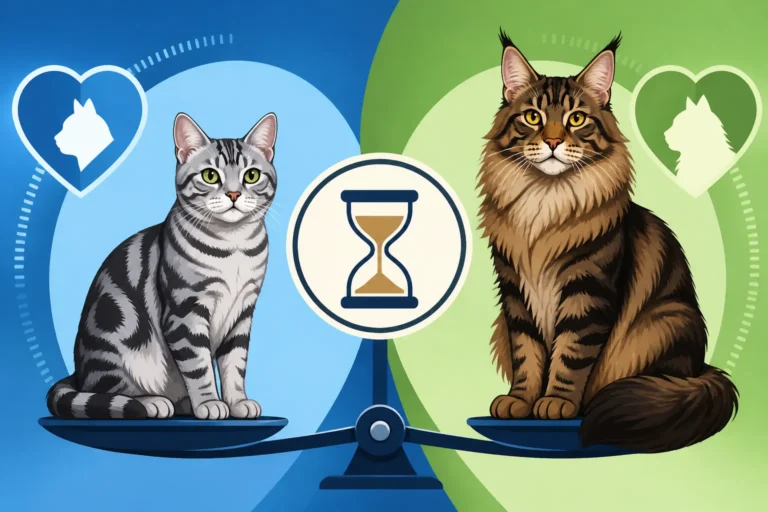
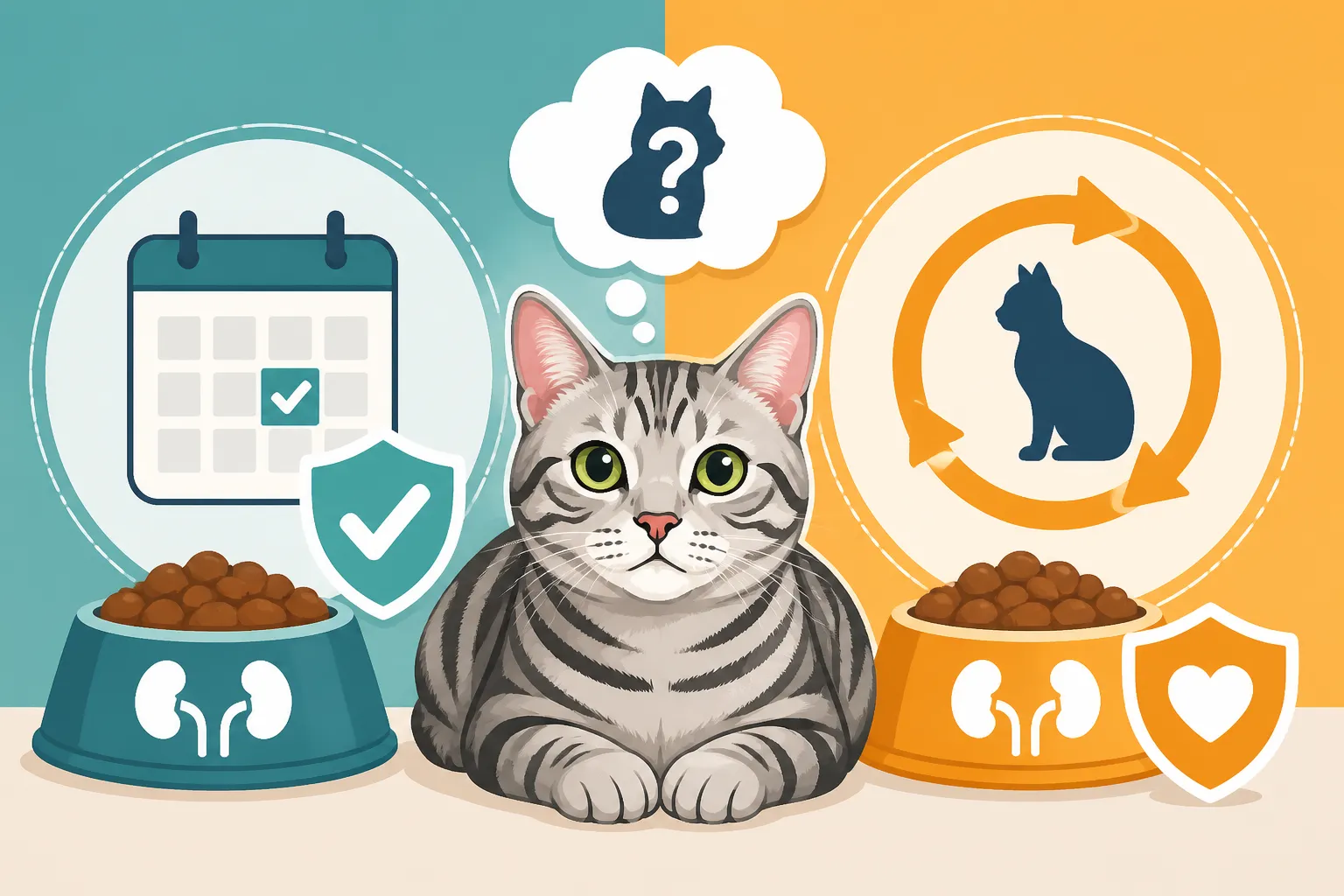
Understanding the difference between short-term and long-term dietary needs is key to managing your American Shorthair's urinary health. A short-term urinary diet is typically used for acute issues, such as dissolving struvite stones. This type of diet is highly potent and designed to achieve a rapid change in urine chemistry. Your vet will monitor your cat closely during this phase, often with repeat urinalyses and imaging, to ensure the stones are dissolving. Once the stones are gone, your vet might transition your cat to a different diet, or continue with a maintenance urinary diet.
For many American Shorthairs, particularly those prone to recurring issues or those diagnosed with chronic conditions like idiopathic cystitis, a urinary diet becomes a long-term, often lifelong, commitment. This preventative or maintenance diet is less aggressive than a dissolution diet but is still specifically formulated to maintain optimal urine pH, dilute minerals, and support bladder health. The goal is to prevent future stone formation or minimize flare-ups of cystitis. It’s about creating an ongoing protective environment within their urinary tract.
Gradual Transition and Monitoring
Transitioning your American Shorthair to any new diet, especially a therapeutic one, needs to be done gradually to avoid upsetting their digestive system. A sudden switch can lead to vomiting or diarrhea, which is the last thing you want when dealing with a sensitive cat. Typically, you'll mix a small amount of the new food with their old food, gradually increasing the proportion of the new diet over 7-10 days. Observe your cat closely during this period for any signs of digestive upset or refusal to eat.
Beyond the initial transition, ongoing monitoring is essential. This includes keeping a close eye on your American Shorthair's litter box habits, checking for any straining, increased frequency, or inappropriate urination outside the box. Regular vet check-ups, often including repeat urinalyses, are also critical to ensure the diet is effectively managing their condition. Your vet will confirm the urine pH is within the target range and that no new crystals are forming. Don't be surprised if your vet recommends periodic blood work as well, especially if your cat is on a diet designed to modify urine pH, to ensure there are no adverse systemic effects.
Factors Influencing the Permanence of a Urinary Diet
Deciding whether a urinary diet is a permanent fixture for your American Shorthair isn't a one-size-fits-all answer. Several factors come into play, influencing the recommendation from your veterinarian. It’s a nuanced discussion that takes into account the specific health profile and history of your individual cat.
Type and Severity of Urinary Condition
The underlying cause and severity of your American Shorthair's urinary problem are the biggest determinants. If your cat had a single, isolated episode of struvite crystals that dissolved completely with a short course of diet and increased water intake, and they show no other risk factors, your vet might consider transitioning them back to a high-quality maintenance diet (though often still a urinary-specific one) after a period of stability. However, this is usually after careful consideration and ruling out any predispositions.
On the other hand, if your American Shorthair has been diagnosed with recurrent calcium oxalate stones (which cannot be dissolved by diet), severe, chronic feline idiopathic cystitis (FIC), or a history of multiple urethral blockages, a lifelong urinary diet is almost always recommended. These conditions indicate a systemic predisposition to urinary issues that requires continuous dietary management to prevent future, potentially life-threatening, episodes. The goal here shifts from "fixing" an acute problem to "managing" a chronic vulnerability.
Individual Cat Response and Recurrence Risk
Every cat is an individual, and their response to treatment and their inherent risk of recurrence will weigh heavily on the permanence of the diet. Some American Shorthairs might respond beautifully to initial dietary changes and remain problem-free for years, while others might experience relapses despite strict adherence to the diet. For those prone to recurrence, the urinary diet truly becomes a cornerstone of their preventive care.
Your vet will assess your cat's history, looking for patterns. Has this happened before? How quickly did symptoms return if the diet was stopped or changed? Cats with multiple episodes of urinary issues are simply at a higher risk of future problems, and maintaining the therapeutic diet indefinitely is often the safest course of action. It's about minimizing risk and ensuring the longest, healthiest life for your American Shorthair.
Lifestyle and Environmental Considerations
Beyond the physiological, your American Shorthair's daily life and environment also play a role. Stress is a well-known trigger for Feline Idiopathic Cystitis Whether Stress Cystitis Affects a Placid American Shorthair. A cat living in a multi-cat household with underlying tensions, or one experiencing frequent changes in routine, might be more susceptible to stress-induced bladder flare-ups. In such cases, a lifelong urinary diet, often combined with environmental enrichment and stress-reduction techniques, is vital.
Water intake is another massive factor. Cats naturally have a low thirst drive, and their ancestors got most of their water from prey. Indoor American Shorthairs, especially those on dry kibble, often don't drink enough. Ensuring adequate water intake, perhaps through Which Water Bowl an American Shorthair Prefers or considering Whether an American Shorthair Bothers With a Fountain, is paramount. If increasing water intake naturally is challenging, a wet urinary diet becomes even more critical for long-term management, as it passively increases hydration.
Veterinary Guidance and Re-evaluation
Ultimately, the decision regarding the permanence of a urinary diet for your American Shorthair rests with your veterinarian. They will take into account all diagnostic results, your cat's clinical history, their response to treatment, and any lifestyle factors. This isn't a one-time decision; it's an ongoing conversation. Your vet may recommend periodic re-evaluations, especially if new symptoms arise or if your cat's general health status changes.
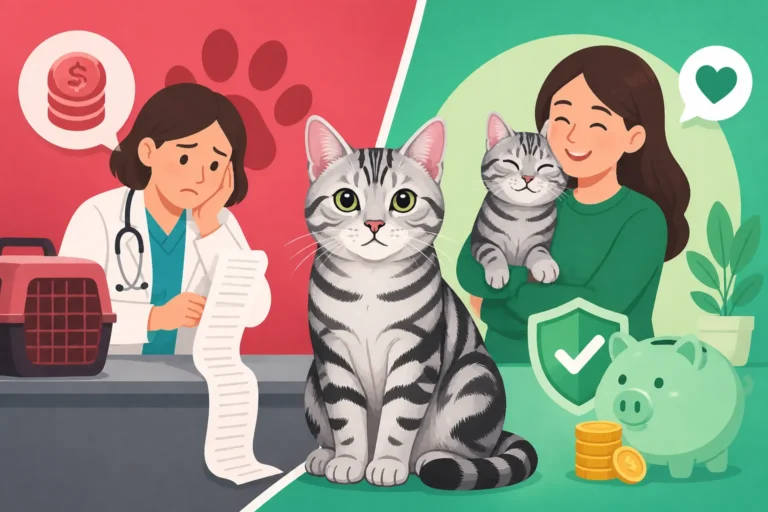
It's common for owners to hope their cat can eventually go back to "regular" food, but defying veterinary advice can have serious consequences, ranging from mild discomfort to life-threatening blockages. Always consult your vet before making any changes to your cat's prescribed diet. They are your best resource for navigating these complex dietary needs. For many, the financial burden of these specialized diets can be a concern; understanding What a Urinary Diet Costs an American Shorthair Owner is part of the long-term planning. This is where pet insurance, like plans from Healthy Paws, can be invaluable in helping to manage the ongoing costs of these essential medical foods and any associated vet visits.
When a Urinary Diet Becomes a Way of Life for Your American Shorthair
For a significant number of American Shorthairs dealing with recurrent or chronic urinary issues, the specialized diet isn't just a treatment; it truly becomes an integral part of their daily routine for the rest of their lives. While this might feel like a big adjustment initially, it's often the key to ensuring their comfort, preventing serious health crises, and maintaining a high quality of life.
The Reality of Lifelong Management
For many American Shorthair owners, especially those whose cats have experienced urinary blockages or severe, recurring cystitis, the concept of a temporary urinary diet simply isn't realistic. These conditions often indicate an underlying predisposition that needs continuous management. The diet works by maintaining optimal urine pH, diluting harmful minerals, and sometimes containing ingredients that support bladder lining health or reduce stress. Without these specific dietary properties, the risk of relapse skyrockets.
It’s less about "curing" the problem and more about "managing" it effectively to prevent future episodes. Think of it like managing a chronic human condition – for example, a diabetic needs lifelong insulin, or someone with high blood pressure needs lifelong medication. For an American Shorthair prone to urinary issues, the specialized diet is their preventive medicine. It’s a small price to pay for avoiding the pain, discomfort, and potentially life-threatening complications of another urinary episode.
Maintaining Compliance and Quality of Life
The biggest challenge with a lifelong urinary diet is often maintaining strict compliance. It means no cheating, no sneaking table scraps, and no mixing in other treats or foods that could disrupt the delicate balance the diet is working to achieve. Even a small amount of non-prescription food can undo the therapeutic effects. This requires vigilance from every member of the household, as well as any pet sitters or boarders.
However, a urinary diet doesn't mean a diminished quality of life for your American Shorthair. These diets are palatable and nutritionally complete, ensuring your cat gets all the nutrients they need while simultaneously protecting their urinary health. Many cats readily accept their new food. To make mealtime more engaging, especially for an American Shorthair with their natural hunting instincts, consider using puzzle feeders or hiding portions of their kibble (if on dry urinary diet) around the house. This makes them "work" for their food, mimicking natural foraging behavior and adding mental enrichment.
Exploring Alternatives and Supplements Under Vet Supervision
While the prescribed urinary diet is usually the frontline and most effective treatment, some owners explore complementary approaches. However, it’s absolutely critical that any alternatives or supplements are discussed with and approved by your veterinarian. Introducing supplements without veterinary guidance can be risky, potentially interacting negatively with the diet or exacerbating the urinary condition.
For cats with Feline Idiopathic Cystitis (FIC) where stress is a major component, your vet might recommend environmental enrichment strategies or even specific anti-anxiety medications or calming supplements (like Zylkene or Feliway diffusers) in conjunction with their urinary diet. Increasing moisture intake through wet food, or encouraging drinking with Whether an American Shorthair Bothers With a Fountain or multiple water bowls, is always a good idea and complements any urinary diet. Some supplements aim to support the bladder's protective lining (e.g., those containing N-acetylglucosamine), but these should only be used as an adjunct to the primary diet, not as a replacement. Always remember that the therapeutic diet is scientifically formulated and tested, and deviating from it without expert advice from your vet can put your American Shorthair at significant risk.
| Aspect | Short-Term Urinary Diet | Long-Term/Permanent Urinary Diet |
|---|---|---|
| Primary Goal | Dissolve existing stones, resolve acute inflammation | Prevent recurrence, maintain bladder health |
| Duration | Weeks to a few months (e.g., 2-4 months for struvite) | Indefinite, often lifelong |
| Conditions Treated | Acute struvite crystalluria/stones, severe cystitis | Recurrent struvite, calcium oxalate prevention, FIC |
| Monitoring | Frequent urinalysis, X-rays/ultrasounds | Regular (e.g., annual) urinalysis, vet check-ups |
| Flexibility with Other Foods | None, strict adherence crucial | None, strict adherence crucial |
| Financial Consideration | Initial cost for diagnostics & food supply | Ongoing cost for specialized food, potential for insurance (e.g., Healthy Paws) |
Disclaimer
This article is intended for informational purposes only and does not constitute veterinary advice. Always consult with a qualified veterinarian for any health concerns or before making any decisions about your pet's health or treatment plan.