How Many Dentals an American Shorthair Needs in Twenty Years
It’s a common worry among us cat parents: how do you keep those pearly whites healthy when your furry friend is so good at hiding any discomfort? American Shorthairs are known for their robust health and impressive longevity, often gracing our homes for 15 to 20 years, or even longer. But this extended lifespan also means a longer period for dental issues to develop, and trust me, they are often the quietest problems. This guide will walk you through what to expect regarding dental care for your beloved American Shorthair over their remarkable two-decade journey, from early prevention to managing the unique challenges of senior cat teeth.
Understanding the Silent Threat of Feline Dental Disease
Dental disease in cats isn't just about bad breath; it's a serious health concern that can lead to pain, infection, and even impact vital organs if left unchecked. Our American Shorthairs, with their stoic nature, are masters at concealing discomfort, making it even more vital for us to be proactive.
Why Gum Disease Is the American Shorthair's Quietest Problem
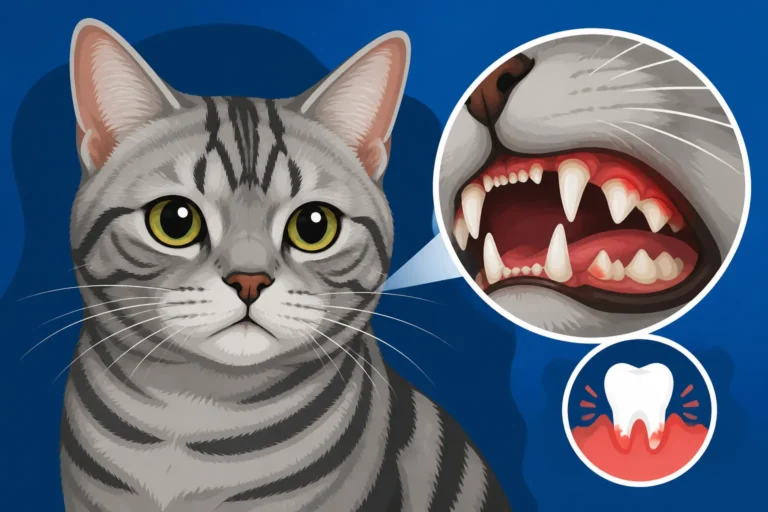
You might not see your American Shorthair complaining, but dental issues are incredibly common, even in this hardy breed. The problem often starts subtly, with plaque – a sticky film of bacteria, food particles, and saliva – accumulating on the tooth surface. If not removed, this plaque hardens into tartar, a rough, calcified deposit that adheres firmly to the teeth, usually along the gum line.
This buildup creates a perfect environment for bacteria to thrive, leading to gingivitis, which is inflammation of the gums. You might notice a reddish line along the gum margin or some mild swelling. At this stage, it's often reversible with professional cleaning. However, if left to progress, gingivitis can escalate into periodontitis, a much more severe and irreversible condition where the infection spreads below the gum line, attacking the supporting structures of the tooth. This can lead to bone loss, painful abscesses, and ultimately, tooth loss. It's a truly insidious problem, and many owners are shocked to learn that their seemingly healthy cat has significant dental disease once a vet takes a closer look.
The stoic nature of the American Shorthair means they are less likely to vocalize pain or show obvious signs of discomfort until the disease is quite advanced. They might continue to eat, albeit perhaps a bit more slowly, or they might prefer softer foods without you even realizing why. This is why regular veterinary checks are so important; your vet can spot these issues before they become debilitating. In fact, understanding Why an American Shorthair Loses Teeth Nobody Noticed is a critical step for any owner.
How Tooth Resorption Shows Up in an American Shorthair
Beyond plaque and tartar, one of the most common and painful dental conditions affecting cats is tooth resorption (TR), sometimes mistakenly called feline odontoclastic resorptive lesions (FORLs). This isn't just about gum disease; it's a process where the tooth structure itself gradually erodes, starting from the outside or inside, often at or below the gum line. Imagine a tiny cavity that keeps getting bigger and deeper, eventually exposing the sensitive pulp of the tooth.
Tooth resorption can affect any tooth and is incredibly painful, comparable to having a severe cavity for us humans. What makes it particularly tricky is that it can be very difficult to spot without a thorough veterinary examination, often requiring dental X-rays to truly assess the extent of the damage, as much of the destruction happens below the gum line. Your American Shorthair might have no visible signs of a problem, yet be experiencing significant pain from resorptive lesions.
The precise cause of tooth resorption isn't fully understood, but it's prevalent in cats of all breeds and ages, though more common in older felines. Since American Shorthairs live such long and full lives, the chances of them developing one or more resorptive lesions over their two decades are quite high. This is yet another reason why regular, comprehensive dental care, including professional X-rays, is non-negotiable for their long-term comfort and well-being.
Factors Influencing Dental Health Over Two Decades
Several factors play a significant role in determining how many dental procedures your American Shorthair might need over their long life. Genetics certainly play a part; some cats are simply predisposed to faster plaque and tartar buildup, or to developing conditions like tooth resorption. While the American Shorthair is generally a healthy breed, they aren't immune to these predispositions.
Diet is another huge factor. For years, there was a misconception that dry kibble "cleaned" a cat's teeth. While some specifically formulated dental diets can help mechanically scrub teeth, most regular kibble shatters upon impact, doing little to prevent plaque buildup, especially along the gum line. Wet food, while excellent for hydration, offers no abrasive action at all. Consider whether kibble alone suits an American Shorthair when evaluating their overall dental health strategy.
Finally, home dental care and regular veterinary check-ups are paramount. Cats who receive daily tooth brushing and routine professional cleanings will undoubtedly require fewer extensive procedures over their lifetime compared to those whose dental health is neglected. Environmental factors, such as access to appropriate chew toys or even certain stressors, can indirectly influence oral health, though less directly than genetics or diet. It’s a holistic picture, and addressing all these areas proactively can make a world of difference for your American Shorthair’s oral health trajectory.
The Typical Dental Timeline for an American Shorthair
When we talk about an American Shorthair living a full twenty years, the idea of maintaining dental health for that entire span can feel a bit overwhelming. But it’s manageable when broken down into stages, much like their overall health journey.
Starting Early: Kittenhood and First Exams
The journey to good dental health actually begins during kittenhood. When you first bring your American Shorthair kitten home, and during their initial vet visits for vaccinations and general check-ups, your veterinarian will perform a basic oral examination. This is usually a quick visual inspection of their baby teeth, followed by a check of their adult teeth as they emerge, typically between three and six months of age.
During these early examinations, the vet is looking for any abnormalities in jaw alignment, missing teeth, or retained deciduous (baby) teeth that don't fall out when the adult teeth come in. Retained baby teeth can cause crowding and misalignment, leading to plaque traps and accelerated dental disease. Catching and addressing these issues early can prevent more significant problems down the line. It's a low-stress time to get your kitten used to having their mouth handled, setting the stage for future home care. An American Shorthair kitten may not need a full dental cleaning, but their first vet visits are crucial for establishing a baseline for good oral health.
Routine Cleanings Through Adulthood
For most adult American Shorthairs, professional dental cleanings under anesthesia become a necessary part of their preventative healthcare. While the exact frequency can vary widely based on individual genetics, diet, and home care, a general guideline suggests a professional cleaning every one to three years for most healthy adult cats. Some cats, particularly those prone to tartar buildup despite diligent home care, might need them annually, while others with excellent oral hygiene might go longer.
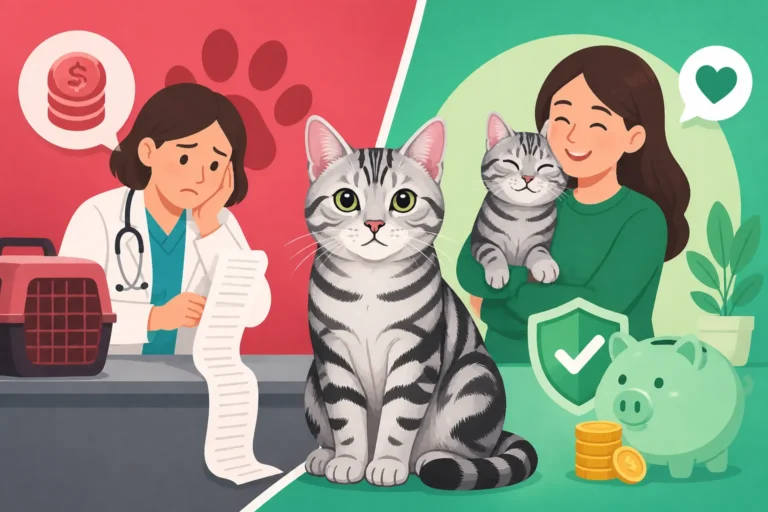
During these procedures, your veterinarian will perform a thorough scaling and polishing of all tooth surfaces, both above and below the gum line, removing plaque and tartar. Crucially, they will also take full mouth dental X-rays. This is where conditions like tooth resorption and bone loss are truly detected, as they are often invisible to the naked eye. Any teeth identified as problematic, such as those with advanced periodontitis or severe tooth resorption, will typically be extracted to alleviate pain and prevent further infection. This is often the time when an owner realizes What an American Shorthair Dental Costs With Extractions, which can be a significant investment, but it’s invaluable for their quality of life. An insurance provider like Healthy Paws often helps cover these unexpected but necessary procedures, easing the financial burden for proactive owners.
Addressing Senior Dental Needs
As your American Shorthair ages into their golden years, typically starting around 10-12 years old, their dental needs often become more pronounced and require even closer attention. Think about Caring for an American Shorthair Past Twelve; dental health is a huge component. Years of plaque accumulation, potential tooth resorption, and general wear and tear can lead to a higher incidence of dental disease in senior cats. Many senior American Shorthairs will likely need more frequent dental check-ups and potentially annual professional cleanings to keep pace with age-related deterioration.
The concern for older cats often revolves around the anesthesia required for dental procedures. However, with modern veterinary medicine, the risks for older cats are significantly minimized. Pre-anesthetic bloodwork, often including Which Blood Values Matter Most in an American Shorthair, and sometimes even chest X-rays, are routinely performed to ensure your cat is a good candidate for anesthesia. Many veterinarians also use advanced anesthetic monitoring and pain management protocols specifically tailored for older patients. The benefits of alleviating chronic dental pain and preventing systemic infections far outweigh the risks of a well-managed anesthetic procedure for most senior cats.
| Age Range (Years) | Typical Dental Needs & Frequency | Key Focus |
|---|---|---|
| 0-1 | Initial oral exam (kitten shots) | Jaw alignment, retained baby teeth |
| 1-6 | Professional cleaning every 1-3 years | Plaque/tartar removal, baseline X-rays |
| 7-12 | Professional cleaning every 1-2 years | Early detection of TR, managing gum disease |
| 13+ | Annual professional cleaning & X-rays | Pain management, extractions, systemic health |
Recognizing the Signs Your American Shorthair Needs a Dental
Because our American Shorthairs are so good at hiding pain, you really have to become a detective to pick up on the subtle clues that something might be amiss with their oral health. Waiting until obvious signs appear often means the problem is already severe.
Subtle Behavioral Clues to Watch For
Sometimes, the earliest indicators of dental pain aren't in their mouth at all, but in their general behavior. A cat experiencing oral discomfort might become a bit more withdrawn or irritable. If your usually friendly American Shorthair suddenly seems less inclined to cuddle or less tolerant of being handled around their face, it could be a sign of pain. You might notice changes in their grooming habits; perhaps they groom less frequently because the movement of their mouth is uncomfortable, or conversely, they might paw at their mouth more often.
Another common behavioral clue relates to eating. While a truly stoic cat might continue to eat normally, you might observe them chewing on one side of their mouth, dropping food, or showing a sudden preference for wet food over their usual kibble. They might approach their food bowl eagerly but then hesitate or cry out quietly when they start to eat. Sometimes, they might just eat smaller portions more slowly, taking longer to finish their meals. These aren't always definitive signs of dental issues, as they can indicate other problems too, but they definitely warrant a call to your vet.
Physical Indicators of Oral Pain
While your American Shorthair might not show outward signs of pain, there are physical indicators you can look for during a gentle at-home check, though a full assessment usually requires a vet. The most obvious, yet often overlooked, sign is bad breath, or halitosis. While no cat's breath smells like roses, unusually foul or persistent bad breath is a strong indicator of bacterial overgrowth and infection in the mouth.
Other physical signs can include drooling, especially if the saliva is tinged with blood. You might also notice redness, swelling, or bleeding gums, particularly if you try to gently lift their lip. Visible tartar buildup, which looks like a yellow or brownish crust on the teeth, is another clear sign. In more advanced cases, you might see loose or missing teeth, or even pus around the gum line. Some cats will paw at their mouth or rub their face against furniture, trying to alleviate the discomfort. If you see any of these signs, don't delay – your American Shorthair is likely in pain and needs professional attention.
The Importance of Regular Vet Checks
Even if your American Shorthair shows absolutely no behavioral or physical signs of dental issues, regular veterinary check-ups are non-negotiable for maintaining their health over a two-decade lifespan. Veterinarians are trained to spot the subtle nuances of early dental disease that we, as pet parents, might miss. They can perform a more thorough oral examination during your cat's annual wellness visit, checking for signs of gingivitis, palpating for jaw pain, and assessing the overall condition of the teeth and gums.
These routine check-ups are your best defense against silent progression of dental disease. Your vet can recommend when a professional cleaning is warranted, often based on their visual assessment. Remember, much of the problematic dental disease occurs below the gum line and can only be truly diagnosed with dental X-rays performed under anesthesia. So, even if your cat’s teeth look fine on the surface, that yearly vet visit is crucial for getting an expert opinion and planning for comprehensive dental care. This is a topic often covered when discussing How Regularly a Healthy American Shorthair Still Needs Checking.
Proactive Steps to Minimize Dental Procedures
While professional dental cleanings are often necessary, there's so much we can do at home to prolong the time between visits and keep our American Shorthairs more comfortable. Being proactive about oral hygiene can significantly reduce the number of invasive procedures needed over their long lives.
The Power of Daily Home Dental Care
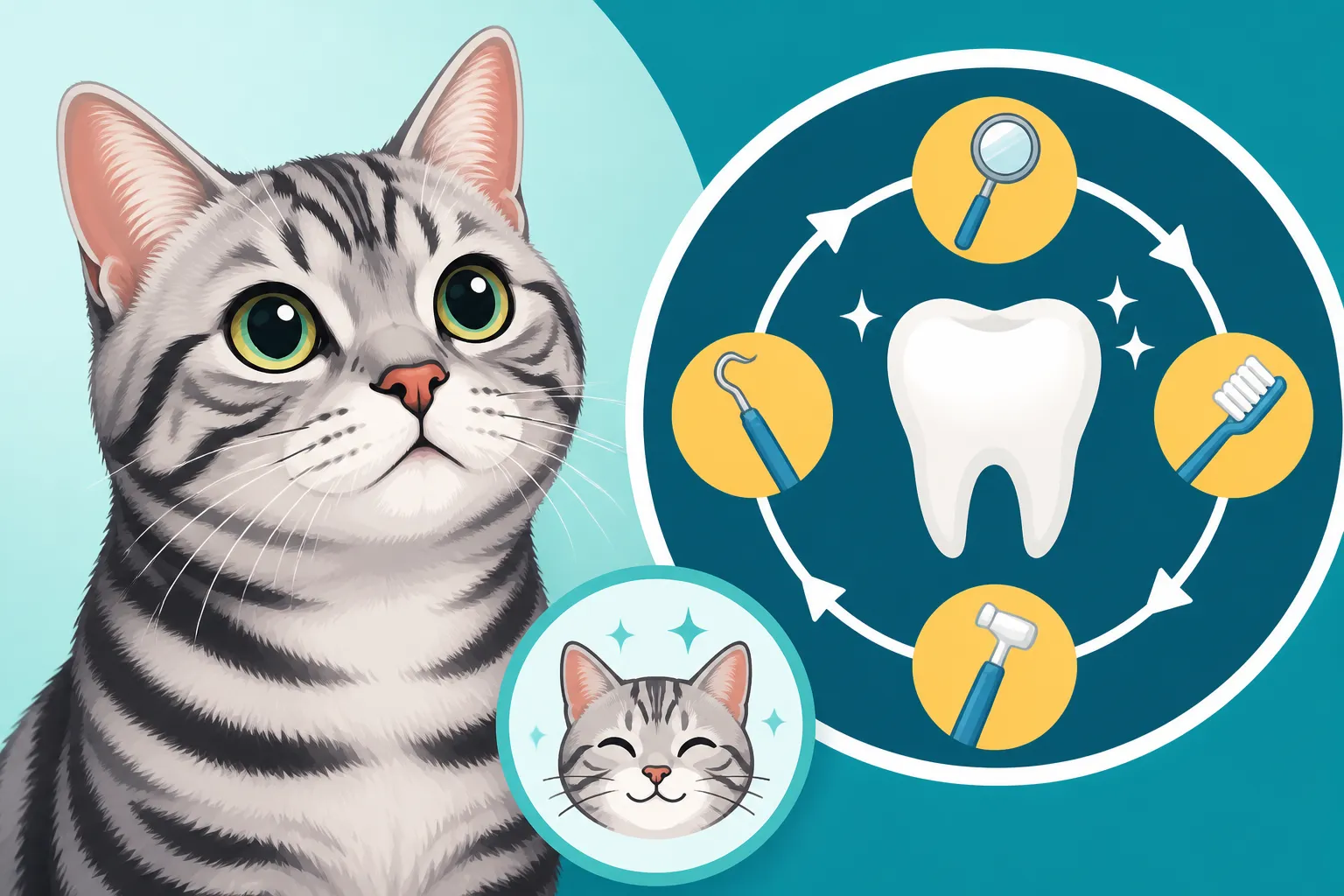
Nothing beats daily tooth brushing for preventing plaque and tartar buildup. I know, I know, the idea of brushing a cat's teeth can sound absolutely wild, especially with a strong-willed American Shorthair! But with patience, positive reinforcement, and starting early, many cats can learn to tolerate it. Use a soft, pet-specific toothbrush or a finger brush, along with enzymatic pet toothpaste (never human toothpaste!). Aim for gentle brushing along the gum line, focusing on the outside surfaces of the teeth, as these are where plaque accumulates most rapidly. Even a few seconds of brushing daily can make a huge difference.
If brushing is truly impossible, there are other options to support oral health. Dental wipes can help remove some plaque from tooth surfaces. Veterinary dental chews and treats, like those approved by the Veterinary Oral Health Council (VOHC), are specifically designed to help reduce plaque and tartar through mechanical action or special ingredients. Dental water additives, which you add to your cat's drinking water, can also help inhibit bacterial growth. While none of these are as effective as brushing, they are far better than doing nothing. For more specific guidance, consider checking out resources like How to Brush an American Shorthair's Teeth.
Nutritional Strategies for Better Oral Health
The role of diet in feline dental health is often misunderstood. As mentioned, most standard kibble offers minimal dental benefits. However, there are prescription dental diets available from your veterinarian that are formulated with unique kibble shapes and textures designed to mechanically scrub the tooth surface as your cat crunches, reducing plaque and tartar. Brands like Hill's Prescription Diet t/d or Royal Canin Dental are specifically designed for this purpose.
For cats prone to dental issues, incorporating these specialized diets can be a valuable part of their overall oral hygiene plan. It's important to consult with your veterinarian before switching to any prescription diet to ensure it meets all your American Shorthair's nutritional needs. While wet food doesn't offer any mechanical cleaning, ensuring your cat stays well-hydrated is always good for overall health, and some argue that a balanced diet supports a healthy immune system which can indirectly benefit oral health. The key is finding a balance that works for your cat and addresses their specific dental challenges.
Partnering with Your Veterinarian for Long-Term Health
Your veterinarian is your most important ally in maintaining your American Shorthair's dental health over their two-decade lifespan. Beyond routine exams and professional cleanings, they can provide tailored advice for home care, recommend appropriate dental products, and help you recognize early warning signs. They can also perform necessary bloodwork to ensure your cat is healthy enough for anesthesia, especially as they get older. This preventative approach, working closely with your vet, is key to minimizing the need for extensive interventions down the road.
If your American Shorthair does need a professional dental cleaning, your vet will ensure it's a safe and comfortable experience. They will monitor vital signs, administer pain medication, and perform any necessary extractions with skill and care. It’s comforting to know that generally, Why an American Shorthair Is a Low Anesthetic Risk compared to some other breeds, which can ease some of the worry associated with these necessary procedures. Investing in pet insurance, like a plan from Healthy Paws, can also provide peace of mind, knowing that the costs associated with regular dental cleanings and potential extractions are often covered, encouraging owners to seek care proactively rather than delaying due to financial concerns. This partnership with your vet is the cornerstone of your cat’s long-term health and comfort.
Disclaimer
This article is for general informational purposes only and does not constitute professional advice. Laws, prices and regulations vary by location and change over time. Consult a qualified professional for guidance on your specific situation.