Why Gum Disease Is the American Shorthair’s Quietest Problem
It's incredibly easy to overlook dental health in our beloved American Shorthairs, especially since these stoic felines are masters at hiding any sign of discomfort or pain. Many of us don't realize that gum disease can be silently progressing, slowly eroding their oral health and leading to far more serious systemic issues long before we ever notice a problem. This guide aims to shed light on why gum disease is often the American Shorthair's quietest health challenge and equip you with the knowledge to protect your cherished companion.
The Stealthy Nature of Feline Gum Disease in American Shorthairs
Our American Shorthairs are descendants of working cats, bred for centuries to be self-sufficient and hardy. This natural stoicism means they're incredibly adept at masking pain, a trait that unfortunately extends to dental issues. They won't usually cry out or stop eating until a problem is excruciatingly advanced, leaving many owners completely unaware of the silent battle raging in their cat's mouth. It's not because they don't hurt, it's because their instincts tell them to hide weakness.
Why American Shorthairs Rarely Show Obvious Pain
Imagine your cat, usually so robust and playful, suddenly flinching when you touch their cheek or refusing their favorite crunchy treat. For most breeds, these might be early indicators of dental trouble. However, with an American Shorthair, it's far less common to see such overt signs in the initial stages. Their historical role as barn cats and ships' mousers meant that any visible weakness could put them at a disadvantage in the wild. This deep-seated instinct to appear healthy and strong persists even in our pampered housecats. They'll often continue to eat, albeit sometimes slower or preferring wet food, and will try to carry on with their usual routines, making it incredibly difficult for even the most observant owner to detect an issue. This is why it's so important for us to be proactive, rather than waiting for signs that might never come until it's too late.
Even when gum disease is well into its painful stages, many American Shorthairs will adapt their eating habits subtly, for instance, chewing on one side of their mouth or swallowing kibble whole, rather than stopping eating altogether. This adaptation allows the problem to fester unnoticed. It's not uncommon for an owner to bring their seemingly normal cat in for a routine check-up, only for the vet to discover significant dental disease upon closer examination. This is also a huge reason why many owners find themselves asking, Why an Old American Shorthair Loses Teeth Nobody Noticed. The slow, insidious nature of the disease, combined with your cat's ingrained ability to mask discomfort, creates a perfect storm where dental problems can become quite severe before they are ever addressed.
The Gradual Onset That Fools Owners
Unlike a sudden injury, gum disease doesn't just appear overnight. It's a slow, progressive condition that starts with plaque and tartar buildup. Initially, this might just manifest as a faint yellowing on the teeth, something easily missed or dismissed as "just how cat teeth are." Over time, this buildup irritates the gums, leading to gingivitis – an inflammation of the gums. This stage is often painless, or only mildly uncomfortable, making it even harder to spot. Your American Shorthair continues its daily patrol, naps in sunbeams, and accepts head scratches without a whisper of complaint.
As the condition progresses, the inflammation becomes more severe, affecting the structures supporting the teeth. This is periodontitis, and it’s where real damage, and often irreversible pain, begins. Yet, because the progression is so gradual, cats tend to acclimate to the increasing discomfort. What might be excruciating pain for us humans is simply a new "normal" for a cat determined to hide any vulnerability. This means by the time you notice bad breath – often the first truly noticeable symptom for owners – the disease could be quite advanced, potentially necessitating costly and extensive dental procedures. Early intervention is key, and understanding this gradual onset helps you appreciate the need for regular vet check-ups.
Understanding the Stages of Periodontal Disease in Your Cat
To truly grasp the quiet threat of gum disease, it helps to understand its progression. It's not a single condition but a spectrum of issues, each building upon the last, steadily eroding your American Shorthair's oral health. Knowing these stages can help you advocate for your cat and understand what your veterinarian is looking for during examinations.
From Plaque to Gingivitis
It all begins with plaque, a sticky film of bacteria, saliva, and food particles that constantly forms on your cat's teeth. If not removed, this plaque hardens into tartar (or calculus) within a few days. Tartar, with its rough surface, provides an even better place for more plaque and bacteria to accumulate. You might notice this as a yellowish-brown crust, especially on the outside of the upper back teeth. At this point, the irritation caused by the bacteria often leads to gingivitis, the earliest and most reversible stage of gum disease.
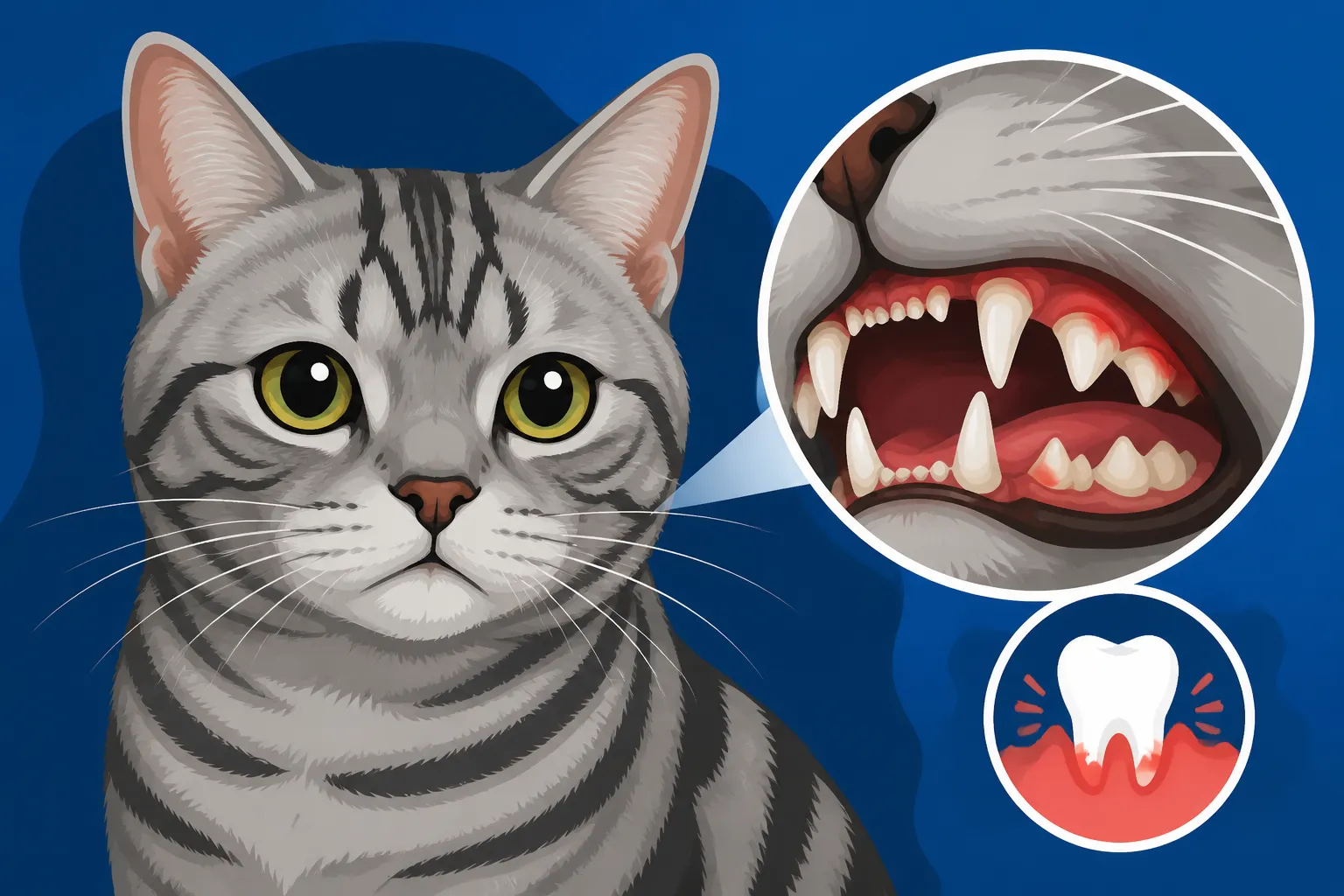
Gingivitis means the gums are inflamed. They might appear redder than usual, swollen, and could bleed easily if gently touched. You might even notice a slightly unpleasant odor from your cat's mouth. The good news is that at this stage, with professional cleaning and diligent home care, the gums can usually return to a healthy state, as there's no irreversible damage to the bone or ligaments supporting the teeth. However, because American Shorthairs are so stoic, these subtle signs are almost always missed by owners, making regular veterinary dental assessments crucial.
The Progression to Periodontitis
If gingivitis is left untreated, it inevitably progresses to periodontitis. This is where the quiet problem turns serious. The bacteria don't just stay on the surface of the teeth and gums; they start to migrate beneath the gum line, attacking the deeper structures that hold the teeth in place. The immune system tries to fight off this infection, leading to further inflammation and the destruction of the periodontal ligament and alveolar bone. Pockets form between the teeth and gums, filling with bacteria and pus, which can cause significant pain and infection.
At this stage, your cat might experience loose teeth, bone loss around the tooth roots, and even abscesses. The pain becomes chronic, though still often hidden by your American Shorthair. Bad breath becomes more pronounced, and you might notice them drooling, pawing at their mouth, or simply seeming a little less energetic. This irreversible damage means that teeth may need extraction, and your cat will likely experience ongoing discomfort if not treated. The goal, of course, is to prevent it from ever getting this far, but it highlights why regular vet visits are non-negotiable for a cat known for its quiet demeanor.
Here’s a simplified breakdown of the stages of periodontal disease:
| Stage Name | Description | Key Signs (often hidden in ASH) | Treatment Approach |
|---|---|---|---|
| Stage 0: Healthy | No inflammation, clean teeth. | Pink gums, no odor. | Routine brushing, preventive care. |
| Stage 1: Gingivitis | Gums inflamed due to plaque/tartar buildup. | Red gum line, mild swelling, slight bad breath. | Professional cleaning, home dental care. (Reversible) |
| Stage 2: Early Periodontitis | Gingivitis plus slight bone loss. Pockets forming. | More redness/swelling, noticeable bad breath, minor bone loss visible on X-ray. | Professional cleaning, possibly antibiotics. (Irreversible bone loss begins) |
| Stage 3: Moderate Periodontitis | Moderate bone loss, deeper pockets, tooth mobility. | Significant bad breath, moderate bone loss, loose teeth. | Professional cleaning, root planing, extractions. |
| Stage 4: Advanced Periodontitis | Severe bone loss, extensive tissue destruction, severe tooth mobility. | Severe bad breath, pus, wobbly teeth, refusing hard food. | Extensive extractions, advanced oral surgery. |
The Far-Reaching Impact of Untreated Dental Problems
Gum disease isn't just about bad breath or losing a tooth. Because the mouth is so intrinsically connected to the rest of the body, unchecked periodontal disease can lead to serious systemic health issues, turning a quiet dental problem into a widespread health crisis for your American Shorthair. The constant presence of bacteria and inflammation in the mouth creates a gateway for infection to travel to other organs.
Pain, Tooth Loss, and Resorptive Lesions
At the most immediate level, advanced gum disease is incredibly painful. While your American Shorthair may try to hide it, imagine living with a persistent toothache or inflamed gums. This chronic pain can significantly impact their quality of life, affecting their mood, activity levels, and even their desire to engage with you. Over time, the destruction of the supporting structures of the teeth inevitably leads to tooth loss. Missing teeth can make eating difficult, especially for older cats, and can further contribute to a decline in overall health.
Beyond gum disease, cats are also prone to Feline Odontoclastic Resorptive Lesions (FORLs), often called "neck lesions" or "cavities" by owners. These are incredibly painful erosions that occur on the tooth surface, usually at the gum line. They can affect any tooth and are often hidden beneath the gum, making them difficult to spot without a thorough veterinary examination and X-rays. Unlike human cavities, they're not caused by decay but by the cat's own body reabsorbing part of the tooth. These lesions are excruciatingly painful and often require extraction of the affected tooth. It's yet another silent dental threat that your resilient American Shorthair may endure without complaint.
Systemic Health Complications
Perhaps the most insidious aspect of untreated gum disease is its link to other serious health problems throughout the body. The chronic bacterial infection and inflammation in the mouth can lead to bacteria entering the bloodstream, traveling to vital organs like the heart, kidneys, and liver. This can exacerbate existing conditions or even trigger new ones. For instance, bacteria from severe dental disease can contribute to or worsen heart conditions, leading to endocarditis, an inflammation of the heart's inner lining. Given that some American Shorthairs are susceptible to issues like Hypertrophic Cardiomyopathy (HCM), an existing dental infection could potentially add further strain on an already compromised heart.
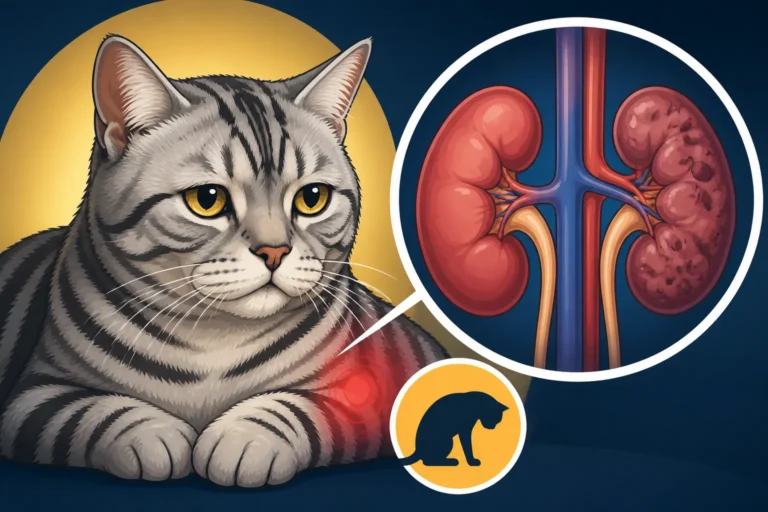
Similarly, the kidneys are constantly filtering waste from the blood, and a persistent bacterial load from the mouth can put immense stress on these organs, potentially contributing to or accelerating kidney disease. This is particularly concerning as our American Shorthairs age, as conditions like How Kidney Disease Creeps Up on an Old American Shorthair are already common in senior felines. The inflammation itself also puts a systemic burden on the body, which can suppress the immune system and make your cat more vulnerable to other illnesses. It’s a stark reminder that oral health is truly a window into your cat's overall well-being.
Empowering Yourself: Prevention and Early Intervention
Given the quiet nature of gum disease in American Shorthairs, being proactive is the best defense. This means a multi-pronged approach that combines home care with regular professional veterinary attention. Don't wait for your cat to show obvious signs of pain; by then, the problem is likely well-established.
The Crucial Role of Veterinary Dental Check-ups
Regular veterinary check-ups are the cornerstone of dental health, especially for our American Shorthairs who are so good at hiding pain. During these annual visits, your vet will perform an oral examination, looking for signs of plaque, tartar, gingivitis, and any abnormalities. They'll also be able to assess the overall health of your cat’s mouth. However, a full and thorough dental assessment often requires sedation. This is because cats, even the most docile American Shorthairs, won't tolerate a probing examination of their entire mouth while awake. Under anesthesia, your vet can safely and thoroughly examine each tooth, probe for pockets under the gum line, and take dental X-rays to assess the health of the tooth roots and jawbone – something impossible to do on a conscious cat.
These professional dental cleanings are absolutely vital for removing tartar above and below the gum line. During the procedure, your vet will scale the teeth to remove plaque and tartar, polish them to smooth the surface (making it harder for plaque to stick), and may perform extractions if necessary for diseased or painful teeth. It's a comprehensive process that goes far beyond what you can do at home. Don't let concerns about anesthesia hold you back; modern veterinary anesthesia protocols are very safe, and American Shorthairs generally have Why an American Shorthair Is a Low Anesthetic Risk compared to some other breeds. Discuss any concerns you have with your vet, and they can explain the pre-anesthetic bloodwork and monitoring they'll perform. Remember, How Regularly a Healthy American Shorthair Still Needs Checking for their overall health includes their dental health!
Home Dental Care You Can Actually Do
While professional cleanings are essential, daily home care is your best friend in preventing plaque and tartar buildup. The gold standard is brushing your cat's teeth daily, or at least several times a week, using a cat-specific toothbrush and toothpaste (never human toothpaste!). Start slowly and make it a positive experience, introducing it when your American Shorthair is relaxed. Even if you can only manage a few seconds on the outer surfaces of their teeth, it makes a huge difference.
If brushing isn't feasible, there are other options to support dental health. Look for dental diets specifically formulated to reduce plaque and tartar, often indicated by a Veterinary Oral Health Council (VOHC) seal. These kibbles are designed to mechanically scrub the teeth as your cat chews. Dental treats, water additives, and oral rinses can also contribute, but always choose products with the VOHC seal, as this indicates they have been scientifically proven to be effective. Products without this seal may offer little to no benefit. While Whether Kibble Does Anything for an American Shorthair's Teeth is a common question, VOHC-approved dental kibble truly can help as part of a comprehensive strategy.
Understanding the Costs and Planning Ahead
Let's be realistic: dental care, especially professional cleanings and extractions, can be expensive. What an American Shorthair's Dental Costs With Extractions can vary widely depending on the severity of the disease, the number of extractions needed, and your geographic location. This financial aspect is often a barrier for owners, but it’s crucial to remember that addressing dental issues early is almost always less expensive than waiting until the disease is advanced and requires complex surgery. Think about the long-term impact on your cat's health and your wallet.
Investing in a good pet insurance plan, like those offered by Healthy Paws, can certainly alleviate some of the financial stress associated with unexpected dental procedures. While routine cleanings might not always be covered, treatment for periodontal disease, tooth extractions, and associated medications often are if the condition isn't pre-existing. Planning for these potential costs is part of responsible pet ownership. A proactive approach, including regular vet visits as part of Caring for an American Shorthair Past Twelve, allows for early detection, which can save you money and, more importantly, save your American Shorthair from unnecessary pain and suffering.
Disclaimer
This article is for general informational purposes only and does not constitute professional advice. Laws, prices and regulations vary by location and change over time. Consult a qualified professional for guidance on your specific situation.