How a Vet Builds an American Shorthair’s Weight Loss Plan
Many American Shorthairs, despite their robust genetics, struggle with weight gain, especially as their active lifestyles shift to indoor living. This isn't just about aesthetics; excess weight can lead to serious health complications and shorten their otherwise impressive lifespans. This guide will walk you through how your veterinarian develops a tailored weight loss plan for your cherished American Shorthair, addressing common frustrations and offering practical, empathetic advice.
Understanding Why American Shorthairs Gain Weight
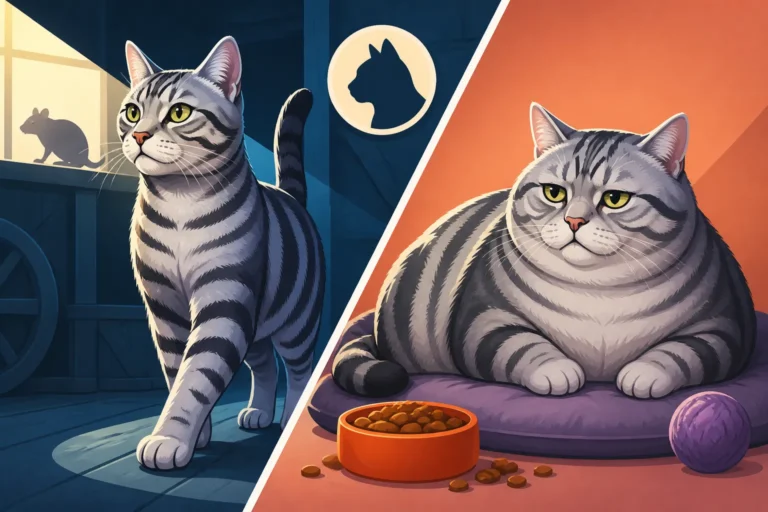
It’s a frustrating reality for many American Shorthair owners: one minute your cat is a lean, active companion, and the next, they’re looking a little rounder, a little less energetic. This isn't a reflection of your care, but often a confluence of their natural predispositions and modern domestic life. These cats were historically working animals, bred for their strength and agility in controlling rodent populations, which meant they were constantly burning calories through hunting and patrolling. When we bring them into our homes, we inadvertently remove that crucial element of their daily energy expenditure.
The Hunter's Instinct Versus Modern Life
American Shorthairs carry a deeply ingrained hunting drive. Centuries of selective breeding for usefulness meant they developed a powerful metabolism and an instinct to eat when food was available, a survival mechanism from their days as barn cats or ship's mousers. They weren’t designed for a life where food appears in a bowl twice a day with no effort required. This innate drive, combined with the comfortable indoor lifestyle, creates a perfect storm for weight gain. It's truly a testament to their heritage, but one that requires careful management in a domestic setting. If you've ever wondered why your American Shorthair seems to have an insatiable appetite, it harks back to their ancestors who had to "earn" every meal. Their bodies are built for muscle and activity, not for lounging and over-eating. It’s no wonder so many owners find themselves asking, "Why Ending the Mousing Job Made the American Shorthair Heavy".
Calorie Needs and Lifestyle Changes
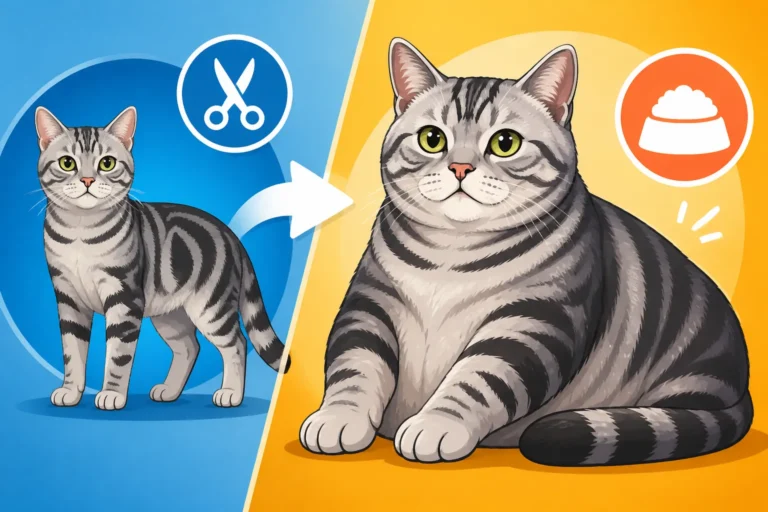
The equation for weight gain is simple: calories consumed exceed calories burned. For an indoor American Shorthair, particularly one that's been spayed or neutered, their calorie needs plummet significantly. Suddenly, the amount of food that might have been appropriate for an active, intact cat becomes far too much for a pet whose primary activity is moving from the sofa to the food bowl. Owners often feel guilty limiting food, imagining their cat is perpetually hungry. However, this isn't about deprivation; it's about providing the right amount of fuel for their actual energy output. Many cats also gain weight simply because their activity levels have decreased with age, or if their environment doesn't offer enough mental and physical stimulation. The struggle is real, and it often feels like an uphill battle trying to balance their strong appetite with their reduced energy expenditure. You might be surprised to learn "How Few Calories an Indoor American Shorthair Burns".
The Comprehensive Vet Assessment
Before any weight loss journey truly begins, a thorough veterinary assessment is absolutely essential. You can't just put your cat on a diet without understanding the full picture. Your vet isn't just going to weigh your American Shorthair; they'll delve much deeper to ensure the weight gain isn't a symptom of a more serious underlying issue and to establish a safe, effective, and realistic plan. This initial visit lays the groundwork for success and helps avoid pitfalls that could harm your cat's health.
Beyond the Scale: Body Condition Scoring
While the number on the scale is a starting point, it doesn't tell the whole story, especially for a muscular breed like the American Shorthair. A vet will use a Body Condition Score (BCS) system, which typically ranges from 1 (emaciated) to 9 (obese), with 5 being ideal. This involves feeling your cat’s ribs, spine, and waistline, as well as observing their overall shape. A cat that looks a little "chunky" might actually be quite overweight if their frame is naturally solid. Learning "How to Spot Weight Gain on a Square Built American Shorthair" is critical for owners.
A BCS helps to objectively assess your cat's fat reserves and muscle mass. For an American Shorthair, who is known for their sturdy, square build, this assessment is crucial. They are naturally broad-chested and muscular, so simply looking at them from above might not immediately reveal excess fat. A vet will feel along their ribs – can you feel them easily without pressing hard, or do you have to search? Do they have a discernible waist when viewed from above, or do they look like a continuous tube? And when you look from the side, is there an abdominal tuck, or does their belly sag?
| BCS Score | Description | Key Indicators for American Shorthair |
|---|---|---|
| 1 | Severely Underweight | Ribs, spine, pelvic bones easily visible; no discernible fat. |
| 3 | Underweight | Ribs easily palpable; minimal fat; prominent waist. |
| 5 | Ideal Weight | Ribs palpable with slight fat cover; clear waist; abdominal tuck. |
| 7 | Overweight | Ribs palpable with difficulty; moderate fat cover; no waist; slight abdominal sag. |
| 9 | Obese | Ribs not palpable; heavy fat deposits; abdominal distension; no waist. |
This table illustrates the general guidelines vets use. Your vet will explain where your cat falls on this scale and what an ideal BCS of 5 looks and feels like for your particular cat. Understanding this is key to setting realistic goals, as two cats of the same weight might have different ideal body conditions based on their frame and muscle mass. You want to aim for "What an American Shorthair Should Weigh at Its Frame".
Ruling Out Underlying Health Issues
Before embarking on a weight loss journey, your vet will perform a full physical exam and likely recommend blood work, a urinalysis, and potentially other diagnostic tests. Why? Because weight gain can sometimes be a symptom of underlying health conditions like hypothyroidism (though less common in cats than dogs), Cushing's disease, or even certain metabolic disorders. More commonly, excess weight causes or exacerbates serious health problems, so screening for these is critical.
For instance, an overweight American Shorthair is at a significantly higher risk for developing diabetes, osteoarthritis, urinary tract issues, and even certain types of cancer. If your cat is already showing signs of stiffness or reluctance to jump, their joints might already be under strain, a common consequence of "What Extra Weight Does to an American Shorthair's Working Frame". The vet needs to know if these conditions are present so they can be managed alongside the weight loss plan. This comprehensive health check ensures that the weight loss strategy is safe and considers any pre-existing health concerns. Sometimes, managing an underlying condition might even be the first step towards successful weight loss. It’s a vital part of proactive care, and many pet insurance providers, like Healthy Paws, recognize the importance of these diagnostic steps in preventing more serious future health crises.
Crafting the Tailored Nutritional Plan
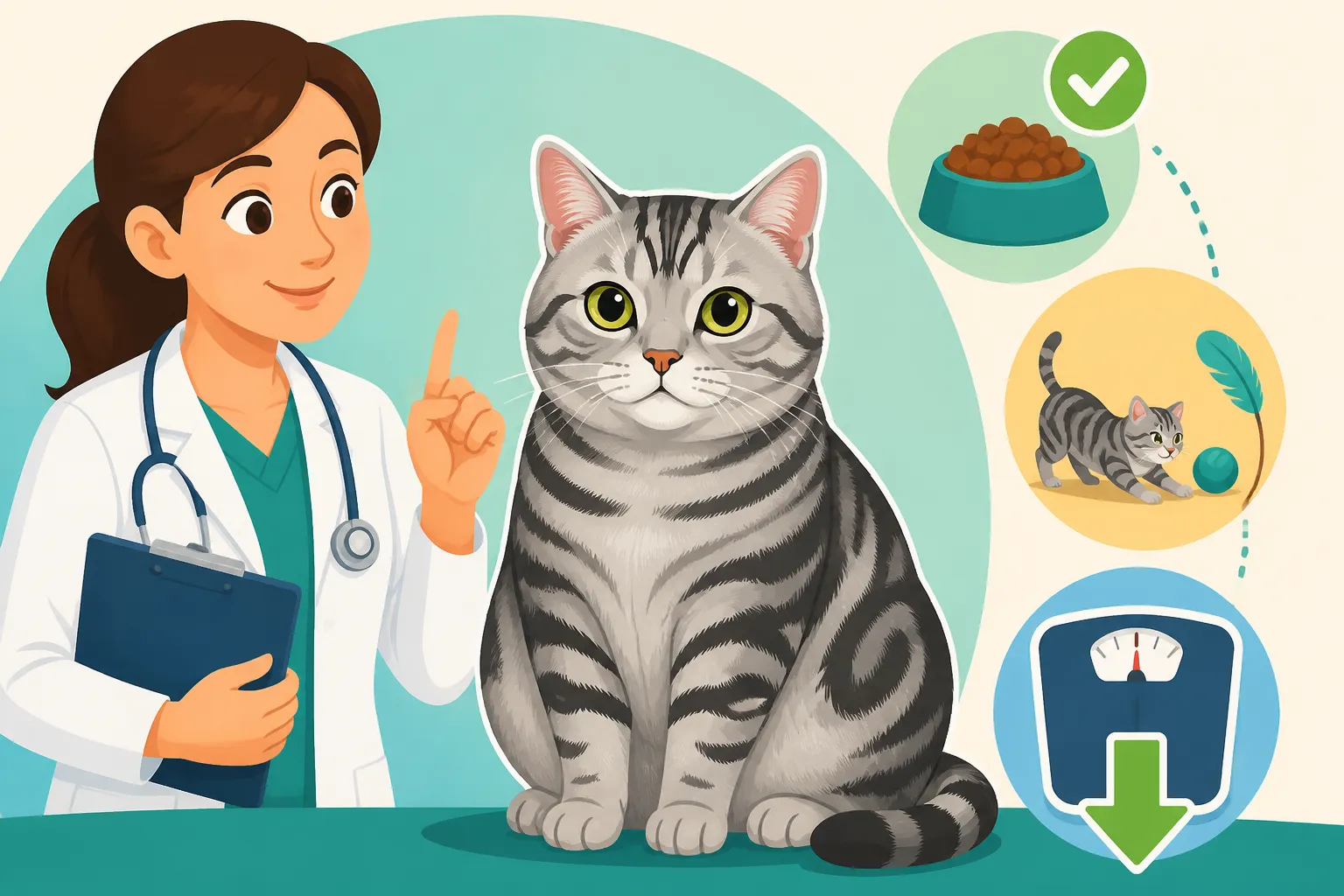
Once your American Shorthair has had a thorough health check, your vet will work with you to develop a customized nutritional plan. This isn't a one-size-fits-all approach. It takes into account your cat's current weight, target weight, activity level, age, and any specific health considerations. The goal is to create a calorie deficit that allows for gradual, safe weight loss, avoiding any health complications that can arise from losing weight too quickly. This is where many owners feel overwhelmed, but your vet is there to guide you through every step.
Choosing the Right Diet Food
The type of food your American Shorthair eats plays a huge role in successful weight loss. Your vet will likely recommend a prescription weight management diet. These diets are specially formulated to be lower in calories but higher in fiber and protein, which helps your cat feel full and satisfied while still losing weight. The increased protein helps maintain muscle mass, which is crucial for a breed like the American Shorthair, ensuring they lose fat, not valuable muscle. The fiber content can also help regulate digestion and keep your cat feeling satiated between meals.
It's tempting to just feed less of your cat's regular food, but this often leads to nutritional deficiencies because it reduces essential vitamins and minerals along with calories. Prescription diets are balanced to provide complete nutrition even at reduced calorie levels. There are various options, including wet and dry formulas. Many vets lean towards wet food for weight loss as it has a higher water content, contributing to satiety and supporting urinary health. You might consider asking your vet, "Whether an American Shorthair Needs Wet Food" for optimum results. Discuss with your vet which specific brand and type of food (e.g., Royal Canin Satiety Support or Hill's Prescription Diet Metabolic) would be best for your American Shorthair's unique needs. This personalized approach is far more effective than simply cutting back on their regular food.
Precision Portioning and Feeding Strategies
Once the food is chosen, the next critical step is precision portioning. Your vet will calculate the exact number of calories your American Shorthair needs daily to achieve a safe weight loss of about 0.5% to 2% of their body weight per week. This might involve using a specialized scale to measure food precisely, rather than relying on scoops, which can be inaccurate. This calorie target will then be translated into a specific amount of the chosen diet food.
Beyond just the amount, how you feed your American Shorthair is also important. Instead of one or two large meals, smaller, more frequent meals can help manage hunger and keep their metabolism more active throughout the day. Puzzle feeders or hiding small portions around the house can also engage their natural hunting instincts and make them "work" for their food, mimicking their ancestral behaviors. This provides mental stimulation and slows down their eating, helping them feel fuller. This also helps to prevent issues like "Why Fast Weight Loss Gives an American Shorthair Fatty Liver", a serious complication of rapid calorie restriction. Creating a routine where food isn’t just freely available is a game-changer. Remember, the journey can take "How Many Months an American Shorthair's Weight Plan Runs", so patience and consistency are key.
Integrating Activity and Enrichment
Diet alone is rarely enough for sustained weight loss and overall well-being. Just as important as managing calories is increasing your American Shorthair's activity level and providing ample mental enrichment. This taps into their natural instincts and helps them burn calories, build muscle, and stay happy and engaged, preventing boredom-related overeating or destructive behaviors.
Making Exercise Fun and Consistent
Encouraging an American Shorthair to move isn't always easy, especially if they're already overweight and less inclined to play. The key is short, frequent bursts of activity rather than trying to force a long play session. Think about activities that mimic hunting: wand toys that dart and hide, chasing toys, or even laser pointers (just be sure to end with a tangible "catch" to prevent frustration). Schedule these playtimes regularly, ideally 10-15 minutes, two to three times a day.
Cat trees and vertical spaces can also encourage climbing and jumping, utilizing their natural agility. If your American Shorthair is food motivated (and many are!), using some of their daily portion in a puzzle feeder or scattering kibble for them to "hunt" can make exercise feel less like work and more like play. This not only burns calories but also satisfies their innate desire to stalk and chase. Even simply encouraging them to follow you from room to room can add to their daily movement. Consistency is far more effective than sporadic intense sessions. Many American Shorthairs, despite their relaxed demeanor, actually enjoy interactive play once they get going, which can also help them burn off "How Much an American Shorthair Sleeps".
Mental Stimulation for a Satisfied Cat
Beyond physical exercise, mental enrichment is vital to prevent boredom, which can often lead to overeating or lethargy. American Shorthairs are intelligent and curious cats, and their minds need to be engaged. Puzzle feeders, as mentioned, serve a dual purpose of physical and mental stimulation. Rotating toys to keep them novel and exciting can also help.
Consider introducing new scents (like catnip or silvervine), providing safe window perches for bird-watching, or even clicker training for simple tricks. These activities tap into their innate curiosity and problem-solving abilities. A mentally stimulated cat is a happier cat, and a happier cat is less likely to seek comfort or stimulation through constant eating. For some American Shorthairs, even a securely screened catio can provide immense enrichment by allowing them to observe the outdoors safely, stimulating their senses without the risks of free-roaming. Providing this kind of engaging environment is crucial to a holistic weight loss strategy, as it addresses both their physical and psychological needs.
Monitoring Progress and Long-Term Success
Weight loss in cats is a marathon, not a sprint. It requires dedication, consistency, and regular communication with your veterinarian. You won't see drastic changes overnight, and that's perfectly normal. The goal is steady, sustainable weight loss that protects your American Shorthair's health.
Regular Weigh-Ins and Adjustments
Your vet will likely schedule regular follow-up appointments, typically every 2-4 weeks, for weigh-ins and reassessments. These visits are crucial for tracking progress and making necessary adjustments to the plan. If your cat isn't losing weight at the desired rate, the vet might slightly reduce their daily calorie intake or suggest ways to increase activity further. Conversely, if they're losing weight too quickly, the plan might be adjusted to prevent muscle loss or other health complications.
These check-ins also provide an opportunity to discuss any challenges you're facing. Are there issues with palatability of the diet food? Is your cat refusing to play? Your vet can offer solutions and support, reinforcing that you're not alone in this journey. Remember, the weight loss plan is dynamic, and adjustments are a normal part of the process. It's also a good time to discuss if the weight has contributed to other issues, like joint pain, where "Whether Pain Relief Extends an American Shorthair's Active Years" might become a relevant conversation. Maintaining regular vet visits, especially for a condition like obesity, also highlights the value of pet insurance, as many plans, including those from Healthy Paws, help cover the costs of these necessary check-ups and any associated treatments.
The Importance of Patience and Consistency
Perhaps the hardest part of any weight loss plan is maintaining patience and consistency. It can be disheartening when progress seems slow, or if your American Shorthair vocalizes their "hunger" (which is often more about habit than true hunger). Stick to the plan diligently, even when it feels tough. Every small step forward is a victory. The long-term benefits for your cat’s health are immeasurable.
Consistent feeding schedules, unwavering portion control, and regular interactive play are the pillars of success. Remember the potential risks of obesity: "How Weight Turns Into Diabetes in an American Shorthair", increased strain on joints, and a reduced quality of life. By committing to the weight loss plan, you are not depriving your cat; you are extending their healthy, happy years. Once your cat reaches their ideal weight, the maintenance phase begins, which involves finding the right balance of food and activity to keep them at a healthy weight for the rest of their lives. It’s a lifelong commitment to their well-being, and one that is incredibly rewarding.
Disclaimer
This article is intended for informational purposes only and does not constitute veterinary advice. Always consult with a qualified veterinarian for any health concerns or before making any decisions about your pet's care or treatment. Individual results may vary.