Which Hip Grade an American Shorthair Should Have
One of the silent worries many American Shorthair owners face, often without even realizing it, revolves around their cat's foundational health: their hips. Unlike some breeds where hip issues are front and center, the stoic and generally robust American Shorthair can mask discomfort, making it crucial to understand what constitutes good hip health and the grading systems designed to assess it. This guide will delve into what hip grades mean for your American Shorthair, what to look for, and how to ensure your beloved companion enjoys a comfortable, active life.
Understanding Hip Dysplasia in American Shorthairs
It’s easy to assume hip dysplasia is primarily a dog problem, but cats, including our sturdy American Shorthairs, can indeed be affected. While often less overtly debilitating than in larger dog breeds, feline hip dysplasia can still lead to significant discomfort, reduced mobility, and a diminished quality of life if left unaddressed.
What Exactly is Hip Dysplasia?
Hip dysplasia is a malformation of the hip joint, where the ball (the head of the femur) and socket (the acetabulum of the pelvis) don't fit together properly. Instead of a smooth, congruent fit that allows for fluid movement, the joint can be loose or poorly formed. Over time, this abnormal fit causes friction and wear, leading to degenerative joint disease, or osteoarthritis. The body tries to compensate by laying down new bone, but this only makes the joint stiffer and more painful.
In American Shorthairs, this condition can manifest in varying degrees. A cat might have mild dysplasia with minimal symptoms, or severe dysplasia leading to significant pain and mobility issues. It's a genetic condition, meaning it's inherited from the parents, though environmental factors like rapid growth, obesity, and excessive exercise during kittenhood can exacerbate its severity. The frustration here is that a cat might carry the gene but show no outward signs, passing it on unknowingly.
Why Are American Shorthairs Susceptible?
You might wonder, "My American Shorthair is so hardy, how can they get hip dysplasia?" The truth lies partly in their historic build and function. American Shorthairs were originally bred as working cats, valued for their strength, agility, and robust frame, perfect for keeping vermin at bay on farms and ships. This meant a strong, muscular body with broad shoulders and a powerful hind end. However, this very conformation, which gave them their working prowess, can sometimes predispose them to hip issues, particularly if the genetic blueprint isn't perfectly aligned.
We've explored this in more detail in articles like "Why a Stocky Build Costs an American Shorthair Its Hips" and "Why a Broad Chested American Shorthair Puts Weight Through Its Hips". The breed standard calls for a medium to large cat, well-muscled and powerful. While generally healthy, this breed isn't entirely immune to the structural challenges that come with any specific build, especially when dealing with inherited predispositions. The problem often isn't recognized until later in life, as these stoic cats are masters at hiding pain.
Early Signs to Watch For
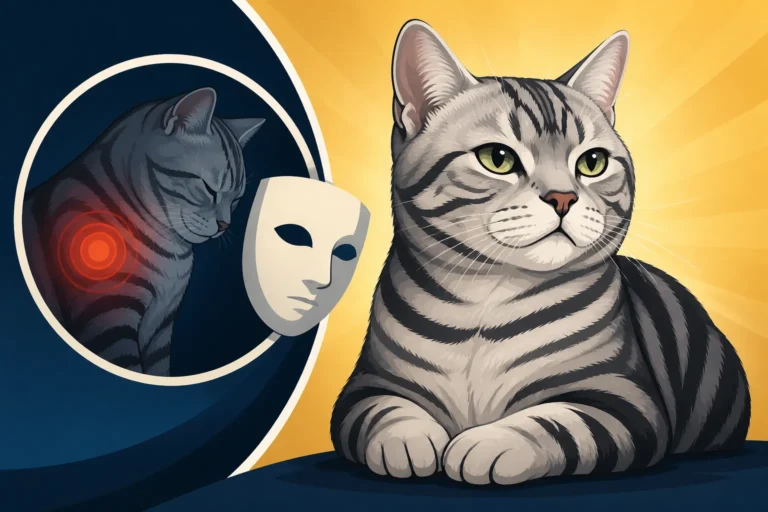
Catching hip dysplasia early can make a world of difference in managing the condition and maintaining your cat's quality of life. The challenge is that cats, and particularly the independent American Shorthair, are notoriously good at masking pain. They won't limp dramatically like a dog often would. Instead, their signs are far more subtle.
You might notice a decrease in their usual activity levels. Perhaps they’re not jumping to their favorite window perch or the counter with the same ease or frequency, a topic covered in "Why an American Shorthair Stops Jumping to the Counter". They might hesitate before using stairs, or you could observe a subtle stiffness, especially after resting. They might start favoring lying in certain positions or avoid situations that require hip extension, like stretching out fully. Sometimes, they might groom their hindquarters less effectively, leading to matted fur in hard-to-reach areas. An unusual gait, like a "bunny hop" when running, can also be a red flag. Any changes in behavior, however slight, that suggest discomfort or reluctance to move should warrant a visit to your veterinarian.
The Hip Grading System: What It Means
Understanding how hip health is assessed is crucial for both breeders and pet owners. While different organizations use slightly varied grading systems, the underlying principle is to evaluate the integrity and congruence of the hip joints. The goal is to identify cats with healthy hips and prevent those with dysplastic hips from passing on the condition.
Overview of Common Grading Systems
In North America, the two most recognized systems for evaluating canine and feline hips are the Orthopedic Foundation for Animals (OFA) and PennHIP. While OFA is more commonly associated with dogs, they do offer a hip evaluation registry for cats. The British Veterinary Association (BVA) scheme is prevalent in the UK and parts of Europe.
- OFA (Orthopedic Foundation for Animals): This system evaluates hip radiographs (X-rays) based on specific criteria like hip joint conformation, subluxation (partial dislocation), degenerative changes, and acetabular depth. A panel of three independent radiologists reviews the X-rays and assigns a consensus grade.
- PennHIP: This method uses a different radiographic technique that measures hip laxity (looseness), which is a primary indicator of hip dysplasia risk. It provides a distraction index (DI) that quantifies the amount of laxity, giving a more objective assessment of a cat's genetic predisposition.
- BVA (British Veterinary Association) / Kennel Club Hip Score Scheme: This system assigns a numerical score to nine different features of each hip, with a total score ranging from 0 to 106 (0 being perfect). Lower scores indicate better hip health.
While all provide valuable information, American Shorthair breeders often utilize OFA, which offers a straightforward grading system for cats.
How Hip Assessments are Performed
Regardless of the specific grading system, the assessment of hip health relies heavily on radiography. The cat needs to be precisely positioned to get accurate, reproducible images of the hip joints. This usually involves:
- Sedation or Anesthesia: To ensure the cat is still and relaxed enough for proper positioning, and to alleviate any discomfort from the stretching required, mild sedation or general anesthesia is almost always necessary. This ensures optimal muscle relaxation, which is critical for accurate imaging.
- Specific Positioning: For OFA evaluations, the cat is typically placed on its back with the hind legs extended straight back and parallel to each other, with the femurs rotated internally. This positioning helps to showcase any laxity or degenerative changes in the hip joint. We've gone into detail about this precise technique in "How an American Shorthair's Hips Are Positioned for X Ray".
- Taking X-rays: Multiple radiographic views are often taken to give the veterinary radiologist a comprehensive look at the joint structure. These images are then sent to the respective organization (OFA, PennHIP, BVA) for evaluation by certified specialists.
It's a process that requires a skilled veterinary team and specialized equipment to ensure the best possible diagnostic images. This is an investment in your cat’s future health, and you might wonder what the cost implications are, which is covered in "What an American Shorthair's Hip X Rays Cost".
Interpreting the Grades: OFA's Categories
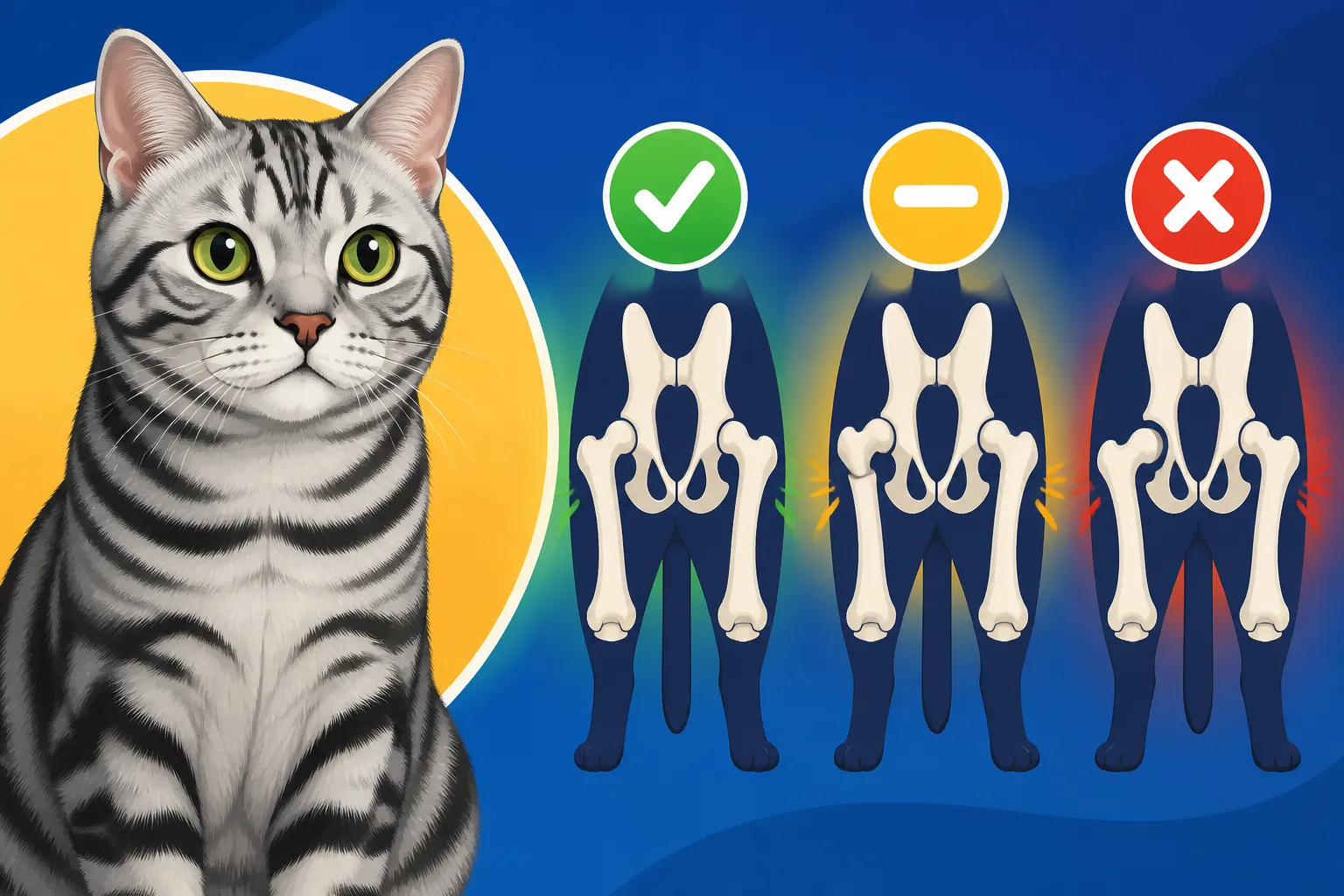
For American Shorthairs being evaluated by OFA, the results are typically categorized into grades that indicate the quality of the hip joints. These grades are:
- Excellent: Superior hip conformation. The femoral head fits deeply and snugly into the acetabulum, with minimal joint space and no signs of laxity or degenerative disease. This is the gold standard, indicating a very low risk of hip dysplasia developing.
- Good: Well-formed hips with a good congruency between the femoral head and acetabulum. There might be a slightly wider joint space than "Excellent," but still considered sound.
- Fair: Passable hip conformation. The hips are structurally normal but with some minor irregularities. There might be slight laxity or a minor incongruency. These cats are still considered to have "normal" hips, though not ideal.
- Borderline: This is a tricky category, meaning the hips aren't clearly normal or dysplastic. They have some features that might suggest mild dysplasia, but not enough to definitively diagnose it. Re-evaluation at a later date might be recommended.
- Mild Dysplasia: Evidence of mild hip dysplasia, such as some hip laxity, shallow acetabulum, or minor degenerative changes. These cats may or may not show clinical signs.
- Moderate Dysplasia: Significant hip laxity, shallow acetabulum, and clear signs of degenerative joint disease. These cats are likely to experience discomfort and mobility issues.
- Severe Dysplasia: Marked hip laxity, significant malformation of the joint, and extensive degenerative changes. These cats almost invariably suffer from pain and severe mobility limitations.
Understanding these grades is vital for potential owners and, especially, for breeders to make informed decisions about breeding stock.
Ideal Hip Grades for American Shorthairs
When it comes to the health of our beloved American Shorthairs, we always want the best for them. Hip health is no exception, and knowing what constitutes an ideal hip grade can help owners and breeders alike ensure a higher quality of life for these magnificent cats.
What Breeders Should Aim For
For responsible American Shorthair breeders, the objective is unequivocally to produce cats with hips graded as Excellent or Good by a recognized registry like OFA. "Fair" is also considered within the "normal" range by OFA, meaning these cats are not classified as dysplastic. However, most conscientious breeders will strive for "Good" or "Excellent" to minimize any potential genetic predisposition to hip issues in future generations.
Why is this so important? Because hip dysplasia is an inherited condition. Even if a cat with "Fair" hips appears perfectly healthy, they might still carry genes that could lead to more severe dysplasia in their offspring if bred to another cat with similar or poorer hip conformation. The goal is to continually improve the breed's health, not just maintain the status quo. This is why a thorough screening process is so critical, as highlighted in "What an American Shorthair Breeder Should Have Screened". Breeders should be transparent about their cats' hip health, providing documentation of OFA or PennHIP clearances. Don't be shy about asking to see these certificates when choosing a kitten!
The Implications of Different Grades for a Cat's Quality of Life
The hip grade directly correlates with the potential quality of life for an American Shorthair.
- Excellent, Good, or Fair: Cats in these categories are generally expected to live a full, active life without significant hip-related pain or mobility restrictions. They should be able to jump, run, and play normally well into their senior years. While no guarantee against injury or other age-related issues, their hip structure gives them the best foundation.
- Borderline: This grade introduces a level of uncertainty. These cats might never develop clinical signs, or they might develop mild osteoarthritis later in life. Owners of "Borderline" cats should be extra vigilant for subtle signs of discomfort and prioritize weight management to reduce stress on the joints.
- Mild Dysplasia: Cats with mild dysplasia may or may not show symptoms, but they are at a higher risk of developing osteoarthritis as they age. Early intervention, such as appropriate nutrition and joint supplements, can be beneficial.
- Moderate or Severe Dysplasia: These grades indicate a significant problem. Cats with moderate to severe dysplasia are highly likely to experience chronic pain, stiffness, and reduced mobility. Their ability to jump, run, and even navigate their environment comfortably will be significantly impaired. Their lifespan might not necessarily be shortened, but their quality of life will certainly be impacted without consistent veterinary care, pain management, and potentially even surgery. The costs for managing such conditions can be substantial, emphasizing the value of good health. Many pet insurance providers, like Healthy Paws, offer coverage for chronic conditions like hip dysplasia if diagnosed after enrollment, which can be a real lifesaver for owners.
Why a Dysplastic American Shorthair Should Not Be Bred From
This point cannot be stressed enough: an American Shorthair diagnosed with any degree of hip dysplasia (Mild, Moderate, or Severe) should absolutely not be used for breeding. This is a fundamental principle of responsible breeding and animal welfare. We've dedicated an entire article to this topic: "Why a Dysplastic American Shorthair Should Not Be Bred From".
Breeding a dysplastic cat, even if its symptoms are mild, perpetuates the genetic problem within the breed line. It's a disservice to the breed, to the potential offspring, and to the future owners who will have to manage the painful consequences of this inherited condition. While genetics can be complex, and even "clear" parents can occasionally produce an affected kitten due to polygenic inheritance, deliberately breeding an affected animal significantly increases the risk. The integrity of the American Shorthair breed, known for its robust health, relies on breeders making ethical choices to screen and remove affected animals from the breeding pool.
Living with an American Shorthair and Hip Health
Even with the best breeding practices and ideal hip grades, life happens. Understanding how to support your American Shorthair’s hip health throughout their life, whether they have perfect hips or are dealing with a diagnosis, is paramount. Proactive care can significantly impact their comfort and longevity.
Preventative Measures: Nutrition, Weight Management, and Exercise
Prevention is always better than cure, especially when it comes to joint health. For an American Shorthair, whose working heritage means they appreciate a good patrol, maintaining their physical condition is key.
- Optimal Nutrition: Feeding a high-quality diet appropriate for your cat's life stage is fundamental. Look for foods that provide essential nutrients for joint health, such as omega-3 fatty acids (DHA and EPA), glucosamine, and chondroitin. While these aren't magic bullets, they support cartilage health and can reduce inflammation. Your vet might recommend specific diets, especially if your cat is prone to weight gain or has specific needs.
- Strict Weight Management: This is perhaps the single most impactful preventative measure you can take. Obesity puts immense stress on all joints, including the hips, accelerating wear and tear and worsening any underlying predisposition to dysplasia. An overweight American Shorthair will almost certainly suffer more, sooner. Regular body condition scoring, portion control, and avoiding free-feeding are crucial. We've talked extensively about this issue in "How Weight Wears Out an American Shorthair's Joints" and "What Extra Weight Does to an American Shorthair's Working Frame". If your cat is carrying extra pounds, work with your vet to create a safe and effective weight loss plan.
- Appropriate Exercise: American Shorthairs are naturally athletic and need regular activity to maintain muscle tone around their joints. Engage them in interactive play that encourages healthy movement without excessive impact. Wand toys that simulate hunting, puzzle feeders, and climbing structures can keep them active. Ensure their environment allows for safe jumping and climbing, with soft landings where possible. Avoid activities that involve repetitive, high-impact jumping or twisting, especially if you know they have any joint sensitivity.
Support and Treatment Options for Cats with Hip Issues
If your American Shorthair does receive a diagnosis of hip dysplasia or osteoarthritis, don't despair. There are many ways to manage the condition and keep them comfortable.
- Joint Supplements: Many veterinary-grade supplements contain ingredients like glucosamine, chondroitin, MSM, and omega-3 fatty acids, which can help support cartilage health, reduce inflammation, and improve joint lubrication. Brands like Cosequin and Dasuquin are often recommended by vets. These can be particularly helpful if your cat has a "Borderline" or "Mild" diagnosis. We've also explored "When a Stiff American Shorthair Needs Joint Support" in more detail.
- Pain Relief and Anti-inflammatories: For cats experiencing pain, your veterinarian can prescribe non-steroidal anti-inflammatory drugs (NSAIDs) specifically formulated for felines. These medications help reduce pain and inflammation, significantly improving a cat's comfort and mobility. Other pain medications might also be used in conjunction. "Whether Pain Relief Extends an American Shorthair's Active Years" is a great resource to understand these options. Regular check-ups are necessary to monitor their effectiveness and ensure there are no adverse side effects.
- Environmental Modifications: Make your home more accessible. Provide ramps or steps to help them reach elevated resting spots. Ensure litter boxes have lower sides for easier entry and exit. Use soft, orthopedic beds to relieve pressure on joints. Keep their food and water bowls easily accessible.
- Physical Therapy: In some cases, a vet might recommend physical rehabilitation exercises, hydrotherapy, or therapeutic laser treatments to strengthen supporting muscles, improve range of motion, and reduce pain.
- Surgery: While less common in cats than in dogs, surgical options exist for severe cases. A Femoral Head Ostectomy (FHO) can be performed to remove the head of the femur, allowing a false joint to form, which can alleviate pain. Total hip replacement is also possible but is a specialized and costly procedure, typically reserved for severe cases where other treatments have failed. "Whether Hip Surgery Is Ever Needed in The American Shorthair" delves into this in more depth.
Navigating these options can be expensive. This is where a robust pet insurance plan, like those offered by Healthy Paws, can provide invaluable financial support, covering a significant portion of diagnostic tests, medications, and even surgery for conditions like hip dysplasia, provided the condition isn't pre-existing.
The Role of Regular Vet Checks, Especially for Older Cats
Consistent veterinary care is the cornerstone of managing hip health. Your American Shorthair should have at least one annual wellness exam, and older cats may benefit from twice-yearly visits. During these checks, your vet can:
- Assess Mobility and Gait: They can observe your cat's movement for subtle signs of stiffness or pain that you might have missed.
- Palpate Joints: Gently manipulate the hip joints to check for range of motion, pain response, and crepitus (a grinding sensation).
- Discuss Behavioral Changes: You can share any observations about changes in activity, jumping, or litter box habits.
- Monitor Weight: Weight is often tied to joint health, so regular checks are vital.
- Recommend Diagnostics: If concerns arise, X-rays might be recommended to assess the joint condition.
As your American Shorthair ages, these checks become even more critical. They are expert at hiding discomfort, and what might seem like "slowing down" due to age could actually be pain from developing arthritis in their hips or other joints. We discuss this further in "Why an Old American Shorthair Slows Before It Limps" and "How to Tell an American Shorthair's Stiffness From Middle Age". Early detection of age-related joint issues allows for prompt intervention, keeping your cat comfortable and active for as long as possible.
Regular veterinary visits also provide an opportunity to discuss supplements, diet adjustments, or pain management strategies tailored to your cat's individual needs. By being proactive and working closely with your vet, you can help ensure your American Shorthair maintains good hip health and enjoys a long, happy, and comfortable life.
| OFA Hip Grade | Description | Implications for Pet Life | Implications for Breeding |
|---|---|---|---|
| Excellent | Superior hip conformation, tight joint, deep socket. | Very low risk of hip issues; expected active life. | Ideal for breeding; passes on excellent genetics. |
| Good | Well-formed hips, good congruency, minimal laxity. | Low risk of hip issues; expected active life. | Suitable for breeding; contributes good genetics. |
| Fair | Passable conformation, minor irregularities, slight laxity. | Generally normal life, but monitor for future arthritis. | Still considered "normal," but breeders often aim higher. |
| Borderline | Not clearly normal or dysplastic, ambiguous features. | Monitor closely; potential for mild arthritis later in life. | Should be carefully considered for breeding; often re-screened. |
| Mild Dysplasia | Slight evidence of malformation, some laxity/degeneration. | Possible pain/stiffness, risk of developing arthritis. | Not recommended for breeding. |
| Moderate Dysplasia | Significant laxity, malformation, clear degenerative changes. | Likely chronic pain, reduced mobility; requires management. | Definitely not for breeding. |
| Severe Dysplasia | Marked malformation, extensive degenerative changes. | Severe chronic pain, limited mobility; significant intervention. | Absolutely unsuitable for breeding. |
Disclaimer
The information provided in this article is for general informational purposes only and is not intended as a substitute for professional veterinary advice. Always consult with a qualified veterinarian for any health concerns or before making any decisions related to your pet's care.