What an Untested American Shorthair Usually Dies Of
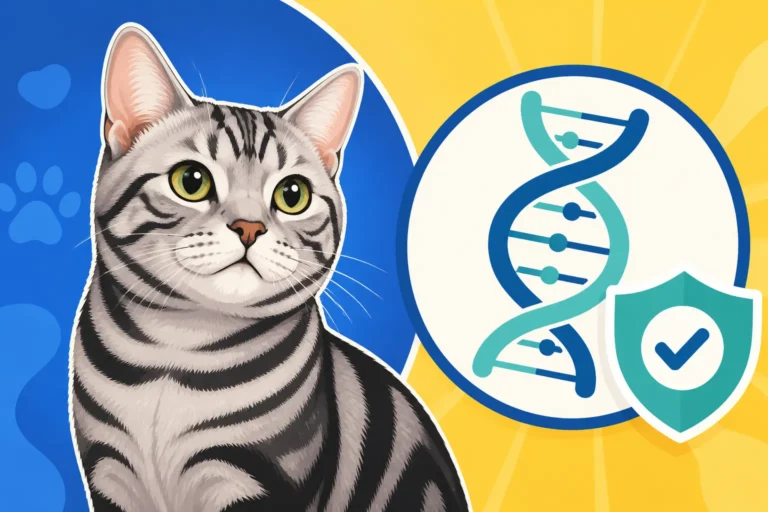
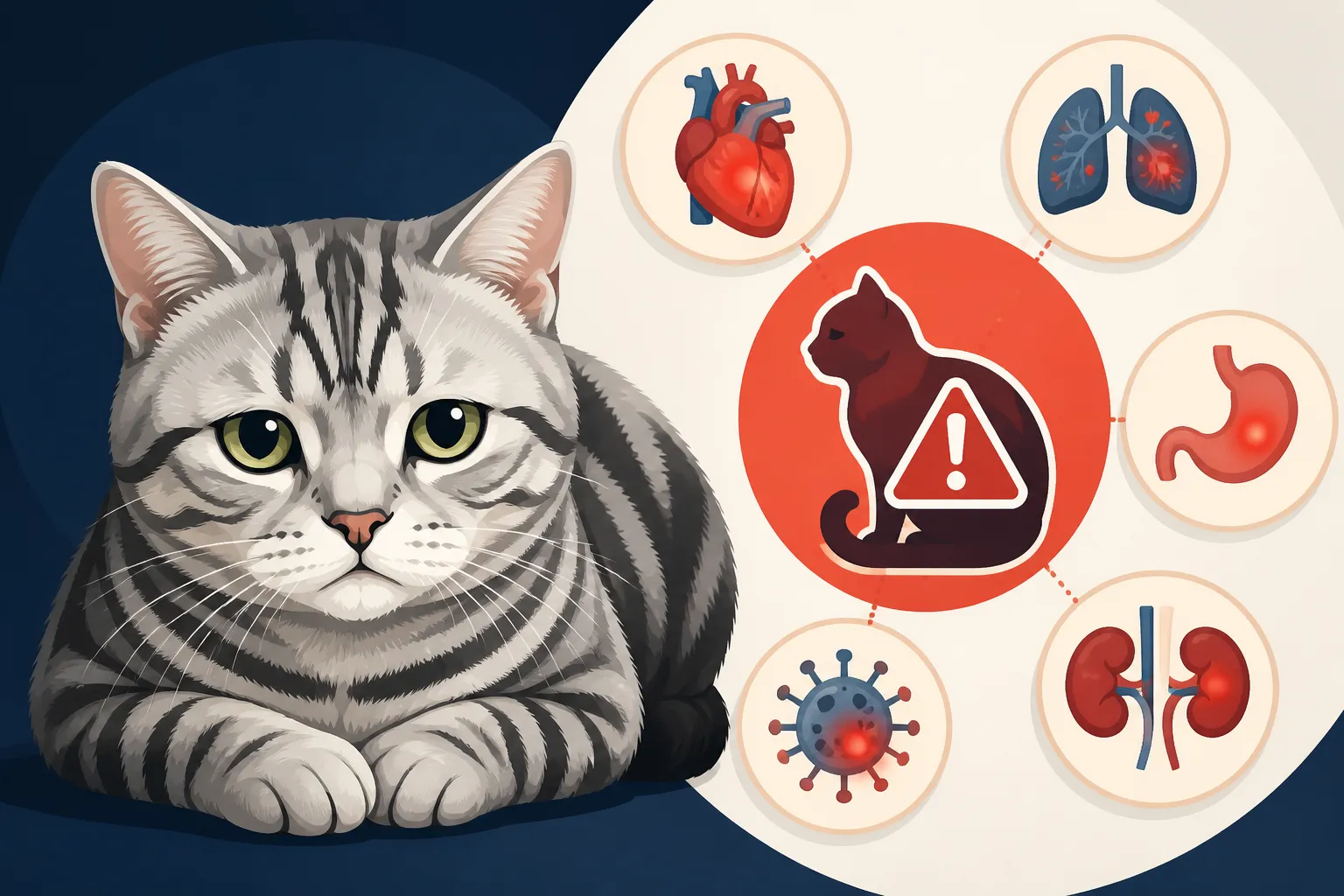
It’s a common and understandable assumption: your American Shorthair looks just like the "average" cat you see everywhere, so surely they're naturally hardy, right? This often leads well-meaning owners to believe their sturdy companions don't need extensive veterinary care beyond routine vaccinations, inadvertently leaving them vulnerable to preventable diseases that can shorten their lives. This guide is here to unravel the leading causes of death in American Shorthairs who haven't received regular, comprehensive health screenings, shining a light on the silent killers that too often go unnoticed.
The Illusion of Invincibility Why "Untested" is Risky
It's tempting to think that because American Shorthairs descend from working cats – the kind that kept barns and ships rodent-free for centuries – they're somehow immune to the more insidious health problems that plague other breeds. They look robust, they often act self-sufficient, and many people assume their genetic diversity makes them "bulletproof." However, this assumption, while rooted in their hardy origins, can be dangerously misleading when it comes to their long-term health. Modern American Shorthairs, even those with excellent pedigrees, are no longer living the rigorous outdoor lives of their ancestors, and this shift brings its own set of health challenges.
The Myth of the "Bulletproof" American Shorthair
For generations, the American Shorthair's ancestors were indeed selected for their ability to survive and thrive in challenging environments. Only the fittest, most disease-resistant cats passed on their genes, creating a breed renowned for its overall good health and longevity. They were valued for their physical prowess, keen hunting instincts, and general hardiness, not for specific aesthetic traits. This history means they avoided many of the conformational issues seen in some designer breeds. However, even within this resilient breed, certain genetic predispositions exist, and the challenges of indoor living, diet, and reduced activity can highlight vulnerabilities that their outdoor ancestors might have faced differently. Ignoring these risks because of a perception of inherent "invincibility" can mean missing crucial warning signs.
When you bring an American Shorthair into your home today, you're not just getting a piece of living history; you're taking on the responsibility to understand their specific needs in a domestic setting. While they might boast a long and healthy lifespan compared to some breeds, conditions like hypertrophic cardiomyopathy (HCM) are still very real concerns, and their robust build can, paradoxically, mask other issues like obesity until they become critical. It’s a delicate balance of appreciating their heritage while acknowledging the realities of contemporary feline health.
What an Untested Cat Misses Out On
Skipping regular veterinary check-ups for an American Shorthair isn't just about saving a few dollars; it's about missing a vital opportunity for early detection and prevention. A "wellness exam" isn't merely about getting vaccinations updated; it's a comprehensive assessment of your cat's overall health, often catching subtle changes that you, as an owner, might not even notice. Vets are trained to spot the faint heart murmur, the slightly swollen lymph node, the early signs of dental disease, or the imperceptible weight change that signals an underlying problem. These are the things that an American Shorthair, stoic by nature, might hide until the condition is advanced and much harder, or even impossible, to treat effectively.
Without these regular examinations, a crucial baseline of health is never established. Imagine trying to identify a problem without knowing what "normal" looks like for your individual cat. Your vet creates a medical history, monitors trends in weight, blood pressure, and organ function, and recommends specific screenings tailored to your cat's age and breed. This proactive approach allows for intervention before a manageable issue becomes a crisis. For instance, catching early signs of kidney disease can mean dietary changes and supplements that extend your cat's life for years, whereas missing it could lead to acute kidney failure down the line. It's about empowering yourself and your vet with the information needed to keep your beloved American Shorthair thriving for as long as possible. Many owners find that investing in pet insurance, like a plan from Healthy Paws, can make these routine and unexpected diagnostic costs more manageable, encouraging regular proactive care.
The Silent Threat of Heart Disease HCM
One of the most concerning health issues that can silently claim the life of an otherwise healthy-looking American Shorthair is heart disease, specifically Hypertrophic Cardiomyopathy (HCM). It’s a cruel irony that a breed celebrated for its overall genetic soundness can still carry this particular inherited condition. The problem with HCM is its stealthy nature; it can progress for years without any outward signs, lulling owners into a false sense of security until a sudden, catastrophic event occurs.
Hypertrophic Cardiomyopathy The American Shorthair Kept
Hypertrophic Cardiomyopathy is a condition where the muscular walls of a cat's heart, particularly the left ventricle, become abnormally thick. This thickening makes the heart less efficient at pumping blood, reducing the amount of blood it can hold and impeding its ability to relax properly between beats. In a breed as robust as the American Shorthair, where health has historically been a strong point, it's particularly frustrating that this condition persists. It’s important to understand that HCM Is the One Inherited Disease the American Shorthair Kept, meaning despite their otherwise excellent genetic profile, responsible breeders still need to actively screen for it.
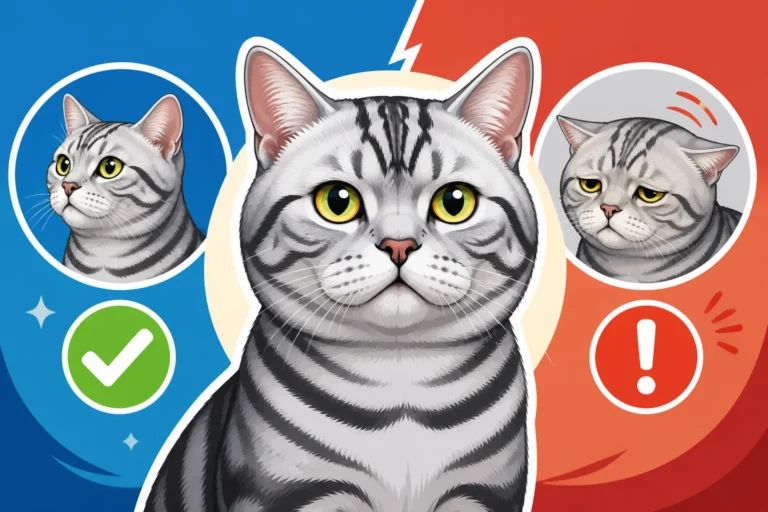
The challenge with HCM is that many affected cats show no symptoms in the early and even moderate stages. They might appear completely normal, energetic, and happy, which is why relying solely on outward appearances is so risky. You won't hear them complain, and their natural stoicism means they'll often hide any discomfort until their heart is working overtime and beginning to fail. This makes regular, proactive screening paramount, especially for a breed like the American Shorthair, which might surprise you with this hidden vulnerability.
The Devastating Progression Without Screening
Without the benefit of regular screenings, HCM can progress unchecked, leading to devastating and often sudden outcomes. As the heart muscle thickens and its function declines, a number of severe complications can arise. One of the most terrifying is the formation of blood clots within the heart chambers, which can then travel through the bloodstream and lodge in other parts of the body, most commonly blocking the blood supply to the hind legs. This is known as aortic thromboembolism, or "saddle thrombus," and it causes sudden, excruciating pain and paralysis, often leading to euthanasia. You can learn more about How a Thickened Heart Throws a Clot in an American Shorthair.
Another tragic outcome is sudden cardiac death, where the heart simply stops functioning, often without any prior warning. This is why relying on simply listening for a heart murmur is insufficient. While some cats with HCM might have a murmur, many do not, or the murmur might be so subtle it’s easily missed without specialized equipment. This emphasizes why a gene test is not a definitive "all clear" for the heart, and Why an Echo Beats a Gene Test in an American Shorthair. An echocardiogram, performed by a veterinary cardiologist, is the gold standard for diagnosing HCM, allowing visualization of the heart's structure and function. Skipping this crucial diagnostic tool means you’re essentially playing Russian roulette with your American Shorthair's heart.
The Weight of Modern Living Obesity and Related Ailments
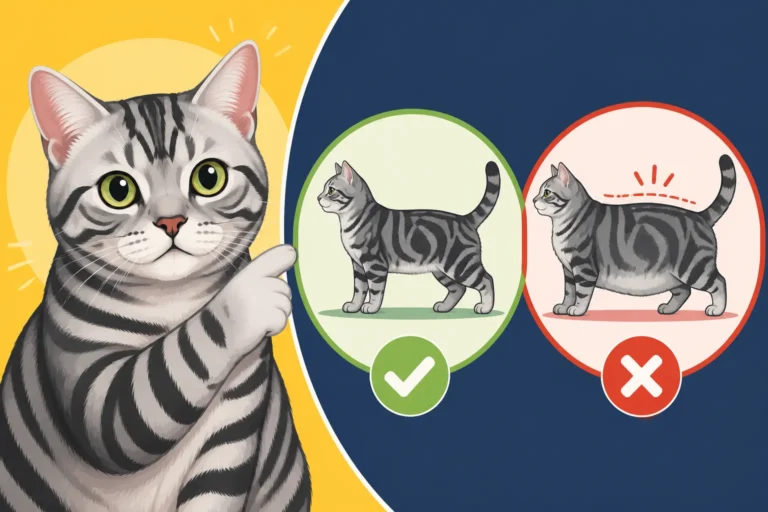
Our American Shorthairs are descendants of working cats, meaning their bodies were designed for activity, for chasing prey, and for a life that burned a significant number of calories. Fast forward to modern homes, where they're pampered, often free-fed, and lead much more sedentary lives. This drastic shift in lifestyle creates a huge disconnect, and unfortunately, obesity has become a silent epidemic that significantly threatens the health and longevity of American Shorthairs. It’s not just about them looking a bit pudgy; it’s a gateway to a whole host of serious, life-threatening conditions.
When Sedentary Life Becomes a Killer
Historically, the American Shorthair's ancestors earned their meals through active hunting. They patrolled territories, stalked prey, and engaged in constant physical exertion. This robust metabolism and muscular build were perfectly suited to that demanding lifestyle. Today, however, many American Shorthairs live exclusively indoors, with abundant food readily available and far fewer opportunities for strenuous exercise. This is precisely Why Indoor Life Made the American Shorthair Fat. The caloric intake designed for an active hunter far exceeds the needs of a cozy housecat, and the excess energy is stored as fat.
Obesity isn't just a cosmetic issue or a matter of slight inconvenience; it's a profound medical condition that stresses every system in a cat's body. It puts immense strain on their joints, compromises their cardiovascular health, and drastically alters their metabolic processes. Furthermore, the common practice of leaving a bowl of kibble down all day, allowing them to graze whenever they please, is a huge contributor to this problem. It overrides their natural feeding rhythms and makes it almost impossible to control their caloric intake. This is Why a Bowl Left Down Ruins an American Shorthair, as it encourages overeating and prevents owners from accurately monitoring how much their cat is truly consuming. Breaking this habit is often the first, most critical step in managing their weight.
Cascading Health Issues from Excess Weight
The consequences of unchecked obesity in an American Shorthair are severe and often lead to a cascade of debilitating health problems that can shorten their life considerably. One of the most common and serious is feline diabetes mellitus. Just like in humans, excessive fat interferes with insulin sensitivity, leading to high blood sugar levels that, if untreated, can result in organ damage, nerve issues, and ultimately, a painful demise. Understanding How Weight Turns Into Diabetes in an American Shorthair highlights the direct link between a bulging waistline and this complex disease.
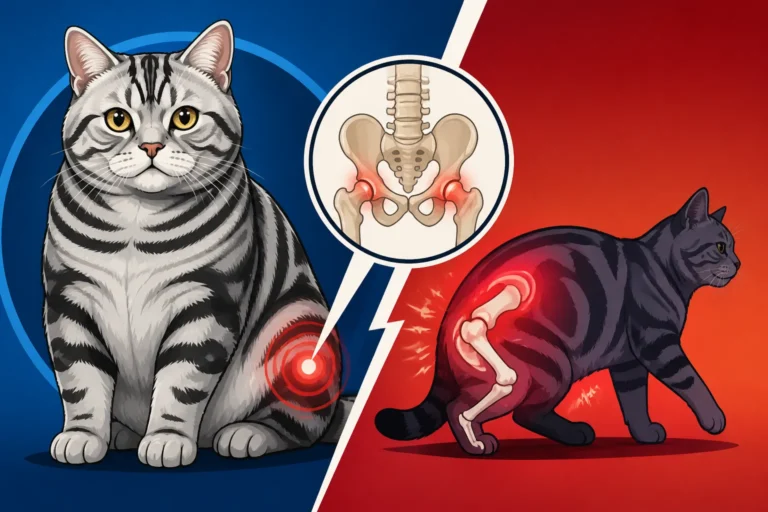
Beyond diabetes, obesity places enormous strain on an American Shorthair’s sturdy frame, particularly their joints. Their naturally broad-chested and muscular build, while excellent for hunting, means they put a lot of weight through their hips. This makes them prone to conditions like arthritis and can exacerbate or even contribute to hip dysplasia. Discovering Why a Stocky Build Costs an American Shorthair Its Hips underscores this vulnerability. The constant stress on their joints leads to chronic pain, reduced mobility, and a diminished quality of life. Furthermore, obese cats are at a higher risk for hepatic lipidosis (fatty liver disease) if they stop eating for even a short period, and they face increased anesthetic risks during any necessary surgical procedures. Managing their weight is not just about keeping them slim; it’s about preventing a host of serious illnesses that can drastically cut short their time with you.
Dental Disease and Hidden Pain
It might sound surprising to list dental disease as a significant cause of suffering and premature death, but for an untested American Shorthair, it absolutely is. Cats are masters at hiding pain, and oral discomfort is no exception. Owners often only become aware of a problem when it's reached an advanced stage, by which point the damage is extensive and the cat has likely been enduring chronic pain for quite some time. What starts as a seemingly innocuous buildup of plaque can escalate into a systemic health crisis.
The Unseen Erosion of Oral Health
Many owners assume that if their cat is eating, their teeth must be fine. This couldn't be further from the truth. The reality is that by the age of three, most cats show some evidence of dental disease, and by the time they are older, it's almost universal. Conditions like gingivitis, periodontitis (gum disease), and painful tooth resorption are incredibly common. Periodontitis involves inflammation and infection of the structures supporting the teeth, leading to bone loss and eventual tooth loss. Why Gum Disease Is the American Shorthair's Quietest Problem is because cats rarely vocalize their pain, choosing instead to adapt by chewing on one side of their mouth or simply swallowing food whole.
This silent progression means that without a veterinarian specifically examining their mouth under anesthesia (which allows for a thorough probe and X-rays), these problems go unnoticed. The plaque and tartar accumulate, forming pockets where bacteria thrive. These bacteria don't just stay in the mouth; they can enter the bloodstream and travel to vital organs like the heart, kidneys, and liver, causing inflammation and damage. This systemic impact is what elevates dental disease from a mere oral hygiene issue to a serious threat to overall health and longevity.
Consequences of Untreated Dental Problems
The long-term consequences of untreated dental disease are far-reaching and debilitating for an American Shorthair. Chronic pain from infected teeth or receding gums can significantly impact a cat's quality of life, leading to decreased appetite, weight loss, lethargy, and a general decline in their playful demeanor. Imagine living with a constant toothache that you can't express or alleviate – that's the reality for many cats with advanced dental problems. Over time, these persistent infections contribute to the strain on internal organs. The constant bacteremia (bacteria in the bloodstream) contributes to kidney disease and can exacerbate existing heart conditions, silently undermining the cat's health.
When dental issues reach a critical stage, emergency interventions become necessary, often involving extensive extractions that are more costly and riskier than preventative care. While we all know How Many Dentals an American Shorthair Needs in Twenty Years can be substantial, regular professional cleanings, possibly every 1-2 years depending on individual needs, can prevent many of these dire consequences. These cleanings, performed under anesthesia, allow the vet to scale away tartar, polish teeth, and identify any issues requiring extraction, ensuring your cat's mouth is healthy and pain-free, thereby protecting their overall well-being. Pet insurance, such as that offered by Healthy Paws, can be incredibly helpful for covering a portion of these essential dental procedures, especially if extractions become necessary.
Kidney Disease and Urinary Tract Issues
When we talk about serious health risks in American Shorthairs, especially as they age, kidney disease and urinary tract problems are almost always at the top of the list. These conditions can be particularly insidious because, much like heart disease, they often develop silently, with symptoms only becoming obvious when the disease is already quite advanced. Understanding their signs and the need for early detection is crucial for extending your cat's comfortable years.
Kidney Disease Creeping Up
Chronic kidney disease (CKD) is one of the leading causes of death in older cats, and American Shorthairs are no exception. Their natural robustness doesn't make them immune to the wear and tear of aging on these vital organs. The kidneys play a critical role in filtering waste products from the blood, maintaining hydration, and producing hormones. When they start to fail, toxins build up in the body, leading to a host of problems. The terrifying truth is that How Kidney Disease Creeps Up on an Old American Shorthair is often through a slow, progressive loss of kidney function that can go unnoticed for years because cats are incredibly adept at compensating until over two-thirds of their kidney function is already gone.
Early signs like subtle increases in thirst or urination might be dismissed as normal aging, or even go completely unnoticed if you have a free-feeding cat and aren't meticulously tracking water intake or litter box output. Other symptoms, like a slight weight loss or a duller coat, are also often attributed to "just getting old." This is why regular veterinary check-ups, especially for senior American Shorthairs, should include bloodwork and urinalysis. These diagnostic tests can detect elevated kidney values (like creatinine and BUN) and changes in urine specific gravity, indicating a problem long before your cat starts showing obvious signs like vomiting or profound weakness. Catching CKD early allows for dietary changes and supportive therapies that can significantly slow its progression and improve quality of life. You can also look out for increased thirst, as Why a Thirsty American Shorthair Should Be Tested can be an early indicator of this critical condition.
Urinary Obstructions and Their Urgency
While CKD is a chronic, slow-developing disease, acute urinary tract issues, particularly urinary obstructions, represent a life-threatening emergency that can claim an American Shorthair's life within hours if not addressed swiftly. This problem is overwhelmingly more common in male cats, including male American Shorthairs, due to their narrower urethras. Why a Male American Shorthair's Urethra Blocks First is anatomical; crystals, mucous plugs, or even small stones can easily become lodged, preventing them from urinating.
When a cat cannot urinate, toxins rapidly build up in the bloodstream, leading to kidney failure, severe electrolyte imbalances, and ultimately, cardiac arrest. The symptoms are often dramatic and require immediate veterinary attention. Owners might notice their cat making frequent trips to the litter box, straining intensely but producing little to no urine, crying out in pain, or showing signs of discomfort in their hindquarters. They might also lick their genitals excessively or hide. It is absolutely critical that What a Straining American Shorthair Needs Within Hours is veterinary care; this is not a wait-and-see situation. Any delay could be fatal. Emergency unblocking procedures are often required, which involve anesthesia and a catheter to relieve the obstruction. While intervention can save their life, it's a terrifying experience for both cat and owner, highlighting the importance of preventative measures like encouraging water intake and appropriate diets to minimize crystal formation in susceptible cats.
Cancer and Other Age-Related Conditions
Even in a breed as naturally robust as the American Shorthair, the passage of time brings its own set of challenges. As our beloved companions live longer, they inevitably become more susceptible to diseases that are associated with aging. Cancer, in particular, is a stark reality that impacts many older cats, and without diligent monitoring and testing, it can progress silently until it's too late for effective intervention. Beyond cancer, a host of other age-related conditions can severely diminish an American Shorthair's quality of life and ultimately lead to their decline if not managed proactively.
The Inevitable Threat of Cancer
While the American Shorthair is celebrated for its low incidence of many inherited diseases, it’s not immune to the general risks of cancer that affect all felines, especially as they enter their senior years. So, to answer the question, Whether Cancer Is Any More Common in an American Shorthair, the general consensus is no more than any other breed. Lymphoma, a cancer of the lymphatic system, is particularly common in cats and can manifest in various forms, from digestive issues to masses in the chest or elsewhere. Mammary tumors (breast cancer) are a concern in unspayed female cats, though less common in spayed ones. Squamous cell carcinoma, a type of skin cancer, often affects the mouth or ears, especially in cats with white fur who spend time in the sun.
The challenge with feline cancer, like many other cat diseases, is its often subtle presentation. A cat might show only vague symptoms like decreased appetite, lethargy, or unexplained weight loss, which can easily be attributed to other minor ailments or simply "old age." This makes regular physical examinations, where a vet can thoroughly palpate the abdomen and lymph nodes, incredibly important. Furthermore, owners need to be vigilant at home. Learning How to Check an American Shorthair for Lumps regularly is a vital part of early detection. Any new lump, bump, or persistent sore should be evaluated by a vet promptly, as early diagnosis significantly improves the chances of successful treatment.
The Accumulation of Age-Related Declines
Beyond the acute threat of cancer, older American Shorthairs often face a gradual accumulation of age-related conditions that, while not always immediately fatal, can severely compromise their well-being and eventually lead to a decline that necessitates difficult decisions. Hyperthyroidism, where the thyroid gland produces too much hormone, is a common culprit in senior cats, leading to weight loss despite a ravenous appetite, hyperactivity, and heart problems. It’s a condition that can creep up on even the hardiest of cats, illustrating Why Hyperthyroidism Catches a Long Lived American Shorthair.
Similarly, hypertension (high blood pressure) often goes undiagnosed until it causes sudden blindness, kidney damage, or even a stroke. Knowing How to Spot Hypertension in an Older American Shorthair – often detected during routine vet visits through a simple blood pressure check – can mean the difference between preserving their vision and facing sudden, irreversible blindness. Chronic arthritis, while not a direct cause of death, can make movement painful, leading to inactivity, muscle loss, and a decrease in their overall quality of life. These conditions, when left unchecked, can lead to secondary complications that become fatal. This emphasizes why comprehensive care, including senior wellness exams and specialized screenings, is crucial when Caring for an American Shorthair Past Twelve. Proactive management of these age-related declines can ensure your American Shorthair not only lives longer but maintains a good quality of life into their golden years. A good pet insurance plan, such as Healthy Paws, can certainly ease the financial burden of managing these chronic conditions.
Common Silent Symptoms vs. Urgent Symptoms in Untested American Shorthairs
It's easy to miss the early, subtle signs that your American Shorthair might be struggling, especially given their stoic nature. This table highlights some common silent symptoms that warrant a vet visit, contrasting them with urgent symptoms that demand immediate attention.
| Condition Area | Common Silent Symptoms (See a Vet Soon) | Urgent Symptoms (Seek Emergency Vet Care Immediately) |
|---|---|---|
| Heart Health | Subtle lethargy, reduced play, minor cough, slight increase in breathing rate | Open-mouth breathing, sudden hind leg paralysis (saddle thrombus), collapse |
| Kidney/Urinary | Increased thirst, increased urination, subtle weight loss, dull coat | Straining to urinate with no output, crying in litter box, vomiting, collapse |
| Oral Health | Bad breath, minor drooling, slightly decreased appetite, chewing on one side | Not eating at all, severe facial swelling, exposed tooth roots, pawing at mouth |
| Weight/Metabolic | Gradual weight gain, reduced activity, increased appetite, increased thirst | Sudden profound weakness, excessive urination, sweet-smelling breath (diabetic ketoacidosis) |
| General/Age-Related | Gradual weight loss, increased sleeping, subtle behavioral changes | Seizures, sudden blindness, severe disorientation, uncontrolled vomiting/diarrhea |
Disclaimer
The information provided in this article is for general informational purposes only and is not intended to be a substitute for professional veterinary advice, diagnosis, or treatment. Always seek the advice of your veterinarian or other qualified animal health provider with any questions you may have regarding a medical condition. Never disregard professional veterinary advice or delay in seeking it because of something you have read in this article.