How a Vet Manages an American Shorthair With HCM
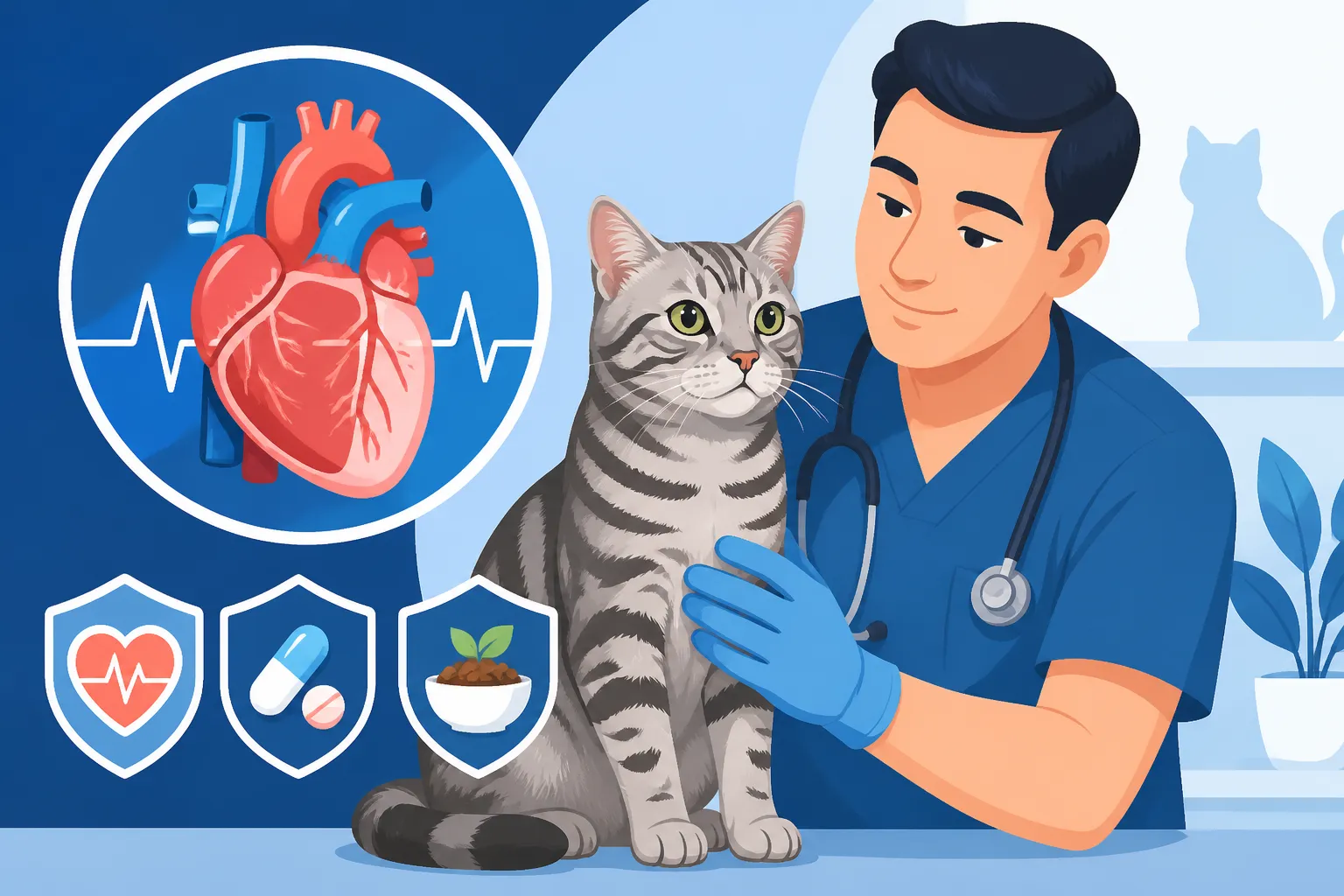
Discovering that your beloved American Shorthair has been diagnosed with Hypertrophic Cardiomyopathy (HCM) can feel like a punch to the gut. It's a common and serious heart condition, and the initial shock, fear, and confusion about what comes next are completely normal and understandable. This guide is here to walk you through the comprehensive approach your veterinarian will take to manage your American Shorthair's HCM, offering a clear path forward to help your feline friend live their best life possible despite the diagnosis.
Understanding HCM in American Shorthairs
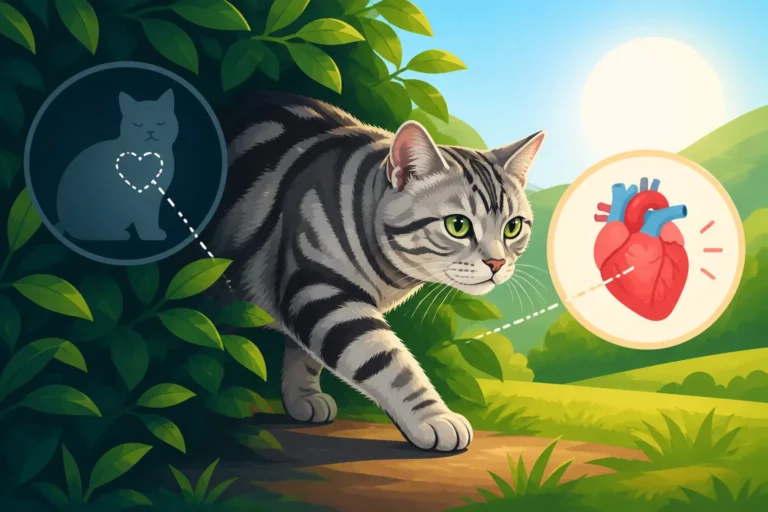
Hypertrophic Cardiomyopathy (HCM) is the most common heart disease in cats, and it's particularly prevalent in certain breeds, including our sturdy American Shorthairs. It’s a condition characterized by a thickening of the muscular walls of the heart, specifically the left ventricle. This thickening makes it harder for the heart to pump blood effectively, reducing its overall efficiency and sometimes leading to a host of other complications. It’s a scary diagnosis, especially when you consider how subtle the initial signs can be.
The Silent Threat of HCM in American Shorthairs
One of the most insidious things about HCM is its tendency to be a "silent killer" for a long time. American Shorthairs, being the naturally stoic and independent creatures they are, are masters at hiding illness and discomfort. You might not notice any overt symptoms until the disease has progressed significantly, which can be incredibly frustrating for devoted owners who feel they should have seen something sooner. This stoicism is a double-edged sword; while it makes them incredibly resilient, it also means we, as their caregivers, have to be extra vigilant and rely on our vets for regular check-ups. It truly underscores why an American Shorthair still needs a yearly heart scan, even if they seem perfectly healthy on the surface.
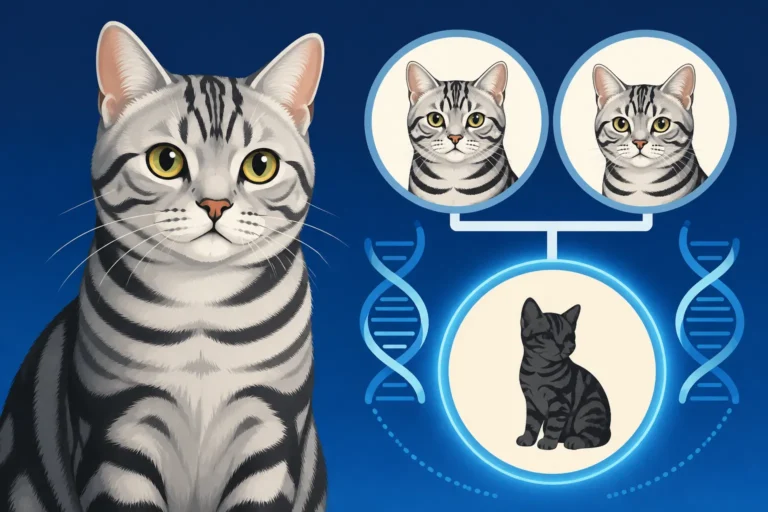
The disease can be genetic, meaning it’s inherited through specific gene mutations, though not all American Shorthairs with HCM will have a detectable genetic marker. What this means for owners is that even if a cat doesn't have a known genetic predisposition, they can still develop the condition. The prevalence in the breed highlights why breeders, and indeed all owners, need to be aware. To learn more about this, you might want to read about HCM Is the One Inherited Disease the American Shorthair Kept. Knowing it's something inherent to the breed helps us understand that it's often not about anything you did or didn't do, but rather a genetic lottery.
How HCM Manifests in American Shorthairs
While American Shorthairs are good at hiding symptoms, when HCM does manifest, it can do so in several ways, often indicating a more advanced stage of the disease. You might notice your cat becoming less active, perhaps not jumping to their favorite window perch as readily, or seeming unusually tired after short bouts of play. These subtle shifts can be easy to dismiss as just "getting older," but they're important clues.
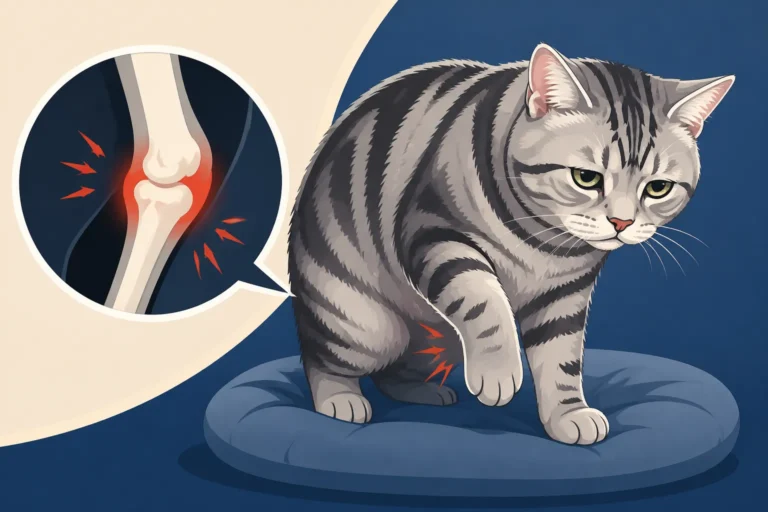
More severe signs can include rapid or labored breathing, open-mouth breathing (which is always an emergency in cats!), or even sudden weakness or paralysis in the back legs. This happens if the heart's inefficient pumping leads to blood clot formation, a condition known as saddle thrombus, which can block blood flow to the hind limbs. Seeing your robust American Shorthair suddenly struggle can be terrifying, and it's these moments that often lead to an emergency vet visit and subsequent diagnosis. Understanding what an American Shorthair shows before its heart fails is critical for recognizing these urgent situations. Your vet will explain that these symptoms are not a reflection of a failure on your part, but rather the nature of the disease in a species that instinctively conceals weakness.
Initial Diagnosis and Staging
The journey of managing HCM begins with an accurate and timely diagnosis. For many American Shorthair owners, this often starts with a routine veterinary check-up where a vet might detect a heart murmur or an unusual heart rhythm during a physical exam. While a murmur doesn't always mean HCM, it's a red flag that warrants further investigation. This initial discovery can be unsettling, but it's the first step toward getting your cat the care they need.
The Importance of Early Detection and Screening
Early detection is paramount because it allows for intervention before severe symptoms or complications arise. For American Shorthairs, especially those from breeding lines or with a family history of heart issues, regular screening can be life-saving. Even without a family history, annual vet checks are crucial. During these visits, your vet isn't just listening for murmurs; they're also assessing overall health, weight, and energy levels, which can all be subtle indicators.
It's natural to feel overwhelmed by the prospect of specialized tests, but your vet will guide you through each step. They understand that for many, this is new and frightening territory. Regular screenings, particularly echocardiograms, can catch the disease in its early stages, allowing for a proactive management plan. This proactive approach can significantly influence How Many Months Follow an American Shorthair's HCM Diagnosis, often extending and improving quality of life. For breeders, understanding What an American Shorthair Breeder Should Have Screened is key to responsible breeding practices and preventing the spread of HCM.
Diagnostic Tools Vets Use for American Shorthairs
Once a heart murmur or other suspicious symptom is noted, your vet will recommend specific diagnostic tests to confirm an HCM diagnosis and assess its severity. The gold standard for diagnosing HCM in American Shorthairs is an echocardiogram, often referred to simply as an "echo." This is a specialized ultrasound of the heart that allows a veterinary cardiologist to visualize the heart's structure, measure the thickness of the heart muscle, assess valve function, and observe blood flow. It’s incredibly detailed and provides the most comprehensive picture of your cat’s heart health.
Beyond the echo, your vet might also perform:
- X-rays: To check for fluid in the lungs (pulmonary edema) or around the heart (pleural effusion), which are signs of congestive heart failure.
- Electrocardiogram (ECG/EKG): To evaluate the heart's electrical activity and identify any arrhythmias (irregular heartbeats).
- Blood tests: Including a proBNP test, which measures a hormone released when heart muscle cells are stretched or stressed, indicating heart disease. They may also check kidney and thyroid function, as these can affect heart health.
These tests, while seemingly extensive, are crucial for tailoring the most effective treatment plan. Your vet will explain why an echo beats a gene test in an American Shorthair when it comes to definitive diagnosis and staging. While genetic tests can identify predispositions, they don't confirm the presence or severity of the disease itself.
Staging HCM and What It Means for Treatment
After diagnosis, your vet will "stage" your American Shorthair's HCM. Staging helps classify the disease's severity and guides treatment decisions. The most widely accepted staging system is from the American College of Veterinary Internal Medicine (ACVIM), categorizing HCM into stages:
- Stage A: Cats at high risk of developing HCM (e.g., certain breeds like American Shorthairs with known genetic mutations) but currently have no structural heart disease.
- Stage B1: Cats with evidence of HCM (thickened heart walls) but no clinical signs of heart failure and a low risk of congestive heart failure (CHF).
- Stage B2: Cats with evidence of HCM, no clinical signs, but at a higher risk of CHF due to significant left atrial enlargement.
- Stage C: Cats with current or previous clinical signs of CHF (e.g., difficulty breathing due to fluid in the lungs) secondary to HCM.
- Stage D: Cats with end-stage HCM that are refractory (non-responsive) to standard CHF treatment.
Understanding the stage is vital. For example, a cat in Stage B1 might not need medication immediately, focusing instead on regular monitoring. A cat in Stage B2, however, might benefit from medication to prevent blood clots or reduce the risk of congestive heart failure. Cats in Stage C will require intensive therapy to manage fluid buildup. This staging process ensures that your American Shorthair receives care appropriate to their specific needs, minimizing unnecessary medications while maximizing therapeutic benefits.
Medical Management Strategies for HCM
Once your American Shorthair has been diagnosed and staged, your vet will develop a tailored medical management plan. The goal of treatment isn't to cure HCM, as there currently is no cure, but rather to slow the progression of the disease, manage symptoms, prevent complications, and improve your cat's quality of life. This usually involves a combination of medications, which can seem daunting at first, but your vet will explain each one and its purpose.
Medications to Improve Heart Function and Prevent Clots
The specific medications prescribed will depend heavily on your cat’s HCM stage and individual symptoms. Here are some common types:
- Beta-blockers (e.g., Atenolol): These medications help to slow the heart rate, allowing the left ventricle more time to fill with blood. They can also reduce the dynamic outflow tract obstruction that sometimes occurs with a thickened heart muscle, where the mitral valve can be sucked into the thickened septum, blocking blood flow out of the heart.
- Calcium Channel Blockers (e.g., Diltiazem): Similar to beta-blockers, these can help relax the heart muscle, improve ventricular filling, and reduce heart rate. They can be particularly useful in cases where there’s significant outflow tract obstruction.
- ACE Inhibitors (e.g., Benazepril, Enalapril): These drugs help relax blood vessels, reducing the workload on the heart and improving blood flow. They can also help prevent or slow cardiac remodeling.
- Diuretics (e.g., Furosemide): If your American Shorthair is in congestive heart failure and has fluid buildup in their lungs or abdomen, diuretics are critical. They help the body excrete excess fluid, making it easier for your cat to breathe.
- Anticoagulants (e.g., Clopidogrel – Plavix): HCM increases the risk of blood clot formation, particularly in the left atrium. These clots can travel and cause a saddle thrombus, leading to hind limb paralysis. Anticoagulants are often prescribed to prevent this devastating complication. This is a very real concern, as a thickened heart can throw a clot in an American Shorthair.
Managing multiple medications can be a daily challenge, and your vet will provide clear instructions on dosages and administration. Don't be afraid to ask for demonstrations or tips on how to give pills, as this can be a major source of stress for both you and your cat. Remember, these medications are designed to directly target the issues caused by HCM, offering your American Shorthair the best chance at a comfortable life. It's important to understand Which Drugs Slow an American Shorthair's Heart Disease and how they work.
Addressing Secondary Symptoms and Complications
Beyond core heart medications, your vet will also focus on managing any secondary symptoms or complications that arise from HCM. This might include:
- Pain management: If your cat experiences a saddle thrombus, it is extremely painful. Aggressive pain relief will be a critical part of emergency treatment. Even in less acute scenarios, chronic heart disease can sometimes lead to discomfort that might require intervention.
- Appetite stimulants or anti-nausea medications: Some cats with advanced heart disease may experience a reduced appetite or nausea, which can lead to weight loss and weakness. Supportive care to ensure they eat well is essential.
- Anxiety reduction: Cats are sensitive creatures, and illness can cause stress. Your vet might discuss ways to reduce environmental stressors or, in some cases, suggest mild anti-anxiety medications if stress is exacerbating their condition.
- Nutritional support: A diet specifically formulated for cardiac health might be recommended to help manage sodium intake or support overall well-being. This will be discussed further under lifestyle adjustments.
It’s an ongoing process, and your vet will adjust the treatment plan as needed, based on your American Shorthair's response to medication and any changes in their condition. They understand that living with a cat with a chronic illness can be financially challenging, and they will work with you to find the most effective and sustainable solutions. This is where having pet insurance, like a policy from Healthy Paws, can really make a difference, helping to cover the significant costs of ongoing diagnostics and medications. It's worth researching What Heart Medication Costs an American Shorthair Owner to be prepared.
Monitoring and Lifestyle Adjustments
Managing an American Shorthair with HCM isn't just about medications; it's a holistic approach that includes diligent monitoring and strategic lifestyle adjustments at home. This collaborative effort between you and your vet is crucial for ensuring the best possible outcome and maintaining your cat's comfort and quality of life.
Regular Vet Visits and At-Home Monitoring
Regular follow-up appointments with your veterinarian or a veterinary cardiologist are a cornerstone of HCM management. These visits allow your vet to:
- Re-evaluate heart function: Through repeat echocardiograms, X-rays, and blood tests, they can assess how well the heart is responding to medication and if the disease has progressed. This might include annual scans to confirm How Many Years a Clear Scan Covers a Breeding American Shorthair if applicable, or more frequent checks for affected cats.
- Adjust medication dosages: Doses may need to be tweaked based on your cat's weight, blood test results (especially kidney values, as some cardiac medications can affect kidneys), and clinical signs.
- Monitor for side effects: All medications have potential side effects, and your vet will check for these during visits.
Beyond vet visits, your role in at-home monitoring is incredibly important. You know your American Shorthair best, and you'll be the first to notice subtle changes. Your vet will likely ask you to monitor:
- Respiratory Rate: Counting your cat's breaths per minute while they are resting or sleeping. A normal resting respiratory rate is typically 20-30 breaths per minute. Any sustained increase should be reported immediately.
- Appetite and Water Intake: Note any changes, as these can be indicators of illness or medication side effects.
- Activity Level: Is your cat more lethargic than usual? Is their playfulness diminishing?
- Coughing or Open-Mouth Breathing: These are serious signs of potential congestive heart failure and require immediate veterinary attention.
Keeping a log of these observations can be incredibly helpful for your vet in making informed decisions. Don't hesitate to reach out to your vet if you notice anything concerning, even if it feels minor. It's always better to be safe than sorry when it comes to heart disease.
Nutritional and Environmental Support for Your American Shorthair
Lifestyle adjustments play a significant role in supporting an American Shorthair with HCM. These changes aim to reduce stress on the heart and promote overall well-being:
-
Dietary Considerations:
- Sodium Restriction: For cats with or at risk of congestive heart failure, a low-sodium diet might be recommended to help prevent fluid retention. Your vet may suggest a prescription cardiac diet.
- Maintaining Ideal Body Weight: Obesity puts extra strain on the heart, so ensuring your American Shorthair maintains a healthy weight is crucial. Your vet can help you determine What an American Shorthair Should Weigh at Its Frame and develop a feeding plan. To manage their weight effectively, it's also helpful to understand Why Ending the Mousing Job Made the American Shorthair Heavy.
- Wet Food: Increasing moisture intake through wet food can support kidney health, which is vital when managing heart conditions and medications that can impact renal function.
-
Stress Reduction: Cats thrive on routine and a predictable environment. For an American Shorthair with HCM, minimizing stress is particularly important:
- Quiet Environment: Provide a calm, stable home environment. Loud noises or sudden changes can increase heart rate and stress.
- Safe Spaces: Ensure your cat has quiet, elevated places to retreat to if they feel overwhelmed or need to rest.
- Consistent Routine: Stick to regular feeding, play, and interaction times.
- Limited Exertion: While some play is beneficial, avoid over-exertion or highly strenuous activities, especially for cats with advanced HCM. Your vet will advise on appropriate activity levels.
- Enrichment: Gentle play sessions using wand toys or puzzle feeders can provide mental stimulation without excessive physical strain, helping to fulfill their natural hunting instincts in a controlled way.
Remember, every American Shorthair is an individual. Your vet will tailor these recommendations to suit your cat's specific needs and the progression of their disease. While the responsibility of daily care is significant, the peace of mind knowing you're doing everything possible for your beloved companion is invaluable. And with the support of a good pet insurance plan, like one from Healthy Paws, you can focus on their care without constant worry about the financial strain of every vet visit or prescription.
Navigating Advanced Stages and Quality of Life
As HCM is a progressive disease, there may come a time when your American Shorthair's condition enters a more advanced stage. This can be a very emotional and challenging period for owners, but your vet will continue to provide support and guidance, focusing on maintaining comfort and quality of life.
When HCM Progresses: Recognizing Signs of Decline
Even with optimal medical management, HCM can sometimes progress, leading to a decline in your cat's health. Recognizing the signs of this progression is vital so you can discuss adjustments to their care plan with your vet. These signs might include:
- Increased difficulty breathing: This is often the most noticeable and alarming sign, possibly indicating worsening congestive heart failure. You might observe rapid, shallow breathing, open-mouth breathing, or struggling to catch their breath even at rest.
- Persistent lethargy or weakness: Your American Shorthair might become increasingly tired, reluctant to move, or spend more time sleeping in secluded spots.
- Reduced appetite or weight loss: If your cat consistently refuses to eat or loses significant weight, it’s a strong indicator of declining health.
- Hind limb weakness or paralysis: Recurrence or new onset of a saddle thrombus is a serious and painful complication. Understanding why an American Shorthair suddenly loses its back legs is crucial here.
- More frequent or severe episodes of collapse/fainting: Though less common, severe arrhythmias or inadequate blood flow can lead to syncopal episodes.
It's natural to feel devastated when you see these changes, but remember that your vet is there to help interpret these signs and explore all available options. They understand the strong bond you share with your American Shorthair and will approach these discussions with empathy and compassion.
Ensuring Comfort and Quality of Life in Advanced HCM
When HCM reaches an advanced stage, the focus shifts even more strongly towards ensuring your American Shorthair's comfort and maintaining a good quality of life. This may involve:
- Adjusting medications: Your vet might increase dosages, add new medications, or explore different drug combinations to better manage symptoms like fluid retention or pain. For example, some cats may need more potent diuretics or additional pain relief.
- Oxygen therapy: If your cat is experiencing severe breathing difficulties, oxygen therapy can provide significant relief, either in a vet setting or sometimes with home oxygen concentrators.
- Palliative care: This approach focuses on alleviating suffering and providing the best possible comfort, even if the underlying disease cannot be cured. It includes careful pain management, nutritional support, and emotional care.
- Discussions about end-of-life care: This is the most difficult conversation any pet owner faces. Your vet will help you evaluate your cat's quality of life using objective measures and discuss humane euthanasia when the time comes. They will support you in making this agonizing decision, ensuring your American Shorthair's final moments are peaceful and free from distress. Resources like those discussing Caring for an American Shorthair Past Twelve can offer perspectives on managing senior cats and those with chronic conditions.
Remember that throughout this journey, you are not alone. Your veterinary team, whether it's your regular vet or a specialist like a cardiologist, is your partner. They are dedicated to helping your American Shorthair live as comfortably and happily as possible, for as long as possible. Pet insurance providers such as Healthy Paws can also offer a crucial safety net, helping to ease the financial stress of chronic illness care, allowing you to prioritize your cat's health and comfort during these challenging times.
| Medication Type | Common Examples | Primary Action | Why it's Used in HCM |
|---|---|---|---|
| Beta-blockers | Atenolol, Propranolol | Slows heart rate, reduces heart's oxygen demand, may relieve outflow obstruction | Reduces stress on heart, improves filling, controls arrhythmias |
| Calcium Channel Blockers | Diltiazem | Relaxes heart muscle, slows heart rate, improves filling | Improves relaxation, reduces outflow obstruction |
| ACE Inhibitors | Benazepril, Enalapril | Dilates blood vessels, reduces blood pressure and fluid retention | Decreases heart's workload, helps prevent cardiac remodeling |
| Diuretics | Furosemide | Increases urine output, removes excess fluid from the body | Manages fluid buildup in lungs/body (congestive heart failure) |
| Anticoagulants | Clopidogrel (Plavix) | Prevents blood clot formation | Reduces risk of arterial thromboembolism (blood clots causing paralysis) |
Disclaimer
This guide provides general information about managing HCM in American Shorthairs and is not a substitute for professional veterinary advice. Always consult with your veterinarian for accurate diagnosis, treatment plans, and ongoing care specific to your pet's individual health needs.