How Many Colors the American Shorthair Standard Allows
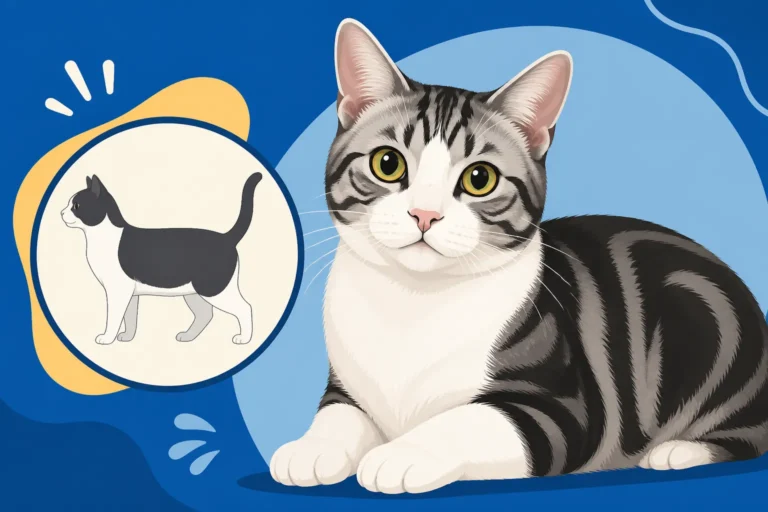
An American Shorthair can wear far more than the familiar silver tabby coat, and it’s easy to mistake the breed’s color options for a short list of basic shades. The real answer depends on how a registry counts colors, patterns, and their combinations. This guide explains what the standard allows, which looks are commonly recognized, and why color alone cannot prove a cat’s pedigree.
How many colors does the American Shorthair standard allow?
Why the answer depends on what you count
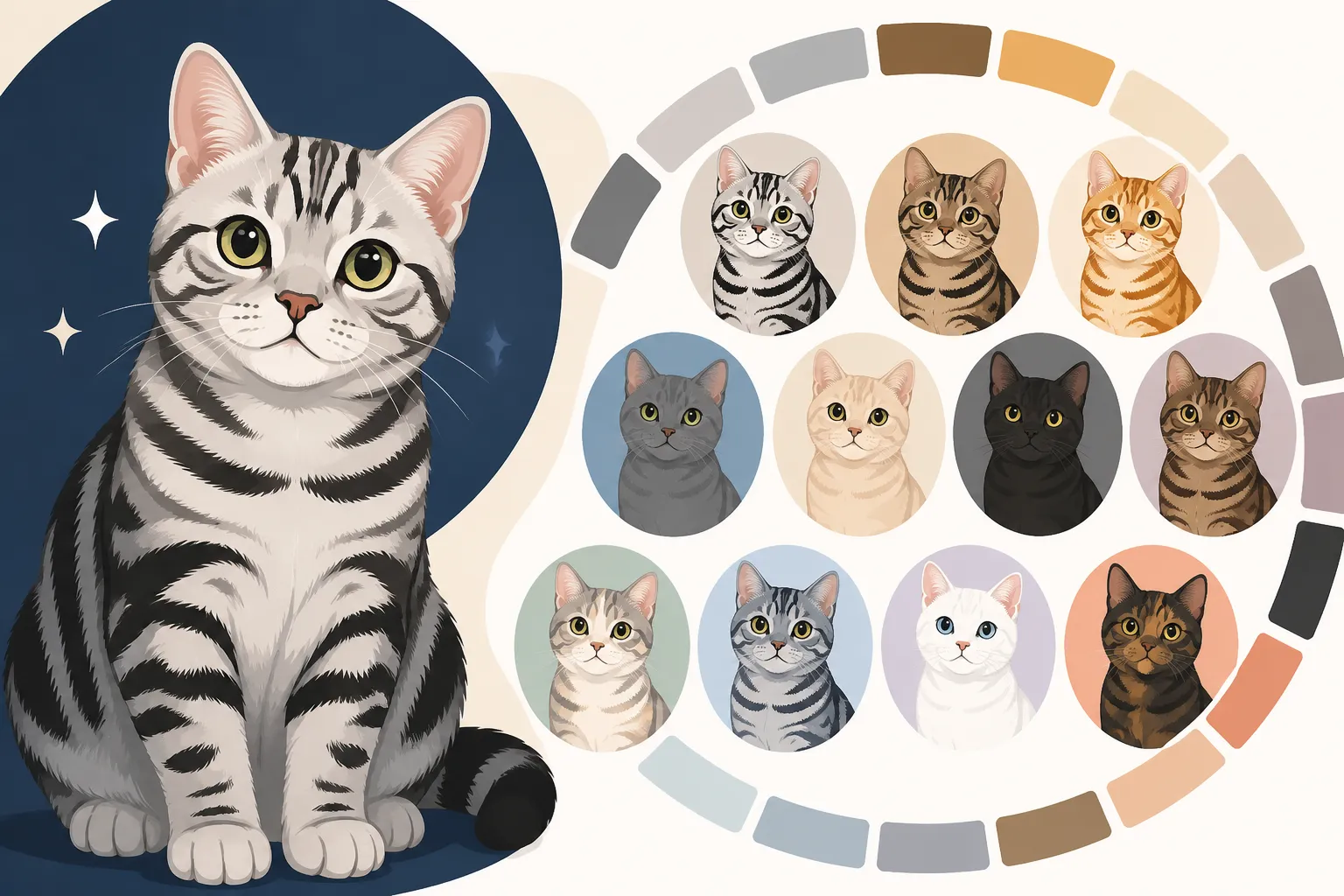
You may see the American Shorthair described as having more than 80 accepted colors and patterns. That figure is best understood as a count of recognized combinations, not 80 entirely separate base colors. For example, silver paired with a classic tabby pattern is one combination; brown paired with that pattern is another.
A color is the underlying coat shade, such as black, blue, red, or cream. A pattern describes how that shade appears across the coat: it may be solid, tabby, shaded, or part of a bicolor or tortoiseshell pattern. Add eye-color expectations and registry-specific rules, and the number of possible show descriptions becomes larger than a simple color list.
The exact count and accepted combinations can vary by registry and show system. So if you’re asking because you hope to enter a cat in a particular show, check that organization’s current American Shorthair standard and its rules for color classes. For a broad overview of the breed’s palette, Which Colors an American Shorthair Comes In is a useful related topic.
The standard allows variety, not every possible coat
American Shorthairs are recognized in a wide range of colors and patterns, but that doesn’t mean every coat color found in domestic cats is automatically accepted for the breed in every registry. Standards define which appearances qualify for recognition and how a cat should be judged. A color may be familiar in the general cat population but treated differently under a particular breed standard.
That distinction matters because “allowed” can mean more than one thing. A cat might be a perfectly healthy, beautiful household pet while being ineligible for a particular American Shorthair show class because its color or pattern does not meet that show’s rules. Show eligibility is not a verdict on the cat’s health or value as a companion.
When comparing descriptions online, look for the registry and context behind the claim. A breeder discussing a CFA show entry, for example, may be using rules that aren’t identical to those used by another organization. If you want the broader picture of the breed’s requirements beyond coat, read What the American Shorthair Standard Asks For.
Common American Shorthair colors and patterns
Solid coats and familiar shades
Solid American Shorthairs have coats that appear largely one color, rather than showing the stripes or swirls associated with tabby patterns. Recognized descriptions include shades such as black, white, blue, red, and cream, along with other color variations recognized under the applicable standard. “Blue” in cat terminology generally describes a blue-gray coat, not a bright blue one.
A solid coat can be easy to describe at a glance, but the details still matter in a show setting. Judges may assess whether the color is even, whether the coat has the expected texture and condition, and whether the cat’s eyes suit its color under that standard. The everyday phrase “gray cat” may be understandable at home, while a registry may use “blue” as the formal color term.
If you’re choosing a cat as a companion, don’t let a color label distract you from the practical questions: Is the cat healthy? Does its temperament suit your household? Can you confirm its background if pedigree matters to you? Color can make a cat stand out, but it doesn’t tell you whether it will be playful, reserved, or comfortable around children.
Tabby patterns, including silver and brown
Tabby is a pattern, not a single color. The coat may have stripes, swirls, spots, or a combination of markings, with a distinct background shade. The classic tabby pattern is known for broad, swirling markings along the sides, while the mackerel pattern usually has narrower, more vertical stripes. For a closer look, see What a Classic Tabby American Shorthair Is and What a Mackerel Tabby American Shorthair Is.
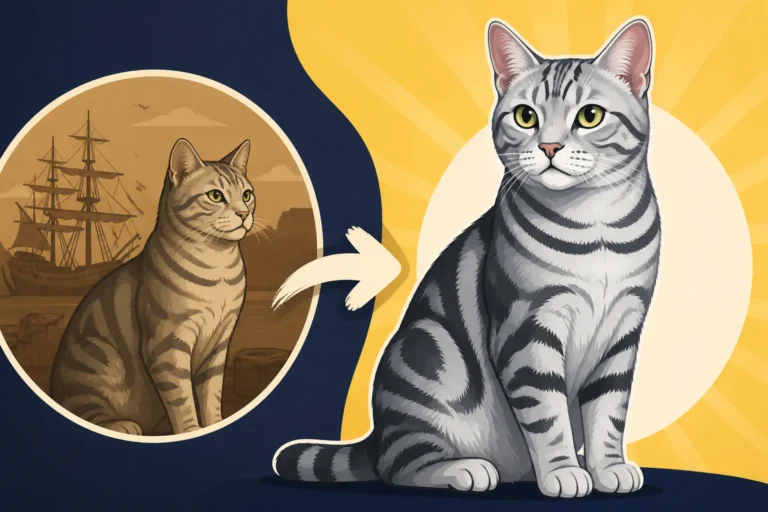
The silver tabby is one of the breed’s best-known looks: a pale, silvery background contrasts with dark markings. It’s so strongly associated with the American Shorthair that people sometimes assume it is the only standard color. It isn’t. Brown tabbies are another familiar variation, and the underlying color and markings can create a noticeably different effect. What a Silver Tabby American Shorthair Is and What a Brown Tabby American Shorthair Is explain those looks in more detail.
Tabby coats can also change in appearance as a kitten grows. Markings may become clearer or more defined as the coat matures, and lighting can make the same cat look warmer or cooler in photographs. If you’re looking at kitten photos, remember that a picture may not show the adult coat exactly as it will appear later.
Shaded, smoke, and multicolored coats
Some American Shorthairs have coats where color appears concentrated or distributed in a way that creates a shaded or smoke effect. A smoke coat may look dark when the cat is still, then reveal a lighter undercoat as the fur moves. That can make it seem like the cat has changed color when it simply catches the light differently. See What a Smoke American Shorthair Is for a closer explanation.
Multicolored patterns add still more variation. Tortoiseshell and calico coats combine colors in patches or mottled areas; bicolor coats combine white with another color. The exact terms and show eligibility depend on the registry’s classification. A cat described casually as “calico” may need a more specific formal description in a show catalog.
When comparing photos, don’t rely on a single snapshot to identify a coat pattern. Ask for clear photos in natural light and, if the cat is registered, check the paperwork for the registered color description. Formal terminology can be helpful, but it shouldn’t turn coat color into a substitute for verifying a cat’s identity or background.
| Coat description | What the term generally refers to | What to keep in mind |
|---|---|---|
| Solid | A coat that appears largely one color | The registry may use a formal shade name such as blue |
| Classic tabby | Broad, swirling tabby markings | Markings are a pattern, not a separate base color |
| Mackerel tabby | Narrower, stripe-like tabby markings | The contrast and background shade affect the overall look |
| Silver tabby | A silver-toned background with darker markings | It is famous, but it is not the only accepted look |
| Smoke | Darker-looking outer coat with a paler undercoat | The contrast may show more clearly when the coat moves |
| Bicolor, tortoiseshell, or calico | Two or more colors arranged in patches or areas | Recognition and formal naming can depend on registry rules |
How registries and show rules affect color recognition
Accepted color is not the same as a show-winning coat
A standard may accept a color combination while judges still evaluate the cat on how well its coat and overall appearance meet the standard. Coat condition, clarity of markings, and the cat’s body type all matter in a show setting. Being an accepted color is one part of eligibility; it does not guarantee a particular placement or award.
It also helps to separate three questions that often get bundled together: Is the cat an American Shorthair by pedigree? Is its color accepted by a particular registry? Is its coat presentation competitive in a particular show class? Those questions are related, but they are not interchangeable. A cat can be a wonderful pet even if its coat doesn’t qualify for the show class an owner had in mind.
If showing is your goal, ask the breeder or registry for the cat’s registered description and confirm the applicable rules before making plans. A vague listing that says “rare color” isn’t enough. You want the formal color and pattern description, registration details, and a clear explanation of whether the cat is being sold as a pet or with show potential.
Color alone does not establish breed identity
A silver tabby can look like an American Shorthair without being a pedigreed American Shorthair. Many domestic shorthairs share common coat colors and patterns, including classic tabby markings. A photo may show what a cat looks like, but it cannot establish its ancestry or registration status. For the distinction, read How to Tell an American Shorthair From a Random Bred Tabby.
If you’re considering a pedigreed kitten, ask for registration paperwork and an explanation of the kitten’s pedigree. A DNA test may provide information about ancestry, but it is not a substitute for a recognized pedigree record when the question is formal breed registration. The same principle applies to color: a visual resemblance is not proof that a cat qualifies under a breed standard.
This is also why there is no need to feel disappointed if your shelter cat has the “wrong” paperwork or an unlisted coat description. Color doesn’t decide whether a cat is affectionate, robust, or a good fit for your home. It only becomes a formal eligibility issue when you’re dealing with registry records or show requirements.
Choosing and caring for an American Shorthair by coat color
Color affects appearance, not basic care
An American Shorthair’s coat color generally does not call for a special diet, a different grooming routine, or a different personality expectation. Coat length and condition matter more to everyday care than whether the cat is silver, black, blue, or brown tabby. Regular checks, appropriate food, fresh water, and routine veterinary care are useful across colors.
A light coat may make loose hairs more noticeable on dark furniture, while a dark coat may stand out on pale clothing. That’s a household-cleaning difference, not a health distinction. If you’re shopping for a brush or other basic supplies, a retailer such as Chewy may be one place to compare options; choose based on the cat’s coat and your grooming routine rather than the color name.
You may also hear that a particular color is “rare” or needs special maintenance. Treat those claims cautiously. A distinctive coat can be less common in a particular litter or local market, but rarity does not automatically mean better health or a better temperament. Ask what the claim means and whether it refers to a registry’s classification, a breeder’s own experience, or simply the seller’s description.
What to ask a breeder or rescue
If you’re speaking with a breeder, ask for the formal color and pattern listed on the registration documents, if applicable. Request clear photos and ask whether the description is final or whether a kitten’s coat is still developing. A responsible breeder should be able to explain the distinction between a pet-quality kitten and one being considered for showing without making sweeping promises based on coat color alone.
For a rescue or shelter cat, the recorded color may be a practical description rather than a pedigree classification. Staff may label a cat “gray tabby,” for example, because that is a useful description for adopters. That doesn’t make the record inaccurate; it simply serves a different purpose from a registry’s detailed breed-and-color designation.
If you’re buying grooming supplies, again, the coat’s needs are the useful guide. Chewy and other pet retailers may offer combs, brushes, and routine care items, but you don’t need a specialty product just because a cat is silver or calico. Ask your veterinarian for advice if you notice unusual shedding, skin irritation, or a coat that suddenly looks dull or patchy.
A sensible way to think about the color list
The most accurate short answer is that the American Shorthair standard recognizes a broad range of colors and patterns, often described as more than 80 combinations, but the precise list depends on the registry and how combinations are counted. That number should not be read as 80 independent base colors or as a guarantee that every possible cat coat qualifies.
Start with the standard used by the registry that matters to you. Then separate coat color from pedigree, show eligibility, and general pet suitability. If you’re adopting, focus on the individual cat. If you’re buying a registered kitten or planning to show, confirm the formal description and paperwork instead of relying on a photo or an informal sales label.
Chewy may be useful for ordinary supplies, but a retailer cannot verify a cat’s pedigree or determine its show eligibility. Those questions belong with the breeder, registry, or show organization. For more on the breed’s familiar palette, Which Eye Colors an American Shorthair Has offers another piece of the visual picture, while the written standard remains the place to check formal requirements.
Disclaimer
This article is for general informational purposes only and does not constitute professional advice. Laws, prices and regulations vary by location and change over time. Consult a qualified professional for guidance on your specific situation.