Whether the American Shorthair Has a Required DNA Panel
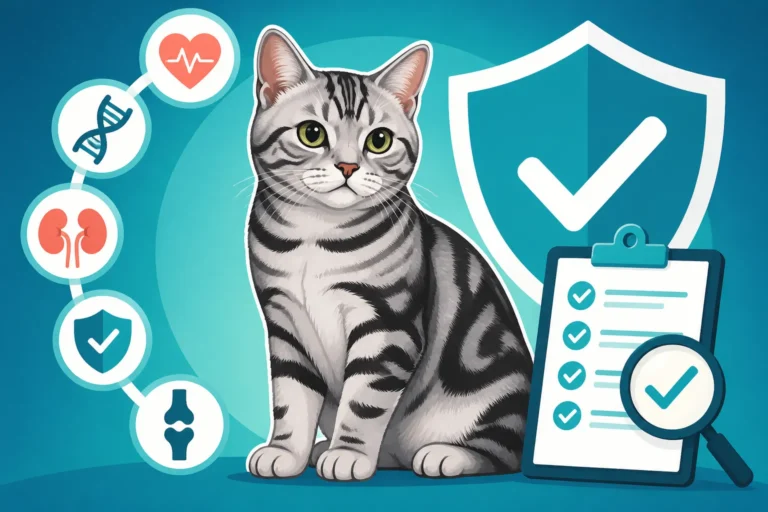
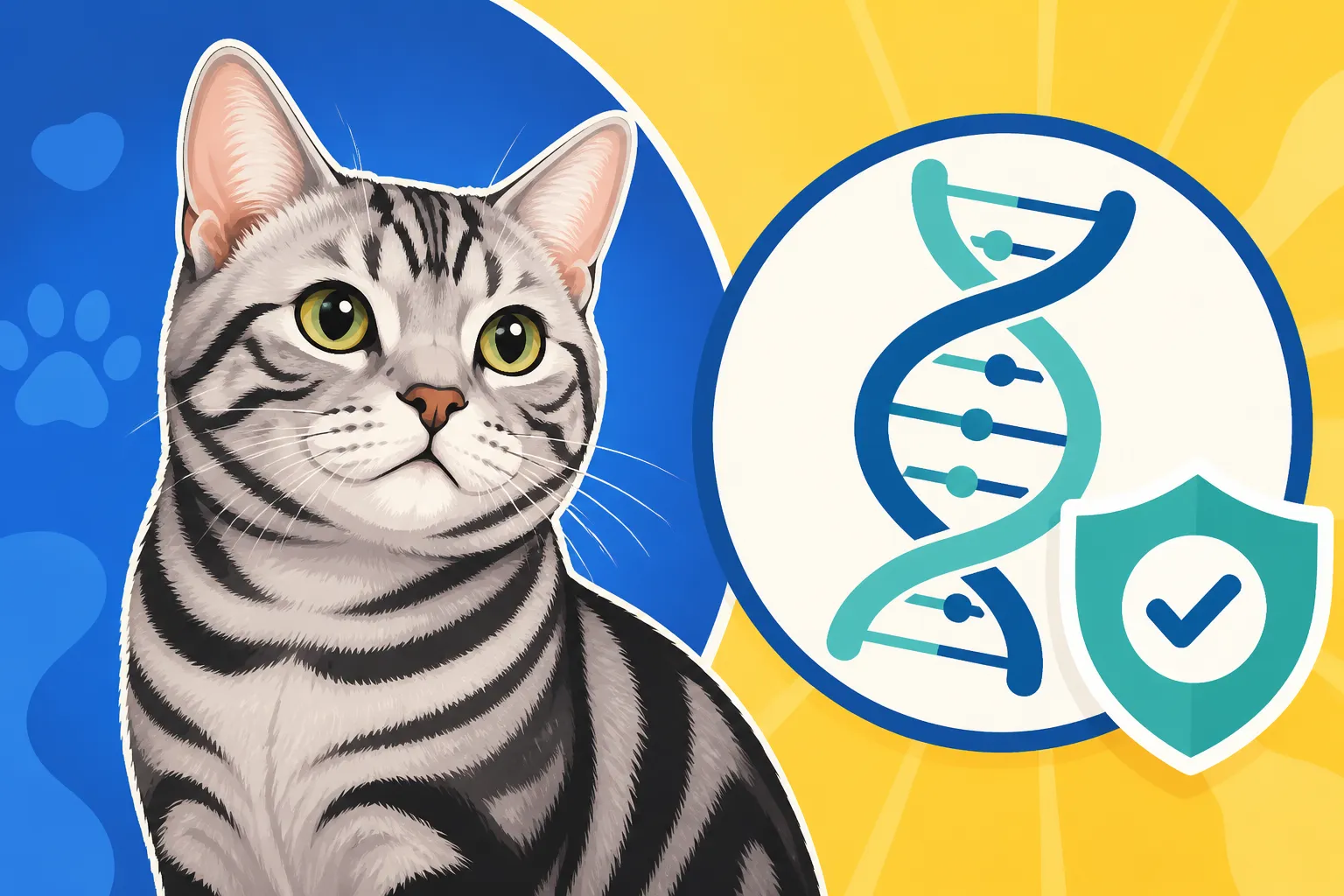
It's completely understandable to wonder about genetic screening for your American Shorthair, especially when you hear so much about DNA panels for other purebred cats. Many owners feel a bit lost in the sea of information, trying to figure out if their sturdy, seemingly healthy cat needs all these fancy genetic tests. This guide is here to cut through the confusion and explain why the American Shorthair generally doesn't have a "required" DNA panel, but also to highlight the crucial health screenings that truly matter for their long-term well-being.
The Role of DNA Panels in Pedigree Cat Health
When you delve into the world of purebred cats, you quickly discover that genetic testing is a hot topic. For many breeds, DNA panels are an essential part of responsible breeding and ownership, offering a peek into a cat's genetic blueprint.
What is a Genetic Health Panel?
At its heart, a genetic health panel is a laboratory test, usually performed on a cheek swab or blood sample, that analyzes a cat's DNA for specific gene mutations. These mutations can be linked to a variety of things: inherited diseases, certain coat colors or patterns, and even blood types. The primary purpose of health-focused panels is to identify if a cat is a carrier for a particular disease, meaning they carry the gene but aren't affected, or if they are actually affected by the disease themselves.
For breeders, this information is invaluable. Knowing a cat's genetic status allows them to make informed decisions about breeding pairs, helping to reduce or eliminate the incidence of inherited conditions within their lines. For pet owners, it can offer peace of mind, or, if a mutation is found, provide a heads-up about potential future health challenges, allowing for proactive monitoring and care. For instance, breeds like the Maine Coon often have panels that screen for conditions like Hypertrophic Cardiomyopathy (HCM) or Spinal Muscular Atrophy, while Persians are frequently screened for Polycystic Kidney Disease (PKD). These are specific, known genetic issues that have become prevalent in those particular breeds over time.
Why Some Breeds Have "Required" Panels
The concept of "required" DNA panels usually stems from a breed's history, its genetic predispositions, and the efforts of breed clubs and registries to safeguard its future health. Many modern pedigree breeds have relatively small, closed gene pools, meaning all individuals trace back to a limited number of founders. When certain genetic mutations existed within those original founders or were introduced through careful, sometimes intensive, selective breeding for specific aesthetic traits, they could become concentrated within the breed.
Over generations, without careful monitoring, these mutations can lead to a higher incidence of specific inherited diseases. To combat this, reputable breed clubs and organizations like the Cat Fanciers' Association (CFA) or The International Cat Association (TICA) will often recommend, or even mandate for championship show eligibility, genetic testing for known, problematic conditions. This isn't just about identifying sick cats; it's about understanding the genetic landscape of the breed as a whole. It ensures that breeders are working towards a healthier future, making sure that the beautiful traits they preserve don't come at the cost of the cats' well-being. These requirements help maintain genetic diversity where possible and prevent the proliferation of serious health issues that could otherwise become endemic.
The American Shorthair's Health Reputation
Unlike many other pedigreed cats, the American Shorthair boasts a robust health profile, a testament to its practical origins and the way it developed. This inherent hardiness is why discussions around "required" DNA panels often don't apply to this particular breed in the same way they do for others.
A Legacy of Natural Selection
The American Shorthair's ancestors weren't bred in fancy catteries for specific looks or extreme features. Instead, they were the working cats brought over on ships from Europe to control rodent populations in homes, barns, and on farms across North America. These were cats that earned their keep, surviving and thriving based on their intelligence, agility, and overall physical soundness. Weak or sickly cats simply didn't make it in such a demanding environment.
This history of natural selection for survival and utility meant that only the fittest cats passed on their genes. There was no selective pressure for flattened faces, short legs, or excessively long coats, which can sometimes come with unintended health consequences in other breeds. What resulted was a fundamentally strong, well-proportioned cat with a diverse gene pool. This foundational health is why many consider The American Shorthair Is the Control Group of Cat Breeding. Their physical traits – a sturdy build, strong jaws, and a dense coat – were all about function, ensuring that Why Function Left the American Shorthair Fewer Faults as they evolved. They were chosen for their practical skills, not for conformation to an arbitrary standard, and this practical beginning continues to define their general good health today.
The American Shorthair as a Health Benchmark
Because of this incredibly sound genetic heritage, the American Shorthair is often held up as a model of what a naturally healthy cat breed should be. They are frequently referred to as a "health benchmark" in the feline world. When discussions arise about the health challenges faced by other breeds due to specific genetic predispositions or exaggerations in breeding, the American Shorthair is often cited as an example of a breed where health has been prioritized, even inadvertently through its origins.
This isn't to say American Shorthairs are immune to all health issues—no living creature is—but they generally experience fewer hereditary conditions compared to many other pedigrees. Their broad gene pool and lack of extreme features mean they aren't predisposed to the array of genetic quirks that some highly specialized breeds encounter. This reputation for natural robustness contributes significantly to why comprehensive, mandatory DNA screening panels are not a standard practice for the breed. The focus shifts from screening for a multitude of specific genetic diseases to general preventative care, regular veterinary check-ups, and monitoring for common conditions that can affect any cat, regardless of breed. Their existence helps to answer the question, Why the American Shorthair Is Used as a Health Benchmark, by showing what can be achieved when health and functionality are paramount.
Unpacking the Reality: Specific Genetic Considerations
While the American Shorthair is renowned for its robust health, it's not entirely without any genetic considerations. However, these are generally managed differently than the extensive DNA panels seen in other breeds.
Hypertrophic Cardiomyopathy (HCM) – The Primary Concern
If there's one inherited health condition that can affect the American Shorthair, it's Hypertrophic Cardiomyopathy, or HCM. This is a disease where the walls of the heart's main pumping chamber (the left ventricle) become abnormally thick, making it harder for the heart to pump blood effectively. While it's significantly less prevalent in American Shorthairs than in breeds like Maine Coons or Ragdolls, it's still the most notable inherited cardiac disease for which breeders and owners should be vigilant.
The crucial difference with HCM in American Shorthairs is that there isn't a universally reliable DNA test available to screen for it, unlike in some other breeds where specific gene mutations (like the MYBPC3 mutation in Maine Coons) have been identified. For the American Shorthair, HCM is considered polygenic, meaning it likely involves multiple genes interacting, or simply hasn't had a single causative gene identified. This is why for American Shorthairs, diagnosis and screening rely primarily on veterinary echocardiograms—a specialized ultrasound of the heart. These scans allow a veterinary cardiologist to visualize the heart's structure and function. For breeding cats, yearly echocardiograms are often recommended to monitor heart health, as HCM can progress silently. This lack of a definitive genetic test underscores HCM Is the One Inherited Disease the American Shorthair Kept and helps us understand Why HCM Survived in the American Shorthair without a simple DNA solution.
Hip Dysplasia – A Less Common, But Possible Issue
Another genetic consideration, though far less common than in some large dog breeds or even some larger cat breeds, is hip dysplasia. The American Shorthair is a sturdy, muscular cat with a square, powerful build. While this build is generally excellent for agility and strength, in some individuals, particularly those at the heavier end of the breed standard or those with a very stocky conformation, the hip joints might not develop as perfectly as they should.
Hip dysplasia occurs when the ball and socket of the hip joint don't fit together snugly, leading to instability, pain, and eventually arthritis. Symptoms might include a reluctance to jump, stiffness, or lameness, though cats are famously stoic and may hide pain effectively. Screening for hip dysplasia typically involves physical examination and X-rays, not a DNA test. While not a widespread "breed problem," it’s something responsible breeders are mindful of, especially when considering the lineage of their breeding cats. It highlights that even in a robust breed, anatomical traits can sometimes lead to issues. This specific concern is part of the broader discussion about Why a Stocky Build Costs an American Shorthair Its Hips.
Other Potential but Rare Genetic Conditions
Beyond HCM and the rare instances of hip dysplasia, the American Shorthair generally has very few documented breed-specific genetic health problems. Occasionally, some older outcrosses in the breed's history might have introduced genes for conditions like Polycystic Kidney Disease (PKD), which is more commonly associated with Persian cats and breeds derived from them. However, due to the American Shorthair's continually open and diverse gene pool, such genes have largely been diluted out, making PKD exceptionally rare in purebred American Shorthairs today. This is why you don't typically see PKD on any recommended screening list for the breed, and it rarely warrants a DNA panel. It's truly a testament to the health management strategies of the past and the breed's natural resilience that Whether the American Shorthair Carries PKD From Old Outcrosses is largely a non-issue now.
Similarly, other conditions that might affect some breeds, such as pyruvate kinase deficiency (PKDef) or spinal muscular atrophy (SMA), are either non-existent or so incredibly rare in the American Shorthair that they are not considered a breed-specific concern, nor are they part of any "required" DNA panel. This general lack of widespread, specific genetic disease concerns is a significant part of the breed's appeal and its reputation for being a low-maintenance, healthy companion.
Why a Universal DNA Panel Isn't "Required" for the American Shorthair
The absence of a universal, required DNA panel for the American Shorthair isn't an oversight; it's a reflection of the breed's unique development and genetic characteristics. This distinction is crucial for understanding why their health management differs from many other pedigreed cats.
The Broadness of the Gene Pool
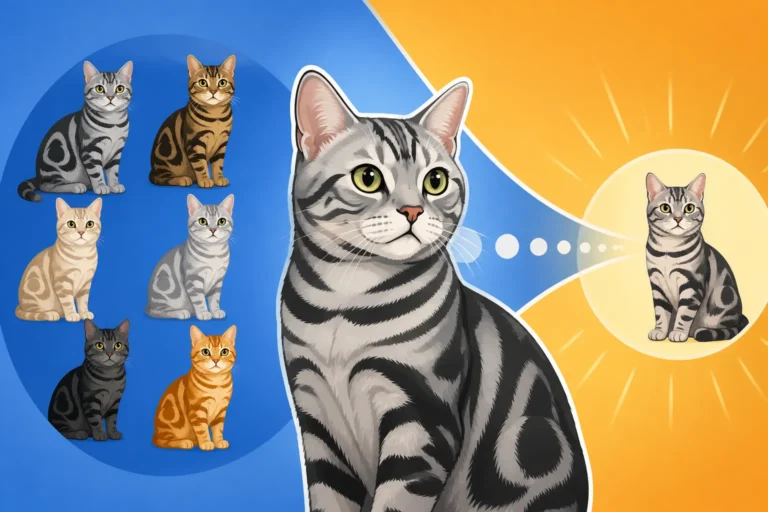
One of the most significant factors contributing to the American Shorthair's excellent health and the lack of a "required" DNA panel is its expansive and historically open gene pool. Unlike many modern breeds that were developed from a very small number of foundation cats, the American Shorthair evolved from a large, diverse population of working cats across North America. These cats weren't isolated to a few breeding lines; they mixed freely, introducing a wide array of genetic material into the population.
This broad genetic diversity acts as a natural buffer against the concentration of specific detrimental gene mutations. When a gene pool is wide and varied, any single recessive gene for a disease is less likely to be passed down through multiple generations or appear in enough individuals to become a widespread problem. It effectively dilutes the impact of any single undesirable genetic trait. Even as the breed became formalized and selective breeding began, early breeders consciously chose healthy, robust individuals, and the gene pool remained open to outcrosses with well-typed domestic shorthairs for many years. This strategy helped maintain genetic vigor. Understanding How Wide the American Shorthair's Gene Pool Really Is is key to grasping why they haven't faced the same genetic bottlenecks as some other breeds.
Focus on Phenotypic Screening
Given the American Shorthair's broad gene pool and the nature of the few genetic predispositions they do have (like HCM, which often doesn't have a single identifiable gene marker), health monitoring for the breed primarily relies on what's called phenotypic screening. This means vets and breeders focus on observing the physical manifestations of health or disease, rather than solely on predictive genetic tests.
For instance, instead of a DNA test for HCM, an American Shorthair’s heart health is assessed through regular physical exams and, most importantly, periodic echocardiograms. These ultrasounds directly show the structure and function of the heart, allowing veterinarians to detect thickening or other abnormalities. Similarly, hip health is assessed through observation of gait, palpation, and X-rays if issues are suspected. Dental health, weight management, and organ function are all monitored through routine veterinary check-ups, blood work, and urinalysis.
This approach is highly effective for the American Shorthair because it addresses issues as they present or are at risk of developing, rather than relying on DNA tests that might not exist or aren't comprehensive enough for their specific genetic makeup. It emphasizes the importance of good husbandry, regular veterinary care, and an attentive owner, rather than a one-size-fits-all genetic panel. It's a pragmatic approach that acknowledges the breed's general hardiness while still addressing the areas where vigilance is beneficial.
Recommended Health Screenings and Proactive Care
Even without a specific "required" DNA panel, responsible American Shorthair ownership absolutely involves proactive health management. These foundational practices are often more impactful for this breed than chasing elusive genetic markers.
Regular Veterinary Examinations
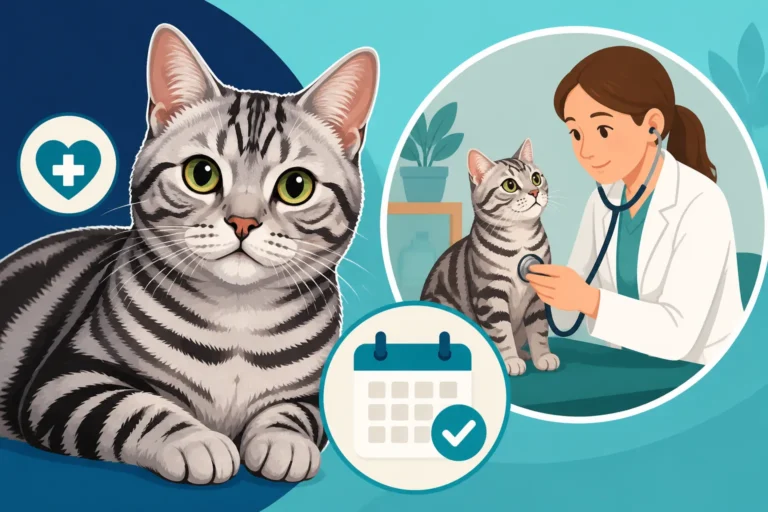
This might sound obvious, but for an American Shorthair, regular veterinary check-ups are the cornerstone of their health plan. These aren't just for vaccinations; they're comprehensive wellness exams where your vet assesses everything from nose to tail. During these visits, your veterinarian will listen to your cat's heart and lungs, check their teeth and gums, palpate their abdomen, and evaluate their overall body condition. They’ll also discuss diet, exercise, and any changes you've noticed in your cat's behavior or habits.
For a breed known for its stoicism, these routine exams are even more critical. American Shorthairs, being descendants of independent working cats, are remarkably good at hiding signs of illness or discomfort until a condition is quite advanced. A skilled vet can pick up on subtle cues that an owner might miss, such as minor changes in a heart murmur, early signs of dental disease, or a slight shift in muscle mass that could indicate underlying issues. These appointments also serve as a crucial touchpoint for discussing age-appropriate care as your cat gets older, adapting their diet, exercise, and preventative screenings. It’s about being proactive and ensuring How Regularly a Healthy American Shorthair Still Needs Checking is taken seriously.
Cardiac Screening (Echocardiograms)
While there isn't a gene test for HCM in American Shorthairs, cardiac screening through echocardiograms is one of the most important preventative measures, especially for breeding cats and even recommended for pet cats as they age. An echocardiogram is a non-invasive ultrasound of the heart that allows a veterinary cardiologist to visualize the heart's chambers, valves, and muscle thickness. This is the most effective way to detect HCM in its early stages.
For breeders, annual echocardiograms performed by a board-certified veterinary cardiologist are the gold standard for monitoring the cardiac health of their breeding cats. This helps them identify any cat that develops HCM and remove them from breeding programs, further minimizing the risk to future generations. For pet owners, if a heart murmur is detected during a routine exam, an echocardiogram would be the next step to determine its significance. This practice is so vital precisely because Why an Echo Beats a Gene Test in an American Shorthair for this specific condition in ASH. It ensures that the primary known genetic risk is managed with the most accurate diagnostic tool available, helping to maintain Why an American Shorthair Still Needs a Yearly Heart Scan if it's a breeding animal or if there are concerns.
Weight Management and Joint Health
Given the American Shorthair's sturdy, muscular build and their historical predisposition to being effective hunters (and therefore, good eaters!), weight management is paramount to their long-term health. The shift from an active, outdoor mousing life to a comfortable, indoor existence has ironically led to a common challenge: obesity. This is a significant concern because Obesity Is What Ending the American Shorthair's Job Cost It.
Excess weight places undue stress on joints, particularly in a breed with their compact, square frame, potentially exacerbating or leading to conditions like arthritis or even the rare hip dysplasia mentioned earlier. Furthermore, obesity is a major risk factor for developing feline diabetes and can shorten a cat's lifespan significantly. Regular monitoring of your American Shorthair's weight, ensuring appropriate portion control with high-quality food, and encouraging active play are all critical. Pay attention to how What Extra Weight Does to an American Shorthair's Working Frame and how it can impede their natural agility and comfort. Discussing your cat's ideal weight and dietary needs with your vet is a smart step to ensure they maintain their athletic physique and avoid the pitfalls of modern indoor living.
Partnering with Your Vet and Breeder for Optimal Health
Ensuring your American Shorthair lives a long, healthy life is a team effort involving you, your veterinarian, and, if you got your cat from one, a reputable breeder. Each plays a vital role in piecing together the full picture of your cat's health.
The Importance of a Reputable Breeder
If you're considering bringing an American Shorthair into your home, finding a reputable breeder is incredibly important. A responsible breeder won't just sell you a kitten; they'll be a wealth of information and transparency regarding the health of their breeding lines. They should be able to provide clear documentation of their cats' health screenings, particularly for cardiac health. This typically includes the results of regular echocardiograms performed by a veterinary cardiologist for their breeding animals. They should be open about any health issues that have appeared in their lines, even if rare.
A good breeder actively works to minimize known health risks, even if the breed is generally healthy. They understand that their responsibility extends beyond the initial sale. They will also ensure that What an American Shorthair Breeder Should Have Screened is completed before breeding, including general health checks and potentially hip assessments if there's any history. Furthermore, they should provide you with a health guarantee and be upfront about Whether an American Shorthair Kitten Arrives With Health Paperwork, which should include vaccination records and potentially parentage health screenings. This kind of breeder-owner relationship sets a solid foundation for your cat's health.
The Role of Pet Insurance
Even with the American Shorthair's stellar health reputation and all the preventative care in the world, unexpected illnesses or accidents can still happen. This is where pet insurance can provide a tremendous amount of peace of mind. While American Shorthairs are generally considered a healthy breed and may even qualify for lower premiums due to their lower risk profile, unforeseen issues like injuries, sudden infections, or even age-related conditions later in life can incur significant veterinary costs.
Having a robust pet insurance policy can help alleviate the financial stress during an emergency, allowing you to focus on getting your cat the best possible care without having to make difficult decisions based on cost. Companies like Healthy Paws offer comprehensive plans that can cover everything from emergency visits to chronic conditions. Even for a hardy breed, it’s worth investigating, especially since Whether Insurers Price the American Shorthair Low is often the case. A good plan from providers like Healthy Paws can mean the difference between stressing over a vet bill and simply being able to say "yes" to necessary diagnostics or treatments. It’s an investment in your peace of mind and your cat's future. It is also good to know Why an American Shorthair Is Cheap to Insure because this helps reduce the overall cost of ownership.
Proactive Owner Observation
Ultimately, you, the owner, are the first line of defense in your American Shorthair's health. Living with your cat every day, you are uniquely positioned to notice subtle changes that might indicate a budding health problem. Because American Shorthairs are so stoic and independent, they often don't loudly complain when something is amiss.
Being observant means paying attention to their eating and drinking habits: Has their appetite changed? Are they drinking more or less water? Monitor their litter box for changes in urination or bowel movements. Notice any shifts in their energy levels, playfulness, or grooming routines. Are they grooming less, or excessively in one spot? Is there any limping, stiffness, or reluctance to jump? Regular at-home checks, like feeling for any new lumps or bumps, looking at their eyes and ears, and even just observing their breathing patterns while they sleep, are valuable. If you notice anything out of the ordinary, no matter how small, it's always best to contact your veterinarian. Early detection is often the key to successful treatment and management of any health condition, preserving your beloved American Shorthair's quality of life.
| Condition | American Shorthair Primary Screening Method | Other Breeds (Example) | Common Screening Method for Other Breeds | Why it Differs for ASH |
|---|---|---|---|---|
| Hypertrophic Cardiomyopathy (HCM) | Echocardiogram (yearly for breeding cats) | Maine Coon, Ragdoll | DNA Test (often for known mutations) | ASH HCM is often complex, no single reliable gene test. |
| Polycystic Kidney Disease (PKD) | Rarely screened routinely (due to rarity) | Persian, Exotic Shorthair | DNA Test | Extremely rare in ASH due to diverse gene pool. |
| Hip Dysplasia | Clinical exam, X-rays (if symptoms occur) | Maine Coon, Siberian | X-rays (often for breeding cats) | Not a widespread breed issue, but possible due to build. |
| Pyruvate Kinase Deficiency (PKDef) | Rarely screened routinely (due to rarity) | Abyssinian, Somali | DNA Test | Very rare to non-existent in ASH. |
Disclaimer
Please remember that this article provides general information and should not replace professional veterinary advice. Always consult with your veterinarian regarding specific health concerns or treatment plans for your American Shorthair.