What an American Wirehair Is Next to an American Shorthair
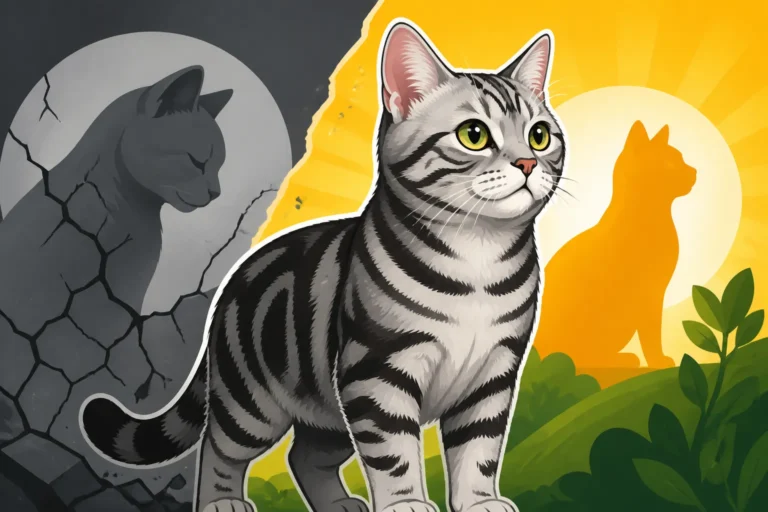
Many people adore the classic, sturdy American Shorthair, a beloved fixture in homes across the country, but sometimes a truly unique cat catches their eye – one that looks similar but has a surprisingly textured coat. This often leads to confusion about the American Wirehair, a rarer breed that owes its very existence to its Shorthair cousins. This guide will walk you through the fascinating differences and shared heritage between these two distinct yet connected breeds, helping you understand what makes each one special.
The American Shorthair: A Classic American Original
Before we dive into the fascinating world of the American Wirehair, it's essential to truly appreciate its foundational breed: the American Shorthair. This is a cat that embodies resilience, adaptability, and a no-nonsense charm, qualities that were forged over centuries of practical living. When you think of a "cat," often the image that pops into your mind is something remarkably close to an American Shorthair – well-built, alert, and with a coat designed for function.
Tracing the Roots of a Resilient Breed
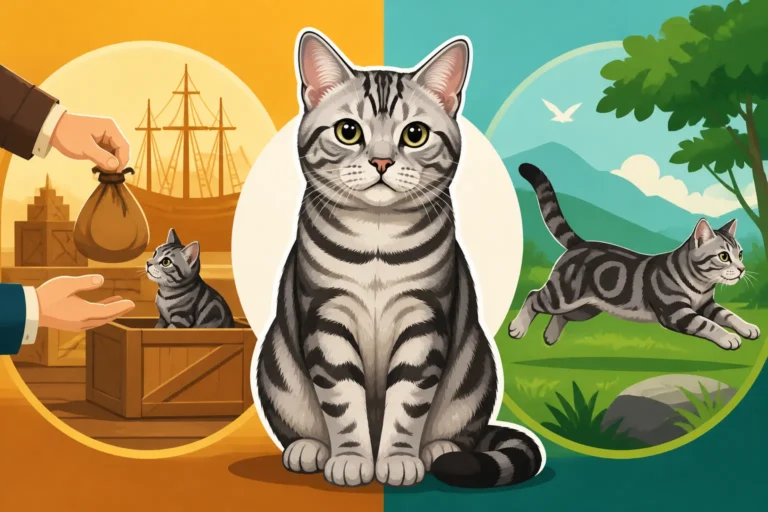
The story of the American Shorthair isn't one of meticulous laboratory breeding or ancient aristocratic lineage in some far-off land. Instead, it’s a tale woven into the very fabric of American history. These cats weren't brought over as pampered pets, but as essential working animals aboard ships, tasked with protecting precious cargo and provisions from rodents. Imagine the crowded holds of sailing vessels, like those that brought early settlers to new shores; these cats were indispensable crew members. They were tough, intelligent, and incredibly resourceful, skills honed by necessity during long voyages and then put to even greater use on burgeoning farms and in developing towns. You can read more about their seafaring history in Ships Carried the American Shorthair's Ancestors as Ratters.
Their ancestry traces back to the European domestic cats who accompanied early settlers to North America, performing vital pest control duties. These were cats that earned their keep, adapting to harsh environments and thriving purely on their wits and hunting prowess. Over generations, natural selection favored the strongest, most intelligent, and most adaptable individuals, shaping them into the robust and healthy cats we recognize today. They are truly the descendants of "survival of the fittest," evolving into a distinctly American type long before formal breed recognition. This rich history is why the American Shorthair is often seen as a benchmark for feline health and temperament; they are, in many ways, the control group of cat breeding, representing a robust, naturally evolved standard. If you're curious about their earliest days, check out The Mayflower Cats Behind the American Shorthair.
Defining the American Shorthair Look and Temperament
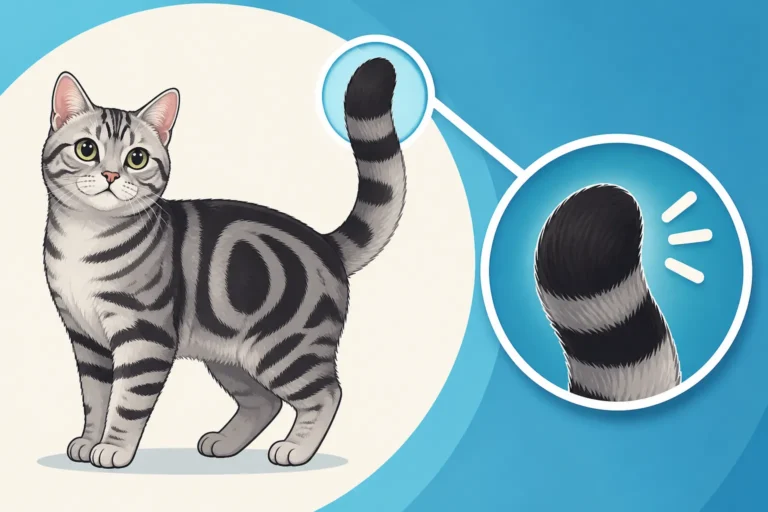
The physical appearance of an American Shorthair is a testament to its working-class heritage. They are cats built for purpose: sturdy, muscular, and athletic, without being overly dainty or extreme in any feature. The breed standard calls for a medium-to-large cat with a powerful, balanced build. Their heads are broad and full-cheeked, with medium-sized, slightly rounded ears and large, wide-set eyes that are typically bright and alert. Their short, dense coat is hard to the touch, providing excellent protection against various weather conditions, and comes in a vast array of colors and patterns, with the classic silver tabby being perhaps the most iconic. For a deeper dive into their appearance, you might like What an American Shorthair Looks Like by the Standard.
Beyond their looks, the American Shorthair’s temperament is equally appealing and directly reflects its history. These are not typically "lap cats" in the demanding sense, but rather affectionate companions who prefer to be with you, often sitting beside you on the sofa rather than directly on your lap. They are known for their easygoing, adaptable, and tolerant nature, making them wonderful family pets that get along well with children and other animals. They possess a quiet intelligence and a moderate energy level, enjoying interactive play but also content to observe their surroundings from a comfortable perch. They are often described as independent but loyal, a perfect balance for those who appreciate a cat that An American Shorthair Asks You for Almost Nothing.
Introducing the American Wirehair: A Happy Accident
While the American Shorthair’s story is one of gradual evolution and natural selection, the American Wirehair’s origin is a much more sudden and serendipitous event. This breed sprang into existence through a single, remarkable genetic mutation, making it one of the younger and rarer pedigreed cat breeds. It's a testament to the unexpected wonders that can arise in the world of genetics and the dedication of breeders to preserve truly unique traits.
The Unexpected Mutation and Its Discovery
The American Wirehair made its debut in 1966, a true "happy accident" that occurred in a litter of otherwise typical American Shorthair kittens born on a farm in upstate New York. One particular male kitten, known initially as Council Rock Farms Adam, stood out from his siblings. His fur wasn't the smooth, dense coat characteristic of his American Shorthair parents and littermates; instead, it was strikingly coarse, crimped, and springy, almost like steel wool. This wasn't a result of selective breeding over generations, but a spontaneous genetic mutation, a random twist of DNA that created an entirely new coat type.
This unique kitten quickly caught the attention of local cat fanciers and breeders, who recognized the novelty and potential of such a distinct trait. While other "rough-coated" cats might have appeared randomly throughout history, this was the first time such a clear, consistent wirehaired mutation had been observed and actively pursued for breeding purposes. The coat's texture was unlike anything seen in existing cat breeds, suggesting a dominant gene mutation that could be passed on to future generations. The discovery marked the birth of a new possibility in feline genetics and began the journey of establishing a distinct breed.
How the Wirehair Coat Came to Be a Breed
Once the uniqueness of the wirehair coat was identified, the task of establishing it as a recognized breed began. This wasn't as simple as breeding two wirehaired cats, especially since only one existed initially. To ensure genetic diversity and to maintain the desirable physical traits and robust health of the foundation stock, the original Wirehair kitten and its descendants were carefully outcrossed, primarily to American Shorthairs. This strategic breeding was crucial for several reasons: it introduced new genes, prevented inbreeding depression in a very small gene pool, and ensured that the "type" – the overall conformation and temperament – remained consistent with the healthy and well-regarded American Shorthair.
Breeders meticulously documented the inheritance of the wirehair gene, confirming that it was a dominant trait, meaning only one parent needed to carry the gene for some kittens in a litter to display the wirehaired coat. Over time, through careful selection and breeding programs, the unique texture became consistent. The goal was not just to reproduce the wirehair coat, but to create a healthy, viable breed that upheld the best qualities of its American Shorthair ancestors. The dedicated work of early breeders helped define the American Wirehair standard, ensuring that while the coat was distinct, the underlying cat remained a sturdy, well-balanced animal. For more on this lineage, see How the American Wirehair Came From the American Shorthair.
The Key Difference: That Unique Wirehair Coat
When discussing the American Shorthair and the American Wirehair, the absolute defining characteristic that sets them apart is undeniably the coat. It's not just a subtle variation; it's a dramatic textural difference that impacts everything from their appearance to their grooming needs. This unique coat is the Wirehair’s signature, making it instantly recognizable and a marvel of natural genetic variation.
The Distinctive Texture and Appearance
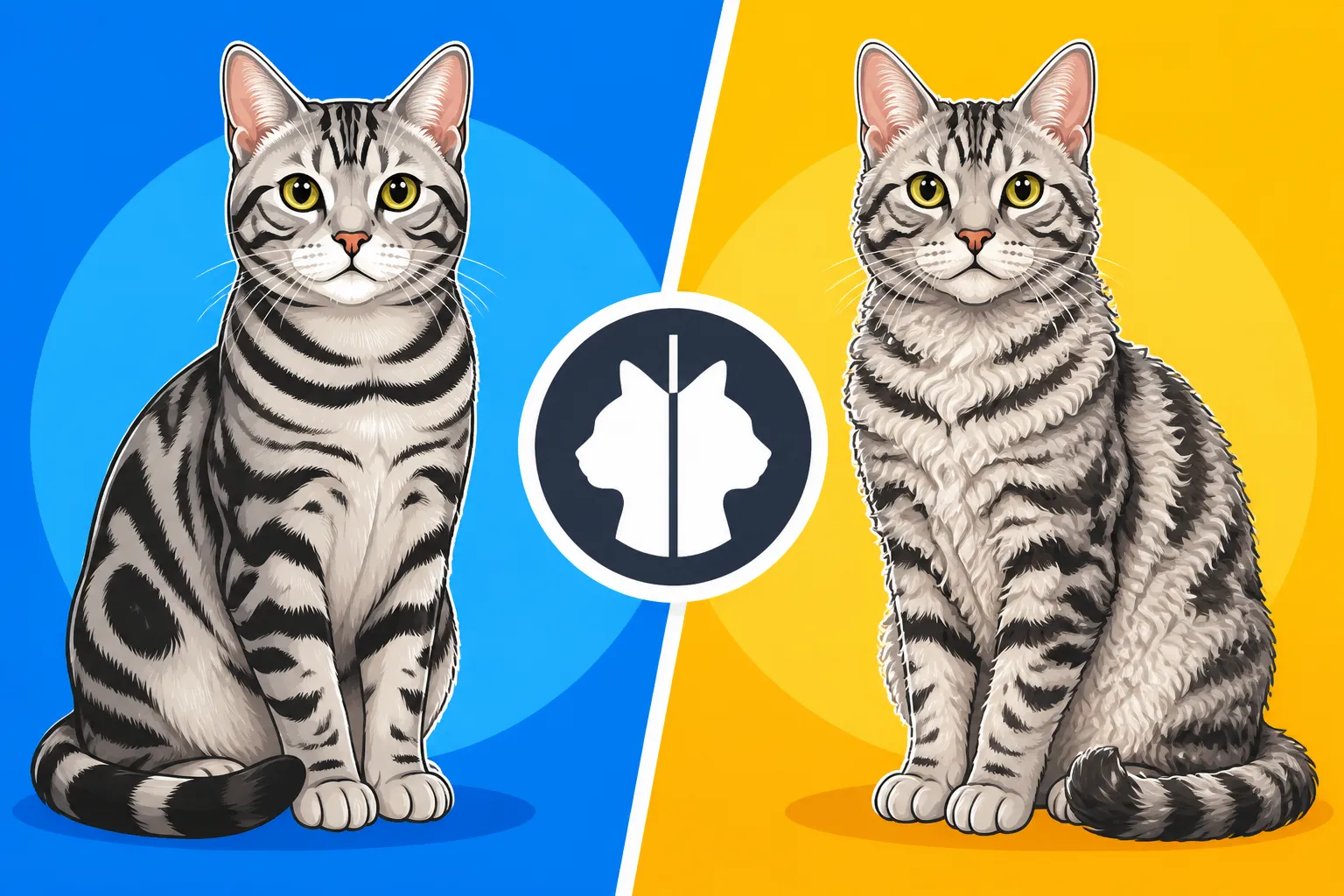
Let's talk texture first. The American Shorthair boasts a coat that is short, dense, and firm to the touch, almost stiff, but ultimately smooth. It's a practical coat, designed to protect them from the elements and to shed water effectively, a legacy from their working days. It lies close to the body, giving them a sleek, well-groomed appearance even with minimal intervention. You can run your hand over an American Shorthair, and it feels like a classic, well-put-together cat coat – resilient and smooth.
Now, imagine the complete opposite, but still short. The American Wirehair's coat is truly one-of-a-kind. Each individual hair, from the guard hairs down to the undercoat and even the whiskers, is bent, hooked, or crimped, giving the fur a coarse, springy, and resilient feel. It's often described as feeling like steel wool or a bristly broom. Visually, this means the coat doesn't lie flat; instead, it has a wonderfully ruffled or crinkled appearance. In some individuals, the hair might even feel sparse in places, adding to its distinct texture. The crimping isn't just on the body; even their whiskers are often curly or broken, which is a key indicator of the wirehaired gene. This unique genetic trait is what makes them so special, a truly visual and tactile departure from their smooth-coated relatives.
Grooming Needs: A Tale of Two Coats
The vast difference in coat texture naturally translates into very different grooming requirements for these two breeds. An American Shorthair, with its practical, dense coat, is remarkably low maintenance. Their coat was built for weather and self-sufficiency, not for hours on a grooming table. They are excellent self-groomers, and while a good brushing session a couple of times a week can help manage shedding, especially during seasonal changes, it's not strictly necessary to prevent matting or tangles. Their coat tends to shed seasonally, with a heavier shed in spring and fall, but it rarely presents major issues. If you want to know more about their shedding cycle, check out An American Shorthair Sheds Twice a Year and Asks Nothing Else.
The American Wirehair, however, demands a more delicate touch. While their short, coarse coat doesn't typically mat, its unique texture is surprisingly fragile. Excessive brushing, especially with harsh tools, can actually break the crimped hairs, damaging the coat and potentially irritating the skin. Instead, American Wirehairs generally benefit from very gentle, infrequent grooming, perhaps a soft brush or simply running damp hands over their fur to remove loose hairs. Owners often find that a soft cloth or a grooming glove is best. Baths should also be kept to a minimum to avoid stripping essential oils or over-drying their unique skin and coat. It's a delicate balance, and owners need to be mindful of how they approach their Wirehair's grooming to preserve its distinctive texture. For gentle grooming tools suitable for any cat, you might find options on Chewy. Learning How Little Combing an American Shorthair Actually Needs will give you an idea of the minimal expectations.
Beyond the Coat: Similarities in Type and Temperament
While the coat of the American Wirehair is its most striking feature and the primary differentiator, it's crucial to remember its lineage. The American Wirehair didn't appear out of thin air; it emerged from the American Shorthair gene pool. This means that beneath that unique, bristly exterior, there's a strong echo of the American Shorthair in terms of physical build, personality, and overall disposition. Many of the qualities we admire in the American Shorthair are purposefully maintained in the Wirehair breed.
Shared Ancestry and Physical Traits
Because of the critical role outcrossing to American Shorthairs played in the early development of the American Wirehair breed, and continues to play in many breeding programs, these two breeds share a remarkably similar underlying physical structure. Both are medium to large cats, recognized for their strong, muscular bodies and broad chests, a direct result of their hardy, working-cat ancestors. They exhibit a well-rounded, balanced physique that speaks to their health and athleticism. You won't find extreme features or delicate frames in either breed; instead, they are built to be robust and functional.
Their heads, too, often carry the same characteristics: full, rounded cheeks, a medium-length muzzle, and alert, expressive eyes. The ears are typically medium-sized and slightly rounded, set neither too high nor too low. Essentially, if you were to shave an American Wirehair (though please don't!), you would likely find a cat that looks almost identical in body shape and proportion to a well-built American Shorthair. This consistency in body type is not accidental; it’s a deliberate effort by breeders to ensure that the unique coat is carried on a sturdy, healthy, and recognizable frame. Understanding Why an American Shorthair Is Built Square gives you insight into the shared robust physique.
Temperament Echoes: Easygoing and Affectionate
Just as they share a similar physical foundation, the American Wirehair also largely mirrors the American Shorthair in temperament. Both breeds are celebrated for their laid-back, adaptable, and affectionate personalities. They are often described as good-natured, enjoying companionship without being overly demanding. Their intelligence means they are often curious and playful, but they are equally content to relax and observe their surroundings. These are cats that generally fit well into diverse households, adapting to routines and family members with relative ease.
This shared temperament makes both breeds excellent choices for families, including those with children and other pets. They tend to be patient and tolerant, less prone to high-strung behaviors or excessive vocalization. They are known for being sociable, enjoying interaction with their human companions, often greeting them at the door or following them quietly from room to room. Their independent streak, inherited from centuries of self-sufficient living, means they are not typically prone to separation anxiety and can cope well with a household that has periods of quiet or time alone. If you're looking for a cat that integrates seamlessly into family life, both the American Shorthair and its Wirehair cousin are strong contenders. You can explore this further in Why an American Shorthair Fits Any Household or Why an American Shorthair Suits a First Time Owner.
Breeding and Registration: Keeping the Lines Clear
The distinction between the American Shorthair and the American Wirehair, while visually striking in the coat, is carefully maintained through established breeding practices and formal registration processes. These systems ensure the purity of each breed while acknowledging their deep connection and the deliberate choices made by breeders to cultivate these unique felines. For anyone considering owning either breed, understanding these practices is fundamental.
The Role of Outcrossing to American Shorthairs
The American Wirehair began with a single spontaneous mutation. To avoid severe inbreeding and to build a strong, healthy foundation for the new breed, early American Wirehair breeders, and even current ones, relied heavily on outcrossing. This means breeding American Wirehairs to carefully selected American Shorthairs. The goal was twofold: first, to introduce genetic diversity, which is crucial for the long-term health and vitality of any breed, especially one starting from such a small gene pool. Secondly, it was to ensure that the American Wirehair maintained the desirable conformational traits and robust health of the American Shorthair, preventing the breed from developing any undesirable physical or health weaknesses.
When an American Wirehair is bred to an American Shorthair, approximately half of the kittens in the litter will inherit the dominant wirehaired gene and display the distinctive coat. The other half will have smooth coats, indistinguishable from an American Shorthair. These smooth-coated offspring are often referred to as "shorthair variants" or "non-wirehairs." While they do not carry the wirehair trait themselves (as it's a dominant gene, a smooth-coated cat cannot "carry" it hidden), they are still valuable in breeding programs for their genetic contribution, often being registered as American Shorthairs, further intertwining the two breeds' fates. This practice ensures that the American Wirehair continues to benefit from the broad, healthy gene pool of its parent breed.
How Registries Differentiate the Breeds
Cat registries, such as the Cat Fanciers' Association (CFA) or The International Cat Association (TICA), play a vital role in formalizing and maintaining the distinction between these two breeds. Each registry has a specific breed standard for both the American Shorthair and the American Wirehair, detailing the acceptable physical characteristics, coat type, and temperament. For instance, the American Shorthair standard will describe its short, dense, even coat, while the American Wirehair standard will specifically emphasize the crimped, springy, coarse texture of its fur, right down to the whiskers.
For a cat to be recognized as a pedigreed American Shorthair or American Wirehair, it must have documented parentage and meet the breed standard. This means owning a cat with "papers" or a pedigree certificate is the official way to confirm its breed identity. These papers trace the cat's lineage back several generations, proving it comes from registered American Shorthair or American Wirehair stock. Without such documentation, a cat, no matter how much it resembles a pedigreed American Shorthair or Wirehair, would simply be classified as a domestic shorthair. This system helps breeders maintain the integrity of each breed and provides assurance to owners about their cat's heritage. A discussion on What an American Shorthair Pedigree Guarantees highlights the value of this documentation. The process ensures that breeders are responsible and transparent about their cats' backgrounds, providing clarity to those seeking a specific breed. If you're ever wondering, Whether Papers Are the Only Proof of an American Shorthair provides valuable insight.
Here's a quick overview of how the two breeds compare:
| Feature | American Shorthair | American Wirehair |
|---|---|---|
| Origin | Natural landrace, evolved in North America | Spontaneous mutation from American Shorthair |
| Coat Texture | Short, dense, firm, smooth, lies flat | Short, coarse, crimped, springy, ruffled |
| Whiskers | Straight | Often crimped or broken |
| Grooming Needs | Low; occasional brushing to manage shedding | Low but delicate; gentle care to avoid coat damage |
| Body Type | Medium to large, muscular, robust, well-balanced | Medium to large, muscular, robust, well-balanced |
| Temperament | Easygoing, adaptable, affectionate, independent | Easygoing, adaptable, affectionate, independent |
| Popularity | Very popular, well-known, widely available | Rare, less common, harder to find breeders |
| Ancestry | European domestic cats | Directly descended from American Shorthairs |
Making Your Choice: Which Breed Is Right for You?
Deciding between an American Shorthair and an American Wirehair really comes down to a few key considerations. Both are fantastic companions, embodying many of the same wonderful qualities, but that singular difference in coat can be a deal-breaker for some. It’s about aligning your preferences and lifestyle with what each breed uniquely offers.
Lifestyle Considerations for Each Coat Type
The primary factor in choosing between these two breeds will almost certainly be the coat. If you're someone who appreciates a classic, no-fuss feline and prefers a sleek, smooth coat that requires minimal intervention, the American Shorthair is likely your ideal match. Their robust health and easy grooming make them an excellent choice for busy households or first-time cat owners who want a hardy companion without specialized maintenance. They shed, of course, but it’s typically manageable with basic tools, and they are masters of self-grooming. You can find all the necessary grooming brushes and food for any American Shorthair on Chewy.
On the other hand, if you are drawn to the truly unique and somewhat quirky appearance of the crimped, springy coat, and you're prepared to offer the gentle, specific grooming it requires, then the American Wirehair might capture your heart. Their coat is a conversation starter, a tactile wonder that sets them apart. However, remember that "gentle" is the operative word in their grooming. While they don't demand frequent attention, you must be careful not to damage their delicate hairs. This might mean investing in softer brushes and avoiding rough handling. If you appreciate rarity and a distinctive aesthetic, and you're willing to be mindful of their coat's needs, the Wirehair offers something truly special.
Availability and Cost Differences
Another practical consideration when making your choice is the availability and potential cost of acquiring either breed. The American Shorthair is a much more common and widely recognized breed. Breeders are relatively numerous, and you might even find American Shorthair mixes or types in shelters, reflecting their long history and broad presence. This wider availability often means that while pedigreed American Shorthairs from reputable breeders still command a fair price for their health testing and lineage, they may be more accessible both in terms of finding a kitten and potentially in initial cost. For example, What a Registered American Shorthair Kitten Costs With Papers can give you an idea of the range.
The American Wirehair, by contrast, is a much rarer breed. Due to its unique origin and smaller gene pool, there are fewer breeders, and you might need to wait longer for a kitten. This rarity can sometimes translate into a higher purchase price compared to an American Shorthair, reflecting the limited supply and the dedication required to maintain the breed. Additionally, the specialized knowledge of Wirehair breeders about their unique coat genetics and care may also be reflected in the cost. If rarity and uniqueness are high on your priority list, and you're patient in your search, a Wirehair is worth considering. Regardless of the breed, ensuring your cat has access to high-quality food, toys, and healthcare supplies is essential, and retailers like Chewy offer a wide selection to meet these needs for both the common and the rare. Understanding Why American Shorthair Prices Range So Widely can also help set expectations.
Ultimately, both the American Shorthair and the American Wirehair are wonderful, robust, and affectionate companions. Your decision will likely hinge on whether you prefer the classic, easy-care coat of the Shorthair or the unique, tactile charm of the Wirehair, coupled with your willingness to seek out a rarer breed.
Disclaimer
This article is for general informational purposes only and does not constitute professional advice. Laws, prices and regulations vary by location and change over time. Consult a qualified professional for guidance on your specific situation.