Whether the American Shorthair’s Ancestors Were Bought or Kept Free
When we look at the sturdy, good-natured American Shorthair today, it’s easy to imagine they’ve always been cherished household companions, perhaps even purchased for a loving home from the start. But the truth of their ancestry is far more rugged and practical, rooted in a time when cats weren't bought with a price tag, but rather acquired, kept, and valued for a vital job they performed. Many wonder if these foundational cats were freely given, or if there was an underlying economic exchange for their services. This guide will explore the fascinating history of the American Shorthair's forebears, revealing how their "price" was intricately linked to their incredible usefulness.
The Indispensable Role of Early American Shorthair Ancestors
Before the American Shorthair became the recognized, pedigreed cat we know today, its ancestors were primarily working animals, essential for survival in a challenging new world. These cats weren't chosen for their charming looks or placid temperament; they were selected by necessity for their prowess as hunters. Imagine a ship laden with goods and provisions, traversing vast oceans – without effective pest control, the journey would be disastrous. This is where the early American Shorthair type cats truly earned their keep.
Pest Control on the High Seas
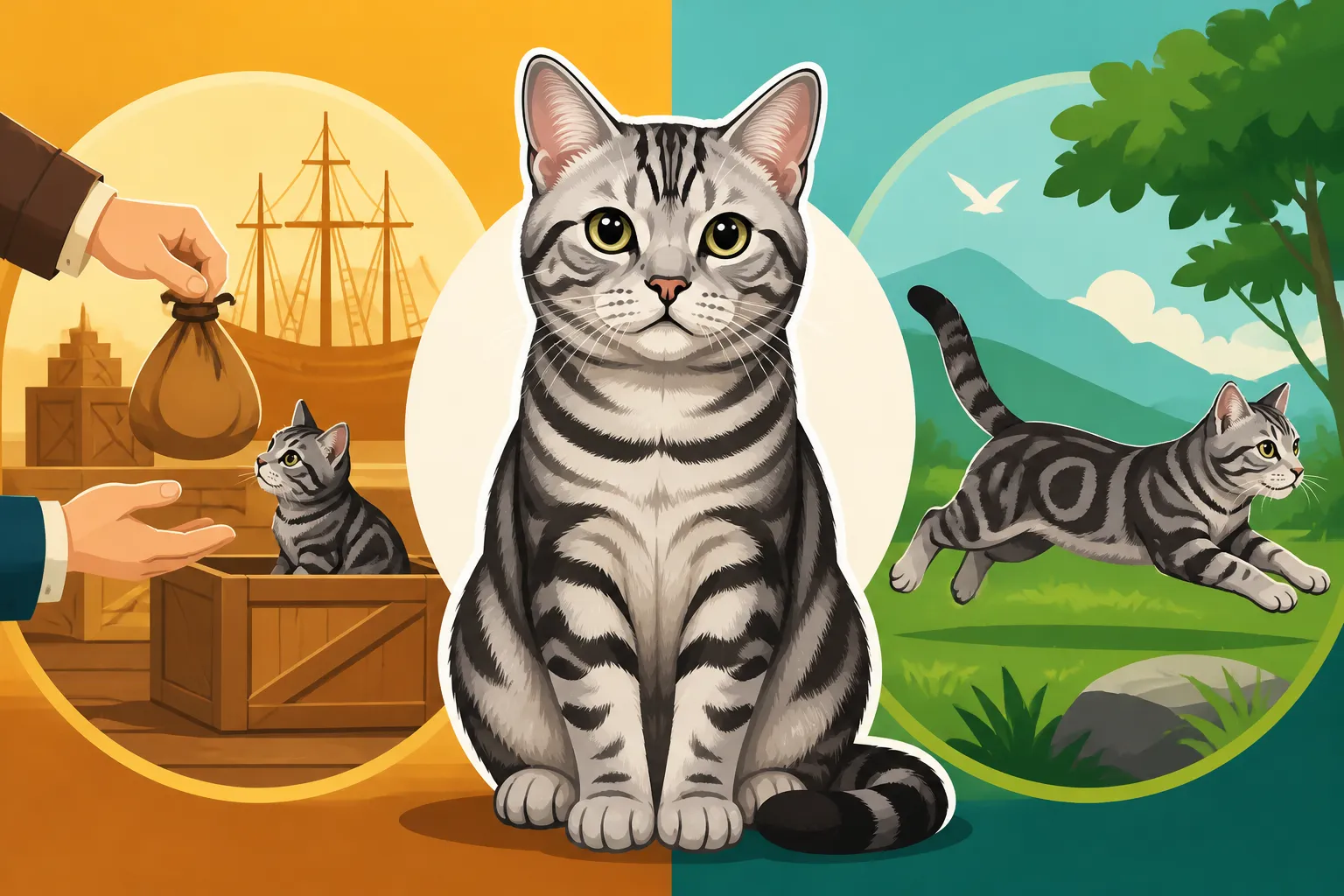
Centuries ago, long before formal cat breeds were even a concept, intrepid felines hitched rides on ships sailing from Europe to the New World. These were not pampered pets. Their primary role was clear: to keep rats and mice from devouring vital food supplies, gnawing through ropes, spreading disease, and undermining the structural integrity of the vessel. A ship captain wouldn't "buy" a cat in the modern sense; rather, a competent mouser was a valuable asset, often acquired informally or simply found, and then provisioned for their service. Their existence on board was a matter of practical economics – the cost of feeding a cat was far less than the cost of losing an entire cargo or crew to pests. It's safe to say that Why a Ship Could Not Sail Without an American Shorthair Type Cat highlights this critical dependency.
These cats were provided with food, water, and shelter, sometimes even scraps from the crew's meals, in exchange for their diligent work. There wasn't a formal transaction, but a symbiotic relationship where the cat received sustenance and a place, and the humans received invaluable protection. They were "kept free" in the sense that no money changed hands upon acquisition, but their value was undeniable. Their very presence was a form of payment, a trade of labor for life's necessities.
Farm Life and Frontier Survival
Once these feline immigrants disembarked, their working lives continued, seamlessly transitioning from ship to shore. Early American settlers faced similar, if not greater, challenges with pests. Farms, granaries, and nascent settlements were prime targets for rodents, which could decimate harvests, spread illness, and contaminate food stores. A good barn cat was not merely a convenience; it was a crucial partner in securing food and preventing economic ruin. How Farm Work Shaped the American Shorthair illustrates how this demanding environment forged the resilient and capable cats we see in the breed today.
Again, the concept of "buying" a cat was largely foreign. A farmer might acquire a cat from a neighbor whose cat had a litter, or a stray might simply appear and prove its worth. The "payment" for these cats was not upfront cash, but rather the ongoing provision of a home, food, and the inherent benefit of their presence. They lived on the property, protected by the humans, and in turn, they protected the human's livelihood. This was a direct, reciprocal exchange of needs, rather than a monetary purchase. Their "free" status in acquisition was balanced by their irreplaceable utility.
The Practical Economy of Feline Labor
The idea that a cat was "kept free" doesn't mean it was considered worthless. Quite the opposite. In those early days, the utility of a cat was its currency. Their ability to hunt, kill, and deter pests was a service that directly impacted human health, safety, and economic stability. Understanding this changes our perspective on their "cost" entirely.
Measuring Value Beyond a Price Tag
Consider the time and resources that would have been required to manually control pests on a ship or a large farm. Traps were rudimentary, poisons dangerous, and human labor expensive and inefficient for the scale of the problem. A single cat, or a small colony of cats, could patrol vast areas, silently and effectively culling rodent populations. This saved settlers immense amounts of grain, preserved essential supplies, and prevented the spread of deadly diseases. The return on investment for simply housing and feeding a cat was astronomical. How Many Rats an American Shorthair Ancestor Killed at Sea gives a glimpse into the sheer volume of work these cats undertook.
The "cost" of these cats was absorbed into the fabric of daily life. They were fed table scraps or whatever small prey they caught. Shelter was often a corner of a barn, a space in a galley, or a warm spot by the hearth. This minimal outlay for their upkeep yielded significant protection and peace of mind. To put it another way, if you didn't have cats, you faced potentially catastrophic losses. Their value was so intrinsic to the functional economy of a household or vessel that assigning a cash price to their acquisition would have been almost beside the point.
Early Communities and the Cat Economy
In early American communities, cats weren't just exchanged within individual households. They were part of a broader, informal communal economy. A particularly good mouser might have its kittens sought after by neighbors. These kittens wouldn't be "sold," but "gifted" or "traded" in a non-monetary sense—perhaps for a favor, a portion of a harvest, or a promise of future assistance. This reinforced the idea of their utility as a shared resource for community well-being.
This communal exchange contrasts sharply with modern pet acquisition, where breeds are carefully selected and purchased from breeders or adopted with a fee from shelters. The ancestors of the American Shorthair circulated based on need and proven ability. This system ensured that valuable working animals were distributed where they were most needed, maintaining a healthy balance within the agricultural and maritime ecosystems.
Here's a simplified look at the historical "cost" of a working cat versus a modern pedigree cat:
| Aspect | Early American Shorthair Ancestor (Working Cat) | Modern Pedigree American Shorthair (Pet) |
|---|---|---|
| Acquisition | Often free (found, gifted, informal trade) | Purchase from breeder, adoption fee |
| Primary Value | Pest control, utility | Companionship, breed standard, aesthetics |
| Upkeep "Cost" | Food scraps, basic shelter, self-sufficiency | Commercial food, vet care, toys, amenities |
| Motivation | Survival, protecting human livelihood | Emotional connection, breed preservation |
| Monetary Price | Virtually none upon acquisition | Significant initial investment |
The Shifting Sands of Value: Utility, Companionship, and Commercialization
Over time, as American society evolved from raw frontier living to more settled, industrialized communities, the role of cats began to change. While their mousing skills remained appreciated, advancements in pest control and the increasing urbanization meant that fewer households relied solely on cats for vermin eradication. This shift slowly transformed the perception of the American Shorthair's ancestors.
From Worker to Family Member
As the immediate need for survival eased, people began to appreciate cats not just for their practical skills, but for their companionship. The quiet, self-reliant nature that made them excellent solitary hunters also made them pleasant, undemanding housemates. They were still adept at keeping the occasional mouse out of the pantry, but they also offered comfort and affection. This period saw cats transition from being purely functional animals to becoming more integrated members of the family, often still "kept free" in terms of initial acquisition, but increasingly valued for their presence alone. An American Shorthair Asks You for Almost Nothing truly captures this undemanding essence.
This growing appreciation for their non-working attributes eventually led to a desire to standardize and preserve their traits. People noticed that certain types of "domestic shorthairs" were consistently robust, good-tempered, and striking in appearance. This growing interest laid the groundwork for the formal recognition of the breed.
The Dawn of Pedigree and Purchase
The late 19th and early 20th centuries marked a pivotal turning point. Cat fancy began to emerge, and enthusiasts started identifying and selectively breeding cats for specific characteristics. The robust, healthy, and beautifully patterned "domestic shorthairs" of America caught the attention of these early breeders. They sought to preserve the traits that made these cats such excellent companions and workers, leading to the establishment of a breed standard. This is the era when the American Shorthair, then still often called the Domestic Shorthair, began its journey towards being a formally recognized and purchased animal. Why the American Shorthair Was Called Domestic Shorthair Until 1966 explains this nomenclature.
Once recognized and bred to a standard, the notion of "keeping free" diminished significantly. Breeders invested time, effort, and resources into maintaining pedigrees, ensuring health, and producing kittens that met the desired criteria. This labor, combined with the inherent value of a standardized, predictable companion animal, meant that kittens were no longer simply given away. They were now sold, often with papers detailing their lineage. The initial "cost" shifted from the indirect value of their labor to a direct monetary transaction reflecting the effort of careful breeding and the established value of the pedigree. What a Pedigree American Shorthair Costs Against a Free Tabby offers a direct comparison to this transformation.
The Legacy of a Working Past in Today's American Shorthair
Even though today’s American Shorthair is predominantly a cherished pet, comfortably ensconced in homes rather than patrolling barns or ships, their long history as working animals continues to shape who they are. Their ancestors' initial "free" status, contingent on their ability to work, left an indelible mark on the breed's characteristics and our modern approach to their care.
Instincts That Remain
Despite generations of indoor living, the strong hunting drive of the American Shorthair's ancestors persists. This isn't just a quaint trait; it's a fundamental part of their being. While your American Shorthair might not be hunting rats on a ship, that instinct still needs an outlet. This means providing plenty of interactive playtime, using wand toys that simulate the hunt, and engaging their minds with puzzle feeders. Why Centuries of Ratting Left the American Shorthair Its Drive delves into this deep-seated behavior.
Modern owners don't "keep free" American Shorthairs in the historical sense, but we do provide for them, and that provision includes fulfilling these inherent needs. Investing in good quality food, enriching toys, and regular vet care are all part of the "cost" of ownership today, a far cry from a few scraps of food and a warm corner. You might find yourself regularly browsing retailers like Chewy for new interactive toys or a higher protein cat food that supports their muscular build.
Modern Care Reflects Ancient Needs
The transition from "kept free" working cat to "purchased" companion animal means we now approach their care with a deeper understanding of their health and nutritional requirements. Their robust build, a direct inheritance from their hard-working forebears, means they thrive on a diet that supports their muscle mass. Portioning for an American Shorthair That Once Worked for Meals is a topic that resonates directly with this history, reminding us that these cats were once self-regulating their intake through hunting, and now rely on us for balanced nutrition.
When you think about the supplies you buy from places like Chewy – specialized diets, dental treats, sturdy scratching posts – you're seeing the evolution of care. Their ancestors managed their own dental health by tearing into prey, and their claws were naturally maintained by climbing and hunting. Now, we take on these responsibilities, ensuring their longevity and comfort. The foundational health of the American Shorthair, a product of natural selection for survival, means they are generally a hardy breed, but still require attentive care.
The Value of Companionship Today
Today, we willingly pay for American Shorthairs because their value has shifted. While their ancestors were valued for their physical labor, modern American Shorthairs are treasured for their quiet companionship, adaptable nature, and robust health. The initial purchase price is just the beginning; the ongoing "cost" is an investment in their well-being and the joy they bring into our lives. From ensuring they have nutritious meals from brands found on Chewy, to providing regular veterinary check-ups, the commitment is significant, but so is the reward.
The story of the American Shorthair's ancestors, from being "kept free" for their essential work to becoming cherished, purchased pets, is a testament to their enduring appeal and adaptability. It shows us that value isn't always measured in currency, but often in the indispensable roles animals play in our lives, whether that's protecting a ship's cargo or simply warming our laps.
Disclaimer
This article is for general informational purposes only and does not constitute professional advice. Laws, prices and regulations vary by location and change over time. Consult a qualified professional for guidance on your specific situation.