Why an American Shorthair Is Built Square
It's easy to look at an American Shorthair and just see a "regular" cat, perhaps a bit sturdier than others. But if you’ve ever noticed their distinctively square, powerful build and wondered why they’re shaped that way, you’re not alone. This guide will explore the fascinating history and practical reasons behind the American Shorthair's famously robust and balanced physique, showing how every aspect of their form is a testament to their working-cat origins.
The American Shorthair's Ancestral Roots and Function
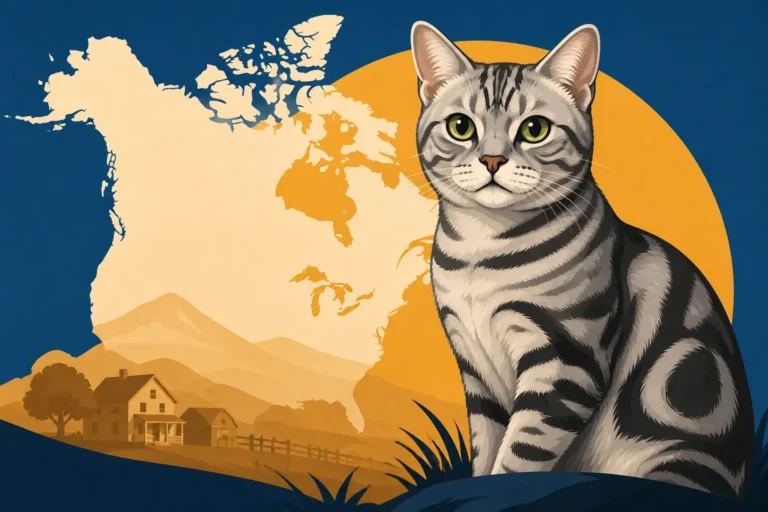
The very foundation of the American Shorthair's "square" build lies deep in its history, tracing back to the cats that sailed the seas and patrolled early American homesteads. These weren't pampered pets; they were essential workers whose survival and success depended entirely on their physical prowess. Their body shape evolved not for aesthetics, but for extreme functionality in demanding environments.
From Ship's Cat to Farm Worker: A History of Utility
Imagine the harsh conditions on early sailing ships. These cats weren't just passengers; they were the furry pest control, vital for protecting food stores and preventing disease. They needed to be agile, strong, and incredibly resilient to navigate rolling decks and hunt in cramped, challenging spaces. Once on land, their job descriptions expanded to include farms and settlements, where they were tasked with keeping barns and granaries free of rodents. A cat that couldn't perform these duties simply wouldn't survive or pass on its genes. There was no room for fragility or delicate builds in this line of work. Ships Carried the American Shorthair's Ancestors as Ratters This rigorous selection process favored cats that were naturally robust, with strong bones, powerful muscles, and a body type that could withstand the physical demands of constant hunting and territorial patrols.
The climate itself also played a role. North America's diverse weather patterns, from scorching summers to freezing winters, meant these cats needed a hardy constitution. Their medium-length, dense coat, for instance, helped protect them from the elements, but it was their underlying physical structure that allowed them to thrive outdoors year-round. They weren't just surviving; they were actively working. This unglamorous, yet incredibly important, history is etched into every angle of their strong, balanced physique.
Natural Selection and the Development of a Robust Physique
Unlike many modern pedigreed breeds that were developed through selective breeding for specific aesthetic traits, the American Shorthair's ancestors were largely shaped by natural selection. The fittest survived, and "fittest" meant having the physical attributes necessary for a life of hunting and survival. This meant cats with strong bone structure, well-defined musculature, and a compact, powerful frame that could withstand physical challenges. They needed to be able to jump, pounce, climb, and defend themselves effectively. Cats that were too delicate, too gangly, or too cobby struggled in this environment.
Over generations, this constant pressure for functionality naturally selected for the "square" build we see today. It’s a body plan that offers incredible versatility – strength for taking down prey, agility for escaping predators or navigating complex terrain, and endurance for sustained activity. It wasn't about looking a certain way for a show ring, but about having the optimal physical toolkit for their daily work. This history also explains Whether a Landrace Origin Explains the American Shorthair's Health, contributing to their overall sound health.
Defining the "Square" Build: What the Standard Says
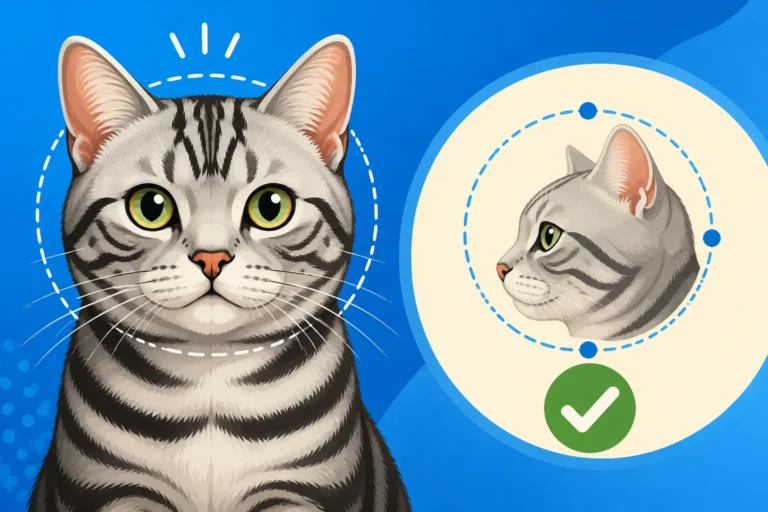
When breeders began to formalize the American Shorthair breed, they looked at these successful working cats and codified their ideal physical traits into a breed standard. The term "square" isn't just a casual observation; it refers to specific proportions and characteristics that ensure the cat retains its functional, balanced type. It's about a cat that is neither overly long nor excessively compact, but perfectly proportioned for strength and agility.
Broad Chest and Powerful Shoulders: Engineered for Strength
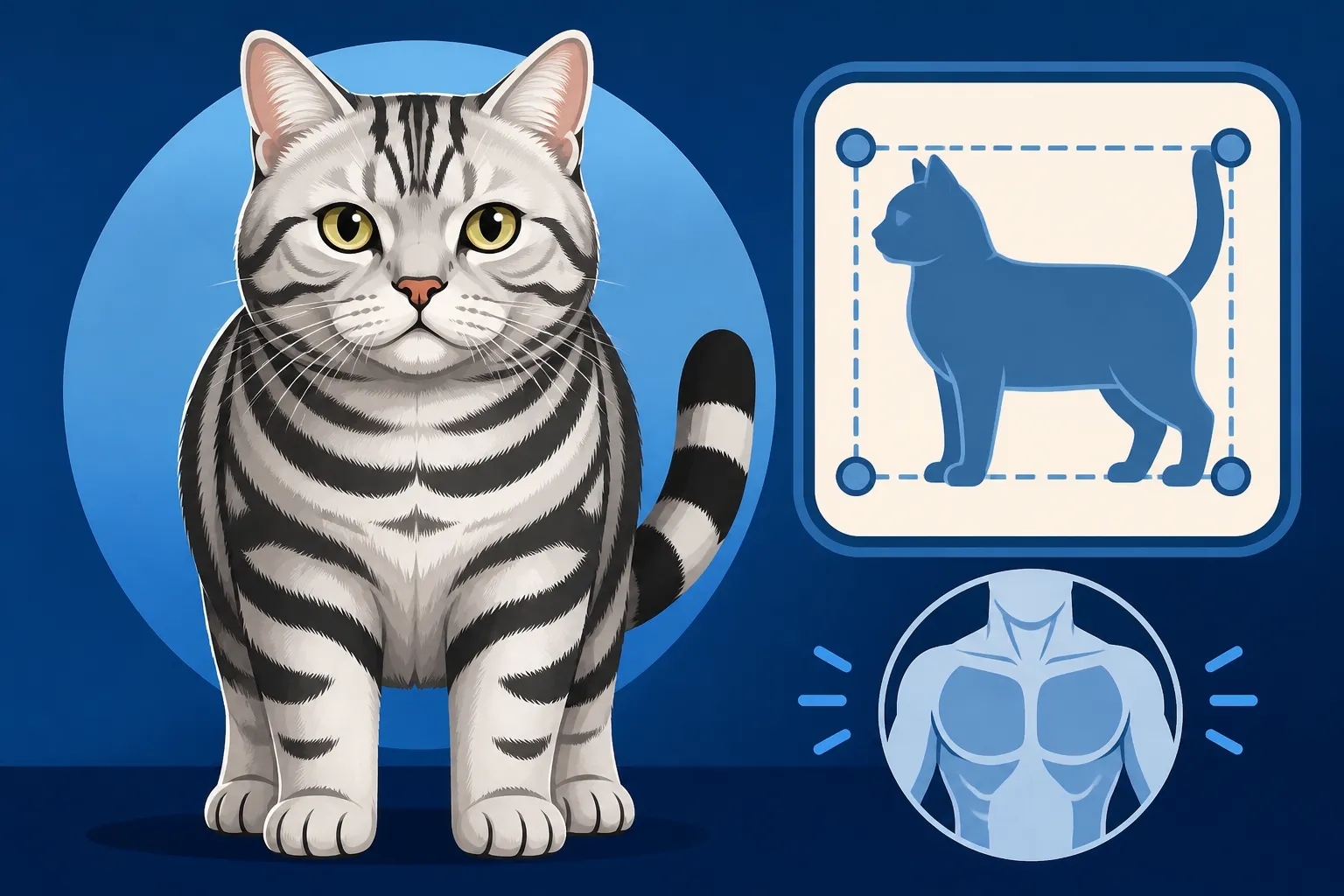
A key characteristic of the American Shorthair's square build is its broad chest and powerful shoulders. This isn't just for show; it's a critical component of their strength and hunting prowess. A wide chest provides ample space for strong lungs and a robust heart, essential for endurance and bursts of energy during a hunt. The powerful, well-muscled shoulders are crucial for stability when pouncing, climbing, or even just absorbing the impact of a jump. Why the American Shorthair Kept a Broad Chest Think of a cat launching itself from a low wall onto a scurrying mouse – those broad shoulders absorb the shock and provide the power needed to pin down prey.
This robust upper body contributes significantly to the feeling of a "square" cat. When you look at an American Shorthair from the front, their chest gives them a solid, sturdy appearance. This isn't bulkiness in the sense of fat, but dense muscle and strong bone. It's the kind of build that conveys quiet power, an underlying readiness for action even when they are calmly lounging on the sofa.
Balanced Proportions: No Extremes, Just Function
The American Shorthair's standard emphasizes overall balance and moderation. There are no extreme features – no excessively long legs, no dramatically short bodies, no overly large or small heads. Instead, every part of the cat is proportionate to the others, creating a harmonious and functional whole. The body is medium to large, well-muscled, and slightly longer than it is tall, but this length is balanced by its width and depth, giving it that recognizable square or rectangular outline. This balance ensures optimal leverage and efficiency in movement.
Their legs are of medium length, with substantial bone, set squarely under the body. This provides excellent support and a strong base for all movements, from a casual walk to a swift sprint. The tail is also medium in length, thick at the base, and tapering to a blunt tip, again reflecting balance and practicality rather than an extreme aesthetic. This focus on functional proportions ensures that the American Shorthair remains a truly athletic and capable feline, far removed from delicate, highly specialized breeds. It’s a testament to their heritage, where every physical trait had a purpose.
Musculature and Bone Structure: The Foundation of the Build
Beneath that handsome, easy-care coat lies a meticulously engineered framework of bone and muscle. This isn't just about looking sturdy; it's about providing the power, resilience, and agility that defined their ancestors' survival and continues to define the breed today. Their musculoskeletal system is a masterclass in natural design for a predator.
Dense Bones and Strong Joints for Impact and Agility
The American Shorthair is known for having a substantial bone structure. Their bones are dense and well-developed, particularly in their legs, chest, and skull. This density provides incredible strength and durability, acting as a natural shock absorber for their active lifestyle. Think about the repetitive impact of jumping from heights, running across varied terrain, or wrestling with prey – strong bones are essential for preventing injury and maintaining soundness over a long lifespan. How a Vet Assesses an American Shorthair's Hips Even though they are generally healthy, a powerful, stocky build like theirs means that robust joint health, especially in the hips, is always an important consideration for breeders and owners alike.
Coupled with these strong bones are equally robust joints. The American Shorthair’s joints are well-articulated and designed for a full range of motion, providing both flexibility and stability. This combination of dense bones and strong joints is what allows them to be powerful without being clumsy, to be agile without being fragile. It's a build designed for longevity and consistent performance, reflecting their history as working cats who needed to be "on the job" day in and day out.
Well-Developed Muscle Mass for Power and Endurance
An American Shorthair isn't just "big-boned"; they are truly muscular. This breed carries significant muscle mass, giving them a firm, powerful feel. Their muscles are well-developed throughout their body, from their broad chest and shoulders down to their sturdy legs. This musculature provides the explosive power needed for short bursts of speed and powerful pounces, as well as the endurance required for long periods of stalking and patrolling their territory.
This powerful musculature is a direct inheritance from their hunting ancestors. Every muscle group works in concert to enable precise movements, swift acceleration, and the strength to subdue prey. It's why they can look so effortlessly graceful, yet be incredibly strong when they choose to be. Maintaining this muscle mass requires a proper diet, rich in protein, and plenty of opportunities for active play. Brands like Chewy offer a wide range of high-protein cat foods formulated to support a muscular physique, helping owners ensure their American Shorthair retains its inherent strength and vigor. Which Protein Level Keeps an American Shorthair Muscular
How the Square Build Supported the Hunting Lifestyle
The "square" build of the American Shorthair isn't just aesthetically pleasing; it's a testament to its primary historical role: hunting. Every curve and angle, every muscle and bone, works together to make them exceptionally effective predators. It’s a truly functional design.
Stability and Leverage for Pouncing and Grappling
Imagine an American Shorthair spotting a mouse. The low, stealthy stalk. The sudden, explosive pounce. This entire sequence relies heavily on their unique physical architecture. Their square, balanced body provides immense stability, allowing them to anchor themselves firmly before launching. The broad chest and powerful shoulders act as a solid base, generating significant leverage for the powerful spring forward. Their strong hindquarters propel them, while their sturdy forelegs are perfectly positioned to deliver the final, pinning strike.
Once they've caught their prey, this build also aids in grappling and holding. Their substantial weight and well-distributed muscle provide the necessary strength to control a struggling rodent. They are not delicate sprinters; they are powerful, agile wrestlers when it comes to securing a catch. This is a cat built for success in a physical contest, a cat that truly The American Shorthair Still Hunts, Whether You Want It To or Not.
Endurance for Long Patrols and Sustained Activity
A successful hunter isn't just about quick bursts; it's also about endurance. Early American Shorthairs spent countless hours patrolling barns, fields, and ships, covering vast territories in search of prey. Their balanced, muscular build is designed to sustain this level of activity without quickly fatiguing. The ample lung capacity afforded by their broad chest, combined with efficient muscle utilization, means they can maintain a steady pace for extended periods.
This endurance is why an American Shorthair, even as an indoor cat, often enjoys long play sessions and might seem to have an endless well of energy. It’s a remnant of their past, when a full day’s work meant continuous movement and vigilance. Even today, if you provide them with interactive toys or puzzle feeders from retailers like Chewy, you’ll see that intrinsic need to "work" for their food and mimic those long patrols. How Much Simulated Hunting an American Shorthair Needs Their body is quite literally built for the long haul, reflecting a history where survival depended on consistent, sustained effort.
Health Implications of the American Shorthair's Build
One of the most celebrated aspects of the American Shorthair is its general hardiness and excellent health, a direct benefit of its naturally selected, moderate build. While no breed is entirely immune to health issues, their balanced physique tends to steer them away from the extreme complications seen in some other breeds.
General Robustness and Reduced Breed-Specific Issues
The American Shorthair's practical, unexaggerated build is a cornerstone of its renowned good health. Unlike breeds selectively bred for extreme features – think of cats with flattened faces or severely shortened legs – the American Shorthair’s moderate proportions mean its internal organs and skeletal structure are not subject to undue stress or deformity. This contributes to fewer respiratory problems, better dental alignment, and a generally sound physical form. This lack of extreme traits helps reduce the incidence of many breed-specific genetic diseases. The American Shorthair Is the Control Group of Cat Breeding
Their robust constitution and broad genetic base (stemming from their landrace origins) mean they are often quite resilient. They recover well from common ailments and are generally strong candidates for a long, healthy life, often reaching The Fifteen to Twenty Years the American Shorthair Was Given. This inherent robustness makes them less likely to require extensive medical interventions purely due to their breed characteristics, which can be a huge relief for owners.
Potential Considerations for Hip and Joint Health
While generally robust, the American Shorthair’s substantial and stocky build does mean that owners should be mindful of potential hip and joint health over their lifespan, particularly as they age. Their strong, dense bones and powerful musculature are fantastic for an active life, but like any heavy-set animal, continuous impact and weight can put strain on the joints over decades. Hip dysplasia, though not rampant, can occasionally be a concern, especially in lines that might emphasize an even more "cobby" or broad build without careful screening.
It's important to keep an eye on their mobility as they get older, watching for any stiffness, reluctance to jump, or changes in gait. Why an American Shorthair Stops Jumping to the Counter Maintaining a healthy weight is paramount to protecting their joints. Extra pounds place unnecessary stress on hips and knees, potentially accelerating the onset of arthritis or exacerbating existing joint issues. Regular, moderate exercise and a high-quality diet are key to supporting their musculoskeletal health throughout their lives.
Caring for the American Shorthair's Muscular Frame
Owning an American Shorthair means appreciating and supporting their naturally robust and athletic physique. Their square build is a gift of good health and capability, but it does come with certain responsibilities to ensure they maintain it. Proper care focuses on nutrition, exercise, and environmental enrichment that acknowledges their innate need for activity.
Maintaining a Healthy Weight for Optimal Structure
Given their historical background as working cats who burned many calories hunting, American Shorthairs often have hearty appetites. In an indoor, modern pet setting, this can quickly lead to weight gain if not managed carefully. An overweight American Shorthair can put undue strain on their strong joints and undermine the very health benefits of their robust build. It’s crucial to understand What Extra Weight Does to an American Shorthair's Working Frame and how it impacts their mobility and overall health.
Portion control is absolutely vital. Instead of free-feeding, which often leads to overconsumption, consider measured meals two or three times a day. Your veterinarian can help you determine the ideal weight for your individual cat's frame and activity level. If your American Shorthair is carrying a few extra pounds, gradual weight loss through a controlled diet and increased activity is the safest approach. There are many excellent weight management foods available from online pet suppliers like Chewy, formulated to help cats feel full while consuming fewer calories.
Providing Environmental Enrichment to Support Activity
An American Shorthair’s square build is designed for movement, hunting, and exploration. Simply leaving them to lounge all day won’t do justice to their physical capabilities or satisfy their intrinsic drives. Providing appropriate environmental enrichment is key to keeping their muscles toned, their joints mobile, and their minds engaged. This doesn’t mean they need to go out and hunt mice (unless you want them to!), but it does mean simulating those natural behaviors indoors.
Interactive play with wand toys that mimic prey movement, allowing them to stalk, pounce, and "catch" their quarry, is invaluable. Puzzle feeders, available on platforms like Chewy, force them to "work" for their food, slowing down mealtime and engaging their hunting instincts. Providing vertical space, such as sturdy cat trees or shelves, encourages climbing and jumping, which is excellent for strengthening their hindquarters and core muscles. Even simple things, like rotating toys to keep things interesting or engaging in a few minutes of vigorous play daily, can make a huge difference in supporting their natural, functional build. How Much Simulated Hunting an American Shorthair Needs
Table: American Shorthair Build Characteristics vs. Other Breeds (General Comparison)
The following table provides a general comparison of the American Shorthair's build characteristics against two other well-known cat breeds, highlighting the distinctiveness of its "square" physique.
| Characteristic | American Shorthair | Siamese (Example of svelte build) | Persian (Example of cobby build) |
|---|---|---|---|
| Body Type | Medium to large, well-muscled, sturdy, balanced | Medium, svelte, lithe, tubular, refined | Medium to large, cobby, short, broad, stocky |
| Outline | Appears "square" or rectangular, proportionate | Long, slender, elegant | Rounded, compact |
| Chest | Broad and deep, full | Narrow, refined | Broad, deep, cobby |
| Shoulders | Powerful, well-muscled, firm | Delicate, slender | Broad, heavily muscled |
| Legs | Medium length, substantial bone, well-muscled | Long, slender, finely boned | Short, thick, heavy-boned |
| Weight | 10-15+ lbs (males), 8-12 lbs (females) – muscular | 6-10 lbs, lean | 7-12 lbs, often appears heavier due to fur and cobby build |
| Purpose of Build | Generalist hunter, hardy, resilient, all-purpose cat | Agile, graceful, vocal, companion-focused | Lap cat, show cat, requires significant grooming, brachycephalic |
| Common Health | Generally robust, fewer breed-specific issues | Prone to some hereditary conditions (e.g., amyloidosis) | Prone to brachycephalic issues, PKD, dental problems |
This table illustrates how the American Shorthair's "square" build stands in a comfortable middle ground, embodying a balanced, functional ideal that prioritizes health and capability.
Disclaimer
This article is for general informational purposes only and does not constitute professional advice. Laws, prices and regulations vary by location and change over time. Consult a qualified professional for guidance on your specific situation.