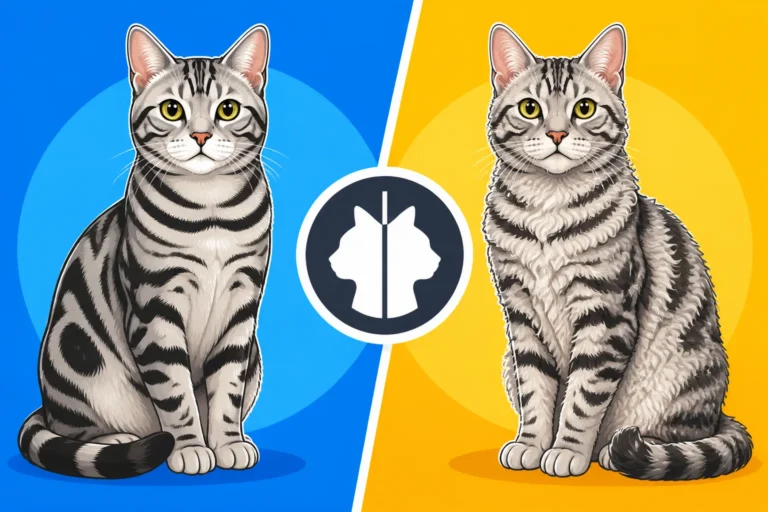
When Breeders Started Showing the American Shorthair
It can feel a little confusing, can't it? You see beautiful, pedigreed cats at shows, sleek and perfectly presented, and you might wonder how a breed that started out as a hardworking mouser, just like many a barn cat or alley cat, ever made its way into such a refined world. This guide is here to untangle that journey for you, tracing the fascinating path of the American Shorthair from its utilitarian roots to becoming a celebrated fixture in the competitive cat show circuit.
The Humble Beginnings: Pre-Show Era of the American Shorthair
Before they were gracing judging tables and vying for rosettes, the ancestors of what we now know as the American Shorthair were, quite simply, working cats. They weren't bred for their stunning looks or charming personalities, but for their grit and undeniable skill at keeping pests in check. Their entry into the structured world of cat shows was a slow evolution, driven by a growing appreciation for their inherent qualities.
Ancestral Roots and Working Life
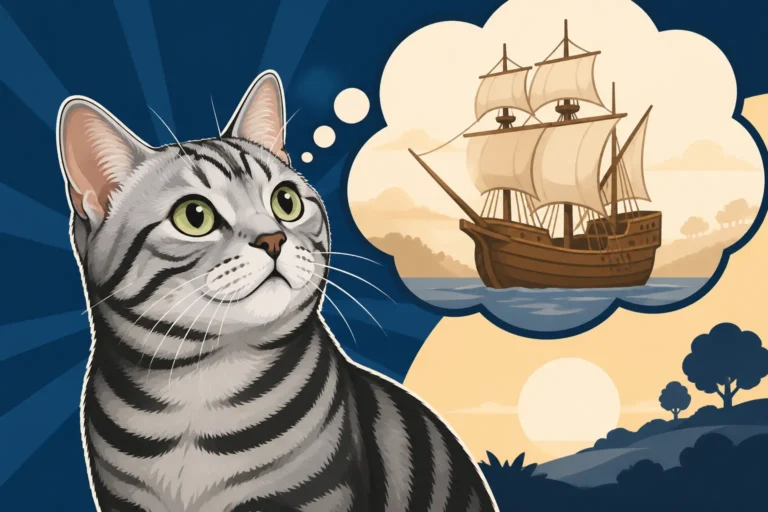
Imagine the early American colonies, vast and untamed. Ships arrived from Europe, often carrying not just people and cargo, but also cats. These felines weren't pampered pets; they were essential crew members, vital for protecting food stores from rodents during long voyages across the Atlantic. These were hardy, resourceful animals, perfectly adapted to a challenging life. Once on land, they continued their invaluable work on farms and in burgeoning towns, effectively becoming the unsung heroes of pest control. Their physical traits – a sturdy build, a dense coat, and keen hunting instincts – were all selected by nature, not by human breeders. They were survivors, plain and simple.
Their value was purely practical. A farmer didn't care about the exact shade of tabby or the curve of an ear; they cared if the cat could keep their grain free from mice. This natural selection honed a cat that was robust, intelligent, and independent. They were cats that earned their keep, often fending for themselves and adapting to diverse environments across the North American continent. This era laid the genetic foundation for the American Shorthair, emphasizing health, vigor, and a balanced temperament over any specific aesthetic.
Early American Cat Shows and the "Domestic Shorthair" Dilemma
As the 19th century drew to a close, the concept of "fancying" animals – breeding and showing them for specific traits – began to gain popularity in America, much like it had in Europe. Dog shows were already a big hit, and soon, cat enthusiasts wanted to do the same. The first major cat show in North America, held in Madison Square Garden in 1895, was a landmark event. But here's where it gets interesting for our American Shorthair ancestors: what do you do with a cat that looks like, well, every other cat running around?
These early shows featured a mix of breeds, many imported and exotic, like the Persian or the Angora. Against such flamboyant competition, the common, sturdy "Domestic Shorthair" (as they were then universally known) faced a bit of an identity crisis. People loved their loyal, effective mousers, but did they truly constitute a "breed" in the same way a meticulously bred, long-haired cat did? It was a real dilemma for early fanciers who saw the unique qualities in these native American working cats but struggled to differentiate them from the general feline population in a show setting. They knew these cats were special, but the public and even some judges often simply saw them as glorified barn cats, regardless of their superior health and temperament.
The Turn of the Century: American Shorthairs Enter the Spotlight
Despite the initial hurdles, a dedicated group of cat lovers recognized the inherent value and beauty of these North American native cats. They saw beyond the "common" label and began the painstaking work of elevating them to a respected, recognized breed. This shift from utilitarian companion to show animal marked a pivotal moment in the breed's history.
The First Recognized Cat Shows and Early Entries
The late 1800s and early 1900s were a fascinating time for cat fanciers in America. The Madison Square Garden show of 1895 really kicked things off, bringing the concept of pedigreed cats to a wider audience. While many of the stars of these early shows were imported, exotic breeds, there were always classes for "shorthaired domestics." It wasn't about specific bloodlines or rigid standards yet; it was more about showcasing the general beauty and variety of cats. But even then, some individuals clearly stood out, catching the eye of discerning judges. These were often the best examples of the sturdy, well-built mousers that had been thriving across the country for generations.
It wasn't long before serious enthusiasts began to champion these local shorthairs. They believed these cats possessed a unique American heritage and deserved their own category. The first cat recorded as an "American Shorthair" (though still often going by the general term of Domestic Shorthair at the time) to win "Best in Show" at an American cat show was a beautiful tabby named Buster, around the turn of the 20th century. This win was significant because it started to open people's eyes to the idea that these native cats had a distinct charm and quality worthy of formal recognition, not just practical admiration. It took true vision to see the potential for a show breed in a cat that largely resembled the ones napping on porches everywhere. Which American Shorthair Won an Early Show elaborates on these early champions.
Establishing a Standard: Defining the Ideal American Shorthair
Once the idea of showing these cats took root, the next crucial step was to define what made a good one. How could judges consistently evaluate cats if there wasn't a blueprint? This is where the concept of a "breed standard" comes in. Early breeders and fanciers, often working independently at first, started to jot down what they believed were the ideal characteristics of their beloved shorthairs. This wasn't about creating something new; it was about identifying and preserving the traits that made these working cats so successful and appealing.
They looked at their robust bodies, their strong jaws, their short, dense coats designed for protection, and their calm, resilient temperaments. These traits, honed by generations of natural selection, became the basis of the first informal standards. It was a collaborative effort, with many passionate individuals contributing their observations and desires for the breed. They understood that the practical attributes that made these cats excel in barns and homes were precisely what should be celebrated and maintained in the show ring. The early standards aimed to capture the essence of the healthy, functional, and well-proportioned cat that had served America so faithfully. How the First American Shorthair Standard Read delves into these foundational descriptions.
The Formal Recognition: Solidifying the Breed's Place
The informal gatherings and early show wins were just the beginning. To truly establish the American Shorthair as a legitimate, distinct breed, formal organization and a united front were necessary. This led to the formation of governing bodies and crucial decisions that shaped the breed's identity for generations to come.
The CFA and the Five Founding Breeds
In 1906, a pivotal moment arrived with the establishment of the Cat Fanciers' Association (CFA), which would become one of the largest and most influential cat registries in the world. The CFA was founded with a clear mission: to promote the welfare of all cats and to register and preserve the integrity of various cat breeds. When the CFA began, it recognized a select group of breeds – what we now call the "founding breeds." Among these distinguished few was our beloved American Shorthair, though it was still registered under its original, rather generic, name.
This recognition by the CFA was an enormous step. It meant that these cats were no longer just "domestic shorthairs" in a general sense; they were now officially recognized as a distinct entity within the fancy, deserving of their own dedicated breeding programs and show classes. This formal inclusion validated the efforts of early fanciers and provided a framework for the breed's future development. It truly put them on the map alongside more established and exotic breeds. Which Year the CFA Recognized the American Shorthair and Which Five Breeds Founded the CFA With the American Shorthair offer more insight into this monumental event.
The Name Change: From "Domestic Shorthair" to "American Shorthair"
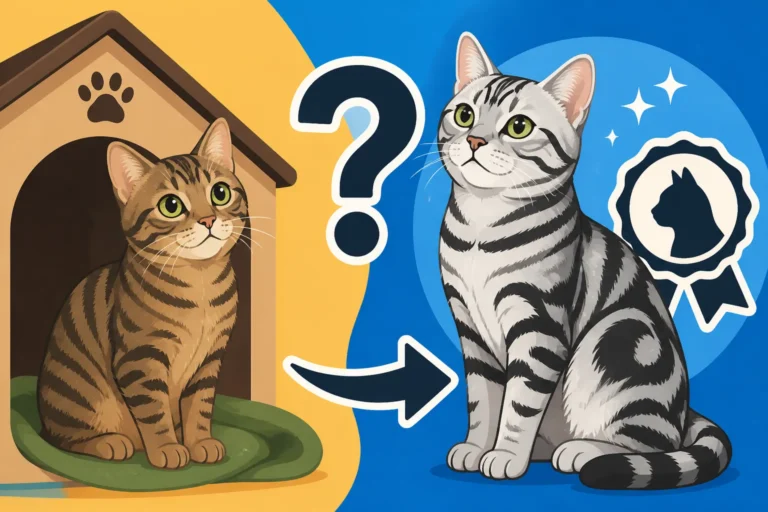
For decades, even after formal recognition by the CFA, the breed continued to be known as the "Domestic Shorthair." While this name accurately described their coat length and general origin, it didn't do justice to the dedicated breeding efforts that were now going into preserving their unique traits. It also caused endless confusion with the millions of non-pedigreed house cats that shared the "domestic shorthair" description. Imagine going to a cat show and trying to explain to someone why your "domestic shorthair" was a pedigreed champion, while the cat next door, also a "domestic shorthair," was just, well, a domestic shorthair. It was a real uphill battle.
The frustration among breeders grew. They wanted a name that clearly distinguished their carefully bred felines from random-bred cats. They advocated for a name that honored their American heritage and acknowledged their distinct identity. Finally, in 1966, after much campaigning and discussion, the CFA officially changed the breed's name to "American Shorthair." This seemingly simple change was monumental. It gave the breed its own identity, elevated its status, and helped fanciers and the public alike understand that this was a specific, pedigreed cat with a rich history and a carefully maintained standard. It was a matter of pride and clarity, ensuring that the years of selective breeding and preservation were recognized. Why the American Shorthair Was Called Domestic Shorthair Until 1966 and The Rename That Separated the American Shorthair From the Alley Cat explore the nuances of this critical rebranding.
The Legacy of Showing: What It Meant for the American Shorthair
The journey into the show ring and the subsequent formal recognition didn't just give the American Shorthair a fancy name; it fundamentally shaped the breed and secured its future. Showing became an instrumental tool for guiding its development and ensuring its survival.
Shaping the Breed: Show Standards and Breeder Focus
Once a breed standard was established and the name "American Shorthair" adopted, the show ring became the ultimate proving ground for breeders. It wasn't about creating new, exaggerated features, but about consistently breeding cats that exemplified the balanced, sturdy, and good-natured qualities of their working ancestors. Judges would evaluate cats based on specific criteria: the breadth of their chest, the squareness of their muzzle, the clarity of their tabby patterns, and the texture of their short, dense coat. This meant breeders had clear goals. They focused on traits that defined the breed, such as the hardy constitution and pleasant demeanor, ensuring these weren't lost in the pursuit of beauty.
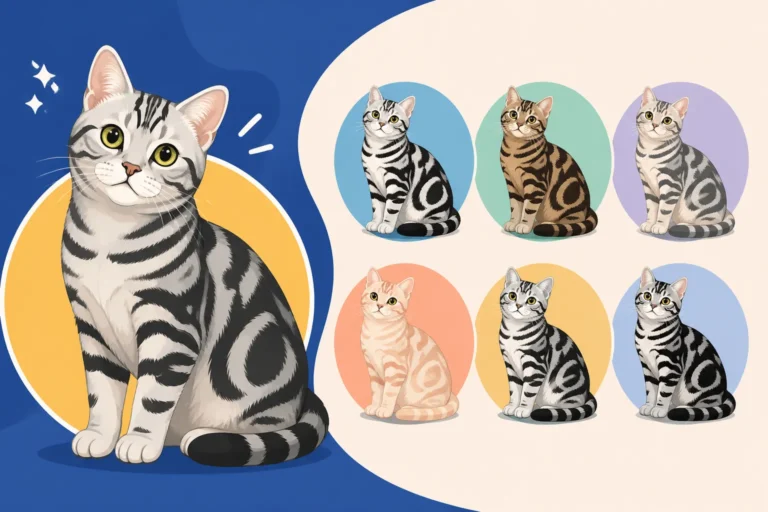
For example, the classic silver tabby pattern became particularly iconic for the breed. While American Shorthairs come in a vast array of colors and patterns, the striking, high-contrast silver tabby captured public imagination and became synonymous with the breed's image. Breeders meticulously worked to enhance these patterns, focusing on clear, crisp markings that made the cats instantly recognizable. This selective breeding, guided by the show standard, helped solidify the look and temperament that we recognize in the American Shorthair today. If you're looking for specific features, What an American Shorthair Looks Like by the Standard provides a detailed description.
Popularity and Preservation: The Role of Shows
Showing cats does more than just award ribbons; it's a powerful way to raise a breed's profile and ensure its preservation. When an American Shorthair won "Best in Show" or consistently placed well, it garnered attention from potential owners and other breeders. This visibility was crucial, transforming the perception of the American Shorthair from "just a house cat" to a highly desirable, pedigreed companion. This increased demand encouraged more responsible breeders to enter the field, further strengthening the gene pool and the breed's overall health.
Moreover, the show ring played a vital role in preserving the American Shorthair's core characteristics. In a world increasingly focused on creating novel or extreme traits in some breeds, the American Shorthair standard always emphasized a natural, robust, and moderate appearance. This commitment to maintaining the original, healthy working cat type meant that breeders were inherently motivated to prioritize health and balanced conformation. Shows provided the platform to celebrate these enduring qualities, ensuring that the breed remained true to its heritage. Without the dedicated show community, the American Shorthair might have faded into obscurity or been altered beyond recognition, losing the very traits that make it so special. The American Shorthair Is the Control Group of Cat Breeding provides great context on its natural traits.
The Show Experience Today: For American Shorthair Enthusiasts
Even now, cat shows remain a vibrant and exciting part of the American Shorthair world. For both seasoned breeders and new owners, they offer a chance to celebrate the breed, learn more, and connect with a community of passionate cat lovers. It's a testament to how far these humble mousers have come.
Preparing an American Shorthair for Show
If you've ever considered showing your American Shorthair, you might be surprised by how straightforward the preparation can be, thanks to their naturally low-maintenance coat and calm demeanor. Unlike some long-haired breeds that require hours of intricate grooming, the American Shorthair is celebrated for its natural, easy-care coat. The key is to enhance their existing qualities, not transform them. A clean, shiny coat is paramount, so a good bath with a quality cat shampoo a few days before the show is essential. You'll want to ensure their ears are clean and their nails are trimmed neatly. For these essentials and more, a place like Chewy offers a fantastic selection of grooming tools and shampoos to keep your American Shorthair looking its best.
Beyond physical presentation, temperament is also incredibly important. An American Shorthair's placid, adaptable nature is a hallmark of the breed, and a calm, cooperative cat will always make a better impression on the judge. Gentle handling from a young age and positive exposure to new environments and people can help ensure your American Shorthair enjoys the experience. They thrive on routine and gentle encouragement, which translates well to the controlled chaos of a cat show. Remember, judges are looking for a cat that is comfortable and confident, reflecting the breed's inherently genial disposition.
What Judges Look For
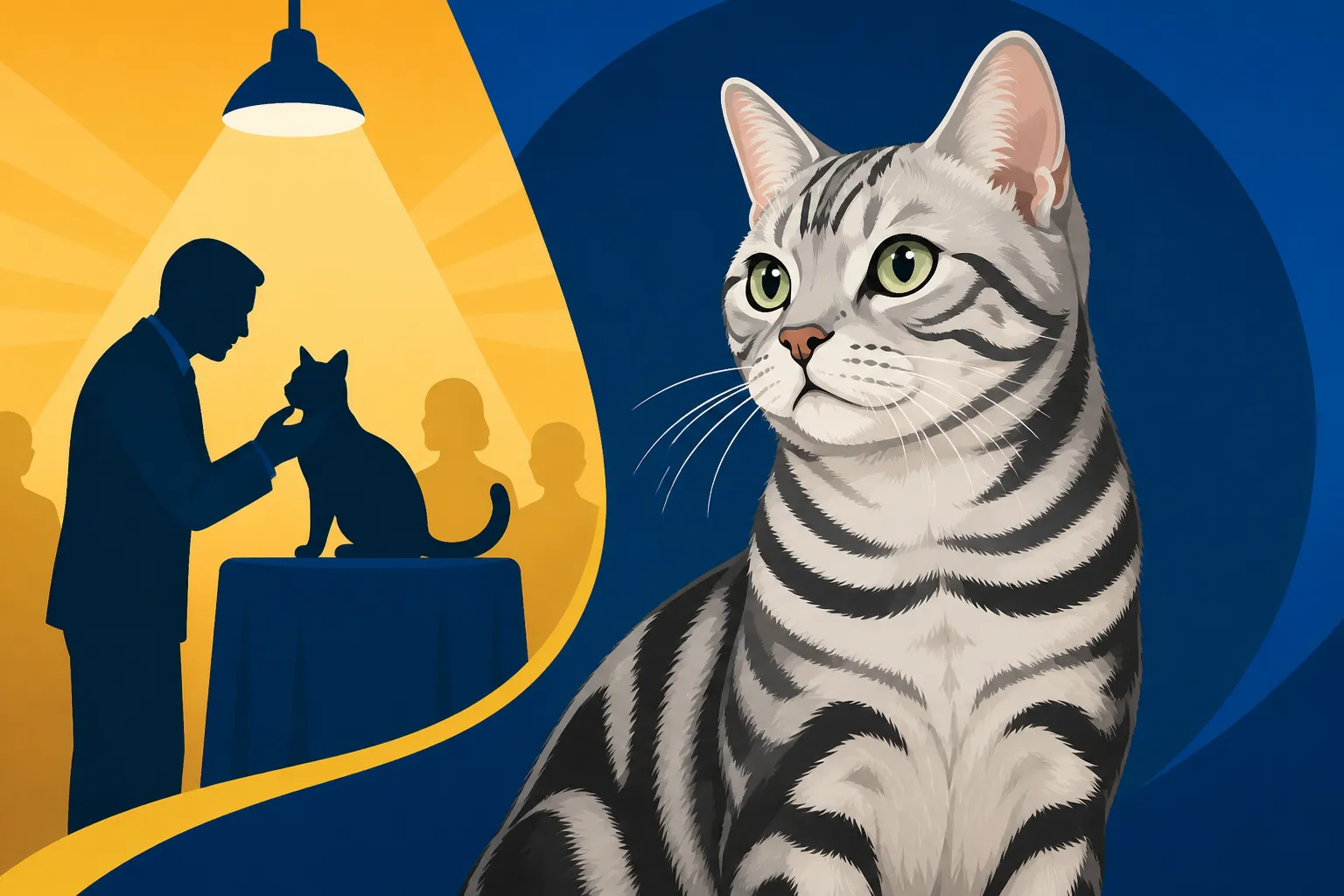
When an American Shorthair steps onto the judging table, the judge isn't just looking at beauty; they're evaluating how well the cat embodies the breed standard – a detailed description of the ideal American Shorthair. They're looking for balance, proportion, and soundness, all harking back to the breed's working origins. Here are some key aspects:
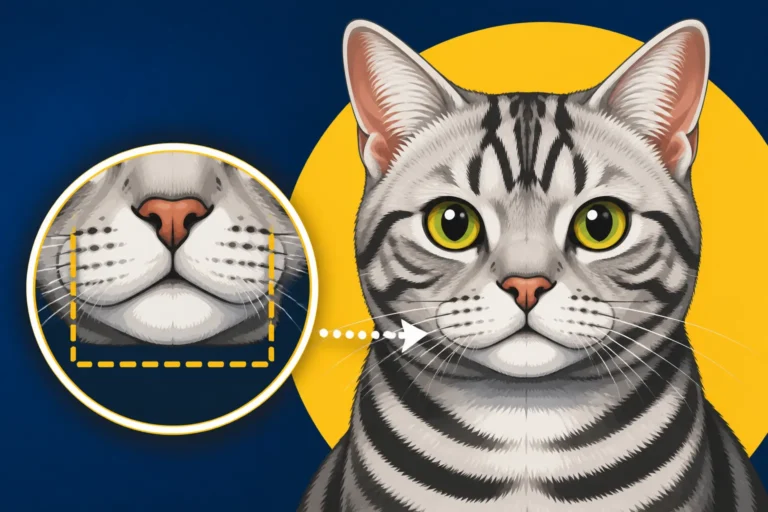
- Head: A large head, slightly longer than it is wide, with a square muzzle and medium-sized, rounded ears. The eyes should be large, wide-set, and expressive.
- Body: A powerfully built, muscular body, often described as "medium to large." They should be solid and well-proportioned, reflecting their strength and agility.
- Coat: A short, dense, and firm coat, providing protection. It shouldn't be soft or fluffy, but rather hard to the touch, again, a nod to its utilitarian past.
- Color and Pattern: While all colors are allowed, classic tabby patterns (like the distinctive "bullseye" on the side) are particularly prized for their clarity and contrast.
- Temperament: A crucial element, judges look for a calm, easygoing, and docile cat that handles being examined with grace. This reflects the American Shorthair's well-known adaptable and friendly nature.
The judge is essentially looking for the quintessential American Shorthair – a robust, healthy cat that perfectly blends its working heritage with an undeniable elegance. It's a complex assessment that takes years of training and experience. The goal is to reward cats that perpetuate the true spirit and characteristics of this remarkable breed.
To summarize the comparison between the general perception of domestic shorthairs and the specific standard of the American Shorthair in the show ring:
| Feature | General Domestic Shorthair (Common Perception) | American Shorthair (Show Standard) |
|---|---|---|
| Origin | Mixed, undefined ancestry | Traced lineage from early North American working cats |
| Purpose | Pet, mouser, companion | Pedigreed show cat, still known for excellent companionship |
| Build | Varies widely, can be slender or robust | Medium to large, well-muscled, sturdy, balanced body |
| Coat | Any color/pattern, texture varies | Short, dense, firm, even texture; specific colors/patterns prized |
| Head Shape | Varies widely | Large, slightly longer than wide, square muzzle, rounded ears |
| Temperament | Varies widely | Amiable, adaptable, calm, intelligent, good-natured |
| Recognition | Not formally recognized as a breed | Formally recognized by cat registries (e.g., CFA) since 1906 |
| Breeding Goal | Survival, companionship | Preservation of specific traits, health, and temperament |
As you can see, the journey of the American Shorthair from common barn cat to pedigreed show champion is a fascinating one, deeply rooted in the appreciation of its inherent, natural qualities. From their earliest days as invaluable pest controllers on ships and farms, through the passionate efforts of early fanciers, to their formal recognition and eventual renaming, every step has cemented their place as one of America's most beloved and well-respected feline breeds.
These beautiful, resilient cats continue to charm judges and owners alike, a testament to their enduring health, temperament, and classic good looks. If you're looking to learn more about their enduring appeal, check out Whether an American Shorthair Is Worth Paying For. You might also be interested in how they stack up against other breeds in How Long the American Shorthair Lives Against Other Pedigrees, or dive deeper into their care in The American Shorthair's Coat Was Built for Weather, Not a Judge. For those considering adding one to their family, understanding What a Registered American Shorthair Kitten Costs With Papers is a good first step. And don't forget the importance of their ongoing health, as detailed in Why an American Shorthair Still Needs a Yearly Heart Scan. Getting the right supplies is easy with resources like Chewy, offering everything from nutritious food to engaging toys. The American Shorthair truly is a piece of living history, evolving from necessity to a celebrated member of the cat fancy.
Disclaimer
This article is for general informational purposes only and does not constitute professional advice. Laws, prices and regulations vary by location and change over time. Consult a qualified professional for guidance on your specific situation.