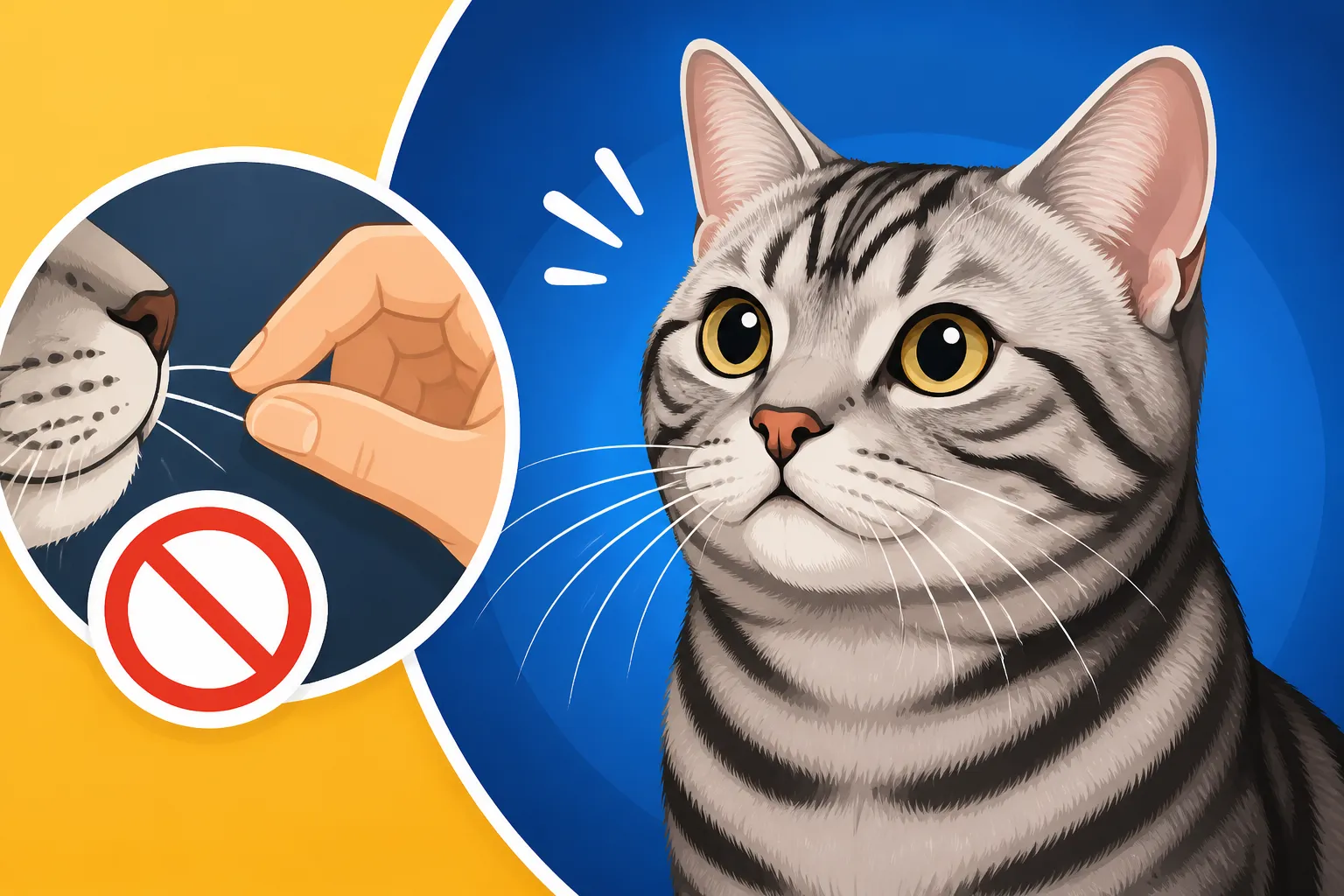
Whether an American Shorthair Needs Its Whiskers Left Alone
One of the most common questions I hear from American Shorthair owners, especially first-timers, is about their cat's whiskers. There's a persistent myth out there that trimming them is harmless, or even helpful, but that couldn't be further from the truth. If you're wondering if your sturdy, sensible American Shorthair needs its whiskers left alone, the answer is an emphatic yes – they are absolutely vital to your cat's well-being and sense of the world. This guide will walk you through exactly why those magnificent whiskers are so important, why they should never be trimmed, and how you can best support your American Shorthair's natural navigation system.
The Essential Role of Whiskers for Your American Shorthair
It's easy to look at a cat's whiskers and think they're just another charming facial feature, perhaps a bit like eyebrows. But for your American Shorthair, those long, stiff hairs are far more than decorative; they are incredibly sophisticated sensory tools, deeply integrated into their nervous system. Imagine trying to navigate a dark room with your eyes closed, and suddenly you understand just a fraction of what your cat's whiskers do for them.
Whiskers as Sensory Superpowers: Beyond Just Cute
Technically known as vibrissae, these specialized hairs are rooted much deeper in your cat's skin than their regular fur, surrounded by a dense network of nerves and blood vessels. Each whisker is a super-sensitive antenna, designed to pick up even the slightest changes in their environment. Think about your American Shorthair's history as a working cat, a mouser with a job to do on farms and ships. This breed's entire existence was built around efficient hunting and navigation in varied, often challenging, environments. Their whiskers were, and still are, critical to that success.
They act as an internal GPS system, helping your American Shorthair measure distances and widths. For instance, before squeezing through a narrow opening, your cat will often push its head forward slightly. The whiskers, which are roughly the same width as their body, brush against the edges, letting them know if they can fit without getting stuck. In low light, or even complete darkness, these whiskers detect air currents and vibrations, giving your cat a detailed "map" of their surroundings, highlighting obstacles and even revealing the movement of prey. It's a truly amazing biological design, perfectly adapted to a cat that The American Shorthair Still Hunts, Whether You Want It To or Not.
Whiskers and Communication: Reading Your American Shorthair's Mood
Beyond navigation and hunting, whiskers play a surprisingly significant role in your American Shorthair's communication. You might not realize it, but those subtle shifts in whisker position can tell you a lot about how your cat is feeling, even if An American Shorthair Asks You for Almost Nothing most of the time. When your American Shorthair is relaxed and content, their whiskers will often be fanned out to the sides, appearing soft and natural. This indicates a general state of ease and awareness of their surroundings.
If you see the whiskers pulled back tightly against their face, often accompanied by flattened ears, it's a clear sign of fear or defensiveness. This posture helps protect their delicate facial areas during a confrontation. Conversely, when your American Shorthair is highly alert, focused on something interesting, or preparing to pounce, their whiskers will often be pushed forward and bunched together, extending out like a focused radar. This position allows them to gather maximum sensory information about whatever has captured their attention. Observing these cues can deepen your bond and help you understand How an American Shorthair Shows Affection Between Patrols or when they might need some space.
Why Trimming or Damaging Whiskers is Detrimental
Given their profound importance, it's clear that deliberately trimming or accidentally damaging your American Shorthair's whiskers can have serious negative consequences. It's not just a cosmetic change; it's like removing a vital sensor from a sophisticated piece of equipment. Understanding the impact helps us appreciate why they absolutely need to be left alone.
The Disorientation and Distress of Trimmed Whiskers
Imagine suddenly losing a significant portion of your vision or hearing. That's a bit like what happens to an American Shorthair whose whiskers have been trimmed. They rely so heavily on these sensory hairs for spatial awareness that losing them can cause profound disorientation and distress. A cat with trimmed whiskers might struggle to navigate familiar spaces, bumping into furniture, misjudging jumps, and feeling generally unbalanced. This can be incredibly frightening for them, as their world suddenly becomes unpredictable and blurry.
This isn't just a temporary inconvenience; it's a deep disruption to their fundamental sense of safety and competence. They may become withdrawn, anxious, or even irritable because they can no longer accurately perceive their environment or react to subtle changes. This vulnerability can lead to behavioral issues and a general decline in their quality of life. The whiskers do eventually grow back, but it's a slow process, and during that time, your American Shorthair will be operating at a significant disadvantage, feeling lost in their own home. It’s a painful lesson to learn, so it’s best to prevent it entirely.
Accidental Damage: What to Watch Out For
While deliberate trimming is a definite no-no, accidental damage to whiskers can also happen, and it's something every cat owner should be aware of. Whiskers are surprisingly strong, but they're not indestructible. A curious cat investigating a burning candle could singe their whiskers, or an overly enthusiastic romp with another pet could result in a few broken ones. Sometimes, environmental hazards, like getting snagged on a rough surface, can cause damage.
Even small amounts of accidental damage can temporarily impair your American Shorthair's sensory input. A singed whisker might not be able to transmit information as effectively, or a broken one could throw off their spatial calculations. While minor damage might not cause the same level of distress as a complete trim, it still impacts their daily life. It's a good reminder to keep your home cat-safe, especially around open flames or sharp objects that could catch a whisker. Just as you'd ensure a safe environment for An American Shorthair With Children, Dogs and Noise, you should consider their whisker safety too.
Protecting Your American Shorthair's Whiskers
Since we know how critical whiskers are, protecting them becomes an essential part of responsible cat ownership. Thankfully, most of the "protection" simply involves understanding their needs and making small adjustments to your home environment and care routines. Your American Shorthair is naturally quite self-sufficient, but these small considerations make a big difference.
The Right Bowls and Environments for Whisker Comfort
One of the most common issues related to whiskers that many owners don't even realize is "whisker fatigue." This happens when your American Shorthair's sensitive whiskers repeatedly brush against the sides of their food or water bowls. Imagine having to eat with your face constantly pressed against something irritating – it's uncomfortable and can lead to your cat avoiding their bowls, even if they're hungry or thirsty. This isn't just about pickiness; it's genuine physical discomfort.
To prevent whisker fatigue, opt for wide, shallow bowls for both food and water. These bowls allow your American Shorthair to eat and drink without their whiskers constantly bending or touching the sides. Stainless steel, ceramic, or glass bowls are excellent choices, as they are easy to clean and don't retain odors. You can find a great selection of these on sites like Amazon or Chewy, making it simple to upgrade your cat's dining experience. Providing these whisker-friendly options ensures that mealtime is a pleasant experience, not a source of sensory irritation. Remember, How Much Water an American Shorthair Should Drink is important, and an uncomfortable bowl can deter them from hydrating properly.
Grooming Best Practices: Hands Off the Whiskers!
When it comes to grooming your American Shorthair, the golden rule for whiskers is simple: leave them alone! Unlike their wonderfully dense, weather-resistant coat, which An American Shorthair Sheds Twice a Year and Asks Nothing Else and sometimes needs a little brushing, whiskers are not to be trimmed, clipped, or even vigorously combed. They are not hair; they are sensory organs.
While How Little Combing an American Shorthair Actually Needs for their body coat, their facial whiskers require no direct grooming from you. If you're brushing your cat, be extra gentle around their face. Use a soft brush and avoid any tugging or pulling that could damage these delicate structures. Your American Shorthair is generally excellent at grooming itself, and that includes keeping its whiskers clean. Only intervene if you notice something truly stuck or matted in their whiskers, and even then, do so with extreme caution, perhaps with a damp cloth, rather than a comb or brush. If you have any concerns, a quick call to your vet is always the best course of action.
When Whiskers Might Change Naturally and When to Worry
It's natural to observe your American Shorthair's whiskers and notice changes over time. Not every change is a cause for alarm, as some are part of their natural life cycle. However, knowing the difference between normal occurrences and potential red flags is crucial for their ongoing health and well-being.
Natural Whisker Shedding and Regrowth
Just like the rest of their fur, your American Shorthair's whiskers do shed and regrow naturally. It's completely normal to find a stray whisker on the floor or on your furniture occasionally. Cats typically shed old whiskers every few months, and new ones grow in to replace them. This process is usually gradual, so you're unlikely to notice any significant gaps or changes in their sensory capabilities during this time. Think of it like shedding a few strands of hair; it's part of the continuous cycle of renewal.
You might notice a whisker looks a bit shorter or thinner before it eventually falls out, making way for a strong new one. This natural turnover ensures their sensory system remains sharp and functional throughout their life. So, if you spot a single whisker lying around, there's no need to panic. It's just a sign that your American Shorthair is doing what cats do best: keeping their incredible sensory equipment in top condition. This is just one aspect of Caring for an Old American Shorthair, as their natural processes continue throughout their lifespan.
Signs of Underlying Issues: When to Consult Your Vet
While occasional shedding is normal, certain changes in your American Shorthair's whiskers could signal an underlying health issue that warrants a visit to the vet. If you notice sudden, excessive whisker loss, particularly if it's accompanied by bald patches, skin irritation, or inflammation around the whisker follicles, it's definitely time to get it checked out. This could be a sign of allergies, fungal infections, mites, or even a nutritional deficiency.
Other red flags include whiskers that appear brittle, broken off at the base, or have an unusual texture. If your cat seems disoriented, bumps into things more often, or is hesitant to move in familiar spaces, and you've also noticed whisker issues, it's critical to seek professional advice. These behavioral changes could be directly linked to impaired whisker function. When you take your American Shorthair for How Regularly a Healthy American Shorthair Still Needs Checking, mention any whisker concerns. Good nutrition with quality ingredients can support overall skin and coat health, which includes healthy whiskers. Your vet can accurately diagnose the problem and recommend appropriate treatment, ensuring your American Shorthair's most vital sensory tools are healthy and functional.
| Aspect | Good Whisker Care Practices | Poor Whisker Care Practices |
|---|---|---|
| Grooming | Gentle brushing around the face, avoiding direct contact with whiskers. Let your cat self-groom. | Trimming, clipping, or aggressively brushing whiskers. Ignoring matted fur that pulls on whiskers. |
| Feeding/Water Bowls | Provide wide, shallow bowls made of ceramic, stainless steel, or glass to prevent whisker fatigue (e.g., from Chewy, Amazon). | Use deep, narrow bowls that force whiskers to bend and press against the sides, causing discomfort. |
| Environment | Ensure safe pathways, remove potential hazards like open flames, or sharp objects. Maintain consistent home layout. | Cluttered spaces, open flames unattended, rough surfaces where whiskers can snag. Frequent, disorienting furniture rearrangements. |
| Observation | Monitor for natural shedding. Look for signs of illness or stress reflected in whisker position (e.g., pulled back when scared). | Ignoring excessive whisker loss, inflammation, or changes in whisker texture. Not noticing behavioral signs of disorientation. |
| Intervention | Consult a vet for any unusual whisker loss, breakage with irritation, or signs of disorientation. | Self-diagnosing or delaying vet visits for whisker concerns. Trying home remedies for medical issues. |
Disclaimer
This article is for general informational purposes only and does not constitute professional advice. Laws, prices and regulations vary by location and change over time. Consult a qualified professional for guidance on your specific situation.