HCM Is the One Inherited Disease the American Shorthair Kept
Many American Shorthair owners, myself included, often hear that our beloved cats are the picture of health, a robust breed with few of the genetic predispositions seen in more "designer" pedigrees. While this is largely true, a common misconception is that they're entirely free from inherited health issues. The reality, however, is that even this historically sound breed has one significant inherited disease that continues to challenge owners and breeders: Hypertrophic Cardiomyopathy, or HCM. This guide aims to peel back the layers on HCM in American Shorthairs, helping you understand what it is, how to spot it, and how to manage it, ensuring your furry family member lives the longest, healthiest life possible.
Understanding Hypertrophic Cardiomyopathy in Cats
When we talk about cat health, especially for breeds touted for their natural robustness, it's easy to assume they're invincible. But nature, as always, has its quirks. Hypertrophic Cardiomyopathy (HCM) is one of those quirks that stubbornly persists, even in a breed as generally healthy as the American Shorthair. It’s a disease that strikes at the very core of life – the heart – and understanding it is the first step toward protecting our cats.
What Exactly is HCM?
At its simplest, HCM is a condition where the muscular walls of a cat's heart, specifically the left ventricle, become abnormally thick. Imagine the walls of a room getting thicker and thicker, leaving less space inside. That's essentially what happens to the heart. This thickening reduces the amount of blood the ventricle can hold and pump out to the body, making the heart work much harder. Over time, this overworked heart struggles to function efficiently. The thickened muscle itself can also become stiff, further impairing the heart's ability to relax and fill with blood between beats. It’s a progressive disease, meaning it tends to worsen over time, though the rate of progression can vary wildly from one cat to another. Some cats might live for years with a mild form and never show significant symptoms, while others can experience rapid decline.
Why HCM is Such a Silent Threat
One of the most insidious aspects of HCM, and why it's so heartbreaking for owners, is its often silent progression. Many cats, including American Shorthairs, can have HCM for a long time without showing any outward signs. They might appear completely normal, energetic, and happy, all while their heart is silently undergoing changes. This is incredibly frustrating because by the time symptoms become noticeable, the disease is often quite advanced. Cats are notoriously stoic creatures, masters at hiding pain and illness, a trait that stems from their wild ancestors where showing weakness meant vulnerability. This evolutionary advantage, however, becomes a significant challenge for us as their caregivers. We're left to rely on regular veterinary check-ups and specialized diagnostics to catch this hidden threat before it reaches a critical stage. This silent nature is precisely why preventive screening is so crucial, particularly for breeds with a known predisposition.
How HCM Differs from Other Heart Conditions
It's important to distinguish HCM from other feline heart conditions, as diagnosis and treatment can vary significantly. While all heart diseases affect the heart's ability to pump blood, they do so in different ways. Unlike conditions like dilated cardiomyopathy (DCM), where the heart walls thin and chambers enlarge, HCM involves thickening. DCM, for instance, used to be more common but has largely been linked to taurine deficiency in diets, making it largely preventable through proper nutrition. Another condition, restrictive cardiomyopathy (RCM), involves the heart muscle becoming stiff and non-compliant, restricting its ability to fill. While the symptoms of advanced heart disease might overlap – things like lethargy, difficulty breathing, or sudden collapse – the underlying pathology is distinct. Understanding these differences helps vets tailor the most effective treatment plan, which is why accurate diagnosis through tools like echocardiograms is paramount. Without this distinction, treatments could be ineffective or even harmful.
The American Shorthair's Unique Relationship with HCM
The American Shorthair is often hailed as the "control group" of cat breeding, a testament to its natural robustness and minimal selective breeding for extreme traits. This has generally meant fewer inherited health problems compared to some other pedigreed cats. However, even with this strong genetic heritage, HCM remains a concern, making its presence in the breed particularly noteworthy. It makes us ask: how did this disease slip through the cracks?
Why HCM Survived in the American Shorthair
The longevity of HCM in the American Shorthair breed, despite its overall health, can be attributed to several factors. Firstly, unlike some other breeds where specific gene mutations for HCM have been identified and can be tested for, the genetic basis for HCM in American Shorthairs is not fully understood or, at least, not simply linked to one specific marker. This means that a straightforward DNA test to definitively clear a cat doesn't exist for the breed, unlike in Maine Coons or Ragdolls. Breeders have, for generations, focused on structural soundness, temperament, and general vitality, implicitly breeding for overall health. However, HCM's silent nature means that cats could carry and pass on the predisposition without ever showing symptoms themselves or being identified before breeding. Historically, before widespread veterinary diagnostics like echocardiograms became routine, even the most diligent breeder might unknowingly perpetuate the trait. The sheer breadth of the American Shorthair's gene pool has generally protected it from many issues, but the lack of a clear genetic marker for HCM has allowed it to persist, subtly woven into the breed's fabric over decades.
The Genetic Angle of American Shorthair HCM
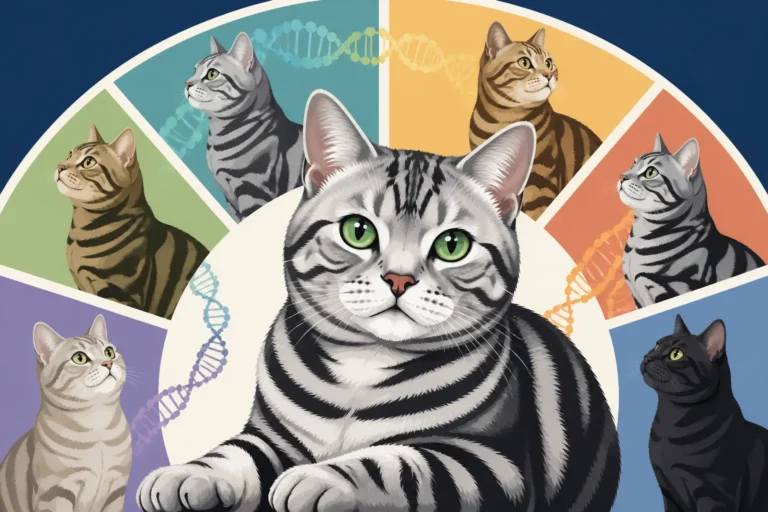
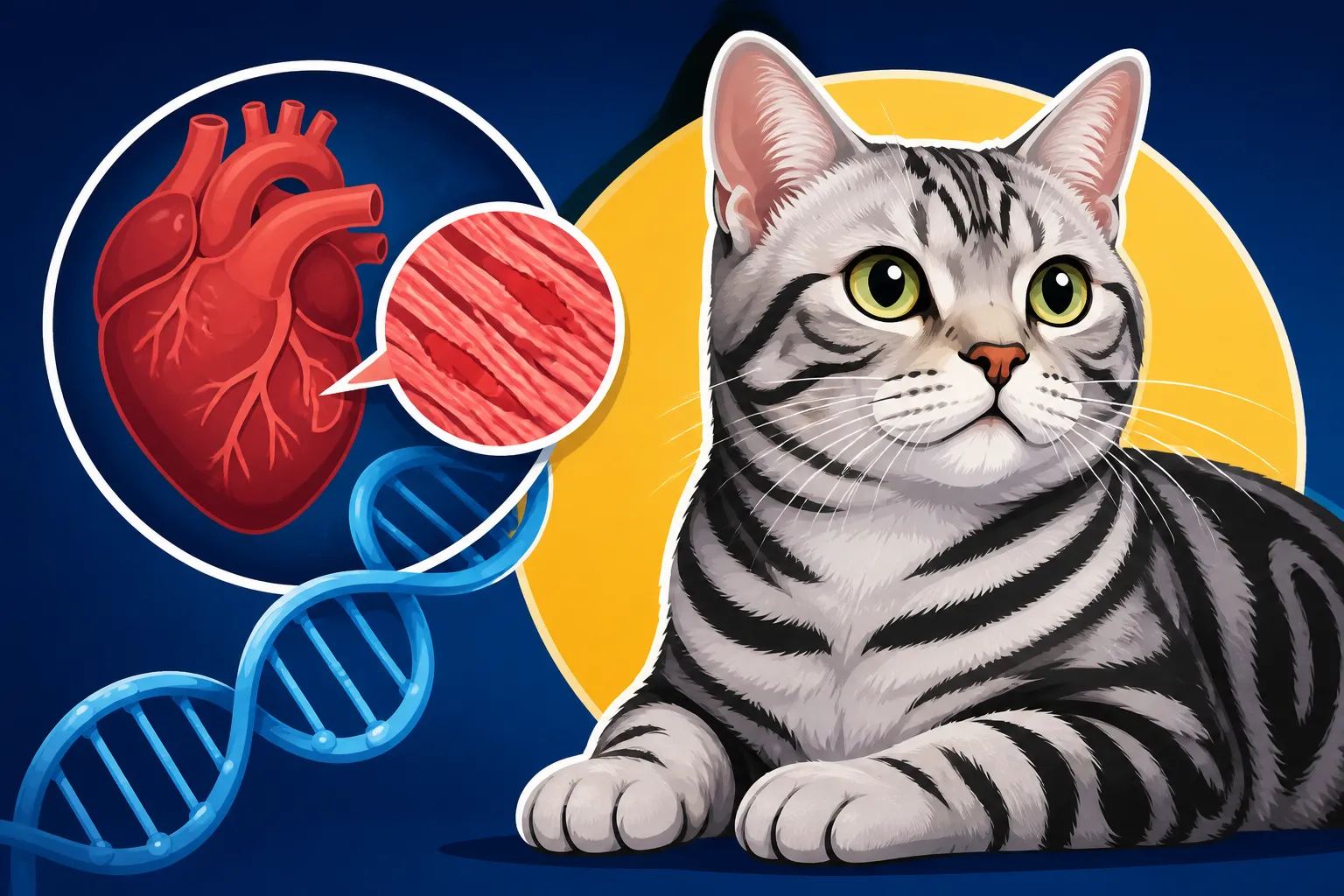
While a specific, single gene mutation like the A31P mutation in Maine Coons hasn't been identified as the sole cause of HCM in American Shorthairs, research continues to explore the genetic underpinnings. It's largely believed to be a polygenic trait, meaning multiple genes, potentially interacting with environmental factors, contribute to its development. This complexity makes it much harder to eliminate from the breed through simple breeding practices based on DNA tests. Instead, breeders must rely on phenotypic screening – regular echocardiograms by a board-certified veterinary cardiologist – to identify affected cats. Even then, an American Shorthair with a clear heart scan at a young age might develop HCM later in life, and seemingly unaffected cats can still carry genes that, when combined with another carrier, produce affected offspring. This genetic ambiguity is incredibly frustrating for breeders dedicated to improving the breed's health, as there's no easy "pass/fail" test. It underscores why a gene test cannot clear an American Shorthair's heart in the same way it might for other breeds.
Debunking the "Healthiest Breed" Myth
The reputation of the American Shorthair as one of the healthiest, most low-maintenance breeds is well-deserved in many respects. They are typically robust, long-lived, and not prone to the extreme conformation-related health issues that plague some other breeds. For example, What an American Shorthair With No Designer Defect Gets Instead is often a lifespan extending well into their late teens or even twenties. However, this excellent general health can sometimes lead to a false sense of security, fostering the myth that they are entirely free from all serious inherited conditions. HCM stands as a stark reminder that "healthy" doesn't mean "immune." While the incidence of HCM in American Shorthairs may be lower than in breeds like the Maine Coon or Ragdoll, it is still a significant concern. Ignoring this reality means potentially missing early signs and delaying crucial veterinary intervention. Recognizing that even the "healthiest" breeds have their vulnerabilities allows us to be more vigilant and proactive, ultimately leading to better outcomes for our pets. It’s about realistic expectations, not despair.
Recognizing the Subtle Signs of HCM in Your American Shorthair
One of the biggest challenges with HCM, as we've discussed, is its insidious nature. Cats are champions at masking illness, and American Shorthairs, with their stoic and independent dispositions, are no exception. This means that as pet parents, we need to be extra vigilant, paying close attention to even the most subtle changes in behavior or routine. Catching these early signs can make a world of difference in managing the disease and improving your cat's quality of life.
Early Indicators That Are Easy to Miss
Because HCM is a progressive disease, its early symptoms are often mild and easily mistaken for normal aging, temporary lethargy, or even just a bad day. You might notice your American Shorthair sleeping a bit more than usual, or perhaps they're not quite as eager for their evening play session with the feather wand. They might seem a little less enthusiastic about jumping onto their favorite window perch or the kitchen counter – subtle shifts that could be easily dismissed. A slight decrease in appetite, a tendency to breathe a little faster when resting, or a mild cough (which is quite rare in cats and should always prompt a vet visit) could also be very early, almost imperceptible hints. For a large, sturdy breed, these changes can be even harder to spot. It's not about being paranoid, but about knowing your cat's normal patterns intimately. Any sustained deviation, no matter how minor, warrants observation and potentially a chat with your vet. Regular check-ups are key to catching these silent signals.
What an American Shorthair Shows Before Its Heart Fails
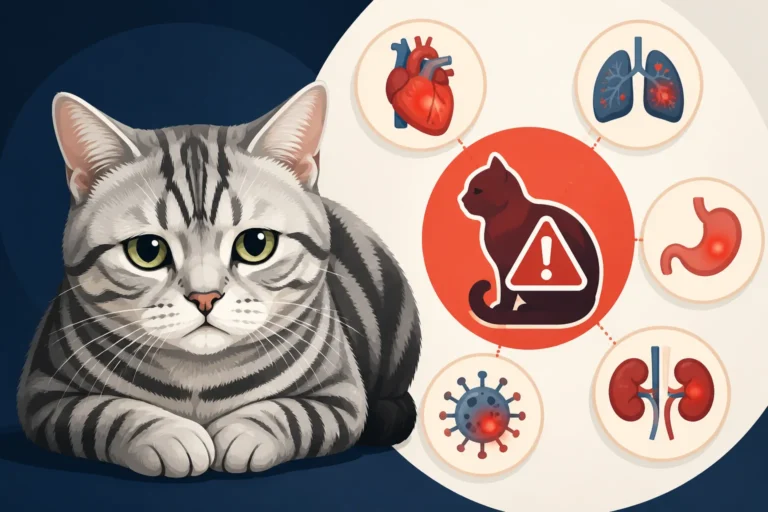
As HCM progresses, the signs become more pronounced, moving beyond subtle behavioral shifts to more overt indications of cardiac distress. Many owners report seeing What an American Shorthair Shows Before Its Heart Fails often involves changes in respiratory effort. This could manifest as persistent, rapid breathing (tachypnea) even when resting, or open-mouthed breathing, which is a significant emergency in cats. You might observe a reluctance to move, a general weakness, or a sudden decrease in appetite leading to weight loss. Some cats develop a distended abdomen due to fluid accumulation (ascites), a sign of congestive heart failure.
In some cases, especially when the heart's function is severely compromised, a life-threatening complication called arterial thromboembolism, often referred to as "saddle thrombus," can occur. This happens when a blood clot forms in the heart due to turbulent blood flow and then dislodges, traveling down the aorta and typically lodging at the point where the aorta splits to supply the hind legs. This causes sudden, excruciating pain, paralysis of the back legs, cold paw pads, and a bluish discoloration of the nail beds. This is an absolute medical emergency. Any cat showing these more severe signs needs immediate veterinary attention. Don't wait; every minute counts.
Emergency Signs Requiring Immediate Veterinary Attention
While the subtle signs are important for early detection, there are clear emergency indicators that demand immediate action. If you notice any of the following, do not hesitate to contact your emergency veterinarian without delay:
- Open-mouthed breathing or severe labored breathing: This is never normal for a cat.
- Rapid, shallow breathing at rest: Count breaths per minute when your cat is calm and sleeping. Over 30 breaths per minute can be a red flag.
- Sudden weakness or collapse: If your cat suddenly can't stand or seems disoriented.
- Hind leg paralysis or difficulty moving the back legs: This could indicate a saddle thrombus, a painful and critical condition.
- Bluish or purplish discoloration of gums or paw pads: Signifies a lack of oxygen.
- Persistent coughing or gagging: While less common for cardiac issues in cats, it can indicate fluid in the lungs.
These are not symptoms to "wait and see" about. They suggest a critical stage of heart disease or a severe complication. Early intervention can significantly impact the outcome, so trust your instincts and seek professional help immediately. Even if it turns out to be something less severe, it's always better to be safe when it comes to your cat's heart.
Diagnosing HCM in American Shorthairs
Given the silent nature of HCM, especially in a generally robust breed like the American Shorthair, proactive and accurate diagnostic methods are paramount. Relying solely on observable symptoms is a risky game because, by then, the disease is often well-established. This is where regular veterinary care and specific diagnostic tools become invaluable.
The Importance of a Yearly Heart Scan
For American Shorthairs, particularly those from breeding lines with any history of HCM, or really any pedigree cat breed, a yearly heart scan by a board-certified veterinary cardiologist is truly the gold standard for early detection. This specialized ultrasound of the heart, called an echocardiogram, allows the cardiologist to visualize the heart's structure, measure the thickness of the ventricular walls, assess blood flow, and observe valve function. It’s a non-invasive procedure and provides real-time, detailed information about the heart's health. Think of it like a meticulous, internal investigation.
Catching HCM early, before symptoms develop, means that management strategies can be implemented sooner, potentially slowing the progression of the disease and improving your cat's long-term outlook. Even if your American Shorthair appears perfectly healthy, Why an American Shorthair Still Needs a Yearly Heart Scan cannot be overstated, especially as they enter middle age. This routine screening can identify changes long before they manifest as breathing difficulties or lethargy, buying valuable time for intervention. For breeders, annual screening of breeding cats is a cornerstone of responsible breeding practices, helping to identify and remove affected individuals from the breeding program, thus reducing the prevalence of HCM in future generations.
Why an Echo Beats a Gene Test in an American Shorthair
This is a point of significant confusion for many pet owners, especially since DNA tests are available for HCM in some other breeds. For American Shorthairs, however, Why an Echo Beats a Gene Test in an American Shorthair is because, as mentioned earlier, a specific, single gene mutation widely linked to HCM in this breed has not been definitively identified. While research continues, the current understanding suggests a polygenic inheritance pattern, meaning multiple genes are involved, making a simple DNA test largely ineffective for screening.
A genetic test, if available and accurate for a specific mutation, tells you if a cat carries that particular gene. An echocardiogram, on the other hand, tells you about the physical state of the heart. It directly visualizes the thickening of the heart muscle, regardless of its genetic cause. This makes the echocardiogram the most reliable diagnostic tool for identifying HCM in an American Shorthair, whether for a pet cat or a breeding animal. A clear echo provides peace of mind that, at the time of the scan, the heart is structurally sound. While a negative gene test in a Maine Coon might offer some reassurance, for an American Shorthair, it’s the echo that provides the actionable information.
What a Cardiologist Looks For During a Scan
During an echocardiogram, a veterinary cardiologist performs a comprehensive examination of the heart. They are looking for several key indicators of HCM. The most direct sign is the thickening of the left ventricular wall and/or the interventricular septum (the wall between the two lower chambers of the heart). They will meticulously measure these wall thicknesses to determine if they fall outside the normal range for an American Shorthair's size and age.
Beyond wall thickness, the cardiologist will also assess:
- Left atrial enlargement: As the left ventricle struggles to fill, blood can back up, causing the left atrium (the chamber that feeds blood into the left ventricle) to enlarge. This is a common and important indicator of disease progression and a risk factor for blood clot formation.
- Papillary muscle hypertrophy: The papillary muscles, small muscles that anchor the heart valves, can also become thickened.
- Systolic anterior motion (SAM) of the mitral valve: This is when the mitral valve leaflet is pulled into the outflow tract during systole (when the heart contracts), obstructing blood flow and potentially causing a heart murmur.
- Diastolic function: How well the heart muscle relaxes and fills with blood. Impaired relaxation is a hallmark of HCM.
- Presence of blood clots: Although less common, the cardiologist will look for any clots forming within the heart chambers, particularly the left atrium.
All these observations, combined with Doppler studies to assess blood flow velocities and patterns, allow the cardiologist to grade the severity of HCM, if present, and recommend appropriate management strategies. This detailed assessment is what makes the echocardiogram such a powerful and irreplaceable tool in diagnosing and monitoring HCM in American Shorthairs.
Managing an American Shorthair with an HCM Diagnosis
Receiving an HCM diagnosis for your beloved American Shorthair can be incredibly unsettling. It's natural to feel worried, even overwhelmed. However, it's crucial to remember that a diagnosis is not an immediate death sentence. With proper management, many cats with HCM can live comfortably for a significant period. The goal of treatment isn't to cure the disease, as there is no cure, but to slow its progression, alleviate symptoms, prevent complications, and maintain a good quality of life.
Medical Treatments and Lifestyle Adjustments
Once HCM is diagnosed, your veterinary cardiologist will work with you to develop a tailored treatment plan based on the severity of the disease and your cat's individual symptoms. The medications used are primarily aimed at improving heart function and managing symptoms.
Common medications include:
- Beta-blockers (e.g., atenolol): These help to slow the heart rate, allowing the thickened heart muscle more time to relax and fill with blood. They also help reduce the heart's oxygen demand and can alleviate outflow tract obstruction.
- Calcium channel blockers (e.g., diltiazem): Similar to beta-blockers, these medications also help the heart muscle relax, improve blood flow, and reduce heart rate.
- ACE inhibitors (e.g., benazepril): These drugs help relax blood vessels, reducing the workload on the heart and preventing fluid buildup.
- Diuretics (e.g., furosemide): If congestive heart failure develops, causing fluid accumulation in the lungs (pulmonary edema) or abdomen (ascites), diuretics are used to remove excess fluid, making breathing easier.
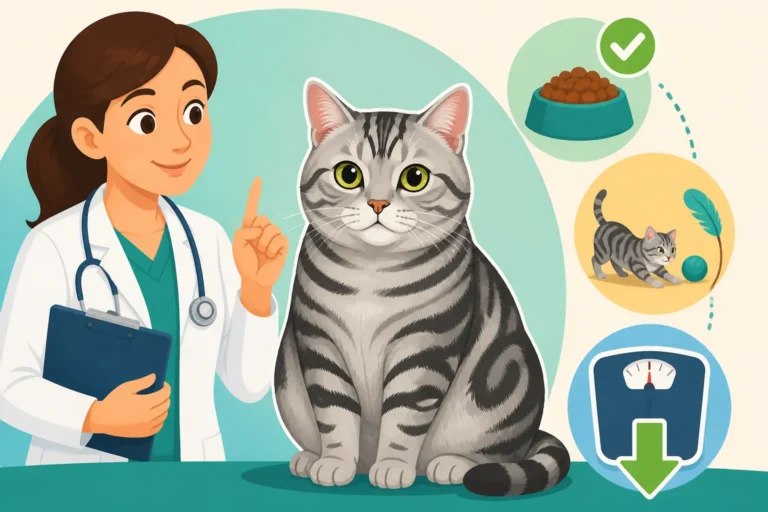
Alongside medication, certain lifestyle adjustments are important. Keeping your American Shorthair's stress levels low is crucial, as stress can exacerbate heart conditions. A calm, predictable home environment, gentle play, and avoiding sudden loud noises or changes in routine can be beneficial. Close monitoring of breathing rate at home can help you detect any worsening of the condition early. Learning How a Vet Manages an American Shorthair With HCM is an ongoing process that often involves regular follow-up visits and adjustments to medication.
Preventing Complications Like Blood Clots
One of the most serious and devastating complications of advanced HCM is the formation of blood clots, particularly in the left atrium due to turbulent blood flow and enlargement. These clots can then dislodge and travel, leading to what's known as a saddle thrombus, which causes sudden paralysis and severe pain in the hind legs. This is an acute emergency.
To prevent this, many cats with moderate to severe HCM, especially those with significant left atrial enlargement, are prescribed anti-clotting medications. The most commonly used medication for this purpose is clopidogrel (Plavix). This drug helps to prevent platelets from sticking together and forming clots. It's a crucial preventive measure that can dramatically improve a cat's prognosis and prevent a painful, debilitating event.
It’s vital to administer these medications exactly as prescribed and to never alter the dosage without veterinary guidance. Regular re-evaluations, including echocardiograms, are necessary to monitor the heart's condition and adjust the anti-clotting regimen as needed. Understanding How a Thickened Heart Throws a Clot in an American Shorthair emphasizes the importance of this preventive step.
Prognosis and Quality of Life After Diagnosis
The prognosis for an American Shorthair diagnosed with HCM is highly variable and depends on several factors, including the severity of the disease at diagnosis, the presence of congestive heart failure or blood clots, and how well the cat responds to medication. Some cats with mild HCM might live for many years with little to no impact on their quality of life, while others with aggressive forms may have a shorter lifespan. It's often devastating to hear How Many Months Follow an American Shorthair's HCM Diagnosis for some cats, especially those with severe, late-stage disease, but many more lead years of comfortable life.
With consistent medication, regular veterinary check-ups (which might be every 3-6 months, or as recommended by your cardiologist), and careful monitoring at home, many American Shorthairs can maintain an excellent quality of life. The goal is always to keep them comfortable, pain-free, and enjoying their favorite activities for as long as possible. Open communication with your vet about your cat's behavior, appetite, energy levels, and breathing patterns is essential. Quality of life assessment involves considering your cat's overall happiness, comfort, and ability to engage in normal feline behaviors. Pet insurance providers like Healthy Paws can be a lifesaver in managing the ongoing costs of diagnostics, medications, and specialist consultations associated with a chronic condition like HCM, ensuring you can always provide the best care without financial strain.
Proactive Measures and Responsible Breeding
For a breed celebrated for its robust health, the continued presence of HCM in American Shorthairs highlights the importance of proactive health screening, particularly within the breeding community. Responsible breeding practices are the cornerstone of maintaining the breed's overall health and reducing the incidence of inherited diseases like HCM.
What an American Shorthair Breeder Should Have Screened
Responsible American Shorthair breeders understand their vital role in preserving the health of the breed. For HCM, this means rigorous screening protocols. What an American Shorthair Breeder Should Have Screened primarily involves regular cardiac evaluations, specifically echocardiograms, performed by a board-certified veterinary cardiologist. These scans should ideally begin before a cat is used for breeding, typically around one year of age, and be repeated annually throughout the cat's breeding career.
Breeders should seek a clear diagnosis from a cardiologist that states the cat is "negative for HCM" or "normal" based on specific criteria. Any cat diagnosed with HCM, even a mild form, should be immediately removed from the breeding program, along with its parents and full siblings, to minimize the spread of the condition. Furthermore, breeders should openly share these screening results with prospective buyers, often providing copies of the cardiologist's reports. This transparency allows buyers to make informed decisions and supports the collective effort to reduce HCM prevalence. While there's no perfect system, this dedication to screening significantly improves the odds of producing healthy kittens.
Why an Untested Adult American Shorthair Should Still Be Scanned
Even if you've adopted an adult American Shorthair whose breeding history is unknown, or perhaps a cat from a rescue organization that presents as an American Shorthair type, it's incredibly valuable to have them screened for HCM. Why an Untested Adult American Shorthair Should Still Be Scanned is simple: HCM can develop at any age, even into maturity or old age. A cat might have passed its kittenhood and young adult years without showing any signs, but the disease can still manifest later.
An adult cat might have been bred before screening became a widespread practice, or perhaps it came from a less reputable breeder who didn't prioritize health testing. A one-time echocardiogram on an adult cat can provide crucial information about its heart health, offering peace of mind or, if HCM is detected, allowing for early intervention and management. This is particularly important for American Shorthairs known to have a longer lifespan, as conditions like HCM can creep up over many years. Even if you don't plan to breed, knowing your cat's cardiac status allows you to be proactive about their health and adjust their care as needed, ensuring they receive the best possible support throughout their life.
The Future of HCM Research in American Shorthairs
The ongoing challenge of HCM in American Shorthairs, without a clear genetic marker, underscores the critical need for continued research. Scientists and veterinary cardiologists are constantly working to unravel the complexities of this disease. This research includes:
- Genetic studies: Efforts continue to identify specific gene mutations or polygenic predispositions unique to American Shorthairs that contribute to HCM. Advances in genetic sequencing technology offer hope that more targeted tests may become available in the future.
- Biomarkers: Researchers are investigating blood markers, such as specific cardiac enzymes or proteins (e.g., proBNP), that could potentially indicate heart stress or early stages of HCM, offering a less invasive screening tool.
- Improved imaging techniques: While echocardiography is excellent, ongoing research aims to refine imaging techniques and diagnostic criteria for even earlier and more precise detection.
- Therapeutic advancements: New medications and treatment strategies are always being explored to better manage the disease and its complications, improving quality of life and extending lifespan for affected cats.
Supporting veterinary cardiology research, either through donations to feline health foundations or by participating in studies if your cat fits the criteria, contributes directly to these efforts. Every piece of new knowledge brings us closer to better understanding, preventing, and treating HCM in American Shorthairs and all cats.
Supporting Your American Shorthair Through Heart Disease
A diagnosis of Hypertrophic Cardiomyopathy (HCM) can feel like a heavy burden, but it doesn't mean the end of a happy life for your American Shorthair. With thoughtful care, a supportive environment, and a proactive approach to their health, you can ensure your beloved cat continues to thrive. It’s about adapting to their needs and becoming their strongest advocate.
Creating a Comfortable and Stress-Free Environment
Cats are creatures of habit and sensitive to their surroundings, even typically placid American Shorthairs. For a cat with a heart condition, minimizing stress is paramount, as stress can put an extra strain on their cardiovascular system. Think about their daily life and identify potential stressors. This could include:
- Maintaining a consistent routine: Predictable feeding times, playtime, and quiet periods help reduce anxiety.
- Providing safe spaces: Ensure your American Shorthair has easily accessible, quiet retreats where they can feel secure and undisturbed. This might be a cozy bed under a table, a high cat tree perch, or a designated room.
- Minimizing loud noises and sudden changes: Try to keep your home environment calm. If visitors are coming, ensure your cat has a quiet room to retreat to. Gradual introductions to any new pets or people are always best.
- Gentle handling: Be mindful when picking up or petting your cat, especially if they are already showing signs of discomfort or labored breathing. Let them initiate contact.
- Enrichment without exertion: Continue to provide mental stimulation with puzzle feeders or low-key interactive toys, but avoid intense, high-energy play sessions that might overexert them. Play That Finishes the Hunting Sequence for an American Shorthair can be modified to be less strenuous but still satisfying.
A calm home helps keep their heart rate steady and reduces the physiological stress response, which can improve their overall well-being and potentially slow disease progression.
Nutritional Considerations for Heart Health
While there isn't a specific "HCM diet" that cures the disease, nutrition plays a supportive role in managing a cat with heart disease. The primary goals are to maintain an ideal body weight, provide appropriate nutrients, and avoid exacerbating the condition.
- Weight management: Keeping your American Shorthair at a lean, healthy weight is crucial. Obesity puts extra strain on the heart, making it work harder. If your cat is overweight, your vet may recommend a controlled weight loss plan. How Weight Wears Out an American Shorthair's Joints and its impact on overall health is something to discuss with your vet.
- Sodium intake: While the direct link between dietary sodium and feline heart disease isn't as clear-cut as in humans, some veterinarians may recommend a moderately sodium-restricted diet, particularly if your cat is experiencing congestive heart failure. Always discuss this with your vet, as severe sodium restriction isn't appropriate for all cats and can cause other issues.
- Taurine: Ensure your cat's diet contains adequate taurine, an essential amino acid for feline heart health. Most commercial cat foods are fortified with taurine, but it's worth checking, especially if you feed a homemade diet. Taurine deficiency can cause dilated cardiomyopathy, which is distinct from HCM, but good taurine levels are still important for overall heart function.
- Omega-3 fatty acids: Some studies suggest that Omega-3 fatty acids (DHA and EPA), found in fish oil, may have anti-inflammatory properties and could be beneficial for heart health. Discuss supplementation with your vet.
- Small, frequent meals: For some cats, especially those with advanced disease, smaller, more frequent meals might be easier to digest and less taxing on their system than one or two large meals.
Always consult your veterinarian or a veterinary nutritionist for specific dietary recommendations tailored to your cat's health status and any concurrent conditions.
Financial Planning and Pet Insurance Options
The long-term management of a chronic condition like HCM can involve significant financial costs, from regular cardiologist visits and echocardiograms to daily medications and potential emergency care. This reality can add another layer of stress for pet owners, but planning ahead can alleviate some of this burden.
- Emergency fund: Setting aside a dedicated emergency fund specifically for your cat's health needs can provide a safety net.
- Pet insurance: This is where pet insurance providers like Healthy Paws can be incredibly valuable. A good pet insurance policy, especially one that covers chronic conditions, can help offset the costs of ongoing diagnostics, prescription medications, specialist consultations, and emergency treatments. It's advisable to get pet insurance early in your cat's life, before any pre-existing conditions are diagnosed, as most policies do not cover conditions diagnosed before enrollment or during waiting periods. Research different plans and understand what they cover for chronic illnesses. Knowing you have support for managing your cat's HCM can provide immense peace of mind.
- Discussing costs with your vet: Don't hesitate to have an open conversation with your veterinarian about treatment costs and options. They can often help you prioritize treatments, discuss payment plans, or suggest ways to manage expenses without compromising your cat's care.
Caring for an American Shorthair with HCM is a journey that requires commitment, vigilance, and love. By creating a supportive environment, managing their nutrition, and planning for the financial aspects, you can ensure your cherished companion receives the best possible care and enjoys a full, comfortable life despite their diagnosis. Even though HCM is the one inherited disease the American Shorthair kept, with modern veterinary medicine and dedicated home care, its impact can be significantly mitigated, allowing your cat to thrive.
Disclaimer
The information provided in this guide is for general informational purposes only and does not constitute veterinary advice. Always consult with a qualified veterinarian or veterinary specialist for any health concerns or before making any decisions related to your pet's health and treatment. Individual situations may vary, and professional veterinary guidance is essential.