How Many Months an American Shorthair’s Diet Runs
It's incredibly common to feel overwhelmed when your beloved American Shorthair needs a dietary change, especially if it's for something serious like weight loss or a health condition. You might be wondering, "How long is this going to take? Is this a temporary fix or a permanent lifestyle shift?" This guide is here to demystify the timelines involved, giving you a realistic understanding of how long your American Shorthair's diet plan might run, and what to expect along the way.
Understanding the Pace of Weight Management for American Shorthairs
When your vet suggests a diet change for your American Shorthair, particularly for weight management, it's natural to want to see results quickly. We all do! But with cats, and especially with a solid, muscular breed like the American Shorthair, rushing things can actually do more harm than good. Think of it less as a sprint and more as a marathon – a very steady, deliberate marathon.
Why Slow and Steady Wins the Race for Feline Health
The biggest reason to avoid rapid weight loss in cats is a serious condition called hepatic lipidosis, or fatty liver disease. When a cat doesn't eat enough, or loses weight too quickly, their body starts breaking down fat stores to get energy. While this sounds good in theory, a cat's liver isn't designed to process large amounts of fat quickly, and it can become overwhelmed, leading to a dangerous buildup of fat in the liver cells. This can quickly become life-threatening. It's a stark reminder that our feline friends have unique metabolic quirks that require a gentle approach.
For your American Shorthair, who naturally has a sturdy, well-muscled build, a slow and controlled weight loss pace is even more critical. Their strong frame means they might carry a bit more weight before it's visually obvious, but it also means their metabolism is geared for a certain level of activity and intake. A sudden, drastic cut in calories can shock their system. Instead, a gradual reduction allows their body to adapt safely, preventing that dangerous fat mobilization. Plus, a slow approach makes the diet much more sustainable for both of you, focusing on long-term health rather than a quick, risky fix.
The Role of Current Weight and Goal Weight
Just like with people, the starting point and the desired destination play a huge role in how long a dietary journey will last for your American Shorthair. If your cat only needs to shed a pound or two to get back to an ideal weight, the process might be relatively swift – a few months, perhaps. This is often the case for cats who have just started to creep up past their ideal range, perhaps after a neuter or a change in activity level.
However, if your American Shorthair is significantly overweight, needing to lose five, ten, or even more pounds, you're looking at a much longer commitment. We're talking many months, potentially a year or more, to reach that healthy target weight safely. Each pound lost represents a careful calibration of calories, exercise, and patience. Your vet will typically aim for a safe weight loss of about 0.5% to 2% of their body weight per week. For a fifteen-pound American Shorthair, that means shedding maybe an ounce or two a week, not a dramatic drop. It can feel painstakingly slow, but remember, it’s about their health and longevity. How to Spot Weight Gain on a Square Built American Shorthair can help you understand where your cat stands on the body condition scale.
Factors Influencing Diet Duration Beyond Weight
While weight loss is a common reason for dietary changes, it's far from the only one. Many American Shorthairs find themselves on specialized diets for other health reasons, and these often entail a lifelong commitment rather than a temporary "run."
Consider conditions like urinary tract issues, where a prescription diet might be necessary to prevent crystal formation or manage inflammation. These diets are carefully formulated to adjust urine pH or mineral content, and going off them could mean a recurrence of painful and dangerous blockages. Similarly, American Shorthairs diagnosed with diabetes might require a high-protein, low-carbohydrate diet to help manage blood sugar levels, often in conjunction with insulin. For kidney disease, a phosphorus-restricted diet becomes crucial. These therapeutic diets aren't just for a few months until the problem "goes away"; they become an integral part of managing a chronic condition, and your cat will likely need to stay on them for the rest of their lives. It's a fundamental shift in their nutritional intake to support their ongoing health, making the "diet run" indefinitely.
Typical Timelines for American Shorthair Diet Plans
Navigating a diet plan for your American Shorthair can feel like charting an unknown course, but there are generally predictable phases that most owners will experience. Understanding these stages can help you manage your expectations and stay committed to your cat's health journey.
Initial Assessment and Adjustment Phase (Weeks 1-4)
The first month of any new diet plan for your American Shorthair is all about laying the groundwork. This isn't where you'll see dramatic changes, but it's arguably the most critical period. It usually starts with a comprehensive vet visit where your cat's current weight, body condition score, and overall health are assessed. Blood tests might be recommended to rule out underlying medical conditions that could contribute to weight gain or impact diet effectiveness. What a Full American Shorthair Panel Actually Screens For can give you an idea of what tests might be involved.
Once a diagnosis and a target weight are established, your vet will calculate a safe daily caloric intake. This isn't a guesswork exercise; it's a precise calculation based on their ideal weight, not their current weight, and their activity level. Then comes the food transition. You can't just swap out their old kibble for a new diet overnight. A slow transition over 7-10 days is essential to prevent digestive upset, which can make your cat miserable and discourage them from eating the new food. You'll gradually mix increasing amounts of the new food with decreasing amounts of the old. During this phase, you're primarily monitoring for acceptance of the new food, any digestive issues, and getting into a routine of controlled feeding. Don't be surprised if your American Shorthair vocalizes their displeasure at the reduced portions; they're used to a certain amount!
Active Weight Loss Phase (Months 2-6+)
This is the phase where you start seeing tangible progress, but it still requires consistent effort and vigilance. After the initial adjustment, your American Shorthair will ideally be settled into their new food, and you'll begin regular weigh-ins. Your vet might recommend weekly or bi-weekly check-ins, either at the clinic or at home with a reliable scale. This consistency is crucial because even small fluctuations can indicate whether the diet needs to be tweaked.
During these months, you and your vet will be a team. If your American Shorthair is losing weight too slowly, the caloric intake might need a slight reduction, or their activity level might need a boost. If they're losing too quickly (which is rare but possible if the initial calorie count was too aggressive), adjustments will be made to safely slow things down. Plateaus are common and can be incredibly frustrating. Your cat might lose weight steadily for a few weeks, then seem to hit a wall. This is a normal part of the process, and it’s not a sign of failure. It simply means it's time to reassess with your vet and perhaps make another small adjustment. This active weight loss phase is generally the longest, and it’s where your patience and commitment are truly tested. It’s also where incorporating play to increase their activity can make a huge difference. How Many Months an American Shorthair's Diet Runs can vary wildly here based on how much weight they need to lose.
Maintenance Phase (Ongoing/Lifelong)
Congratulations! Your American Shorthair has reached their ideal weight, their body condition is perfect, and they're looking and feeling great. You might think the diet "ends" here, but in reality, it transitions into a lifelong maintenance plan. This is not a return to old habits; it's about sustaining the healthy changes you've worked so hard to achieve.
The maintenance phase involves continuing to feed a carefully portioned diet, though the caloric intake might increase slightly from the active weight loss phase to prevent further loss. The goal now is stability. You'll still need to monitor their weight periodically, perhaps monthly or every couple of months, to catch any creeping weight gain before it becomes a problem. This phase often involves staying on a high-quality, nutritionally balanced food that supports their lean body mass and satiety. You might continue using puzzle feeders or other enrichment tools to keep meal times engaging and prevent boredom eating. Remember, for a cat whose ancestors Why an American Shorthair's Appetite Outlasted Its Job after centuries of hunting, portion control is still paramount even when they're at a healthy weight. This commitment ensures that all the hard work you put into the previous phases pays off for a long, healthy life.
Practical Aspects of Managing an American Shorthair's Diet
Managing your American Shorthair's diet effectively isn't just about what food you put in the bowl; it's about the entire ecosystem of their eating habits, environment, and your watchful eye. It requires a holistic approach, especially for a breed known for its robust appetite and sturdy build.
Choosing the Right Food and Tools
The foundation of any successful diet plan for your American Shorthair is, naturally, the food itself. For weight loss, your vet will likely recommend a prescription diet specifically designed for feline weight management. These diets are typically lower in calories but higher in fiber and protein to help your cat feel full and maintain muscle mass while shedding fat. Brands like Royal Canin, Hill's Science Diet, and Purina Pro Plan Vet Diets offer excellent options that your vet can recommend. If it's a urinary issue or diabetes, you'll also be looking at specific therapeutic formulas.
Beyond prescription diets, there's a world of high-quality foods available. Many owners find success with wet food for weight management, as its higher moisture content can contribute to satiety with fewer calories. Companies like Chewy and Amazon stock a wide range of options, making it easy to find suitable wet foods. Some owners explore fresh food options, always under veterinary guidance, as portion control and nutritional balance are paramount.
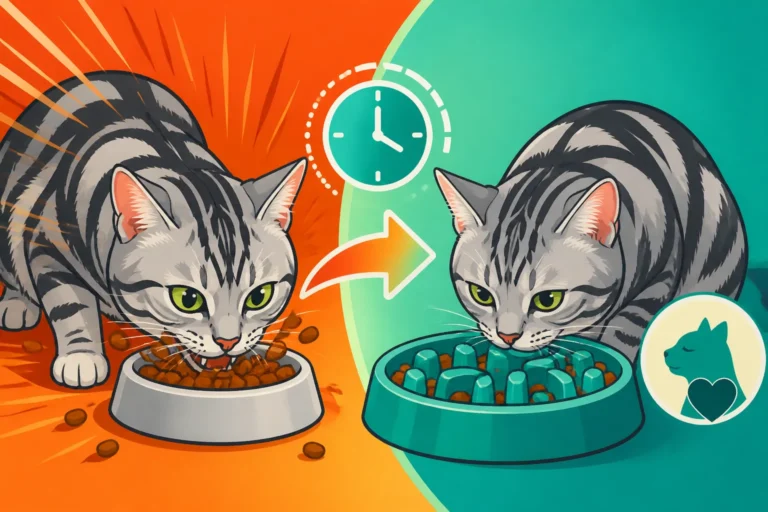
Don't underestimate the power of feeding tools! Puzzle feeders are fantastic for engaging your American Shorthair's natural hunting instincts, making them "work" for their food, which slows down eating and burns a few extra calories. Whether a Puzzle Feeder Replaces an American Shorthair's Hunt is a common question, and while it doesn't entirely, it certainly helps. Timed feeders can also be a lifesaver for ensuring consistent meal schedules and portion control, especially if you're not always home at meal times. Consider a wide, shallow bowl, as some cats dislike their whiskers touching the sides of a deep dish.
Monitoring Progress and Adapting the Plan
The success of your American Shorthair's diet hinges on consistent monitoring and a willingness to adapt. This isn't a "set it and forget it" situation. Regular weigh-ins are paramount. You can do this at home with a baby scale or by weighing yourself, then weighing yourself holding your cat, and subtracting the difference. Just make sure it’s accurate! Beyond the numbers on the scale, regularly assessing your cat's body condition score (BCS) is vital. You should be able to feel their ribs easily without seeing them, and they should have a discernible waist when viewed from above. How to Score a Square Built American Shorthair's Body Condition can guide you through this process.
Keep a journal or use an app to track food intake, weight, and any changes in behavior or energy levels. This data will be invaluable for your vet. If your cat isn't losing weight at the expected rate, or if they seem overly hungry or lethargic, it's time for a follow-up consultation. Your vet can then adjust the caloric intake, recommend different food, or explore other factors that might be hindering progress. Remember, your vet is your best resource for adapting the plan as needed. A diet that works perfectly for one American Shorthair might need slight modifications for another, even in the same household.
| Diet Plan Type | Primary Goal | Typical Duration | Key Considerations |
|---|---|---|---|
| Weight Loss | Achieve and maintain ideal body condition | 6 months to 1 year+ (then lifelong maintenance) | Slow and steady to prevent hepatic lipidosis; regular vet check-ups; consistent portioning. |
| Urinary Health | Prevent crystal/stone formation; manage FLUTD | Lifelong | Specific mineral balance and pH control; consistent water intake. |
| Diabetes Mgmt. | Stabilize blood glucose; reduce insulin needs | Lifelong | High protein, low carb; consistent feeding times; careful monitoring. |
| Kidney Disease | Slow progression of disease; manage symptoms | Lifelong | Phosphorus and protein restriction; often highly palatable. |
| Allergy/GI Sens. | Identify and avoid allergens; reduce inflammation | Variable (elimination diet, then lifelong avoidance) | Novel protein or hydrolyzed diets; strict adherence to avoid triggers. |
The Mental and Behavioral Impact
Dietary changes aren't just physical; they can have a significant mental and behavioral impact on your American Shorthair. Cats are creatures of habit, and suddenly having their food intake restricted or their meal schedule changed can lead to frustration, increased begging, and even anxiety. It’s important to validate these feelings and address them constructively.
Firstly, ensure that any changes are made gradually. If you're cutting calories, do it incrementally over weeks, not days. Offer multiple small meals throughout the day rather than one or two large ones, which can help your cat feel fuller for longer. You might even find that Why Three Small Meals Suit an American Shorthair better mimics their natural eating patterns anyway.
Enrichment becomes crucial. Redirect your American Shorthair's focus from food to play. Engage them in active play sessions with wand toys that mimic hunting prey. Which Wand Toy Reads as Prey to an American Shorthair can help you choose the right ones. Provide vertical space like cat trees and window perches for them to survey their "territory." Use puzzle feeders to make them "work" for their food, turning mealtime into a mental challenge rather than a simple gobble-and-go. Consistent routines, extra affection, and reassurance can also help ease their transition. Remember, a happy cat is a healthier cat, and managing their emotional well-being is just as important as managing their caloric intake.
Disclaimer
This article is for general informational purposes only and does not constitute professional advice. Laws, prices and regulations vary by location and change over time. Consult a qualified professional for guidance on your specific situation.